



Sharon has 21+ years of experience as a qualified Emergency Care Nurse registered with the Australian Health Practitioner Regulation Agency (APHRA) and 12+ years as a First Aid Trainer.
She takes pride in FirstAidPro making first aid training available, comprehensive and affordable to everybody.
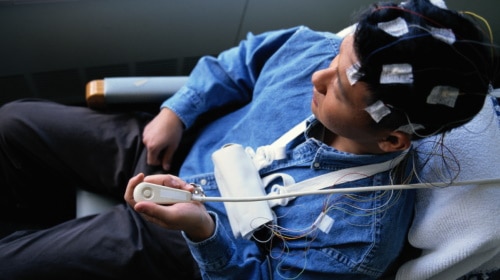
An epileptic seizure can occur when there is a sudden surge of electrical activity in the brain, leading to a temporary state of confusion in a person. An abnormal discharge of brain cells, which differs from the normal functioning of the brain, is what triggers the first seizure.
From hence, they may be triggered by various factors, including:
Chemical imbalances in the brain
Stress
Monthly menstruation
Head injury
Lack of sleep
Fever
Alcohol, some medications and illegal drugs
Flashing lights
The genetic susceptibility to seizure has been observed to be hereditary, but this is extremely uncommon.
Epileptic seizures come in various forms and can affect each person differently. While some people with epilepsy may not need any assistance, others may rely on specific devices and medications to manage their condition.
Understanding the causes of an Epileptic seizure quickly and learning how to provide support and first aid to a person experiencing them can make you a valued asset to that person in your life and the surest way to achieve this is through first aid training.
However, in situations where seizure first aid is insufficient, such as if the person is having their first seizure as best you understand, call an ambulance so that the person can be seen by a doctor.
Types & How Long A Seizure Lasts
Epileptic seizures come in various forms, depending on factors like their duration and their unique symptoms from person to person.
Some of the most common seizure types, are:
Tonic-Clonic Seizures: The most well-known type of seizure, the Tonic-Clonic Seizure causes the muscles of the person to first become rigid (Tonic phase) and then to relax (Clonic phase). These two phases may even occur entirely separately. During this seizure, the person loses consciousness and may fall to the ground if they have been standing. They may convulse and, due to the relaxing of their muscles, they can involuntarily drool, vomit, or urinate before they regain consciousness. For most people, this seizure lasts for 2 to 3 minutes.
Absence Seizures: In this seizure, the person appears fully alert but is unable to respond until the seizure ends. When the seizure starts they appear to mentally ‘drift away,’ but their eyes will remain open and their body will remain motionless. Typically, this type of seizure passes after a brief period of approximately 10 seconds.
Focal (Formerly known as ‘Partial’) Seizure: The most frequent type of seizure that a person with epilepsy encounters, it originates in just one hemisphere of the brain. For its duration, the person remains cognisant of their surroundings and it can result in a rising sensation in the stomach (similar to being on a theme park ride), déjà vu, noticing odd smells or tastes, tingling in the limbs, intense emotions and stiffness or twitching in a specific body part. These seizures last for around 2 minutes and are regarded as a warning to the person that a second seizure is imminent.
Atonic Seizures: With these seizures, the person experiences a sudden weakening of their muscles also known as a loss of muscle tone, while fully awake and aware. The person might collapse and require assistance to stand up again. For most, these are very short seizures that last for less than 10 seconds.
Myoclonic Seizures: During this, their body may suddenly twitch or jerk as if shocked by electricity. These seizures typically occur shortly after waking up and only last for a brief moment. However, it is possible for a person to have multiple in a short period. Despite the sudden movements, the person will remain conscious during and until the seizure stops.
Once a seizure has passed, normally the only seizure first aid required is if the person has injured themselves during the seizure. However, if a full seizure occurs and the seizure continues for over five minutes, it is their first seizure or they have trouble breathing or otherwise you must call an ambulance and speak to a doctor.
Why A Seizure Occurs
There is still much to discover about epilepsy, but we do understand that it can happen at any stage of life but is more frequent in children and elderly people. The exact cause of epilepsy is often unknown, but research shows that when it happens we can see, through advanced imaging technology, a sudden change in the electrical activity of the brain. When someone has epilepsy, their brain loses the ability to regulate its electrical activity resulting in the aforementioned conditions.
Various factors have been linked to seizures in terms of causes, including sustaining a serious head injury, the onset of certain autoimmune disorders or the commencement of certain medications. Despite the correlation of these events, there is no reliable data with which experts can accurately predict the onset of epilepsy.
Certain lifestyle changes may be helpful when managing this condition, like a diet adjustment, introducing regular exercise and getting enough sleep. These adjustments, while mainly will benefit the person in other areas of their life, may assist in preventing the likelihood of seizures as there is evidence of correlation between the consumption of certain foods and the onset of seizures, particularly in children.
Treating A Seizure Quickly & Trouble Breathing
Ways to treat and manage most seizures include:
Taking Medication: Many different medicines can help control epilepsy, often reducing the frequency and severity of seizures. If you know someone who has epilepsy, encourage them to talk to their general practitioner about which type of Medication will help (if they haven’t already). Be aware that there may be some trial and error in finding the right epilepsy medication for them.
Stay Healthy: Making healthy lifestyle choices like eating a healthy diet, exercising regularly and getting enough sleep is unlikely to result in a cure, but it can improve other areas of health and work towards reducing the frequency of seizures.
Be Aware: Stay knowledgeable about epilepsy – discoveries are being made all the time and quality of life is always a priority. Encourage the individual to stay connected with their general practitioner and read up on the condition using trustworthy sources like books and reliable medical websites.
Stay Safe: If the person with epilepsy has a history of falling, it is important to encourage them to use safety devices like a medical alert bracelet to notify those close to them of an instance of the person falling. Seizure dogs are also an invaluable facilitator of greater independence for people with epilepsy. It’s also recommended that friends and family learn first aid to assist after episodes.
People with epilepsy may be more at risk of injury during a seizure because they may have lost control of their bodies, not just when the seizure started by losing their balance and falling, but during as they convulse. When convulsing, there is a risk of damage due to the person’s movements as the muscles contract, relax, or jerk.
You can prevent injury when you stay calm and keep the person safe by removing nearby objects. The aim is not to restrict a person during their seizures, as this can do more harm than good, but to just stay calm and remove harmful objects from their path until the jerking stops and then, if necessary, by placing them in the recovery position or loosening any tight clothing. Maintain general safety until the person has fully recovered and the danger has passed.
Make sure to examine the person’s mouth and head for injury and ensure they are breathing normally. If they are having trouble breathing look into the person’s mouth, searching for blockages like food, damage or if they have inhaled water as some seizures can result in the person biting the inside of their cheeks, their tongue, accidental aspiration or other mouth injuries.
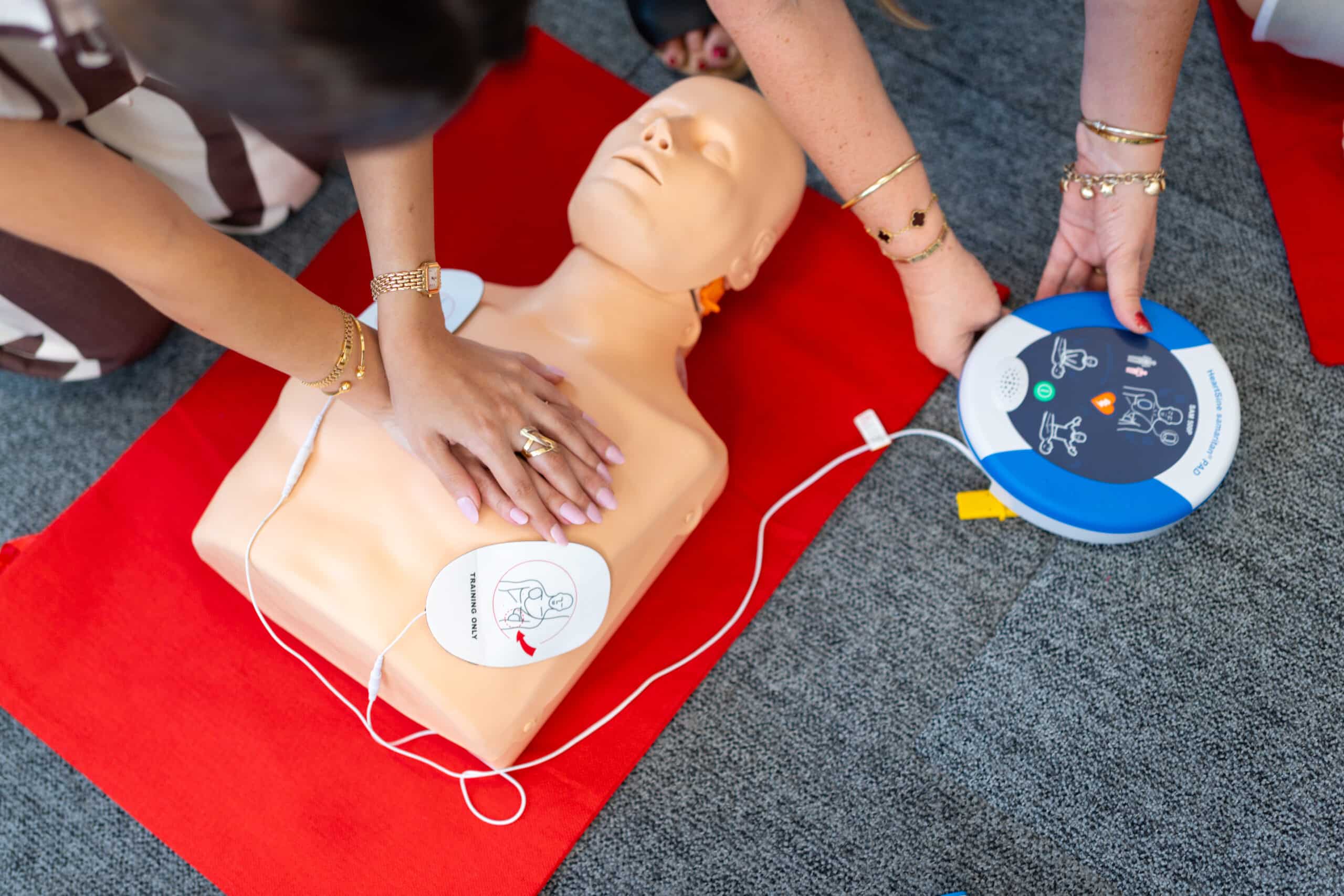
Tilt the head back and with your fingers remove any obvious obstructions to ensure the person has a clear airway. If they have stopped breathing, begin 30 chest compressions followed by 2 rescue breaths (also known as mouth-to-mouth) until help arrives or until they start breathing on their own.
Stay with the person until they have recovered, procure for them anything the person asks for such as medication, food or supplies if they are injured. Supply the person water and anything else that may provide comfort as the person asks for it.
Depending on seizure types, if the person has had or is having several seizures, if the person has been seriously injured, if the seizure lasts longer than 5 minutes the situation could quickly become life-threatening. Call an ambulance to have the person looked at by a doctor and perform seizure first aid while you wait for medical professionals to arrive.
If you are unsure what type of first aid may be needed, taking a First Aid course can help you gain the skills to effectively help anyone.
Final Thoughts
If a friend or colleague has epilepsy, it’s important to know how you can help if they have a seizure and what you can do to support them as they manage their condition. Knowing these symptoms and how to help is not just helpful for the people in your life but, as with any first aid training, it can certainly prove useful in emergencies.
Book a class today and equip yourself with knowledge of how to spot and respond to seizures to lower the chances of further harm.