



Sharon has 21+ years of experience as a qualified Emergency Care Nurse registered with the Australian Health Practitioner Regulation Agency (APHRA) and 12+ years as a First Aid Trainer.
She takes pride in FirstAidPro making first aid training available, comprehensive and affordable to everybody.
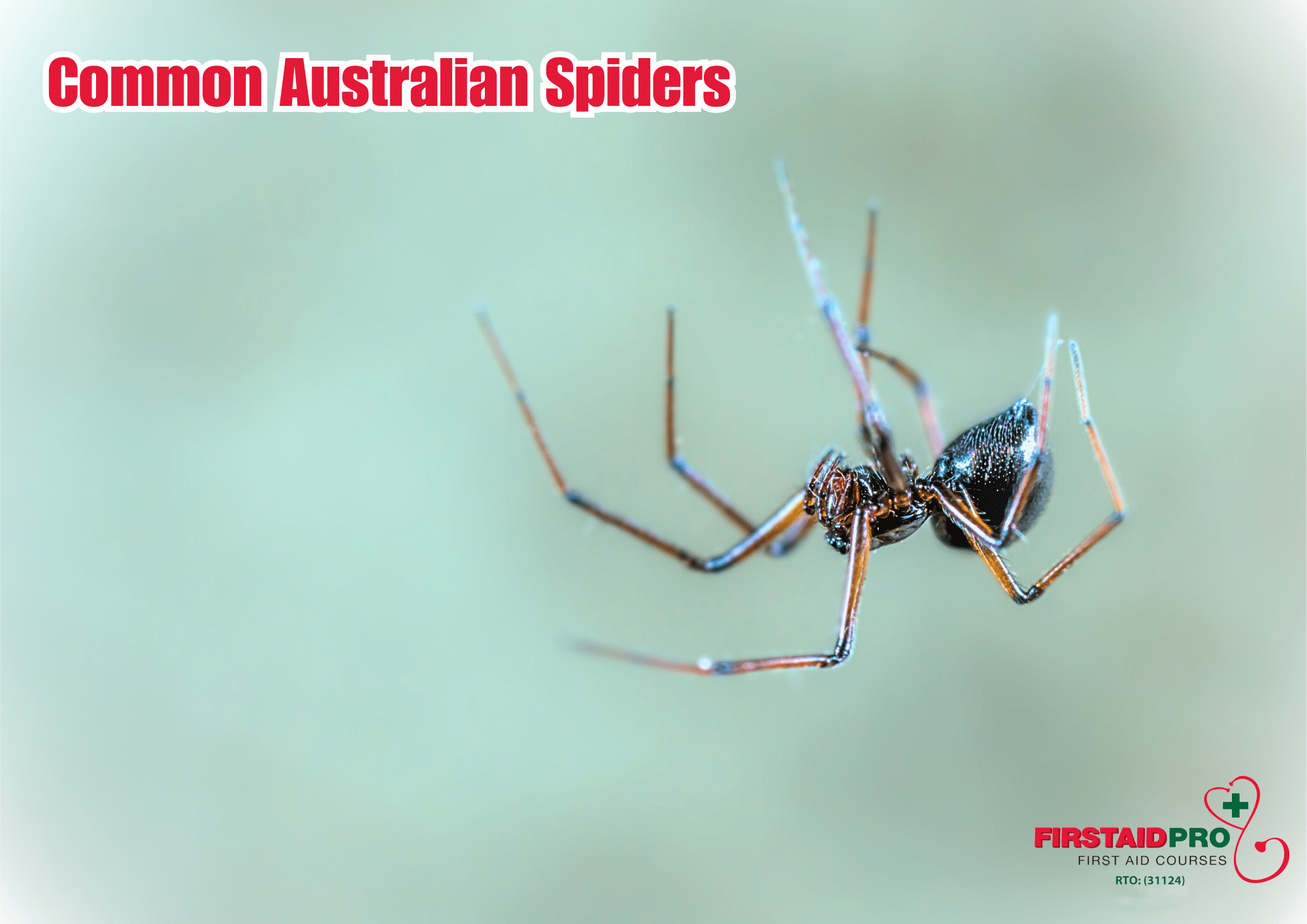
Australia is well-known for its poisonous animals and stinging insects. While most insect bites and stings in Australia cause only mild reactions that resolve in a few days, some insect bites and stings can be deadly.
According to the Australian Institute of Health and Welfare, over 3,500 Australians were hospitalised in 2017-18 due to contact with a venomous animal, insect, or plant. More than a quarter of these hospitalisations were caused by bee stings, nearly a fifth by spider bites – redbacks being the most common spider involved – and 17% from venomous snake bites, (including 215 bites by brown snakes). In 2017-18, 19 people died from venomous bites and stings.
“Nothing beats spending time in nature, simply relaxing and enjoying the great outdoors. Even if the weather is pleasant, you must keep an eye out for outdoor pests. Preparing ahead of time will make things much easier later. To figure out what you’re up against, you must first identify the insect,” says Archie Hewson, a leisure specialist and picnic essentials distributor at Picnic Blanket.
Let’s look at the various types of Australian insect bites and how to keep those insects out of your home below.
Tick Bites
Those pesky outdoor dwellers can be pretty dangerous. Many Australian cities spray insecticides on public parks to keep the problem under control. But that doesn’t mean you shouldn’t still be wary.
Ticks such as the paralysis tick prefer warm and moist areas of the human body. If one lands on your body, it will most likely go to your armpits, hair, or groin. It’s always a good idea to check yourself for ticks after spending the day outside – particularly if you live on the Australian East coast, where the paralysis tick makes it’s home.
Mosquito Bites
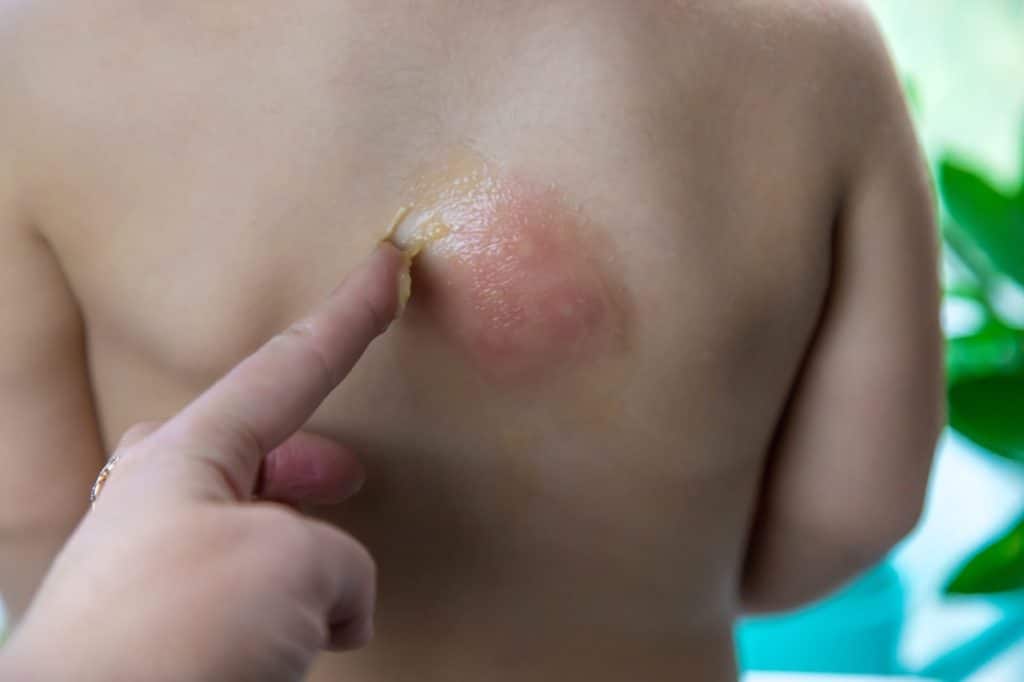
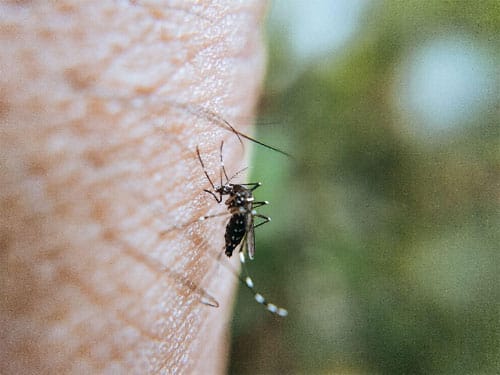
The mosquito – officially the world’s deadliest animal – has killed more humans than any other living creature. Mosquitoes carry diseases that can be transmitted to humans through a single bite.
When spending time outdoors in hot weather, it’s a great idea to use repellents to protect yourself from mosquitoes. This is particularly true if you’re allergic to them. It’s also critical to keep an eye on any mosquito bites get, watching for any allergic reaction after being bitten, and paying particular attention if they begin to show signs of infection.
Ant Bites
 Ants are the animal kingdom’s little warriors. They are everywhere, and you will often encounter them while out for a picnic or, unfortunately, in your own home. While most of them are dangerous, Australia is home to some aggressive species such as the jack jumper ant, and also has a few very nasty imports in some areas – such as the notorious fire ant.
If you’re spending time outside – particularly sitting on the ground for any period of time – be careful to check the area around you for any sign of ants. It’s easier to check first rather than move (or cancel) your picnic once people are getting bitten.
If you have ants near your house, there are commercial ant poisons and deterrents available from most supermarkets and hardware stores. But for particularly dangerous or hard to dislodge species, you may want to consider a professional pest exterminator.
Flea Bites
If the fast jumping, nasty biting little pests find their way into your home, they can be a real pain. Although they normally arrive in the home by hitching a ride on pets, they’re normally quite willing to bite humans as well. Even one flea can be infuriating as they’re hard to find and difficult to kill.
If you end up with fleas in your house, there are various household solutions you can try to get rid of them. And again, there are always professional exterminators.
Bee And Wasp Stings
Bee and wasp stings are painful and even dangerous in some cases. If you’re allergic to bees and wasps, a sting can land you in the hospital. Deaths due to Anaphylaxis from bee stings are actually surprisingly common in Australia. And although they’re not native, European wasps are also one of Australia’s deadlier creatures going by the number of deaths – wasps have killed seven times more people than spiders in the last 20 years.
With 1-2% of the population experiencing severe reactions, staying away from bees and wasps and keeping them away from your property and family is critical. If bees have made a hive somewhere near your property, it’s worth contacting someone to relocate the hive somewhere safer and more productive (bees are actually a valuable species we need to preserve).
Any evidence of a large wasp hive near your property (especially European Wasps) should be reported to the council to be removed. Don’t go near a wasp nest yourself!
Protect Yourself And Those Under Your Care
Knowing what Australian insect may have bitten you and what to do about it, may someday be the difference between life and death. When going outside, use repellent sprays and wear long sleeves to protect yourself. If things get out of hand, you can hire a professional pest control company to treat your home. It is best not to wait in situations like this, because the problem won’t just fix itself. The longer the infestation persists, the more expensive treatment becomes.
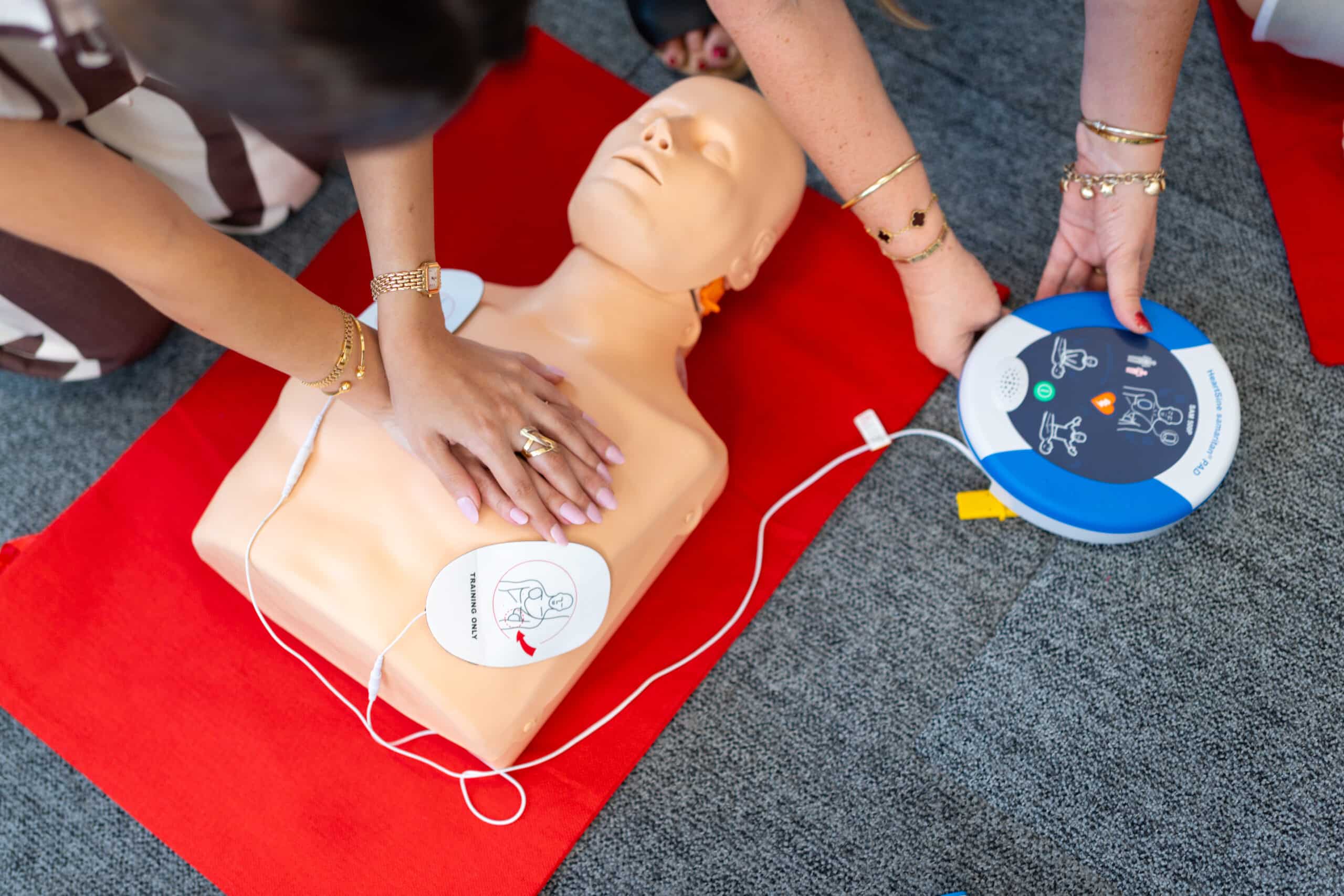
Of course, one of the best ways to be prepared for bites and stings around the home is by doing an accredited first aid training certificate – giving you a wide grounding in many common medical issues, including bites and stings, and treatment of any allergic reactions they might cause. It only takes a day, and costs less than an average tank of petrol nowadays.