



Sharon has 21+ years of experience as a qualified Emergency Care Nurse registered with the Australian Health Practitioner Regulation Agency (APHRA) and 12+ years as a First Aid Trainer.
She takes pride in FirstAidPro making first aid training available, comprehensive and affordable to everybody.
What would you do if someone in your class suddenly collapsed? Or fell and hit their head on the floor? Or tore a ligament in their knee? These things happen in martial arts classes all the time, and it is important that everyone is prepared for such a situation. Fortunately, training in martial arts First Aid doubles as a physical fitness routine and provides you with important skills that could one day save another person’s life.
This guide will cover everything you need to know about training in martial arts First Aid. From general safety tips for preventing injuries in your class to specific instructions for responding to different emergencies, below are some tips that will help you get the most out of your next taekwondo or karate session.
Keep Your Class Safe And Healthy
Martial arts are awesome, but it is important to remember that they come with some risks. Depending on the types of martial arts you practice, you could sustain an injury from any number of things, including: If you are a martial arts instructor, you need to stay on top of these risks as best you can. Regularly inspect your students for signs of injury, and ensure they practice safely. Take extra care with younger, older, or overweight students since they are more likely to sustain an injury during class. Most importantly, ensure everyone knows what to do if they or someone else gets hurt during class. Knowing some basic martial arts first aid is the best way to minimize the damage and prevent the situation from getting worse.
Martial Arts First Aid Basics: What To Do If Someone Is Injured During Your Class?
If someone gets hurt during class and you are not sure what to do, remember the following general First Aid steps:
- Stay calm. Panicking will only make matters worse. Take a few deep breaths and focus on what you need to do next.
- Ask the injured person what hurts and how they feel. No two injuries are exactly the same, and the injured person knows best what they need.
- Try to prevent further injury. For example, if someone’s leg got twisted during a fall, put the leg in a splint to prevent further damage.
- Cover the wound with something clean to prevent infection.
- Get the injured person to a doctor as soon as possible. Beyond that, you will need to respond to the type of injury the person sustained. There are a few major categories of common martial arts injuries and the First Aid you should provide. A professional trainer can teach this First Aid, and First Aid courses are available all over Australia.
Stretching During Martial Arts Classes
Martial arts students spend a lot of time stretching before and after class. When done right, this helps keep you limber and reduces the risk of injury. When should you stretch during class? Not as often as you might think. You should only be stretching during martial arts practice when there’s a break between segments. Otherwise, you risk taking your focus away from the lesson and slowing down your progress. To stretch properly, maintain proper form and hold each stretch for 30 seconds. There are suggested stretches for martial arts that can guide you through the different muscles in your body to prepare for the training ahead. Also, remember to breathe during your stretches. Avoid bouncing during stretches, and you will do less harm to your body.
Ankle Injuries In Martial Arts
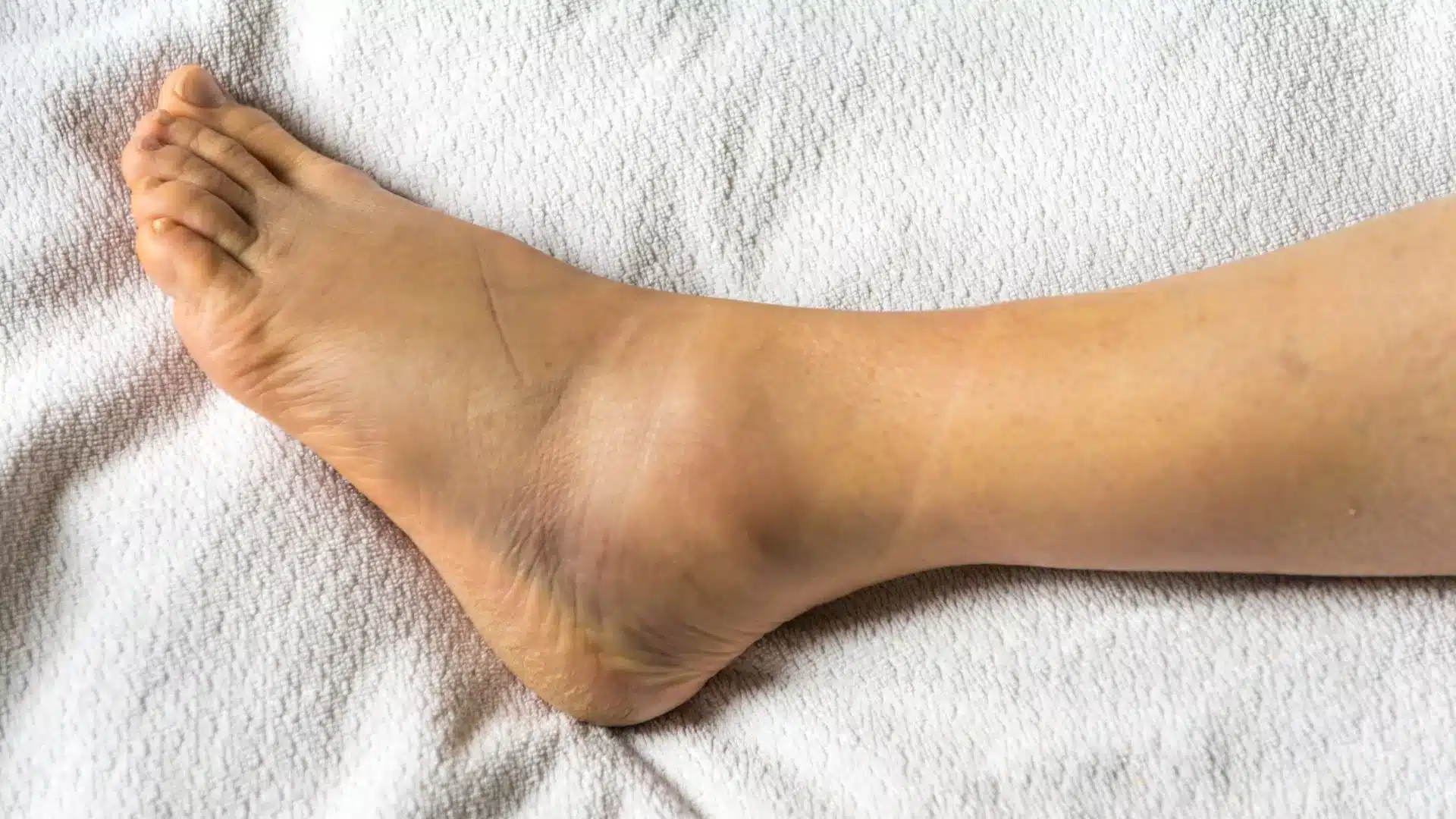
The ankle is one of the most commonly sprained joints in martial arts. It is also one of the easiest injuries to prevent by wearing proper footwear and ensuring the flooring in your dojo is well-maintained. If you do sprain your ankle during class, you should apply a wrap or bandage to the ankle and ice it to reduce swelling. You should also stay off your foot as much as possible. You can also try elevating your ankle above your heart to reduce swelling. If your ankle swells a lot or you feel pain when applying pressure to it, you should visit a doctor. Sprained ankles are often slow to heal, so you should follow the doctor’s advice for recovery.
Knee Injuries In Martial Arts
The knee is another commonly sprained joint in martial arts, especially among people who practice karate. The best way to prevent knee injuries in your class is to wear proper leg protection. You should wear knee pads and knee pads in every single class. Certain martial arts might require additional protection, like an athletic cup for people who do judo or special Gi pants for people who practice karate. If you sprain or strain your knee during class, you should use ice, compression, and elevation (the R.I.C.E. method) to reduce swelling. You should take it easy for a few days and avoid putting too much weight on the knee. If your knee swelling does not go down after a few days, gets worse, or if you feel pain when putting pressure on the knee, you should visit a doctor. Knee injuries are usually slow to heal, so you should follow the doctor’s advice for recovery.
Back Pain In Martial Arts
Back pain is a common complaint among martial artists, especially people who practice taekwondo, karate, judo, or wrestling. The best ways to prevent back pain in martial arts are to stretch and strengthen your back regularly. Focus on exercises that help your lower back, like yoga poses, stretching and strengthening your core. When you do feel back pain during class, you should stop what you are doing, take a break, and apply cold therapy to relieve swelling. You should also make sure to stand up and stretch regularly during class to prevent or minimize back pain. You should visit a doctor if your back pain does not go away or gets worse. Back pain is often slow to heal, so you should follow the doctor’s advice for recovery.
Elbow Injuries In Martial Arts
The elbow is another joint that is commonly sprained in martial arts, especially among people who do karate and judo. The best way to prevent elbow injuries in your class is to ensure you have the proper equipment. Make sure your dojo flooring is regularly cleaned and that you’re wearing protective gear for specific types of moves. You should also regularly stretch and strengthen your arms to prevent elbow injuries. Make sure to stretch your arms regularly and strengthen your forearms and biceps with weightlifting exercises.
Shoulder Injuries In Martial Arts
Finally, shoulder injuries are another common ailment in martial arts. The best way to prevent shoulder injuries in your class is to stretch regularly, avoid heavy lifting, and ensure you have the proper equipment. Again, make sure your dojo flooring is regularly cleaned, and make sure you are wearing protective gear while doing certain types of moves. Also, stretch your shoulders regularly and make sure you are not lifting too much weight. As with the previous injuries, if you do sustain a shoulder injury during class, you should apply ice, compression, and elevation (the R.I.C.E method) to reduce swelling. For a few days, you should take it easy and avoid putting too much weight on the shoulder.
Tips For Safe Training
First Aid skills are important, but it is just as important to practice safe training techniques that won’t injure your body. These tips will help keep you safe during class: First, make sure you are wearing appropriate clothing for your martial arts class. Martial arts can be really intense and hot, so make sure you are wearing breathable and sweat-resistant clothing. You should also be aware of your surroundings and ensure you are training at an appropriate intensity level. Always keep safety in mind and make sure you keep your hands up and avoid footwork that could lead to kicking someone in the head. If someone is injured, you should apply First Aid immediately and assess if they need to see a doctor.
Know The Risk Factors For Martial Arts Injuries
To understand why certain injuries happen more often than others, you need to know what risk factors are responsible for the injuries.
- Age: Younger students are more likely to sustain injuries since they’re still growing and haven’t yet fully developed the strength of an adult.
- Gender: Men are more likely to sustain injuries than women due to differences in body structure and exercise habits.
- Weight: People who are overweight or obese are more likely to sustain injuries in martial arts since they’re less agile and less likely to be able to react quickly.
- Athletic ability level: People who are less athletic are more likely to suffer injuries since they aren’t as quick on their feet.
- Training experience: Beginners are more likely to have injuries to inexperience. As their body is not used to the techniques or have not prepared themselves properly for the training sessions.
Always Have The Supplies On Hand
First Aid kit: Make sure you have a martial arts first aid Kit in your class. This kit should include the following things:
- Adhesive bandages in various sizes
- Gauze pads and rolls
- Antibiotic ointment
- Antibiotic cream
- Antiseptic wipes
- Antibacterial soap
- Butterfly bandages
- Cotton swabs
- Scissors
- Tweezers
- Safety pins
- Kids pain reliever
- Kids Tylenol
- Hot water and a thermometer
- Hydrogen peroxide
- Rescue remedy
- Extra martial arts shoes
- Any other supplies your instructor recommends. If you are doing any kind of fighting, like mouthguards, gloves or shin guards.
Bottom Line
Martial arts are a great way to stay healthy and active, but can cause serious injury if not prepared correctly. So, it is important to know how to stretch the body, know your own skill level and know First Aid if an injury does occur. Make sure the location where you are training is clean, hazard-free and has a martial arts first aid kit on hand. All of this can help keep the training environment safe and ready to get to work and train in.