




Sharon has 21+ years of experience as a qualified Emergency Care Nurse registered with the Australian Health Practitioner Regulation Agency (APHRA) and 12+ years as a First Aid Trainer.
She takes pride in FirstAidPro making first aid training available, comprehensive and affordable to everybody.
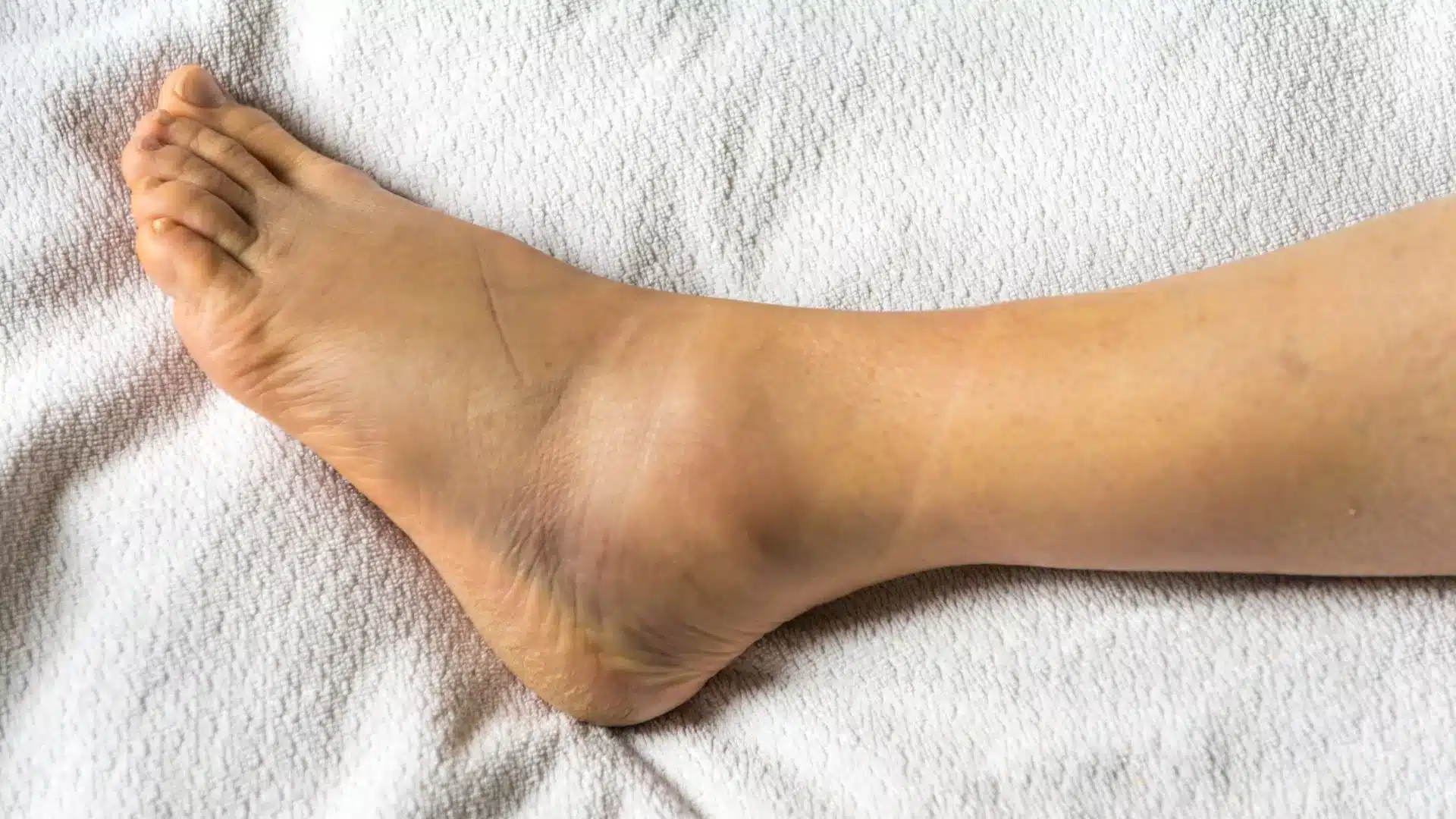
When you injure your ankle, moving around can be painful and challenging. Ankles are complex joints that consist of many bones, tendons, ligaments, and nerves. Injuries to the ankle are common in sports such as basketball and tennis because they involve fast pivoting or jumping movements. Types of ankle injury include sprains, fractures, tendinitis, and torn ligaments. A sprain may involve one or more ligaments on either side of the ankle joint. You might experience swelling and bruising as well.
Sprained ankles are very common in sports and frequently happen when walking on uneven ground or stepping on something slippery. To recover quickly and completely from such an injury, you need to know how to alleviate pain and encourage the healing process for a sprained ankle.
What To Do Immediately After You Sprain Your Ankle?
Immediately after spraining your ankle, you need to reduce inflammation and swelling. This can help speed up the healing process and may reduce the risk of complications. Here are a few ways to reduce swelling:
- Resting the injured ankle by avoiding the activities that caused the injury.
- Putting on a cold compress may help reduce swelling and relieve pain. A sports-type bracelet with an ice pack is an easy way to keep the ice on the injured area even while moving around.
- Elevating the injured ankle above your heart as much as possible may help reduce swelling and pain. However, avoid keeping your leg in an elevated position if you have had a partial tear of the Achilles tendon, as this may cause the tendon to rupture.
You should also try to stay on top of your hydration levels to help reduce inflammation and swelling.
Rehabilitation Exercises For Sprained Ankles
When you sprain your ankle, it is important to increase your range of motion gradually. This helps prevent the ankle injury from becoming more serious and needing a longer recovery. These exercises should not be done if you are still in serious pain, as it could worsen the injury. Once the injury has settled enough to move, then these exercises are also helpful for improving ankle flexibility, balance, and strength. The exercises that can help with recovery include:
Wall Squat
Stand about 15 to 20 cm away from a wall with your feet about shoulder-width apart. Place one hand on the wall for support. Bend your knees until your thighs are about parallel to the floor. Hold this position for 10 seconds, and then slowly stand back up. Repeat 3 times.
Heel Slide
While sitting, slowly slide your heel towards your toes as comfortably as possible. Hold this position for 5 seconds, and then slowly slide your heel back to the starting position. Repeat 10 times.
Heel Raises
While standing, slowly lift your toes up towards your body and lower your heels towards the floor. Hold this position for 5 seconds, and then slowly lift your heels back to the starting position. Repeat 10 times.
Doorway Stretch
Stand with your feet slightly wider than shoulder-width apart in front of a doorway. Grab the door frame with both hands, keeping your arms straight. Slowly bend your knees and push your hips backwards until you feel a stretch in your calves. Hold this position for 10 seconds, and then slowly return to the starting position. Repeat 3 times.
Wall Squat With Twist
Stand about 15 to 20 cm away from a wall with your feet about shoulder-width apart. Place one hand on the wall for support. Slowly bend your knees and sit back as far as is comfortable. Twist your upper body to the opposite side, then slowly return to the starting position. Repeat 10 times on each side.
Heel Raise With Twist
While standing, slowly lift your toes up towards your body and lower your heels towards the floor. Twist your upper body to the opposite side, and then slowly come back to the starting position. Repeat 10 times.
The Best Ways To Ease The Pain Of A Sprained Ankle
Rest
Avoid walking on an injured ankle for a while. Resting your ankle for a couple of days after a sprain may relieve the pain and allow your ankle to heal more quickly. Avoid stairs, hills, sports, and intense outdoor activities if possible. This will give your body the best chance to heal quickly.
Ice
Applying an ice pack to the injured ankle may help reduce swelling and pain and help you recover from the injury more quickly. To avoid frostbite, be sure to use a cloth between the ice pack and your skin. You can apply an ice pack for 20 minutes, remove it, and then apply it again for another 20 minutes (provided normal feeling has returned). Avoid applying ice for longer than 60 minutes overall. In some circumstances, applying heat to the ankle may also help speed up the healing process.
Elevation
You can continue to elevate the injured ankle above your heart to help reduce swelling and pain.
Medication
Over-the-counter medications like ibuprofen and paracetamol can also help with the pain and reduce swelling in a sprained ankle.
Tips To Help You Recover From A Sprained Ankle
Wear Comfortable Shoes
Ease the strain on an injured ankle by wearing comfortable, supportive shoes when you are on your feet. You may need to wear comfortable shoes even when you are sitting down. Looking at the right type of shoe for your injury is a good start to your ankle healing. Avoid wearing shoes that are too tight, as this may worsen the sprain.
Stay Hydrated
To reduce inflammation and swelling, drink plenty of fluids. Avoid caffeinated beverages, as they may contribute to dehydration.
Eat Healthy Foods
Eating healthy foods may help you feel better and recover from the injury more quickly.
Limit Your Activity
Avoid participating in high-impact activities like running, steps or climbing until your ankle has completely healed.
When Should You See A Doctor After An Ankle Sprain?
You should see a doctor for an ankle injury if your ankle is swollen and painful for more than a few hours. This is particularly important if you have sprained the same ankle more than once previously, or have sprained your ankle again before it has completely healed.
If there is an open wound on your ankle, or the skin above or below your ankle joint is broken, you should apply first aid before seeking out medical assistance. You should also see a doctor after spraining your ankle if you have another significant medical condition like diabetes, or if you are currently pregnant.
Ice And Heat For Ankle Sprains
Ice may help reduce pain and swelling after an ankle sprain. However, once any inflammation has settled, it can help to apply moderate heat – such as a wheat bag – after using ice on the injured ankle. You can apply heat for 30 minutes after applying ice for 20 minutes. The ice reduces swelling, and the heat relaxes muscles, which should help the injury heal better.
Stretching Exercise For An Ankle Injury
Stretching exercises are a good way to improve flexibility around the ankle following an ankle sprain. Here are a few stretching exercises you can do at home if your ankle is still in pain.
Toe Touch
While standing, bend your knees and bend forward from the waist until you can touch your toes. Hold this position for 10 seconds, then return to the starting position. Repeat 3 times.
Ankle Stretch
Stand about 15 to 20 cm away from a wall with one hand on the wall for support. Slowly bend your knee and place your other foot against the wall with your knee bent 90 degrees. Hold this position for 10 seconds, then slowly return to the starting position. Repeat 3 times.
Wall Squat
Stand about 15 to 20 cm away from a wall with your feet about shoulder-width apart. Place both hands on the wall for support. Bend your knees until your thighs are about parallel to the floor. Hold this position for 10 seconds, then slowly return to the starting position. Repeat 3 times.
Ankle Fracture Treatment
Ankle fractures are injuries that usually happen when walking, running, or stepping on an uneven surface. If someone has fractured their ankle, you can apply First Aid techniques to ensure the injury does not get any worse. First Aid training from a professional instructor can teach you the skills needed to treat an ankle injury and manage it correctly.
After treatment, you’ll need to immobilize the ankle to help it heal. An ankle fracture may be treated with a splint or cast for a few weeks – your doctor will normally take care of that. You may also need crutches to walk until the ankle fracture heals. You also may need to take pain medications and reduce your daily activities for a few weeks to allow time for the fracture to heal.
Bottom Line
Ankle injuries are common among athletes due to the fast movements required in sports such as basketball, netball, and tennis. Several types of ankle injuries include sprains, fractures, tendinitis, and torn ligaments. Sprained ankles are very common in sports but also frequently happen when walking on uneven ground or stepping on something slippery. The best way to avoid ankle injuries is to wear supportive shoes and regularly perform stretches and ankle exercises to improve flexibility and strength.
If you sustain an ankle injury, follow the tips and advice listed above for what to do immediately, how to recover, and how to treat a sprained ankle.