



Sharon has 21+ years of experience as a qualified Emergency Care Nurse registered with the Australian Health Practitioner Regulation Agency (APHRA) and 12+ years as a First Aid Trainer.
She takes pride in FirstAidPro making first aid training available, comprehensive and affordable to everybody.
Epilepsy is one of the most common neurological disorders on Earth, affecting about 3% of Australians. But regardless of how common epilepsy is (compared to other neurological disorders, at least), there’s no escaping the fact that its most well-known symptom, seizures, can be alarming both for the person affected and for any concerned onlookers – particularly if no one present knows anything about epilepsy first aid.
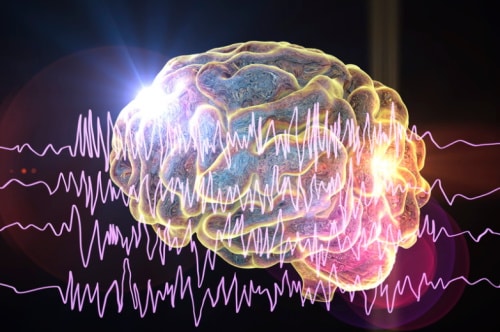
Although we’re discussing the two terms together here, just because someone has a seizure, it doesn’t necessarily mean that they have epilepsy. The immediate cause of any epileptic seizure is a sudden wave of electrical activity in the brain. Non-epileptic seizures, sometimes called pseudo-seizures, are more varied in origin but have been connected with psychological stress, injury or illness. While not all seizures are epileptic, all seizures need to be treated with first aid.
What Are Early Warning Signs Of A Seizure?
Some people with epilepsy can tell when a seizure is coming on. They may experience what’s called an ‘aura’ that can include phenomena like:
- Déjà vu
- A feeling of detachment
- Strange smells or tastes, hearing noises or speech, seeing things or experiencing blurriness or loss of vision
- Sudden overpowering emotions
- Nausea
- Headaches
- Numbness
How Do You Stop A Seizure From Happening?
Unfortunately, there is no way of stopping a seizure once it’s begun – it simply needs to run its course. This can be unsettling for people present, but it’s important to remain calm.
Fortunately, for most epileptics, seizures can be successfully controlled long-term with medication – meaning seizures are far less likely to occur. In addition, there are a growing number of surgical interventions that have shown some success with treating epilepsy with minimal invasiveness, including techniques for destroying the small part of the brain responsible for seizures with lasers.
Some people have also identified triggers that increase their risk of experiencing seizures, which they can then avoid. Epilepsy, where seizures are induced by very specific triggers, is known as ‘reflex epilepsy. Some of the most common triggers for seizures include particular times of the day, flashing lights, alcohol and drugs, lack of sleep, excessive stress, menstruation, poor nutrition, and dehydration.
How To Give Someone With Epilepsy First Aid?
Not all seizures involve the kind of convulsions that are usually associated with epilepsy in the public imagination – these are normally part of what’s called a tonic-clonic seizure. Some seizures, like focal impaired awareness seizures or absence seizures, may just cause the person experiencing them to appear confused, or to be behaving strangely. Epilepsy first aid for absence seizures
Absence seizures are common in children and are indicated by staring into space, suddenly becoming still without collapsing, fluttering eyelids, smacking lips, chewing motions and small hand movements.
It’s rare for someone having an absence seizure to injure themselves during the experience, and first aid for a person you suspect is having one of these seizures is simple:
- Remove the person from any dangerous environments
- Take potentially dangerous objects out of their hands
Epilepsy First Aid For Focal Impaired Awareness Seizures
Focal impaired awareness seizures (also known as partial seizures) are similar to absence seizures in that they don’t involve convulsions. Possible indications that someone is experiencing a focal impaired awareness seizure include automatic behaviours like rubbing hands and chewing. They may also show confusion, and appear unable to fully respond, even though they are not actually unconscious.
First aid for people with these symptoms is similar to that for people with absence seizures:
- Keep them away from dangerous situations
- Do not restrain them unless you have to, but stay near them during any erratic behaviour
- Speak to them quietly and gently to reassure them
Epilepsy First Aid For Tonic-clonic Seizures
For the kind of seizures we usually associate with epilepsy, those that involve convulsions and jerking of muscles, first aid treatment is a little more involved. Signs of this kind of seizure include: the aforementioned stiffened convulsive movements, falling to the floor, crying out, shallow breath, pale or blue lips and skin, foaming at the mouth and losing consciousness. Seeing a convulsive seizure can indeed be disturbing, but you can take control of the situation and help to ensure the safety of the person suffering a seizure by taking the following steps:
Follow the DRSABCD sequence
- Protect the person from hard objects they might bump into, moving furniture if necessary
- Protect their head and shoulders by placing a cushion or other soft object under them
- Make sure the person’s airway is clear
- If you know the person to have a pre-existing plan for managing their seizures, follow it
- Make a mental note of how long the seizure lasted
- DON’T:
- Put a spoon or any other object in the person’s mouth
- Restrain the person unless it’s completely necessary
- Try to move the person – again, unless you absolutely have to for safety
Once the seizure appears to be over, put the person in the recovery position. Check once more that their airway is clear. If there are any injuries, now that your attention is no longer occupied with the seizure itself, you can manage those appropriately to the extent you can, and seek further medical help. If the person goes to sleep, that’s okay – just keep an eye on their breathing.
When To Call An Ambulance After A Seizure?
You don’t usually have to call an ambulance after someone has a seizure if they’re known to have epilepsy. Most epileptics will regain their bearings quickly after some rest. However, there are some circumstances when you really do need to call Triple Zero (000):
- When the person has diabetes
- When they are pregnant
- If they aren’t already diagnosed with epilepsy
- If they rapidly have another seizure after the first
- If they are injured
- If they are still unconscious (and have not just fallen asleep) after the seizure is over
- If the seizure happened in water
- If you’re not sure of any of the above
Conclusion
Seeing someone experience a seizure can be confronting, even if you already know the person has epilepsy. As with most things in life, knowledge can help to mitigate some of our natural fear. The best preparation to help someone having a seizure (of any kind), is to learn proper epilepsy first aid by getting accredited first aid training.