



Sharon has 21+ years of experience as a qualified Emergency Care Nurse registered with the Australian Health Practitioner Regulation Agency (APHRA) and 12+ years as a First Aid Trainer.
She takes pride in FirstAidPro making first aid training available, comprehensive and affordable to everybody.
What Are Shin Splints?
If you’re an athlete or engage in repetitive activities, you must know the risk of repetitive strain sports injuries. Shin splints are just one example of these injuries, but there are many others to watch out for. Taking a first aid course can help you learn how to recognise and treat these injuries and prevent them from occurring in the first place.
Medial Tibial Stress Syndrome MTSS
Medial Tibial Stress Syndrome (MTSS), also known as “shin splints,” is a common overuse injury of the leg that causes pain along the shinbone or tibia. This condition usually affects athletes who engage in high-impact activities such as running, dancing, or jumping. MTSS is caused by repetitive stress on the shinbone and surrounding tissues, leading to inflammation and pain. Symptoms of Shin splints include tenderness, mild swelling, and pain along the inner part of the shinbone. Treatment typically involves rest, ice, anti-inflammatory medications, and stretching and strengthening exercises to prevent further injury. Proper footwear and avoiding overexertion can also help prevent Medial Tibial Stress Syndrome (MTSS).
Anterior Tibialis Shin Splints
Anterior tibialis shin splints specifically refer to pain and inflammation in the anterior tibialis muscle, which runs along the front of the shinbone. This muscle is responsible for dorsiflexion, or lifting the foot upwards. Anterior tibialis shin splints may be caused by overuse, poor biomechanics, or muscle imbalances.
Can A Chiropractor Help With Shin Splints?
While chiropractors specialise in treating conditions related to the musculoskeletal system, including the spine, joints, and muscles, there is limited evidence to suggest that they can effectively treat MTSS.
Shin splints are typically caused by overuse or repetitive stress on the lower leg, resulting in inflammation and shinbone pain Treatment for shin splints typically involves rest, ice, compression, elevation, and exercises to improve strength and flexibility in the affected area.
While a chiropractor may relieve the pain associated with shin splints, it is unlikely that they will be able to address the condition’s underlying cause. It may be more beneficial to seek treatment from a medical doctor or physical therapist who can provide a more comprehensive approach to treating shin splints.
Shin Splints Diagnosed
If you suspect you have medial tibial stress syndrome (MTSS), seeing a healthcare professional for an accurate diagnosis is important. A doctor or physical therapist can evaluate your symptoms and medical history and perform a physical exam to assess the affected area. They may also order imaging tests, such as X-rays or MRI scans, to rule out other conditions that can cause similar symptoms.
Once you diagnose shin splints, treatment typically involves rest, ice, compression, elevation (RICE therapy), and anti-inflammatory medication to reduce pain and swelling. Physical therapy exercises to stretch and strengthen the muscles in the leg can also help prevent future episodes of shin splints. In some cases, custom orthotics or changes in footwear may be recommended to provide better support and reduce stress on the shinbone.
Athletes With Shin Splints
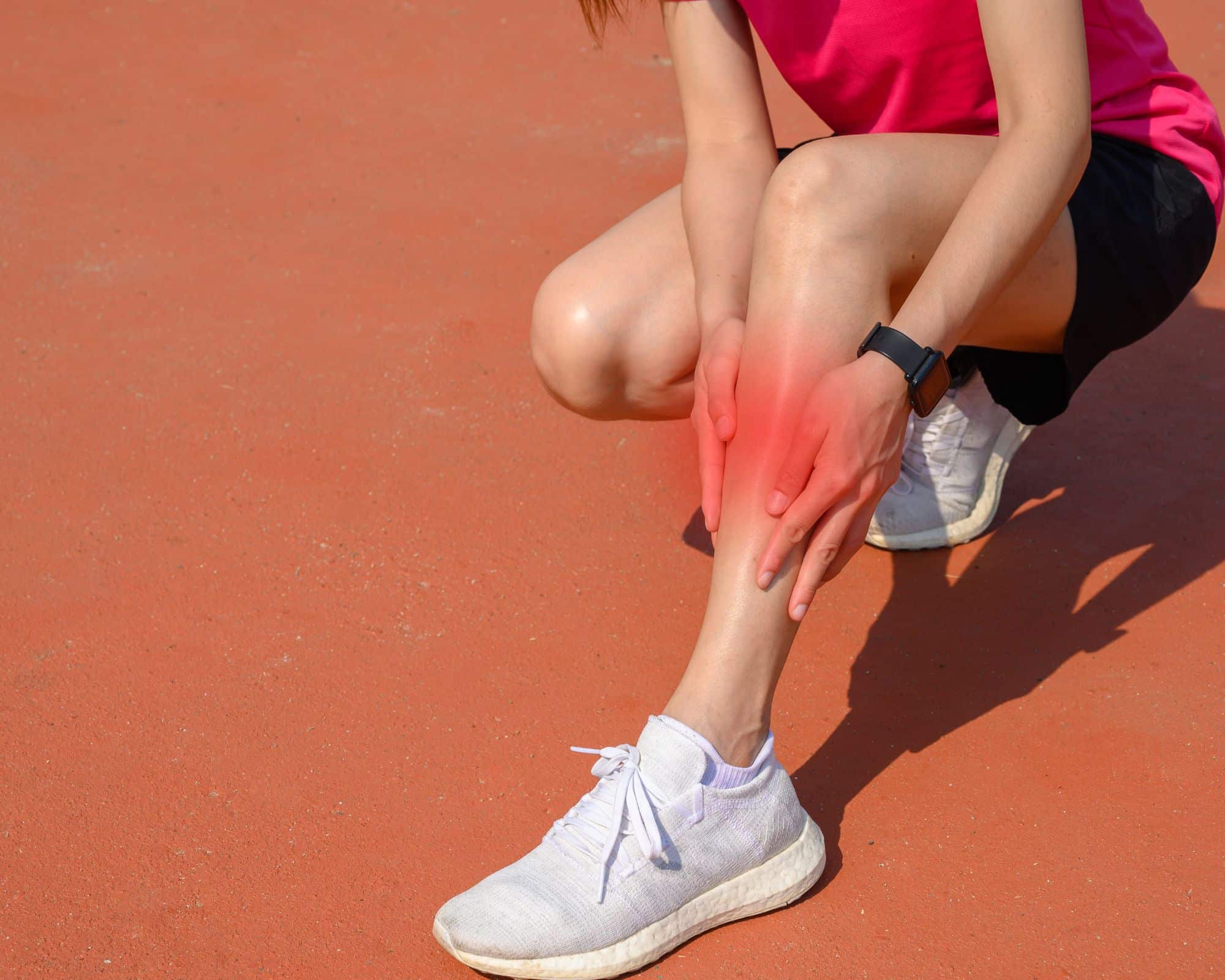
Athletes who develop shin splints may experience a disruption in their training or competition schedule, affecting their overall performance. Athletes need to seek medical attention as soon as they experience symptoms of shin splints, to prevent further injury and develop an effective treatment plan.
Rest, ice, and elevation may be recommended to reduce inflammation and pain, and athletes may need to modify their training routine to avoid activities that exacerbate their symptoms.
Shin Splint Exercises PDF
By following this link, you can access the Sports Medicine Shin Splint PDF
Shin Splint Support
Support is essential to treating and managing this common lower leg injury. Wearing supportive shoes, compression sleeves or socks, custom orthotics, shock absorbing insoles, and other support devices can help alleviate shin pain and inflammation, reduce stress on the shins, and prevent further injury. Choosing shoes with good cushioning and support can help absorb shock and reduce the impact of high-impact activities on the leg.
Shin Splints Compression
Compression sleeves or socks provide targeted compression to the affected area, reducing inflammation and leg pain. Custom orthotics or shoe inserts can correct any underlying issues with foot mechanics that may contribute to developing shin splints. It is essential to seek medical advice from a healthcare professional to determine the appropriate type of support based on the severity of the injury and individual needs. While MTSS support can help alleviate symptoms, it should be used with rest, rehabilitation, and appropriate exercises to prevent future injury.
Shin Splint Brace
A brace is another form of support that can alleviate leg pain and prevent further injury to the leg. These braces typically wrap around the lower leg and provide compression and support to the muscles and shinbone. They can also help reduce vibration and impact during physical activity, which can further aggravate the injury.
Shin splint braces are available in different styles and materials, including neoprene, elastic, and foam. Some braces may also have additional features such as gel pads, adjustable straps, and breathable materials. Choosing a brace that fits properly and provides adequate support without restricting movement or causing discomfort is essential.
Shin Splints Treated
Medial tibial stress syndrome is a common overuse injury that affects athletes and runners. The injury is caused by repetitive activity stress on the shinbone, leading to inflammation and pain. Several treatment options are available to manage this sports related injury, including massage therapy, ice packs, RockTape, and orthotics.
Shin Splints Massage
One effective way to treat shin splints is through massage therapy. Massage can help reduce muscle tension and inflammation in the affected area, promoting healing and reducing pain. A qualified massage therapist can use deep tissue massage and trigger point therapy to target specific lower leg areas and reduce muscle tension. Massage can also help improve circulation, which can help reduce inflammation and promote healing.
Ice Packs For Shin Splints
Ice packs are another common treatment for MTSS. Applying an ice pack to the affected area for 15-20 minutes can help reduce inflammation and pain. Ice packs constrict blood vessels, which can help reduce swelling and promote healing. Wrapping the ice pack in a towel or cloth is important to prevent direct contact with the skin, which can cause skin damage.
Rocktape For Shin Splints
RockTape is a type of kinesiology tape that can support and stabilise the muscles and joints in the lower leg. Applying RockTape to the affected area can help reduce pain and inflammation by supporting the muscles and allowing for better blood flow. RockTape can also help reduce muscle and tendons tension, which can help prevent further injury such as a stress fracture.
Orthotics For Shin Splints
Orthotics are another treatment option for MTS. Custom orthotics can help correct any underlying issues with foot mechanics. Orthotics can also provide additional support and cushioning to the feet and ankles, reducing stress on the shins during physical activity.
Shin Splints Physio
Physiotherapy involves using stretches, an exercise routine and other physical therapies to reduce pain, improve range of motion, and promote healing. A qualified physiotherapist can help identify the underlying causes, such as muscle imbalances or improper gait, and develop a treatment plan that addresses these issues. Physiotherapy can also help improve flexibility and strength in the muscles and tendons of the leg, reducing the risk of further injury.
Podiatrist Shin Splints
Podiatry involves studying and treating foot and ankle conditions like flat feet. A podiatrist can evaluate the mechanics of the foot and ankle and determine if any issues, such as flat feet or overpronation, contribute to the development of shin splints. They may recommend custom orthotics or shoe inserts to correct these issues and reduce stress on the shins during physical activity. A podiatrist can also advise on proper footwear and exercise techniques to help prevent further injury.
Prevent Shin Splints
Preventing shin splints is essential for athletes and runners who engage in repetitive impact activities such as running or jumping. Some ways to prevent shin splints include gradually increasing the intensity and duration of physical activity, wearing proper footwear with adequate cushioning and support, using orthotics if necessary, maintaining healthy body weight, and engaging in cross-training activities to avoid overuse of the lower leg muscles.
It is also essential to listen to your body, take breaks when you experience pain or discomfort, and seek medical advice if you experience persistent or severe symptoms. These preventive measures can reduce the risk of getting MTSS and maintain a healthy and active lifestyle.
Shin splints often cause pain and discomfort along the shinbone. They often occur in athletes or individuals who engage in repetitive activities like running or jumping. While shin splints can be painful, they are typically not serious and can be treated with rest, ice, and stretching. However, it’s essential to differentiate between shin splints and more severe injuries like stress fractures, which require medical attention. If you’re experiencing persistent shin splint pain, it’s always best to seek advice from a medical professional. For more information on first aid for sports injuries, including spinal injuries, check out Spinal injury: First aid here.