




Sharon has 21+ years of experience as a qualified Emergency Care Nurse registered with the Australian Health Practitioner Regulation Agency (APHRA) and 12+ years as a First Aid Trainer.
She takes pride in FirstAidPro making first aid training available, comprehensive and affordable to everybody.
First Aid in the Workplace
In every workplace, it is imperative to have provisions for first aid, including necessary equipment, facilities, and, in certain cases, individuals who are trained in administering first aid. This ensures a safe environment for employees and visitors alike. First aid encompasses the immediate care and treatment provided to an individual who is suffering from an injury or illness.
It serves as a crucial bridge until more advanced medical care is accessible or until the person in question recovers. The primary objectives of first aid are manifold: to preserve life, mitigate the progression of illness or injury, alleviate pain whenever feasible, facilitate recovery and safeguard the unconscious.
This vital intervention has the potential to significantly diminish the severity of an injury or illness. In the most critical circumstances, it can make the pivotal difference between life and death.
The Responsibility of Businesses or PCBUs
Every workplace bears a legal obligation to ensure that ample provisions for first aid are in place.
The term ‘person conducting a business or undertaking’ (PCBU) encompasses a wide range of modern working arrangements, which collectively refer to businesses in common parlance. If you fall under the category of a PCBU at a workplace, you are required to:
Ensuring adequate first aid equipment for the workplace.
Guarantee that each worker within the premises has ready access to the designated first aid equipment.
Ensure the availability of facilities (like a first aid room) for the administration of first aid.
Have a sufficient number of workers who have undergone first aid training, or provide access to individuals who possess the requisite first aid training.
In cases where multiple businesses are engaged in the same activities or share a workplace, first aiders and first aid rooms and/or first aid facilities may be shared resources.
Additionally, the PCBU is encouraged to engage in dialogue with workers regarding qualifications in first aid and the appropriate first aid equipment and facilities needed to administer first aid at the workplace. Furthermore, workers should be informed about the availability of first aid kit supplies and equipment. This proactive approach promotes a safer and more prepared work environment for all individuals involved.
Legal Aspects – Duty of Care
In an emergency situation, there is no inherent legal obligation to render aid to an ill or injured person unless a “Duty of Care” has been previously established. This Duty of Care signifies the legal responsibility that one individual or organisation has towards another. For instance, if you hold the role of a first aider in your workplace, you automatically assume a Duty of Care towards your co-workers.
Additionally, all adults are entrusted with a “duty of reasonable care” when it comes to young individuals in the absence of their parents or legal guardians. In cases where no Duty of Care is owed, and you provide first aid assistance, you are classified as a “Good Samaritan.” It is essential for first aiders to understand that they should not hesitate to provide assistance out of fear of potential litigation. The aim must be to prioritise the well-being of the individual in need.
Good Samaritan Protections Across Australian States & Territories
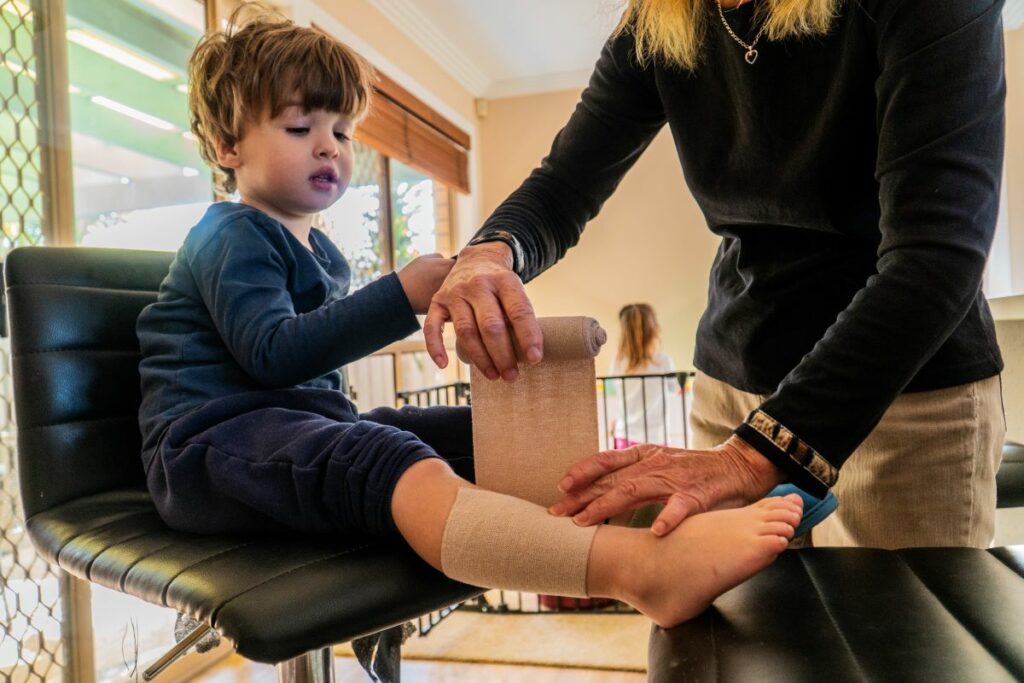
Imagine you’re strolling home, and suddenly, you witness someone on the opposite side of the street stumble over a raised footpath, falling with impact. This individual remains on the ground, and there’s no one else in sight. Without a second thought, you quickly make your way over to check on their well-being and offer any assistance you can.
For most individuals, this immediate response stems from a natural inclination to help other persons or those in distress during an emergency.
Across various states and territories in Australia, there exist provisions for Good Samaritan protection. In broad terms, these protections come into play when care is administered with genuine intent, and the individual acting as the “Good Samaritan” is not under the influence of drugs or alcohol. However, it’s important to note that nuances exist between states. For example, in New South Wales, these protections may not apply if the “Good Samaritan” is deemed to be the source of the issue. On the other hand, in Victoria, the protections generally apply without exception as long as the assistance is provided in good faith.
Responsibilities of a ‘Duty of Care’ First Aider
When you take on the role of someone administering first aid treatment, you become the person entrusted with the safety of all those involved in an accident. It’s crucial to understand and adhere to the duties and guidelines that come with this responsibility.
Below, we outline seven key responsibilities:
Promptly Assess the Situation: A proficient first aider ensures they have a comprehensive understanding of the situation by conducting a prompt evaluation. This involves identifying any immediate risks, discerning the cause of the emergency and determining how many individuals are affected.
Maintain Composure, Provide Reassurance & Take Control:
In emergencies, a composed and compassionate response from a first aid officer is paramount. This not only fosters trust and confidence in the casualty but also reassures those around you. Your calm demeanour is essential for both aiding the casualty and obtaining vital information from them.Ensure Safety for All, Including Yourself & Bystanders
Safeguarding everyone, including yourself and bystanders, is paramount. Never jeopardise your own safety, as being incapacitated would hinder your ability to help others. Only relocate the casualty if leaving them in their current position poses a greater risk.
If you’re unable to secure the scene, immediately call 000 for emergency assistance.Facilitate Appropriate Assistance: If you suspect a serious injury or illness, don’t hesitate to dial emergency services on Triple Zero (000) and follow their instructions. Emergency services will decide if the casualty is to be taken to the nearest hospital, where they can receive expert care from a healthcare professional or access a higher level of medical attention.
Prevent Infection: Minimise the risk of cross-contamination between yourself and the casualty. Utilise disposable gloves or wash your hands promptly after any interaction. Additionally, take care to avoid coughing or sneezing while applying first aid treatment to prevent potential contamination.
Thoroughly Assess the Casualty: Endeavor to identify the nature of the injury or illness affecting the casualty or casualties. Provide initial treatment, prioritising those with the most severe (potentially life-threatening) conditions.
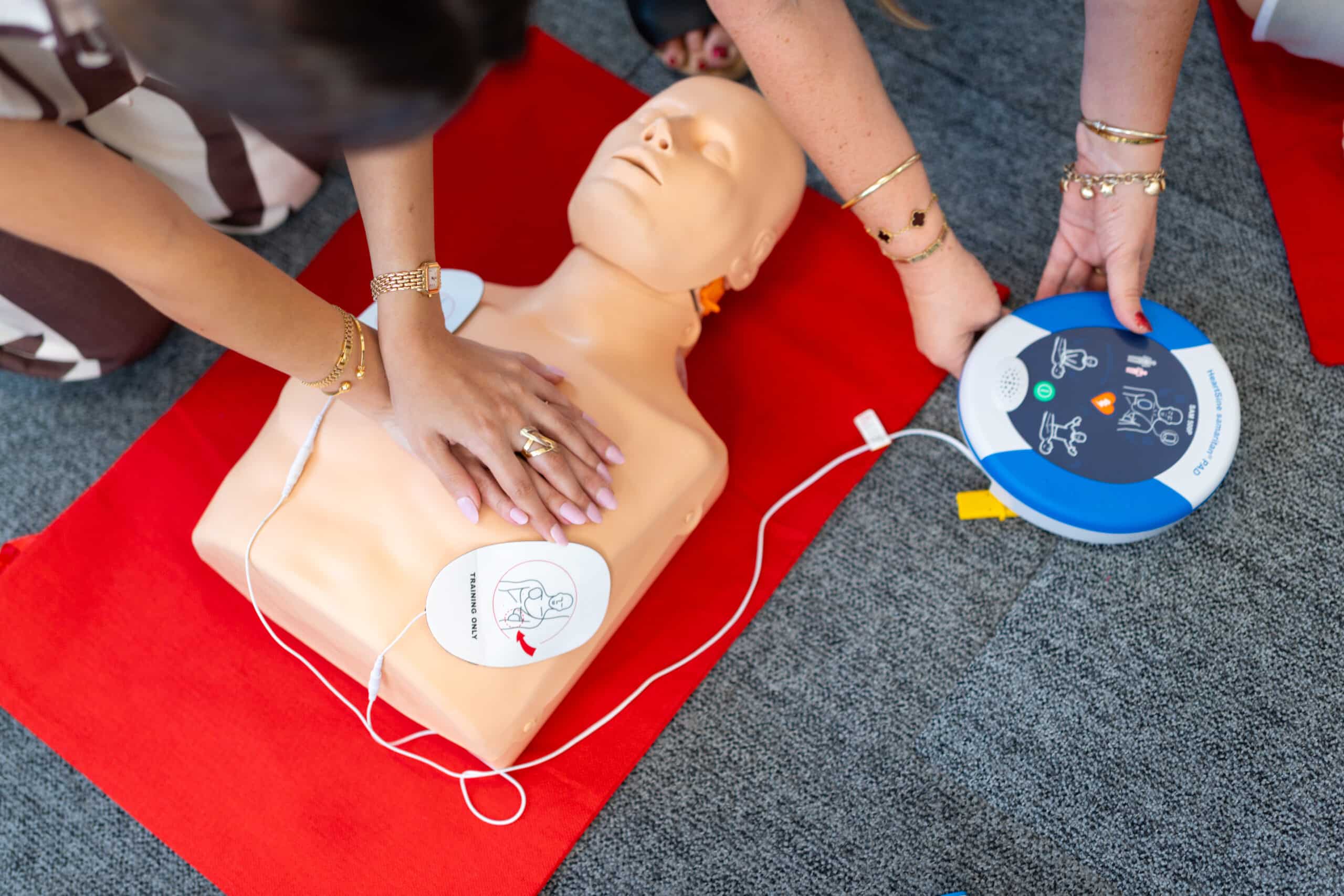
Administer First Aid Treatment: Until professional medical help arrives, it’s your responsibility to provide all necessary care for the casualty. This may involve performing CPR in cases of airway obstruction and employing an AED for instances of shock or other heart-related emergencies.

Assessing To Ensure Adequate First Aid Provisions
In fulfilling your role as a PCBU, it is crucial to engage in consultations with your workforce when discerning your first aid needs.
This duty to seek input is grounded in the understanding that involving workers in these discussions enhances the decision-making process concerning health and safety issues.
The Work Health and Safety (WHS) legislation stipulates that a PCBU, when making determinations about their first aid qualifications and prerequisites, must take into account:
The nature of the tasks being carried out within the workplace.
The specific hazards present within the workplace.
The overall size and layout of the workplace.
The composition and variety of workers and other individuals present at the workplace.
Tailoring your first aid provisions to meet the unique demands of your workplace and its personnel is of paramount importance.
For instance, in environments like factories where workers contend with an array of hazards, such as machinery without proper guarding, biological and chemical substances, extreme temperatures, elevated working spaces, and electrical risks, the likelihood of immediate first aid intervention being required is notably higher.
Risk Assessment
What Is Risk Assessment in First Aid?
Essentially, a risk assessment serves as a vital tool in determining the specific first aid requirements of an injured or ill person. This encompasses everything from essential equipment and facilities to the level of training needed. It’s important to recognize that your particular needs may be distinct, tailored to the nature of your work and the characteristics of your workplace, including potential hazards and its overall size.
Who Holds the Responsibility for Conducting Risk Assessments?
This duty falls upon the employer or, in cases of self-employment, the individual themselves. It is incumbent upon them to personally undertake the risk assessment in their workplace, or alternatively, to designate a qualified individual possessing the requisite knowledge, experience and expertise to perform this crucial task. This process ensures a comprehensive understanding of potential risks and hazards, allowing for the establishment of effective safety measures.
Access to Trained First Aiders
If you are a PCBU, it’s imperative that you provide your employees have uninterrupted access to other first aid equipment and resources, which encompasses both first aid kits and facilities, as well as trained first aiders. This access should be seamless, extending to night shifts, overtime hours and instances when work is conducted beyond the confines of the typical workplace setting as may be necessary for your business. This ensures that the well-being and safety of your workforce are consistently prioritised.
Appropriate Qualifications for First Aiders
When it comes to first aiders, they can either be individuals from within your workforce or individuals who have received formal training. To ensure their effectiveness, your chosen first aiders should meet the following criteria:
Possess a nationally recognised statement of attainment issued by a registered training organisation.
Engage in regular training sessions to keep their knowledge and skills up to date.
In some situations, specialised training may be required, particularly when:
Work is conducted in remote or isolated locations.
There are potential risks associated with hazardous substances like cyanide or arsenic.
Specialised first aid equipment or a designated first aid room is necessary.
Children are present in the workplace.
Psychological risks have been identified.
Workers have pre-existing medical conditions that may necessitate specific first aid protocols.
To ensure the accessibility of first aid assistance, it’s vital to make sure there are an adequate number of qualified first aiders for your workforce, and that they are easily identifiable. This can be achieved through measures such as:
Outfitting them with high-visibility vests of a distinct colour.
Displaying a contact number for first aid assistance prominently.
The appropriate ratio of first aiders to workers should be maintained:
One first aider for every 50 workers in low-risk workplaces (e.g., office settings).
One first aider for every 25 workers in high-risk workplaces (e.g., construction sites).
One first aider for every 10 workers in remote high-risk workplaces (e.g., mining operations).
Responsibilities of a ‘Mental Health’ First Aider
Mental health first aid doesn’t always involve a first aid kit, often it simply involves extending a helping hand to someone who may be grappling with the onset of a mental health challenge, facing a deterioration in their mental well-being, or navigating a full-blown mental health crisis. This initial assistance is invaluable and can be extended until the individual receives the appropriate professional care or until the crisis is successfully resolved.
While offering a listening ear and being supportive can make a significant difference, it is also vital mental Health first aiders obtain comprehensive training through a nationally recognized Mental Health Certificate.
First Aid Kits
In your workplace, it’s essential to have at least one fully stocked first aid kit. If your workspace is extensive, consider placing additional first aid kits strategically to ensure prompt accessibility when needed. Regular maintenance and checks are crucial to ensure these first aid kits and other first aid equipment can be relied upon at a moment’s notice.
Ensure your first aid kit is located:
In a spot visible and readily accessible to all workers.
Where there is an elevated potential for injuries or illnesses.
Inside work vehicles if employees undertake travel as part of their job.
When assembling your first aid kit, let your risk assessment guide you in determining the necessary supplies. At a minimum, it should encompass the essentials for administering basic first aid. Tailor the contents to align with the specific hazards of your workplace. For instance, if you work in an environment with hot surfaces or fire risks, be sure to include burn treatments.
For a detailed reference, the Model Code of Practice: First Aid in the Workplace offers an exemplary checklist of what should be incorporated into a standard first aid kit.
Empowering Workplaces through Accredited First Aid and Mental Health Training
Nationally accredited, first aid courses and mental health first aid training stand as pivotal investments in workplace safety, with far-reaching impacts.
Beyond the immediate benefits of adept emergency response, this training cultivates a culture of compassion and support that can save lives in critical situations. Moreover, it significantly enhances productivity by reducing downtime due to accidents and illnesses.
In the long run, this proactive approach not only to safety legislation preserves lives but also safeguards the financial health of both individuals and the organisation as a whole.