



Sharon has 21+ years of experience as a qualified Emergency Care Nurse registered with the Australian Health Practitioner Regulation Agency (APHRA) and 12+ years as a First Aid Trainer.
She takes pride in FirstAidPro making first aid training available, comprehensive and affordable to everybody.
In the Australian summer, having a swim in the ocean, pools, lakes, ponds, creeks or even dams can bring relief from the heat while also being a great form of exercise for people of all ages. However, between December 1st 2022 and February 28th 2023 Royal Life Saving Australia report that 90 people lost their lives due to drowning.
It is important to be aware of the signs of drowning. If your companion suddenly becomes silent or seems to be peacefully resting on the water, it could indicate that they are in danger of drowning. Contrary to what we often see in movies or on television, individuals who are drowning may not be able to call out or scream for assistance. They might appear serene and at ease, effortlessly floating on the water’s surface.
To prevent further health complications associated with drowning or to prevent an incidence of fatal drowning, upon observation of the initial incident or as soon as the casualty shows signs of drowning, you should seek emergency help and start cpr. While you can learn CPR online, this method of learning is limited and may not be best way to learn how to help drowning people, as many training organisations lack face-to-face and hands-on learning. Anyone can learn cardiopulmonary resuscitation through online instruction, but attending a practical learning session can be a better resource for learning how to put someone in the recovery position. Taking a course with a Registered Training Organisation for first aid training certification can ensure you’re ready to act in an emergency.
Warning Signs of Drowning
One of the key signs of drowning is the absence of noise – or lack thereof. Contrary to popular belief, drowning victims are often unable to call for help or wave their arms frantically, they’re usually focused on trying to breathe and stay afloat, leaving them with little energy to make any noticeable sounds or movements. Their mouths might also be at water level, making it impossible for them to shout or cry out. Therefore, it is crucial to pay attention to the silence and observe for any signs of distress or struggle.
Apart from the absence of noise, several physical and behavioural cues can indicate someone is drowning. These signs may vary depending on the individual and the circumstances, but it is important to be vigilant and look out for any potential indicators. Some common physical signs include a vertical position in the water, with the head tilted back and the mouth at water level. The person may also appear to be gasping for air or hyperventilating, as they desperately try to breathe.
Behavioural cues can also provide valuable insights into a potential drowning situation. A person who is drowning may exhibit a glassy or unfocused look in their eyes, as their body and mind are solely focused on survival. They may also be unable to kick their legs or move their arms effectively, as their energy is directed towards keeping their head above water. Additionally, individuals in distress may appear to be climbing an invisible ladder, as they instinctively try to lift themselves out of the water.
The Diving Reflex
The phenomenon known as the Cold-Water Immersion Reflex or, more simply, the Diving Reflex, is an is a fascinating physiological response that occurs when our body is exposed to cold water. This reflex is most commonly observed in mammals, including humans, and it serves as a protective mechanism to help us survive in extreme conditions. It also has a significant influence on drowning incidents. This reflex is triggered when a person’s body is suddenly exposed to cold water, causing an automatic response that can be both beneficial and detrimental. When the body senses the cold water, it initiates a series of physiological changes to protect itself. Blood vessels in the skin constrict, redirecting blood flow to vital organs like the heart and brain. This helps to maintain core body temperature and ensures that these essential organs receive an adequate supply of oxygen and nutrients.
2. However, the Cold-Water Immersion Reflex can also have negative consequences when it comes to drowning. The sudden immersion in cold water can cause an involuntary gasp reflex, leading to the inhalation of water. This can be extremely dangerous, as even a small amount of water in the lungs can impair breathing and lead to drowning. Additionally, the constriction of blood vessels in the skin can make it more difficult for a person to swim or stay afloat, increasing the risk of exhaustion and ultimately drowning. It is important to be aware of the impact of the Cold-Water Immersion Reflex when engaging in water activities, as understanding its effects can help prevent tragic accidents and save lives.
Time Limits for a Drowning Person
The duration of an underwater stay can differ based on various factors. Generally, a person can survive underwater for anywhere between one to three minutes. However, in exceptional cases and with optimal conditions, individuals have been successfully resuscitated after being submerged for up to 65 minutes. The length of time a person can stay underwater is influenced by multiple variables. Typically, a human can only survive for a few minutes before requiring air. Nevertheless, in rare instances and with the right conditions, individuals have been revived after being submerged for over an hour.
Long-Term Effects of Drowning Symptoms
The long-term consequences of drowning can be severe and life-altering. Drowning is a serious medical emergency that can lead to a range of symptoms, including difficulty breathing, coughing, chest pain and confusion. Even if a person survives a drowning incident, they may still experience long-term effects that can impact their quality of life.
Some of the long-term effects of drowning may include brain damage, memory loss and even learning difficulties. In some cases, a person may develop post-traumatic stress disorder (PTSD) or other mental health conditions because of their near-drowning experience.
Drowning can also cause damage to the lungs, heart and other vital organs, which can lead to chronic health problems later in life. It is important to seek medical attention immediately if you or someone you know experiences any symptoms of drowning, as prompt treatment can help minimise the risk of long-term complications.
Chest Compressions & Rescue Breaths
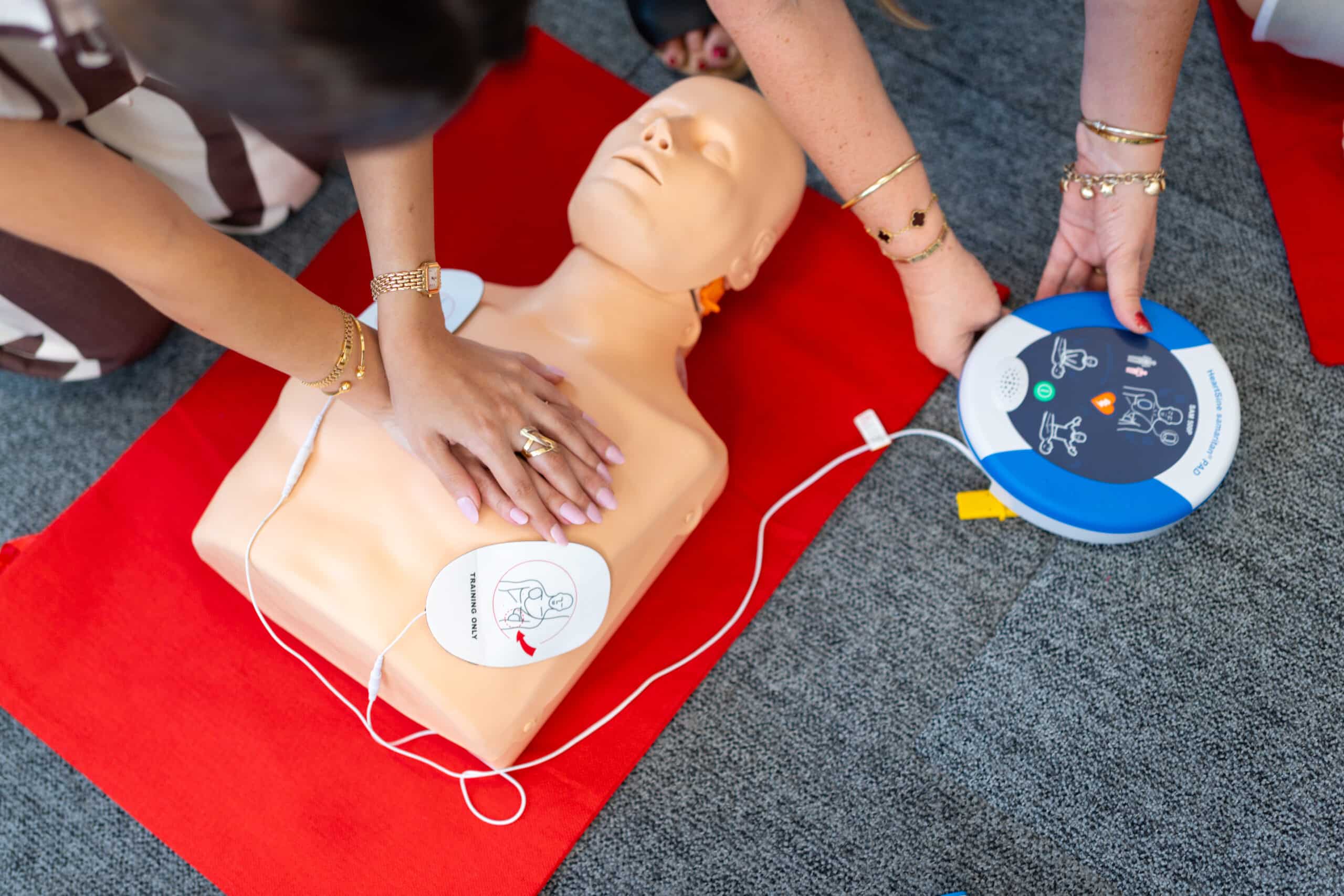
Cardiopulmonary Resuscitations (CPR) involves chest compressions and rescue breaths, which manually supplements the continued supply of oxygen throughout the body for someone who is experiencing cardiac arrest or who has stopped breathing.
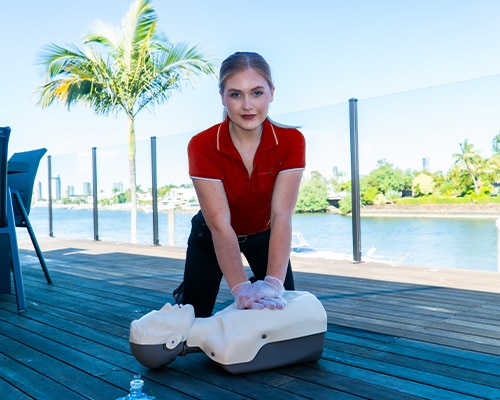
Chest compressions are performed by placing the heel of the hand on the centre of the person’s chest and interlocking the fingers, pushing down firmly and quickly to a depth of about 5cm at a rate of 100-120 compressions per minute or, more simply, to the beat of the song Stayin’ Alive by The Bee Gees.
Rescue breaths provide oxygen to the person’s lungs by the process of tilting the person’s head back, lifting their chin, pinching their nose shut and creating a seal over their mouth with the rescuer’s own mouth before steadily blowing air until the person’s chest visibly rises.
These techniques circulate oxygenated blood to vital organs like the brain, supporting breathing until further medical assistance arrives to take over. Learning how to do CPR through a lifesaving CPR course can be of massive benefit too.
Final Thoughts
It is crucial to remember that drowning can happen quickly and quietly, so staying vigilant and educated about the indicators of drowning is essential for ensuring the safety of ourselves and others in aquatic environments.
It’s important to know the signs of drowning and how to perform CPR in emergencies. Drowning victims may not make noise or movements and may appear calm on the water’s surface, physical signs include a vertical position in the water, gasping for air and hyperventilating. Behavioural cues include a glassy or unfocused look in the eyes, an inability to move effectively or appearing to climb an invisible ladder. Drowning can cause brain damage, memory loss, learning difficulties and even long-term mental health conditions.
By being aware of these warning signs, we can be better equipped to recognise and respond to drowning incidents promptly.