



Sharon has 21+ years of experience as a qualified Emergency Care Nurse registered with the Australian Health Practitioner Regulation Agency (APHRA) and 12+ years as a First Aid Trainer.
She takes pride in FirstAidPro making first aid training available, comprehensive and affordable to everybody.
Women have factors for stroke that differ from those of men and, because of this, their stroke symptoms can often present differently. Due to their internalised tendency to downplay symptoms of stroke, women tend to be more inclined to wait and visit their General Practitioner or even drive themselves to the hospital rather than calling emergency services for an ambulance.
Time is crucial when it comes to a stroke, down to the very minute, as in a when stroke occurs the brain is starved of oxygen due to a blood clot or a burst blood vessel. Under these precarious circumstances delays in receiving stroke first aid can heighten the chances of long-lasting brain impairment or even death.
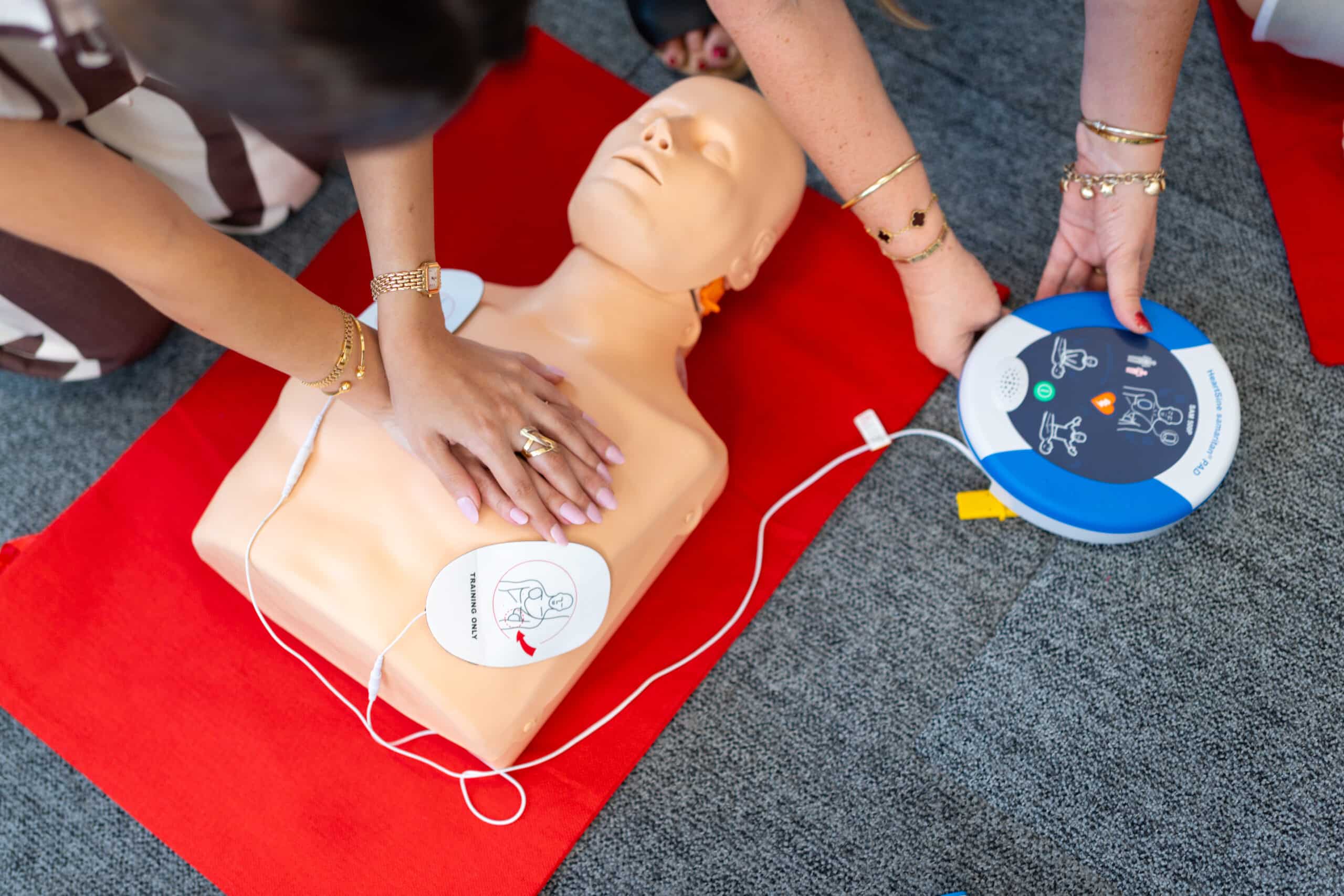
Obtaining a nationally recognised first aid certificate from a Registered Training Provider (RTO) is a great way to ensure you’re equipped to recognise and act if someone you know is showing signs of a stroke. Just as they can teach you how to address stroke symptoms, and stroke treatments, they can also provide a CPR course.
Stroke Risk Factors
Women have their own unique risk factors for stroke, one of the leading causes being the use of birth control pills. These pills contain hormones that can increase the chances of blood clotting, which can then lead to a stroke. It is important for women who are considering or currently on birth control to be aware of this potential risk.
Another factor that can contribute to higher lifetime risk of stroke in women is hormone replacement therapy (HRT). This therapy is often used to alleviate symptoms of menopause, such as hot flashes and mood swings. However, HRT involves taking hormones that can, under specific circumstances like beginning HRT over the age of 60, being overweight and other underlying factors, increase risk of a person’s blood clotting. A different method of HRT administration, such as a patch or a gel, can lower this risk of blood clots even further. Women who are considering or undergoing HRT should have a thorough discussion with their doctor about their risk factors and concerns.
It is crucial to monitor and manage any factors for risk of stroke, such as high blood pressure or smoking, especially when using birth control pills or HRT. As women age, their risk of stroke increases so it’s crucial for women, regardless of the cause or factors, to inform their general practitioner about any history of stroke they may have had.
Regardless of the underlying cause or factors, it is essential for women to inform their General Practitioner about any previous instances of stroke they have encountered. Seeking medical assistance and discussing these concerns with a healthcare professional is vital for the proper diagnosis, prevention and management of strokes in women specifically.
F.A.S.T. Stroke Symptoms
The F.A.S.T. acronym plays a crucial role in stroke awareness and education. By understanding and memorising this acronym, individuals can quickly identify the warning sign first symptoms of a stroke and take immediate action.
- Face drooping is often one of the first noticeable signs of a stroke. If, when the patient is asked to smile, one side of the face droops or feels numb, it indicates that there may be a blockage or bleeding in the brain. Recognising this symptom allows for prompt medical intervention, which can potentially save a person’s life or prevent long-term disability.
- Arm weakness is another key indicator of a stroke. If one arm is weak or numb and cannot be lifted, it suggests that the brain’s blood supply is compromised. A loss of coordination or difficulty gripping objects often accompanies this symptom. By recognising arm weakness, individuals can quickly seek medical help and potentially receive time-sensitive treatments such as clot-busting medications or surgical interventions.
- Speech difficulty is a common symptom experienced by stroke patients. Slurred speech or difficulty speaking clearly can be a result of impaired blood flow to the brain’s language centres. This symptom is often accompanied by confusion, difficulty understanding others, or trouble finding the right words. Identifying speech difficulty allows for immediate medical attention, as prompt treatment can help minimise brain damage and improve the chances of recovery.
- The final component of the F.A.S.T. acronym is Time to call 000. Time is of the essence when it comes to stroke treatment. The longer a stroke goes untreated, the greater the risk of permanent brain damage or even death. By emphasising the importance of calling emergency services immediately, the F.A.S.T. acronym ensures that individuals take swift action and receive the necessary medical care as soon as possible.

Early Treatment
CPR courses and child care first aid are essential training programs that can help individuals respond effectively in the event either an adult or a child shows stroke signs like their eyes trouble walking or speaking. CPR courses teach life-saving techniques such as chest compressions and rescue breathing, while child care first aid provides training on responding to common injuries and illnesses in children.
Individuals should all have a basic understanding of first aid and an awareness of their duty of care as it can make a significant difference in the outcome of an emergency. Employers also need to have a duty of care to provide their employees with the necessary training and resources to respond to emergencies in the workplace.
Women Stroke Symptoms
Women often experience atypical and vague symptoms more frequently. Instead of experiencing weakness on one side of the body, they may initially feel fatigued, confused or generally weak. This can lead to many women disregarding certain symptoms, such as a sudden and unusually severe headache, especially if they are accustomed to getting headaches. They may also dismiss difficulties with walking, feelings of exhaustion, sudden numbness, sudden confusion, mental fogginess or an overall sense of discomfort. Often these symptoms will be attributed to stress or being overworked. Nausea or vomiting is also a common symptom often explained away because of viral illnesses.
It is crucial to pay attention to any sudden symptoms or loss of function that cannot be explained. The key factor here is the sudden onset of these symptoms. It is important not to ignore or dismiss them. Women should be vigilant and seek medical attention if they experience any unexplained changes in their health. Recognising common signs and addressing known cause of these symptoms promptly can be vital in ensuring early detection and appropriate treatment.
How to Prevent Strokes
There are several ways to lower the risk of strokes through a few healthy lifestyle modifications and medication. Adopting a healthy diet can significantly contribute to stroke prevention. It is recommended to consume a balanced diet rich in fruits, vegetables, whole grains and lean proteins while limiting the intake of saturated fats, cholesterol and sodium. Maintaining a healthy weight through regular exercise can also play a crucial role in preventing strokes. Engaging in physical activities such as brisk walking, swimming or cycling for at least 30 minutes a day can help improve cardiovascular health and reduce the risk of stroke.
Another important aspect of stroke prevention is managing underlying health conditions. It is essential to control high blood pressure, as hypertension is a major risk factor for strokes. Regular monitoring of blood pressure levels and taking prescribed medications as directed by a healthcare professional can help keep it within a healthy range.
Similarly, managing diabetes and high cholesterol levels is crucial in stroke prevention. Following a treatment plan, which may include medication, lifestyle changes and regular check-ups, can effectively reduce the risk of strokes associated with these conditions.
Lastly, avoiding detrimental habits like smoking and excessive alcohol consumption are vital steps in stroke prevention. Quitting smoking and limiting alcohol intake can significantly improve overall health and reduce the likelihood of strokes while also reducing the confusion of symptoms. Someone who doesn’t drink who suddenly has trouble speaking and even has their speech slurred may be important warning signs that they are at risk for stroke or a mini-stroke.
Manage High Blood Pressure & Heart Conditions
Taking control of high blood pressure and heart conditions is crucial in both stroke recovery after an incident, transient ischemic attack or silent strokes, reducing the future risk of stroke deaths. By managing these conditions effectively, you can significantly lower the chances of experiencing a stroke. Regularly monitoring your blood pressure is an essential part of this process. By keeping track of your blood pressure levels, you can identify any fluctuations or abnormalities and take appropriate measures to keep them in check. This may involve making lifestyle changes like a healthier diet, engaging in regular physical activity and managing stress levels. Your doctor may also prescribe medications to help regulate your blood pressure and manage your heart condition.
By actively managing these conditions, you can take proactive steps away from a higher risk of health problems and stroke, maintaining your overall health.
Final Thoughts
Women have risk factors for stroke and their symptoms can present differently from men but they tend to downplay their symptoms and may delay seeking medical help for a stroke. To deal with this, obtaining a first aid certificate can help individuals quickly recognise and act when they see warning signs, delivering lifesaving treatments before permanent damage is done to the brain cells.
While the F.A.S.T. acronym (Face droop, Arm drift downward, Speech difficulties, Time to call 000) helps identify stroke symptoms, but warning signs for women specifically can include fatigue, confusion, brain fog, memory problems or sudden severe headaches. It’s important for more women to pay attention to sudden symptoms and seek medical attention promptly.
Lifestyle modifications, like a healthier diet and regular exercise, can help prevent strokes and improve overall well-being and resilience, but managing underlying health conditions like high blood pressure, diabetes and high cholesterol is crucial in stroke prevention. In fact, managing high blood pressure and heart conditions is important in stroke recovery and reducing the risk of stroke in women.