




Sharon has 21+ years of experience as a qualified Emergency Care Nurse registered with the Australian Health Practitioner Regulation Agency (APHRA) and 12+ years as a First Aid Trainer.
She takes pride in FirstAidPro making first aid training available, comprehensive and affordable to everybody.
Helping other people take medication is, for many people, an ordinary part of their everyday lives. Some people look after elderly relatives or loved ones living with disability, others are just parents and teachers helping children who can’t yet help themselves. Whether you realise it or not, medication management is something we all do.
Then there are the doctors and nurses, who perform medication administration as part of their profession. But what makes them different? What separates how healthcare professionals assist others in taking their medication from ordinary people? And how can these ordinary people administer medications safer and more professionally?
What is Medication Administration?
Medication administration is the process where any individual delivers a prescribed medication to any person whom they are authorised to assist in this way. In short, medication administration is any act wherein one person helps another take their medication. It doesn’t matter what the medication is, how it’s taken, or whether the person is a healthcare professional or just an ordinary helping out someone else, if you help another person take medication then that’s medication administration.
Medication can have serious and adverse effects on the human body when administered incorrectly. Not only can it cause illness, or potentially even death, but the person who administered the medication incorrectly is then responsible for whatever happens.
It’s important to get medication administration right. This is why healthcare professionals use a mnemonic device, the seven rights of medication administration, to remember each step and facet of medication administration and ensure that mistakes don’t get made.
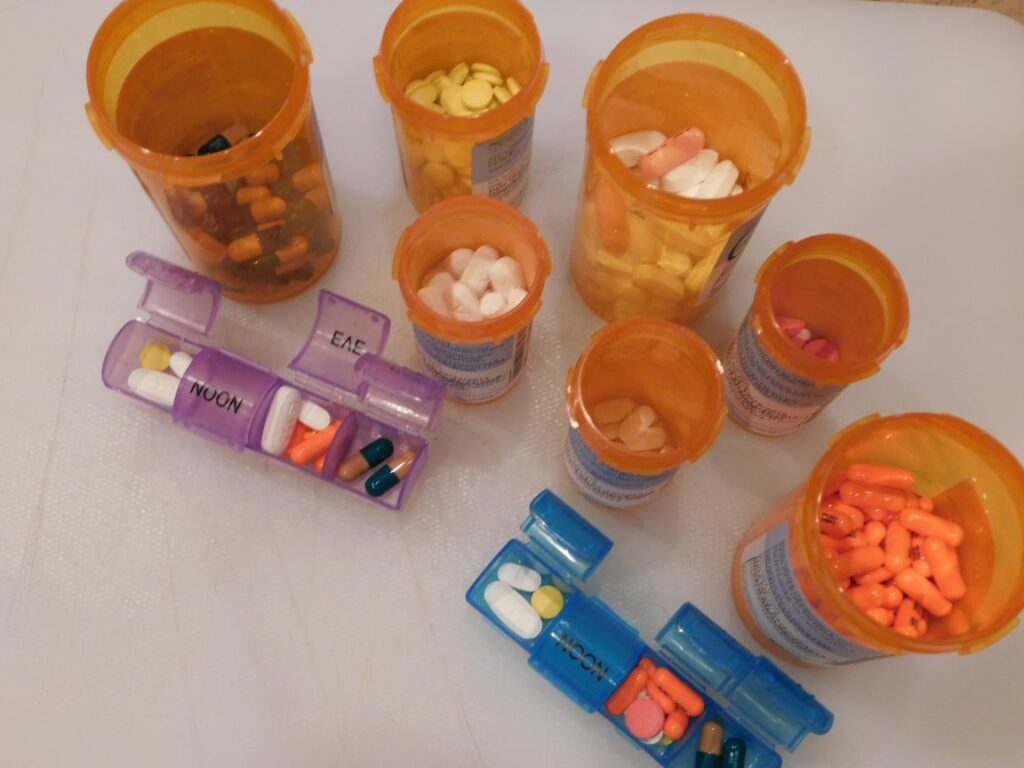
The Seven Fundamental Rights of Medication Administration
The seven rights of medication administration is in essence, simply a checklist for medication safety. It details the seven stages of safe medication administration and what must be checked to ensure that medication is administered correctly and helps prevent medication errors from occurring.
The seven steps of medication administration are as follows: right patient, right drug, right dose, right time, right route, right reason, right documentation.
#1 Right Patient
For ordinary people, ensuring that medication is being administered to the right person might not seem like such a big deal. But imagine you’re working in a hospital. A large hospital with hundreds of patients. How many John Smiths are in your hospital, and are you giving the medication to the right John Smith?
Right patient, the first step in the medication process, is as simple as ensuring that the name on the label matches the person you’re administering medication to. In the example scenario, it also means matching other identification such as age and address.
In everyday situations, right person is even simpler, but still just as important. Prescribed medication is meant for the person whose name is on the label, and for that person alone. If your child injures themselves and you have some prescribed painkillers on hand, you can’t swap these out for over the counter paracetamol. The effects of giving medication to someone it isn’t meant for can be disastrous.
#2 Right Drug
Medications have long, sciencey names that don’t often stick in the memories of people who aren’t healthcare professionals. Often these names can look quite similar at first glance. Consider Zantac and Xanax. They may look very different in writing, but when someone asks you if you have any Zantac are you absolutely sure that you heard them right? One of these is a strong antacid, and the other is a sedative. These aren’t two medications you can risk mixing up, not that there are any two medications you ever should mix up at all.
The right drug step exists to ensure practitioners double check that they have the correct medication in hand. The wrong medication, at best, will have no impact on the person beyond preventing them from getting any better. But at worst, it can be deadly.
#3 Right Dose
One tablet or two? What’s the measurement, is it in millilitres? Are you absolutely sure that the decimal point is in the right place? Even if you have the right medication, its effects can go very wrong when the dosage isn’t correct.
It’s a lot like having the entirely wrong medication in other ways too. If you don’t have enough then it’s not going to be as effective, if it’s effective at all. But too much can lead to all sorts of problems. Even the right medication can cause overdoses and other problems when given in too large an amount.
#4 Right Time
When medication is prescribed it comes with instructions on how often it needs to be taken. This might be something like three times a day with meals, or once every night before bed. It could be less often or more often.
Right time is ultimately a question of whether or not someone has already taken their scheduled dosage. Getting the time wrong can lead to undertaking or overtaking of a prescribed dosage, leading to the exact same problems of getting the dosage wrong in the first place.
#5 Right Route
Not all medication consists of pills which need to be taken orally. Medication can be injected, administered intravenously, sprayed through the nose, among many other ways. Even just looking at oral routes, is the medication meant to be swallowed or is it meant to be placed under the tongue and slowly absorbed? Should it be taken whole or dissolved in water first?
Administering medication to the wrong part of the body has the same effects as getting any of the other seven rights incorrect. At best, it is less effective, but more likely entirely ineffective. At worst it can be potentially harmful to the patient.

#6 Right Reason
Right reason is a question of whether or not the medication being administered is appropriate for the patient’s specific symptoms and condition. In an example that might seem obvious you wouldn’t give someone an antacid for a headache. But, for those of you who aren’t healthcare professionals, would you give them an antacid for a stomach ache? Is it reflux? Or maybe the patient has stomach ulcers.
Medication won’t be effective if it is not administered to the patient for the right reason. Unnecessary medication is at best, completely ineffective, but at worst it can once again cause harm to the patient and make their situation even worse.
#7 Right Documentation
Correct documentation refers to ensuring one has the complete and accurate recording of each instance of medication administration. This includes details such as the drug administered, patient monitoring, whether the patient chose to refuse medication, and any nursing interventions. It is important to ensure right documentation to maintain a clear record of the medication given and the patient’s response to support continuity of care, legal and professional standards, and patient safety.
By having the correct documentation, you can catch mistakes before they happen, locate mistakes and their cause if they’ve already occurred, and determine future courses of action to best support the patient.
Are You Administering Medication Correctly?
The seven rights of medication administration should be basic knowledge to anybody already working as a healthcare professional. Safe medication practices are something they all should know from their studies, whether that’s a university course or just a training course.
For everybody else, we hope the steps outlined in this post help you support someone the next time they need help taking their medication. However, if you’re somebody who regularly helps another person take their medication, like an elderly loved one or someone living with disability, please consider taking a medication administration training course. You’ll not only learn the seven rights of medication administration, but you’ll also learn your legal and ethical responsibilities associated with your status as someone who supports others. By taking a medication administration course, you can best ensure you are correctly helping those in need, and protect both them and yourself. Visit our medication administration page for further information here.