



Sharon has 21+ years of experience as a qualified Emergency Care Nurse registered with the Australian Health Practitioner Regulation Agency (APHRA) and 12+ years as a First Aid Trainer.
She takes pride in FirstAidPro making first aid training available, comprehensive and affordable to everybody.
Diabetic ketoacidosis, often abbreviated as DKA, occurs due to a significant insulin deficiency in the body. As a result, the body is unable to utilise sugar for energy, leading it to break down fat for fuel. This process releases chemicals known as ketones. Without intervention, an accumulation of ketones can cause the blood to become acidic, a condition referred to as acidosis.
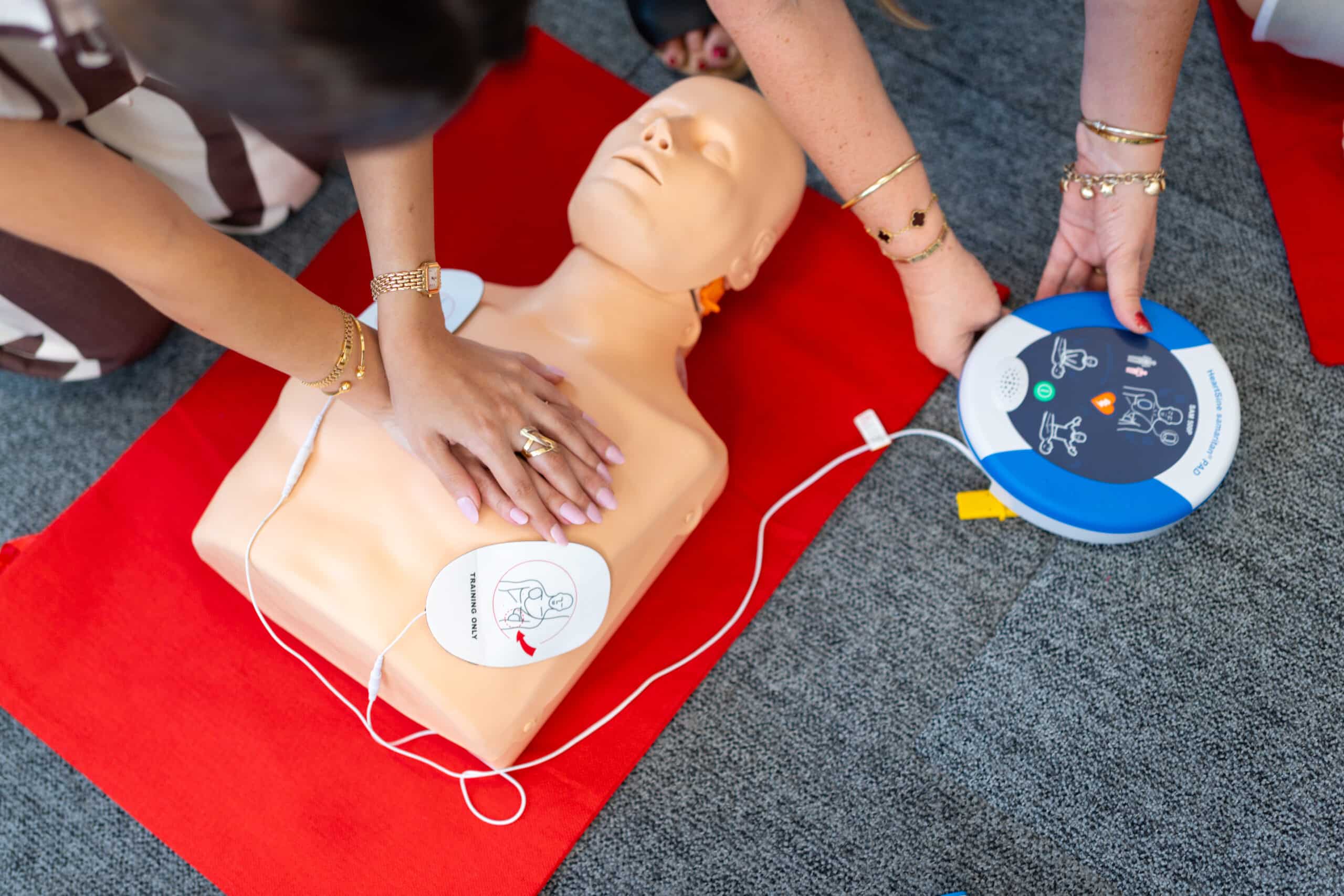
If you live or work with people who do or may suffer from type 1 or type 2 diabetes, there are assist with medication and advanced first aid courses available which will equip you to dispense medications responsibly or to respond effectively in an emergency. First Aid Pro offers quality, nationally recognised first aid training with same day certification for eligible students.
Continue reading to gain further insight into Diabetic Ketoacidosis (DKA), discover preventive measures against DKA, and understand its first aid treatment options should they be necessary.
Diabetic Ketoacidosis (DKA) Explained
Diabetic ketoacidosis, or DKA, is a severe and potentially life-threatening complication associated with diabetes. It is more frequently seen in individuals with type 1 diabetes but can also occur in those with type 2 diabetes.
The condition arises when there is not enough insulin in the body, preventing blood sugar from entering cells to be used as energy. This leads the liver to metabolise fat as an alternative source of fuel, which results in the production of acids known as ketones. If ketones are generated too quickly and in large amounts, they can accumulate to hazardous levels within the body.
Often, children and adults unaware of their type 1 diabetes condition are not diagnosed until they become critically ill with DKA. Recognising the signs and symptoms of DKA is crucial for prompt treatment.
Since DKA can become critical without rapid treatment, it’s vital to be aware of its warning signs. Sharing this knowledge with friends, family, and those who care for children, such as teachers and those involved in early childcare, is important. This ensures they are also equipped to recognise the symptoms of DKA.
Symptoms of DKA
The symptoms of diabetic ketoacidosis typically develop rapidly, often within a 24-hour period. In some cases, these symptoms may be the initial indication of diabetes. Common symptoms include:
- Excessive thirst
- Frequent urination
- Nausea and vomiting
- Abdominal pain
- Weakness or fatigue
- Shortness of breath
- Breath that smells fruity
- Confusion
Clearer indications of diabetic ketoacidosis that can be identified with at-home urine or blood testing kits include:
- Elevated blood sugar levels
- Increased ketone levels in the urine

What Causes DKA?
DKA is primarily caused by extremely elevated blood sugar levels and insufficient insulin in the body. The two most prevalent causes are:
- Illness: Falling ill can disrupt normal eating and drinking habits, making it challenging to regulate blood sugar levels.
- Insulin-related issues: These include missed insulin injections, problems with an insulin pump, or incorrect insulin dosages.
Other factors that can lead to DKA are:
- Experiencing a heart attack or stroke.
- Physical trauma, like that sustained in a car accident.
- The use of alcohol or drugs.
- Certain medications, including some diuretics (commonly known as water pills) and corticosteroids (used for treating inflammation).
Preventative Measures
Several strategies can help prevent diabetic ketoacidosis and other complications associated with diabetes:
- Effective Diabetes Management: Incorporate a balanced diet and regular physical activity into your daily life. Follow the prescribed regimen for diabetes medications or insulin.
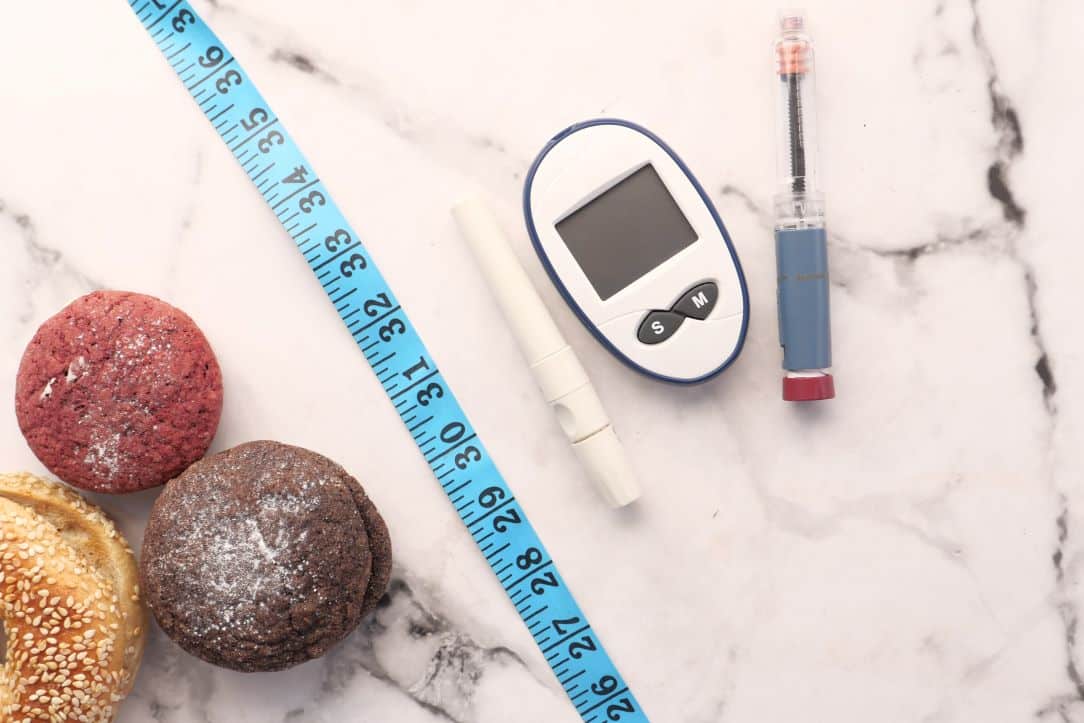
- Regular Blood Sugar level Monitoring: It’s often necessary to check and record your blood sugar levels multiple times a day, especially if you are sick or under stress. Diligent monitoring is essential to ensure your blood glucose remains within your target range.
- Insulin Dose Adjustment: Consult with your healthcare provider or a diabetes educator to tailor your insulin doses to your needs. Consider factors like your current blood sugar levels, diet, physical activity, and health status. If you notice an increase in your blood sugar, adhere to your diabetes management plan to bring it back to the desired range.
- Ketone Level Checks: During illness or stress, use a urine ketones test kit to monitor excess ketones. These kits are available at pharmacies. If you detect moderate to high levels of ketones, contact your healthcare provider immediately or seek emergency care. If ketone levels are low, you might need an increased insulin dosage.
- Prompt Action in Emergencies: If you suspect diabetic ketoacidosis due to high blood sugar and excessive ketones in your urine, seek emergency medical attention.
While the prospect of diabetes complications can be daunting, don’t let fear deter you from proper self-care. Adhere strictly to your diabetes treatment plan and seek assistance from your diabetes care team whenever necessary.

First Aid for DKA
The first aid for diabetic ketoacidosis (DKA) includes the following steps:
- Seek Emergency Medical Attention: DKA is a medical emergency, and it’s crucial to seek immediate medical care if you experience symptoms such as high blood sugar levels, fruity-smelling breath, vomiting, or difficulty breathing
- Hydration: Drink extra fluids to prevent dehydration, including water, broth, and sugar-free drinks. If you are unable to drink enough, the insulin from your shot may not be effective
- Monitor Blood Sugar Levels: If you notice high blood sugar levels and symptoms of DKA, it’s important to seek medical attention promptly
- Avoid High-Carbohydrate Foods: If your blood sugar level is more than 250 mg/dL, avoid foods that are high in carbohydrates
Remember that DKA can only be treated with insulin and fluids, which are often given intravenously in a hospital setting. The above measures are initial steps to take while seeking urgent medical care.
Summing Up
In conclusion, Diabetic Ketoacidosis (DKA) stands as a critical health concern, especially for those living with type 1 or type 2 diabetes. In this article we have delved into the intricacies of DKA, outlining its symptoms, causes, and the vital role of early detection and intervention. By understanding the importance of managing diabetes, regularly monitoring blood sugar and ketone levels, and adjusting insulin therapy as necessary, individuals can significantly reduce their risk of developing this severe complication.
Equally important is the knowledge of first aid for DKA, which includes seeking emergency medical attention, staying hydrated, monitoring blood sugar levels, and avoiding high-carbohydrate foods until professional medical care can be provided. These measures, while crucial, are only initial steps in managing the condition, with insulin and fluids typically administered in a hospital setting.
Awareness and education about DKA are key. Sharing this information with family, friends, and caretakers can make a difference in early recognition and response to this potentially life-threatening condition.
Remember, while diabetes complications can be intimidating, proactive management and a supportive healthcare team can empower individuals to lead healthy, fulfilling lives despite the challenges of diabetes.
Let this article serve as a guide to understanding and preventing Diabetic Ketoacidosis, a step towards better health and well-being for those affected by diabetes.