


Sharon has 21+ years of experience as a qualified Emergency Care Nurse registered with the Australian Health Practitioner Regulation Agency (APHRA) and 12+ years as a First Aid Trainer.
She takes pride in FirstAidPro making first aid training available, comprehensive and affordable to everybody.
Maintaining stable blood sugar levels helps to prevent complications and manage conditions of diabetes effectively. By keeping blood sugar levels within a healthy range, individuals with diabetes can reduce the risk of developing serious health issues in the long term.
Quick thinking plays a significant role for most people, in managing blood sugar emergencies. Recognising the signs and symptoms of low blood glucose and taking immediate action can prevent the situation from worsening. It is important to have a plan in place by attending a Provide First Aid course or otherwise rendering emergency help, like assisting the person with consuming glucose tablets or a sugary drink to raise the person’s blood sugar levels more quickly.
Understanding Low Blood Sugar Emergencies
If left untreated, low blood glucose can pose potential risks to the whole person and body. It is important to be aware of the common signs and symptoms of low glucose levels like dizziness, confusion, sweating and weakness. Hypoglycemia unawareness, which is the inability of a person to recognise these symptoms, can have a significant impact on emergencies and the person may require immediate medical attention.
In case of a diabetic emergency at home, there are ways to quickly lower blood sugar levels. Consuming glucose tablets or a sugary drink like fruit juice can help raise blood sugar levels during a diabetic emergency. It is also important to carry glucose gel or oral medications for diabetic emergencies. If the situation of diabetic coma worsens and the person loses consciousness, it is crucial to seek medical aid or call emergency services.
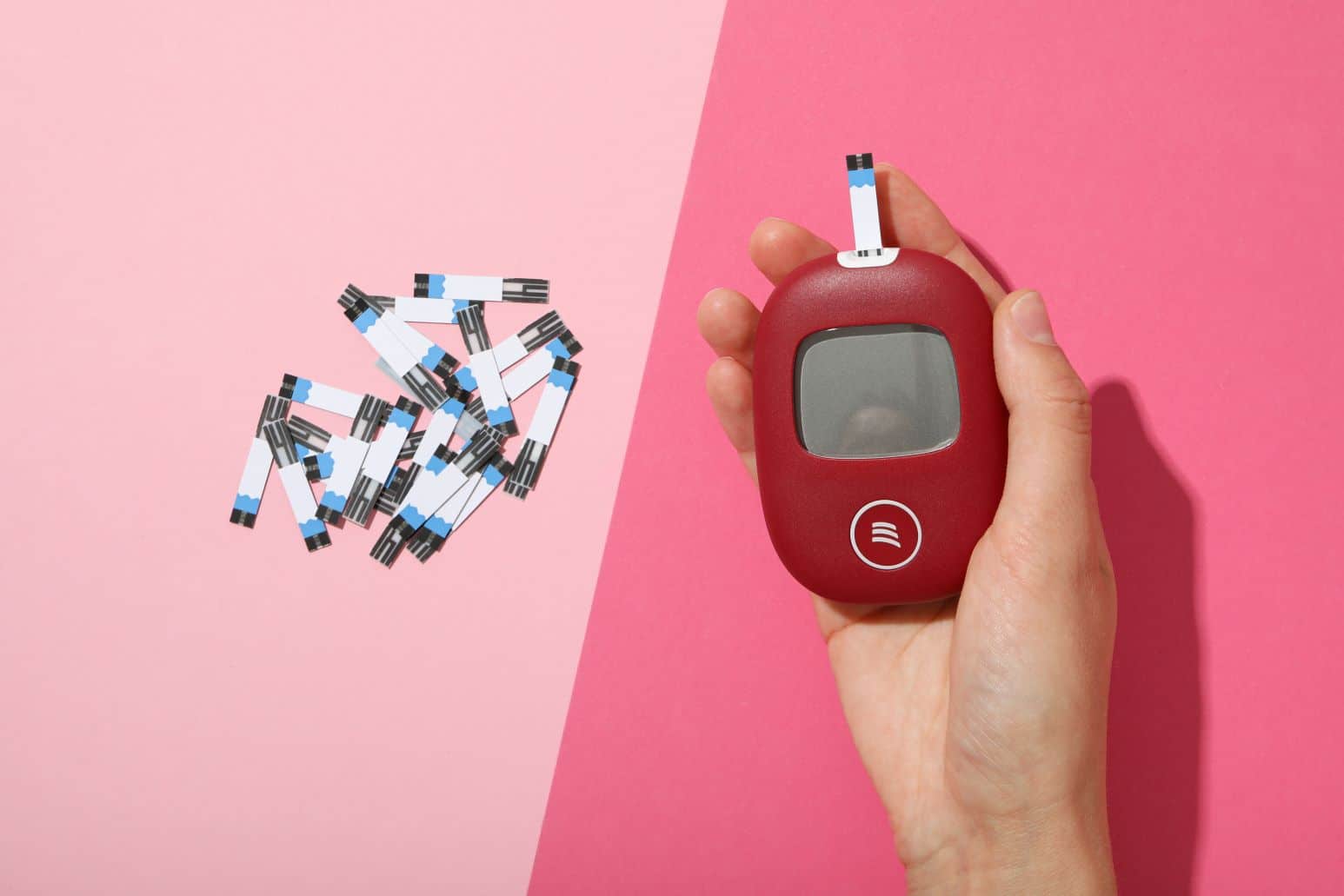
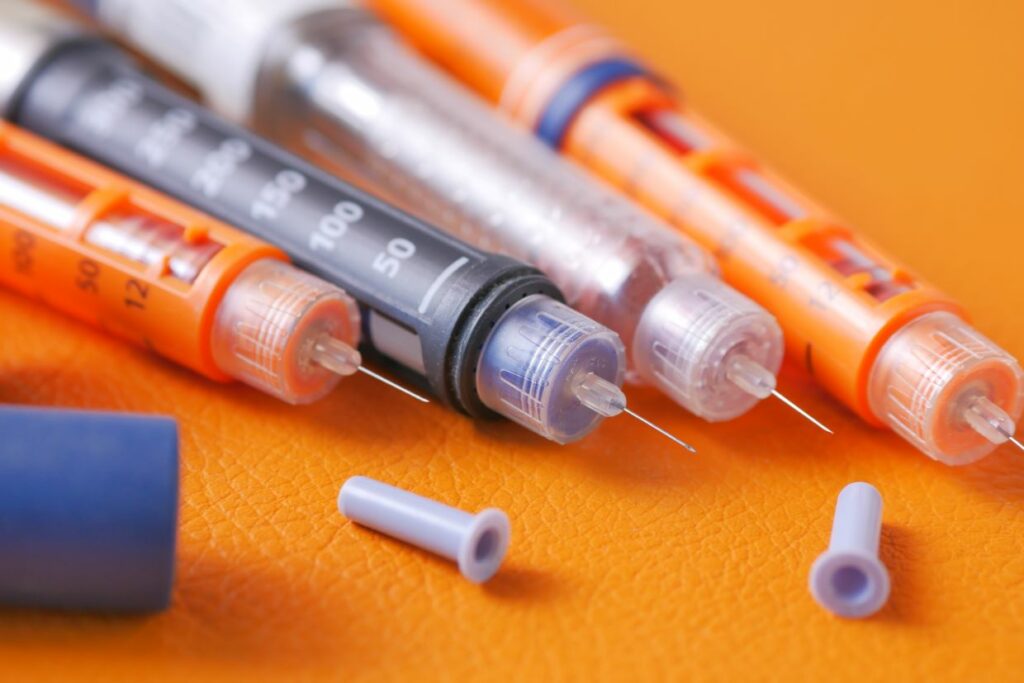
Managing blood sugar levels is essential for individuals with diabetes. Regular monitoring of blood glucose levels, following a treatment plan that includes insulin injections or medication, and maintaining a balanced diet are important steps in controlling blood sugar levels. Physical activity with high blood glucose levels should be taken into consideration and it is advisable to wear an alert bracelet to alert others of the person with a medical condition in case of emergencies.
It is important to be aware of the risk factors that can contribute to low blood sugar levels like skipping meals, consuming alcohol without food or engaging in excessive activity. Recognising the signs and symptoms of low glucose and having first aid skills can be crucial in providing immediate assistance to someone experiencing severe hypoglycemia. Aid products like glucose gel or sugary foods can also help raise blood sugar levels quickly.
First Aid Techniques for Lowering Blood Sugar Quickly in a Diabetic Emergency
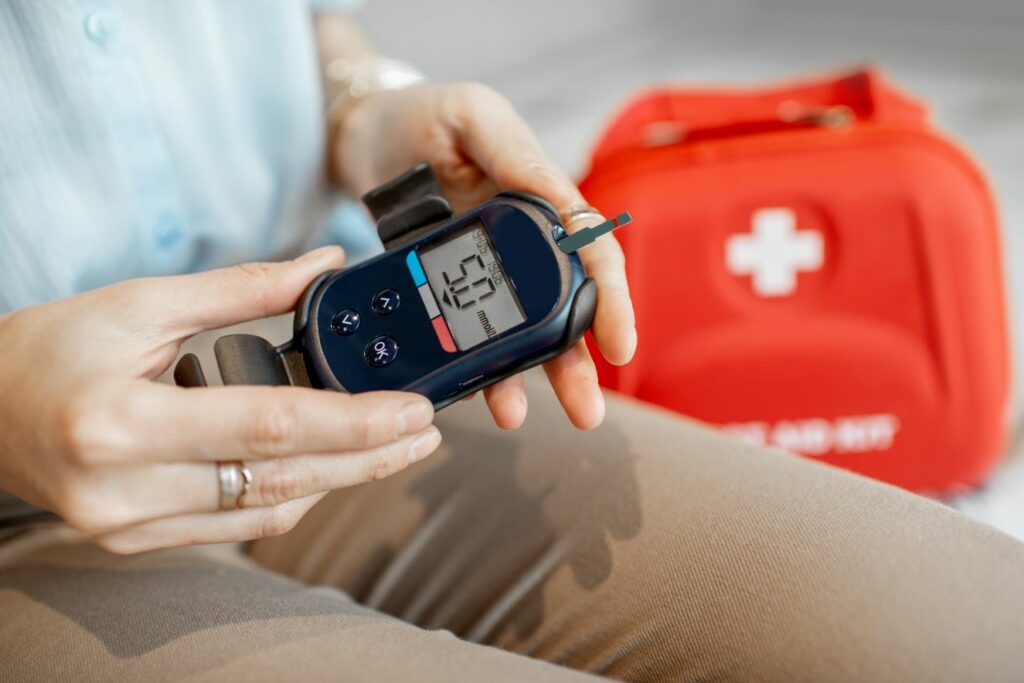
It is crucial to possess the necessary skills and knowledge in first aid for managing a diabetic emergency. First aid training equips individuals to recognise the signs and symptoms of a diabetic emergency and take appropriate action. This first aid also includes administering glucose or insulin, monitoring vital signs, blood sugar level, and providing comfort. Without these skills, the ability to respond to diabetic emergencies more effectively may be compromised, leading to serious consequences.
When encountering a low glucose emergency at home, it is important to know step-by-step instructions for an effective response. Low glucose, or hypoglycemia, can occur in individuals with diabetes due to factors like skipping meals or excessive exercise. Acting quickly and appropriately is crucial to prevent complications. This first aid may involve assessing consciousness, offering fast-acting carbohydrates and monitoring the person’s condition. Knowing when to seek medical assistance is also important. Being prepared and knowledgeable is key.
Additional Measures and Precautions
Managing high glucose levels involves using oral diabetes medications, insulin injections and treatment plans. These methods help the body regulate high glucose levels and prevent complications associated with diabetes.
It is important to wear an alert bracelet and have emergency contact information readily available. This ensures that in case of a medical emergency, healthcare and emergency call professionals can quickly access important information about your condition and contact your emergency contacts.
Consuming alcohol can pose potential risks for individuals with diabetes, and it is important to monitor activity levels. Alcohol can affect glucose and insulin levels and increase the risk of hypoglycemia or hyperglycemia, so it is important to be cautious and make informed food choices. Regular physical activity helps maintain healthy blood sugar, insulin levels, and overall well-being.
Final Thoughts

Maintaining stable blood sugar levels is crucial for overall health and well-being, and quick thinking is important in managing low glucose emergencies. Recognising the signs and symptoms of low blood sugar and taking immediate action like consuming glucose tablets or a sugary drink, can help raise the blood glucose and sugar levels quickly. It is also important to have enough insulin and a plan in place and a family member to be prepared to provide the medication and first aid in case of emergencies.
Regular monitoring of blood glucose levels, following a treatment plan for diabetes medication, and maintaining a balanced diet, are essential for managing blood sugar levels. It is also important to be aware of the risk factors and symptoms that can contribute to low blood sugar and to possess the necessary skills and knowledge in first aid for managing diabetes emergencies. Wearing a medical alert bracelet and having emergency contact information readily available for diabetic emergencies are also important precautions.