


Sharon has 21+ years of experience as a qualified Emergency Care Nurse registered with the Australian Health Practitioner Regulation Agency (APHRA) and 12+ years as a First Aid Trainer.
She takes pride in FirstAidPro making first aid training available, comprehensive and affordable to everybody.
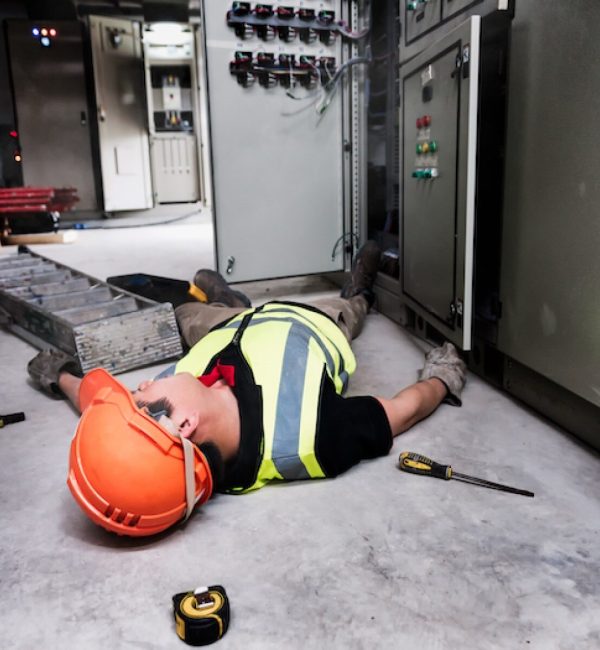
Construction is an industry with more risks than most others. Workers deal with dangerous and potentially hazardous materials, complex industrial equipment, and many other risks to their health and well-being on a daily basis. When these risks aren’t controlled, injuries and even death can occur. This is why risk management and control measures are so important to the construction industry.
The ideal construction risk management process is one that is thorough and multifaceted, and with so many different sources of risk on construction sites it should be little wonder as to why that is the case. A construction risk management plan needs to be as comprehensive as it can possibly be, so following is an in-depth look into why it matters so much and various ways to most effectively manage risk.
An Introduction to Risk Control
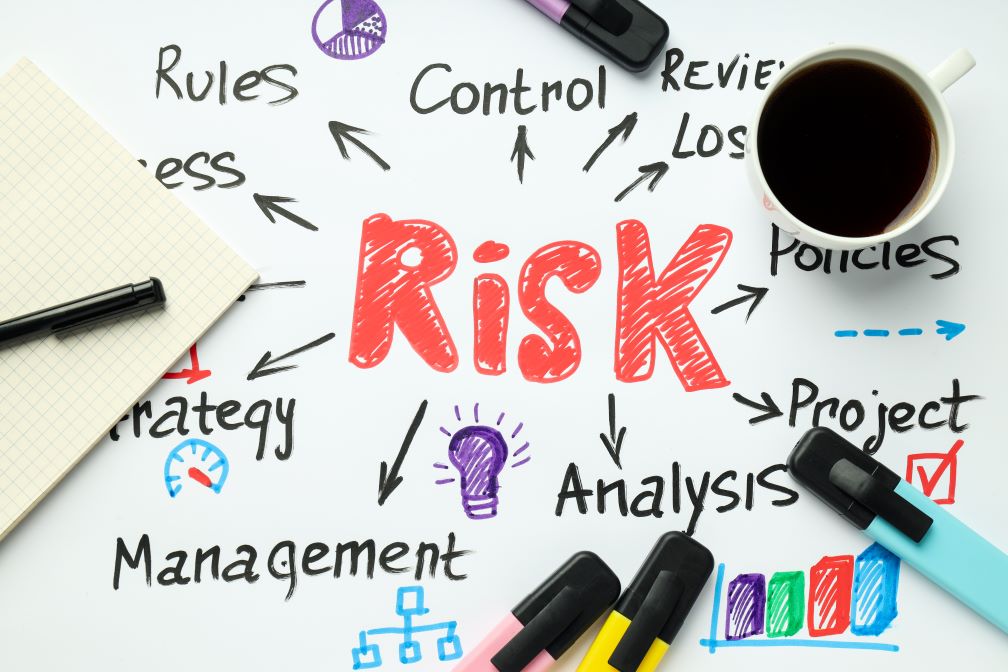
Construction risk control is a proactive approach that focuses on identifying, assessing, and mitigating potential risks. It involves simultaneously implementing multiple strategies and measures to minimise the probability of adverse events from happening in the first place as well as limiting their impact when they occur. By adopting risk control practices, construction companies can safeguard their operations, protect their assets, and most importantly, protect their workers. From assessing hazards to implementing safety measures, risk control provides a solid foundation for a safe construction site.
Examples of Risk Control
There are many different processes to manage risk on a construction site, and as many as possible should be implemented to ensure maximum safety of the site and its workers. Following are some of the best and most common ways to limit and control and manage risks on construction projects.
Safety Signage
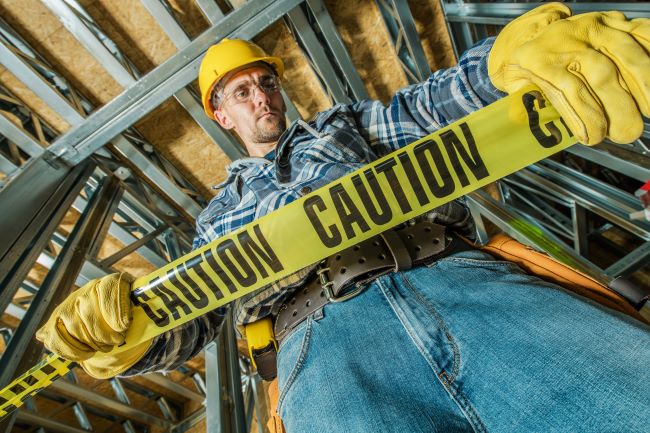
Safety signage plays a vital role in construction risk control by alerting both workers and visitors on construction sites to potential hazards and providing them with essential safety information. These signs are a mandatory requirement on construction sites to ensure compliance with workplace safety regulations, and help to prevent injuries and ensure a safe working environment. While there are countless examples of construction signage, two of the most common examples you might already be aware of are:
- Hard Hat Area: This sign indicates areas where wearing a hard hat is mandatory due to the risk of falling objects.
- Eye Protection: Eye protection signs are used to remind workers to wear appropriate eye protection in areas where there is a risk of flying particles, where there is the risk of dangerous chemicals being splashed into the eyes, or one of many other hazards to the eyes might be present.
Hazard Identification
Hazard identification involves recognising agents, conditions, or activities that have the potential to cause harm, including injury, illness, property damage, or environmental impact. It takes a watchful eye, keen attention to detail, and constant critical thinking to recognise when something isn’t as it should be and might cause harm or injury to people as a result.
To perform a safety risk assessment all you need to do is ask yourself some common sense questions. When you see something that looks out of place, ask yourself if it’s supposed to be there. Ask if someone could get hurt or injured from the way the object, substance, or material is being stored. Does it present potential environmental risks? If there’s any chance that it could hurt someone, then you’ve identified a potential hazard.
Personal Protective Equipment

Personal Protective Equipment (PPE) refers to clothing or equipment worn to minimise injuries which might occur on a construction site. In the construction industry in particular, PPE plays a crucial role in risk control by providing protection against falling objects, exposure to harmful chemicals, electrical hazards, among many other potential hazards. PPE for construction workers may include items such as hard hats, safety glasses, gloves, safety shoes, earplugs, and respirators. Ultimately, PPE is considered the last line of defence in the hierarchy of construction risk controls, preventing injuries and death when accidents occur regardless of other steps taken.
Risk Reporting
Once you’ve identified a possible hazard, you need to report it to the proper authority so that something can be done to take care of it or to minimise the risk that it presents. This might mean completing relevant documentation, or even just telling someone. You might need to report it to a superior, or maybe your workplace has someone designated to handle risk management.
Reporting matters because not every employee is trained to handle every possible hazard. You might see something that you think you can handle yourself, but if you’re mistaken then you only risk causing harm or injury to yourself. Follow the proper processes already in place, and report any hazards you see to the most relevant party so they can ensure it gets handled correctly.
White Card Training
A white card certification is mandatory for individuals working in the construction industry. Completing the relevant construction risk management training demonstrates workers’ understanding of common construction hazards and risk control measures.
The importance of the white card in construction risk control lies in its ability to enhance safety awareness, improve legal compliance, and provide comprehensive occupational health and safety training. By equipping workers with the knowledge to identify risks, use safety gear properly, and implement control measures, the white card plays a crucial role in minimising the risk of injury and death on construction sites.
Maintaining Personal Responsibility
Personal responsibility in risk management on a construction site involves individuals acknowledging and fulfilling their duty to ensure their own safety and the safety of others. For instance, workers should never use tools, machines, or equipment for which they are not trained in. At the end of the day, risk management is about common sense, and the best way you can limit injuries on a construction site is to remain alert and to never put yourself in any unnecessary danger.
Create a Safer Workplace

With the above knowledge, you can start to better handle construction project risk and create a safer work environment on future projects. However, reading is no substitute for doing and construction safety training is a mandatory requirement for not only Australia’s construction industry, but also for many other workplaces.
Book your white course today to get started in the construction industry, or if you have yet to do so. Consider refresher training if it’s been some time since you complete your training to keep your skills fresh and to learn about any new advancements in construction safety. Control safety risks now, and create a safer workplace today with a white card course.