



Sharon has 21+ years of experience as a qualified Emergency Care Nurse registered with the Australian Health Practitioner Regulation Agency (APHRA) and 12+ years as a First Aid Trainer.
She takes pride in FirstAidPro making first aid training available, comprehensive and affordable to everybody.
First Aid Pro is a reliable resource that offers a comprehensive education through advanced first aid and CPR training. This training equips individuals with the skills to recognise the signs and symptoms of diabetic emergencies, such as shaking, sweating, headache and faintness. By understanding the importance of blood sugar levels and how to manage them, individuals can effectively respond to these situations.
When someone experiences a diabetic emergency, it is crucial to act quickly by administering first aid or by assisting with medication. Providing glucose tablets, fruit juice or a sugary drink can help raise their blood sugar levels. If the person is unconscious or unable to swallow, administering glucose gel or giving an insulin injection may be necessary. It is also important to check if the person is wearing a medical alert bracelet, as this can provide valuable information about their medical condition for you, another first aider or a medical professional to know.
A diabetic emergency can escalate to a life-threatening situation like a diabetic coma, when the blood sugar levels are extremely high, and the person’s condition deteriorates rapidly. In such situations, it is vital to call emergency help immediately by dialling triple zero (000) and providing them with all the relevant information about the person’s condition.
By having advanced first aid training skills and knowledge, individuals can effectively handle medical emergencies, including diabetic emergencies. First Aid Pro offers a range of training programs and resources to ensure that individuals are well-prepared to provide the necessary aid in these situations. Whether it’s learning how to administer insulin injections, carrying glucose gel, or understanding the signs and symptoms of high blood sugar levels, First Aid Pro is a trusted source for acquiring these essential skills.
Understanding Hyperglycemic Attacks and Diabetic Emergencies

A hyperglycemic attack, also known as a diabetic emergency, occurs when the blood sugar levels in the body become dangerously high. This can have a significant impact on the body and its functioning. When blood sugar levels rise, it can lead to a range of signs and symptoms that indicate hyperglycemia. These may include shaking, sweating, headache, and faintness. These symptoms are the body’s way of signalling that something is not right and that immediate attention is needed.
If left untreated, hyperglycemia can pose serious risks and complications. One potential complication is a diabetic coma, which occurs when blood sugar levels become extremely high and the body cannot function properly. This results in a loss of consciousness and even seizures. Another risk associated with untreated hyperglycemia is the development of long-term complications like nerve damage, kidney problems and cardiovascular issues. It is crucial to seek medical assistance and take appropriate measures to manage blood sugar levels to prevent these complications from occurring.
In cases of hyperglycemic attacks or diabetic emergencies, it is important to have the necessary first aid skills and knowledge to provide immediate assistance. First aid and CPR training can equip individuals with the skills needed to recognise the signs and symptoms of hyperglycemia and take appropriate action. Advanced first aid training can further enhance these skills, providing individuals with the ability to assist with medication administration like insulin injections. Carrying glucose tablets or gel can also help manage high blood sugar levels during emergencies. Wearing a medical alert bracelet can also alert others to the person’s medical condition and the need for immediate medical assistance. Remember, in life-threatening emergencies, it is crucial to call emergency services like Triple Zero 000, for immediate help.
First Aid Techniques for Hyperglycemic Attacks
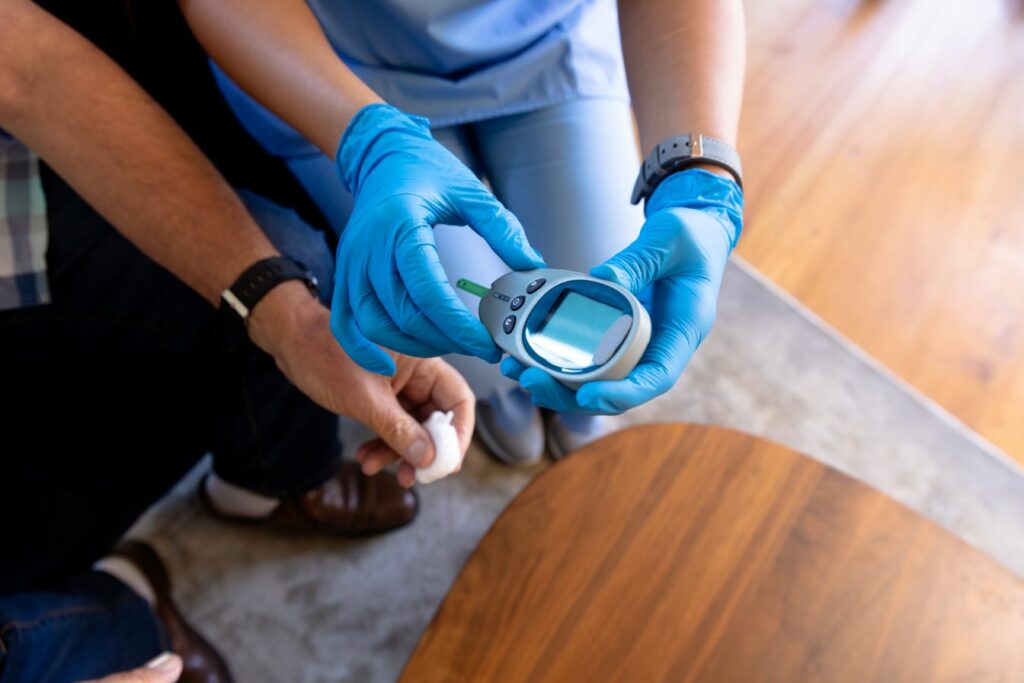
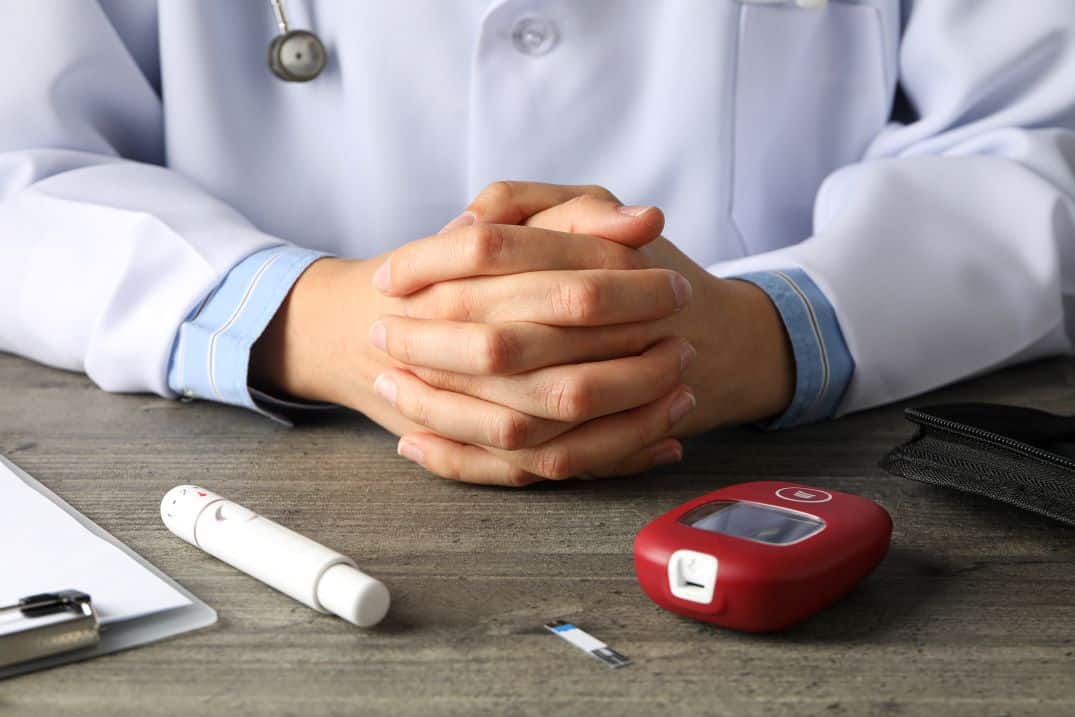
If you need to assist someone experiencing a hyperglycemic attack, it’s crucial to follow step-by-step instructions to ensure their safety and well-being. One of the first things you should do is check the person’s blood sugar level using a glucose meter or blood glucose test strips. This will give you an accurate reading of their blood sugar levels and help you determine the severity of the situation.
To quickly raise their blood sugar levels, it’s important to have glucose tablets, fruit juice or a sugary drink on hand. These can be incredibly helpful in providing a rapid source of glucose to the person in need. By consuming these sugary substances, their blood sugar levels can gradually improve, alleviating some symptoms they may be experiencing. Individuals with diabetes should also carry glucose gel or a sugary snack with them at all times. This way, they can address any sudden drops in blood sugar levels and prevent the situation from escalating into a medical emergency.
By being prepared and knowledgeable about first aid and CPR training, you can effectively assist someone during a diabetic emergency. Whether it’s a hyperglycemic attack or a low blood sugar episode, having the skills can make a significant difference in the outcome. It’s also useful to be aware of the signs and symptoms associated with these conditions like shaking, sweating, headache, and faintness. If the person’s condition worsens or they become unconscious, it’s crucial to call emergency services immediately. Remember, providing medical assistance and support can be life-saving in these situations, so it’s essential to act swiftly and confidently.
First Aid for Diabetic Emergencies
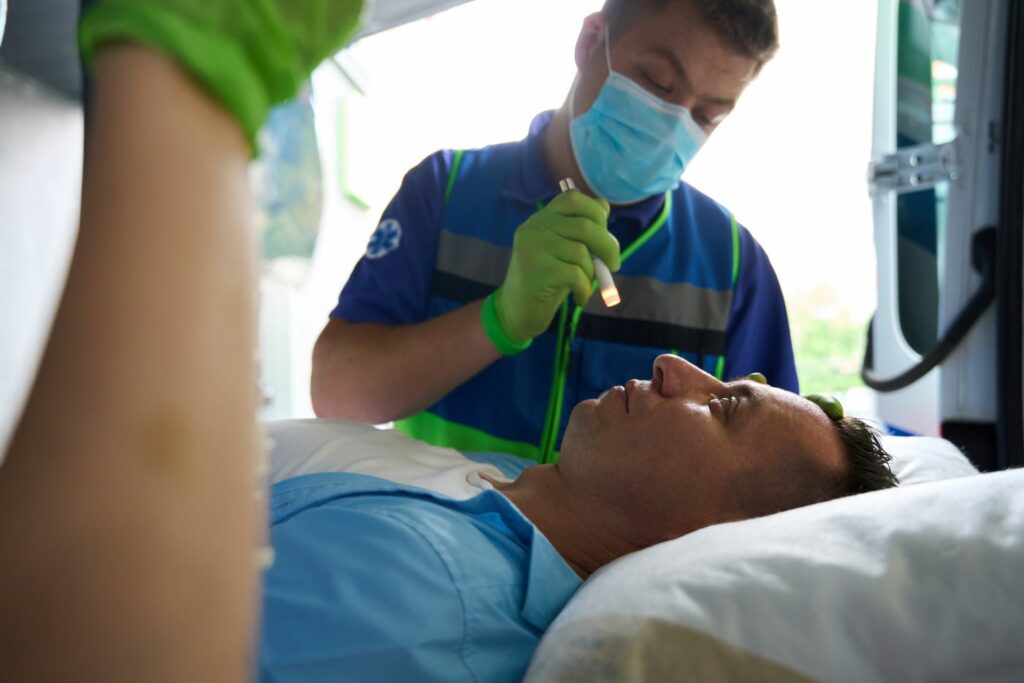
For a diabetic emergency, there are several symptoms that you should know. These can include confusion, unconsciousness and abnormal breathing. It’s important to recognise these signs, as they can indicate a life-threatening situation. If you notice someone experiencing these symptoms, it is crucial to call emergency services immediately. In many countries like Australia, you can dial triple zero (000) to get medical assistance. Remember, time is of the essence in these situations, so don’t hesitate to make that call.
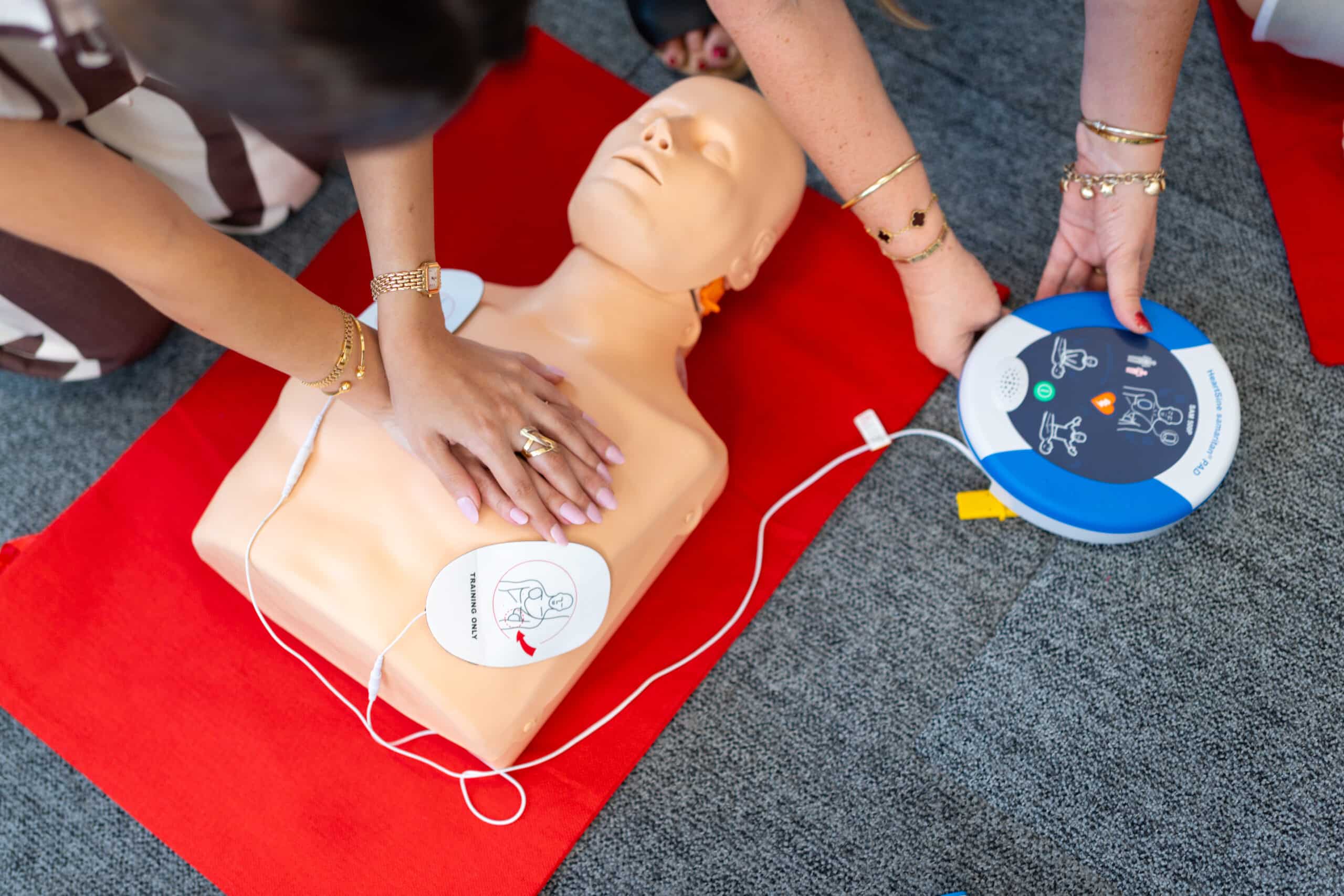
If the person loses consciousness or experiences seizures, it is vital to start CPR right away. CPR stands for cardiopulmonary resuscitation and it is a technique used to maintain blood flow and oxygenation to the body when the heart and breathing have stopped. By performing CPR, you can dramatically improve a person’s chances of survival in the deadly gap between the onset of the incident and when medical professionals arrive. If you are not familiar with CPR, it is highly recommended to undergo first aid and CPR training. This training will equip you with the skills and knowledge to respond effectively in emergencies. Remember, every second counts, so being prepared and knowing how to perform CPR can make a significant difference.
Another important aspect to consider is the significance of wearing a medical alert bracelet. This bracelet can alert others about the person’s medical condition, particularly with diabetes. It can provide crucial information to medical professionals in the event of an emergency. For example, if a person with diabetes experiences a sudden drop in blood sugar levels and becomes unconscious, the medical alert bracelet can inform others about their condition and the need for immediate medical assistance. This can help ensure that the person receives appropriate care promptly. So, if you or someone you know has a medical condition like diabetes, it is highly recommended to wear a medical alert bracelet to help others understand and respond appropriately to the situation.
Assisting with Medication and Managing Blood Sugar Levels
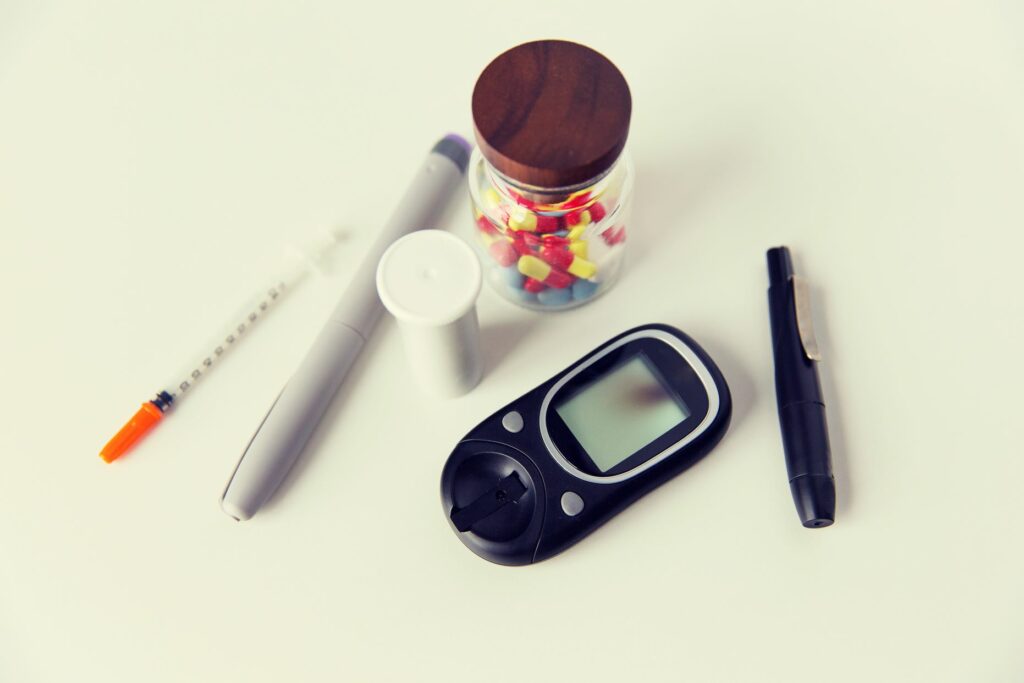
Managing high blood sugar levels can be a challenging task for individuals with diabetes, but the role of insulin injections or insulin pens cannot be overstated. These injections are crucial in regulating blood sugar levels and ensuring that they stay within a healthy range. Insulin is a hormone that helps the body convert glucose into energy, and for people with diabetes, their bodies either do not produce enough insulin or do not use it effectively. This is where insulin injections come in, as they provide the insulin that the body needs to function properly. Conversely, insulin pens offer a convenient and easy-to-use method of administering insulin. They are portable and discreet, and allow for accurate dosing, making them a popular choice for many individuals. By following a diabetes management plan that includes regular insulin injections or the use of insulin pens, individuals can effectively control their blood sugar levels and reduce the risk of complications associated with high blood sugar.
Following a diabetes management plan and taking medication as prescribed is of utmost importance for individuals with diabetes. This plan typically includes a combination of lifestyle changes like a healthy diet and regular exercise, as well as medication like insulin injections or oral medications. Adhering to this plan is crucial in maintaining stable blood sugar levels and preventing complications. It is essential to take medication as prescribed by a healthcare professional, as skipping doses or altering the dosage can lead to fluctuations in blood sugar levels. It is also important to monitor blood glucose levels regularly to ensure that they are within the target range. If levels are consistently high or low, it is necessary to seek medical advice to adjust the treatment plan accordingly. By following the diabetes management plan and taking medication as prescribed, individuals can effectively manage their condition and lead a healthy and fulfilling life.
Final Thoughts
It is important to have advanced first aid skills and knowledge to effectively respond to diabetic emergencies and hyperglycemic attacks. Recognising the signs and symptoms, providing immediate assistance, and calling emergency services when necessary can make a significant difference in the outcome. Additionally, managing blood sugar levels through medication and following a diabetes management plan is crucial for individuals with diabetes to prevent complications and maintain a healthy lifestyle.