




Sharon has 21+ years of experience as a qualified Emergency Care Nurse registered with the Australian Health Practitioner Regulation Agency (APHRA) and 12+ years as a First Aid Trainer.
She takes pride in FirstAidPro making first aid training available, comprehensive and affordable to everybody.
Understanding and responding effectively to hyperthermia, a condition characterised by an abnormally high body temperature, is crucial, especially during the hot summer months or in physically demanding environments.
This comprehensive guide, “Hyperthermia First Aid – Signs, Symptoms, & Treatments,” delves into the critical aspects of hyperthermia, including its causes, various forms, and the immediate first aid measures that can be lifesaving. Whether you’re a layperson, a sports enthusiast, or a professional working in high-temperature conditions, this article offers essential knowledge to help you recognise and handle hyperthermia more effectively.
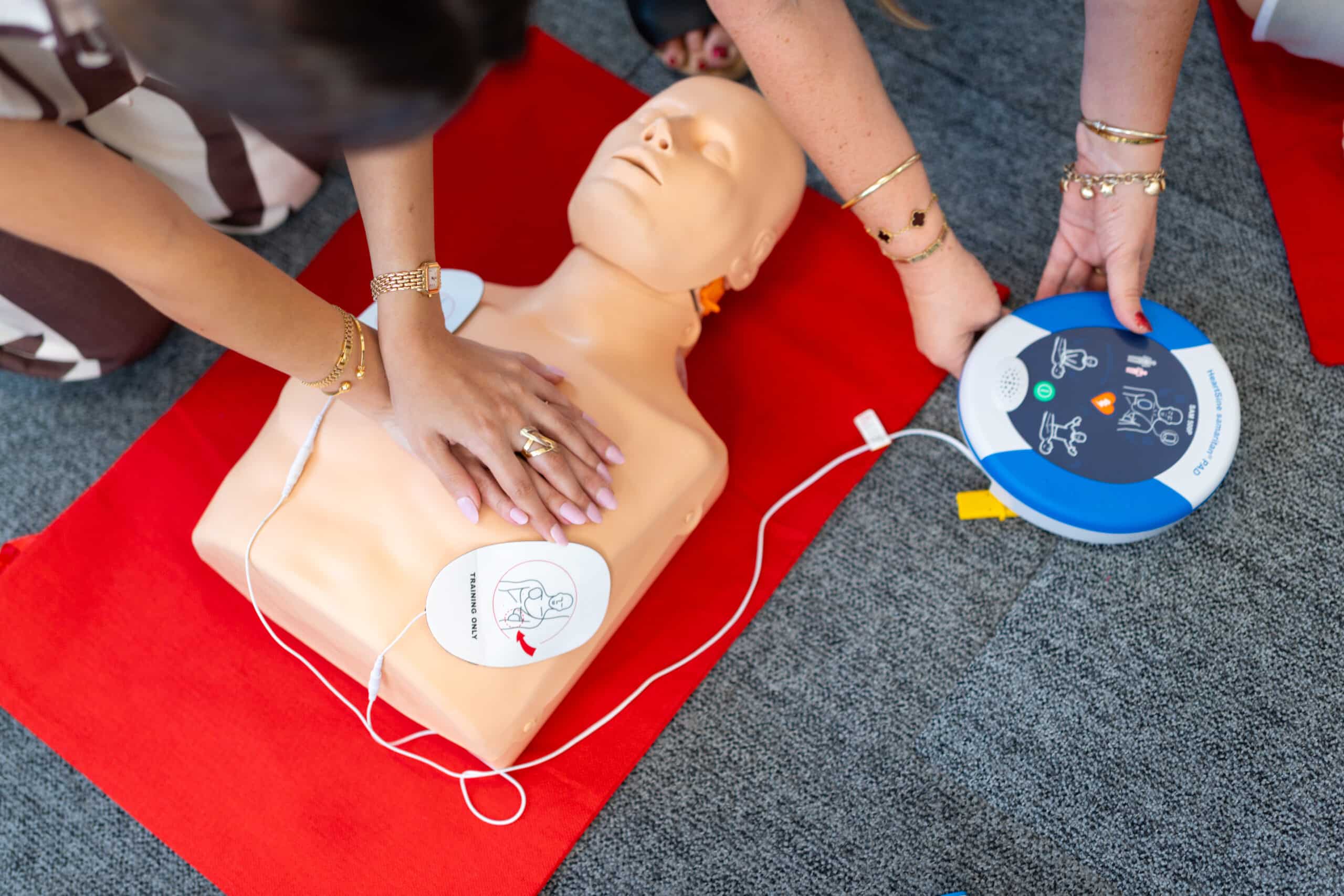
Moreover, to equip yourself with practical skills and knowledge to manage such emergencies, consider enrolling in first aid training with First Aid Pro. Our nationally accredited training will empower you with the competence to provide effective first aid in heat-related emergencies and beyond.
Hyperthermia Explained
Hyperthermia refers to an unusually high body temperature, also known as overheating. It contrasts with hypothermia, which is when the body temperature is excessively low. This condition arises when the body produces or absorbs more heat than it can dispel. The standard body temperature for humans is around 37 degrees Celsius, and temperatures above 37.5 or 38 degrees Celsius are considered too high.
Typically, hyperthermia is caused by excessive physical exertion in hot and humid environments. However, most hyperthermia cases are avoidable.
Is Hyperthermia Identical to Having a Fever?
Hyperthermia differs from a fever. In hyperthermia, the body’s temperature exceeds a specific threshold, which is regulated by the hypothalamus (a brain section responsible for various bodily functions). In contrast, during a fever, the hypothalamus itself raises the body’s temperature set-point. This deliberate elevation in temperature is a defense mechanism of the body, aiming to combat sickness or infection.
What are the various forms of hyperthermia?
Hyperthermia encompasses several heat-related illnesses, ranging in severity:
-
Heat Cramps: These are muscle spasms that can occur from significant electrolyte loss (salts and vital substances in body fluids) due to sweating. Commonly affected areas include the arms, hands, lower legs, and feet.
-
Heat Exhaustion: Heat fatigue is more severe than heat cramps. It can elevate body temperatures up to 40 degrees Celsius and may progress to heatstroke.
-
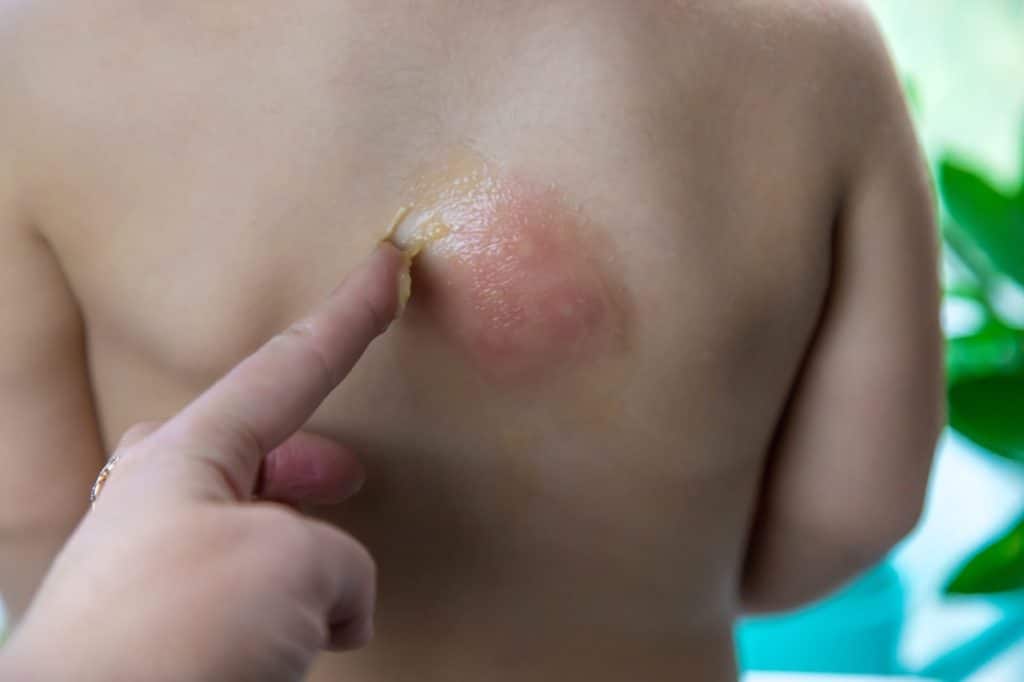
Heat Rash: Excessive sweating in hot, humid climates can lead to a skin irritation known as heat rash. It appears as a group of tiny, red spots or blisters, often found in the elbow creases, under the breasts, around the groin, or on the upper chest and neck.
-
Heat Stress: Workers in hot environments, like firefighters, miners, and construction workers, might experience occupational heat stress. This can escalate to heat exhaustion or heatstroke.
-
Heat Stroke: This is the most critical form of hyperthermia. A life-threatening emergency, heatstroke pushes body temperatures above 40 degrees Celsius, affecting the brain and other organs. It becomes particularly perilous when the body temperature surpasses 41.1 degrees Celsius.

Who is susceptible to hyperthermia?
Heat illnesses can affect anyone, but certain individuals are at a notably higher risk. These include those who:
-
Suffer from dehydration.
-
Are either over the age of 65 or under the age of 4.
-
Engage in intense physical activities in hot conditions.
-
Consume alcohol excessively.
-
Experience an imbalance in electrolytes.
-
Have specific diseases that hinder sweating ability, like cystic fibrosis.
-
Possess certain health conditions related to the heart, lungs, kidneys, liver, thyroid, blood vessels, or those who are significantly overweight or underweight.
-
Use particular medications, such as diuretics, stimulants, sedatives, tranquilizers, or those for heart and blood pressure management.
-
Wear heavy or constrictive clothing during hot weather.
What leads to hyperthermia?
Hyperthermia arises when your body absorbs more heat than it can dissipate. Although sweating serves as a natural way for your body to cool down, there are times when it’s not enough to maintain a normal body temperature. Under these circumstances, your body temperature may increase. Engaging in physical activities in extremely hot and humid conditions is typically the primary cause of hyperthermia.
What are the indications of hyperthermia?
The signs of hyperthermia vary based on its severity:
For heat cramps, common symptoms include abrupt muscle spasms in the feet, calves, thighs, hands, or arms. These cramps might be painful or tight, and muscle soreness often follows.
Heat exhaustion manifests through symptoms like:
-
Blurred vision
-
Dizziness
-
Rapid breathing or heartbeat
-
Tiredness
-
Headache
-
Feeling light-headed or fainting (syncope)
-
Low blood pressure
-
Muscle aches or cramps
-
Nausea and vomiting
-
General weakness
Heat stroke symptoms often mirror those of heat exhaustion but can also include:
-
Anhidrosis (absence of sweating despite hot conditions)
-
Coordination difficulties
-
Delirium, marked by confusion or disorientation
-
Skin that is either hot and flushed or very pale
-
Blood pressure that is unusually low or high
-
Seizures
Individuals experiencing heat stroke may face severe complications like shock, coma, organ failure, or even death. Immediate medical attention is crucial for anyone showing signs of heatstroke.
What is the first aid for heat cramps, heat exhaustion, heat rash, and heat stress?
For mild to moderate symptoms of these heat-related conditions, the following steps should be taken:
-
Cease all physical activities and rest in a cool and airy place.
-
Remove any heavy or constricting clothing.
-
Drink beverages with a slight salt content to replenish lost electrolytes. Options include sports drinks or water mixed with a small amount of salt. It’s advisable to avoid drinks containing caffeine.
-
Apply a cool, damp cloth to the skin.
-
To alleviate skin irritation, keep the affected area dry and use powder or an ointment.
-
Gently stretch muscles that are cramping.
These conditions can typically be managed at home. However, in certain situations, a healthcare professional might suggest rehydration through intravenous (IV) fluids, administered via a catheter in the arm.

First Aid Response for Heat Stroke
In cases of suspected heat stroke, immediate action is vital to reduce body temperature and avert further harm. Initially, relocate the individual to a shaded spot or an air-conditioned room. If that’s not feasible, create shade using an umbrella, tarp, or similar items.
Then, cool the person down by applying wet towels or splashing them with cool water. If using ice packs, be cautious and always encase them in cloth or a towel to prevent skin damage. When applying ice directly to the skin, limit each application to 10 minutes, interspersed with 5-minute breaks.
Another method to reduce core body temperature includes taking a cool shower, dampening their clothes with cold water, or using a spray bottle or wet towel on their skin. Placing ice packs on the neck, armpits, and groin can accelerate the cooling process.
Creating airflow is another effective strategy. Use a fan to circulate air around the person (evaporative cooling) or manually fan them with cardboard or a magazine.
Lastly, removing excess clothing is crucial during heatstroke. Take off their shirt or jacket, and loosen belts or waistbands. Eliminating unnecessary or tight clothing is key, as the skin plays a major role in regulating body temperature. Exposing as much skin as possible to a breeze or air conditioning is among the quickest ways to restore a healthy body temperature.
Prevention Strategies for Hyperthermia
Hyperthermia is largely preventable by taking certain precautions:
-
Refrain from engaging in intense physical activities in hot and humid weather.
-
Drink sports beverages, water with a bit of salt, or broth to stay hydrated.
-
Ensure that children and pets are never left in enclosed, hot spaces like cars.
-
During periods of extreme heat, stay in places with air conditioning or adequate ventilation.
-
Opt for wearing clothes that are light in weight and color, and loosely fitted, when out in the heat.
-
If your work or sports activities require you to be in the heat, gradually acclimatise your body to the high temperatures. Start with lighter tasks or exercises about two weeks before you need to undertake more strenuous work. Incrementally increase your body’s tolerance to heat. If possible, schedule the more intense work for early mornings when temperatures are likely to be cooler.
Medical Assistance for Heat-Related Illnesses
In situations where someone exhibits symptoms of heat exhaustion or other heat-related conditions and their body temperature rises above 37°C (98.6°F), immediate emergency medical attention is necessary; dial Triple Zero (000) or your local emergency services promptly. Heatstroke is an extremely serious condition, and even less severe heat-related illnesses can harm vital organs.
Should there be no improvement in the person’s condition during heat waves, humid climates, heat stress, or extreme heat, it’s crucial to contact emergency services without delay. Additionally, seek medical advice if you or someone else:
-
Experiences a high fever.
-
Has difficulties with walking, breathing, or speaking.
-
Exhibits excessive sweating.
-
Loses consciousness.
-
Appears confused or disoriented.
Summing Up
In conclusion, hyperthermia is a serious condition that demands immediate attention and appropriate response. Whether it’s heat cramps, heat exhaustion, heat rash, or the more severe heat stroke, understanding the signs and knowing how to provide prompt and effective first aid can be the difference between a quick recovery and a life-threatening situation. The key lies in early recognition, prompt action, and preventive measures.
As we’ve seen, hyperthermia can affect anyone, but with the right knowledge and skills, its impact can be significantly mitigated. Remember, staying informed and prepared is your best defence against heat-related illnesses. To deepen your understanding of these conditions and enhance your ability to respond effectively, explore more detailed information on heat stroke and heat exhaustion provided by First Aid Pro. Their comprehensive resources offer valuable insights and practical advice to keep you and those around you safe in high-temperature environments.
Don’t let the heat beat you. Stay cool, stay informed, and stay safe with First Aid Pro.
Frequently Asked Questions
What exactly is hyperthermia?
Hyperthermia is a condition where the body’s temperature rises above normal levels (above 37°C), often due to environmental heat exposure or physical exertion. It differs from a fever, where the body’s temperature set-point is raised in response to illness.
What are the common causes of hyperthermia?
The primary cause of hyperthermia is the body absorbing or producing more heat than it can release, often during high temperatures or physical activity in hot, humid weather. Lack of proper hydration and wearing heavy clothing can also contribute.
Who is most at risk for hyperthermia?
While anyone can suffer from hyperthermia, those at higher risk include individuals over 65 years, children under 4, people engaged in strenuous activities in hot weather, individuals with certain medical conditions, and those taking specific medications.
What are the signs of hyperthermia to look out for?
Symptoms vary but may include muscle cramps, dizziness, rapid heartbeat, headache, nausea, extreme fatigue, confusion, and in severe cases like heatstroke, dry skin, and loss of consciousness.
How can hyperthermia be prevented?
Preventive measures include avoiding strenuous activities in hot weather, staying hydrated, wearing lightweight and loose clothing, and acclimatising to hot environments gradually. Also, stay in air-conditioned or well-ventilated areas during heat waves.
What should I do if I or someone else shows signs of hyperthermia?
Move to a cool, shaded area, rest, remove heavy clothing, drink slightly salty fluids like sports drinks, apply cool compresses, and gently stretch cramped muscles. Seek medical attention if symptoms are severe or do not improve.
Why is first aid training important for managing hyperthermia?
First aid training provides the knowledge and skills necessary to recognise and respond to hyperthermia effectively, potentially preventing serious complications. Crucial for anyone who works or spends significant time in hot environments, obtaining first aid accreditation can set you up to address the symptoms of hyperthermia and potentially save a life.