



Sharon has 21+ years of experience as a qualified Emergency Care Nurse registered with the Australian Health Practitioner Regulation Agency (APHRA) and 12+ years as a First Aid Trainer.
She takes pride in FirstAidPro making first aid training available, comprehensive and affordable to everybody.
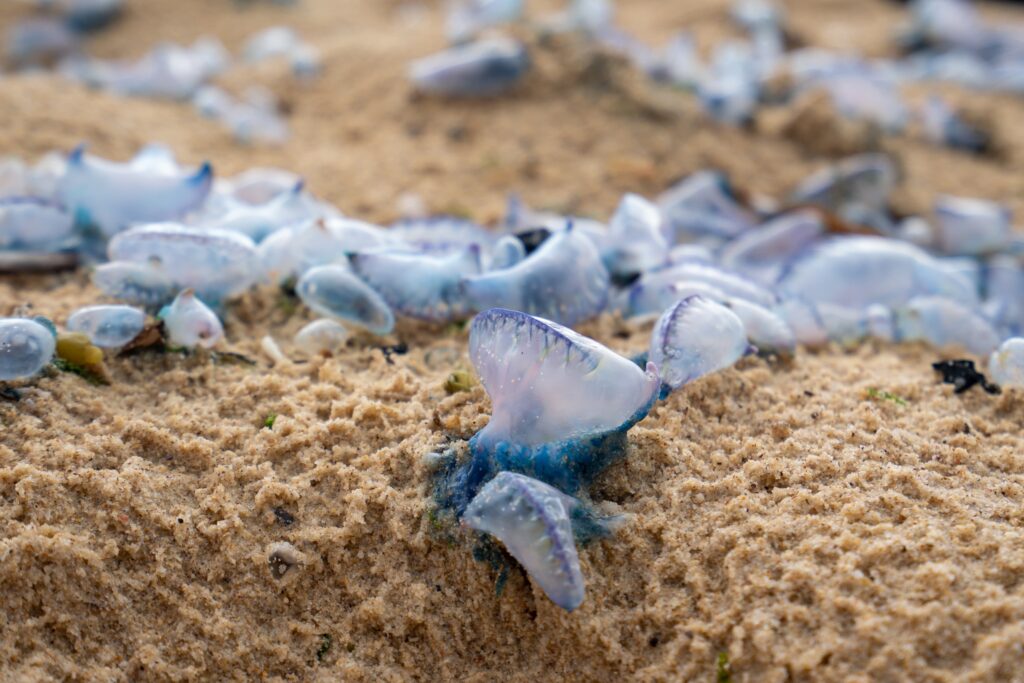
Bluebottles are an unfortunate mainstay of Australia’s beaches. Whether you’re a regular by the waves all year around, or you visit in the summer when the weather is perfect, you’ve undoubtedly seen a dozen of these little blue critters.
Bluebottle stings are one of the most common and most notorious swimming injuries that occur across Australia’s beaches. While they are indeed painful, thankfully treating them is a relatively straightforward process. To help you out, we’ve put together a definitive guide to bluebottles, their stings, and how to treat them, so that you can enjoy your next visit to the beach.
What is a Bluebottle?
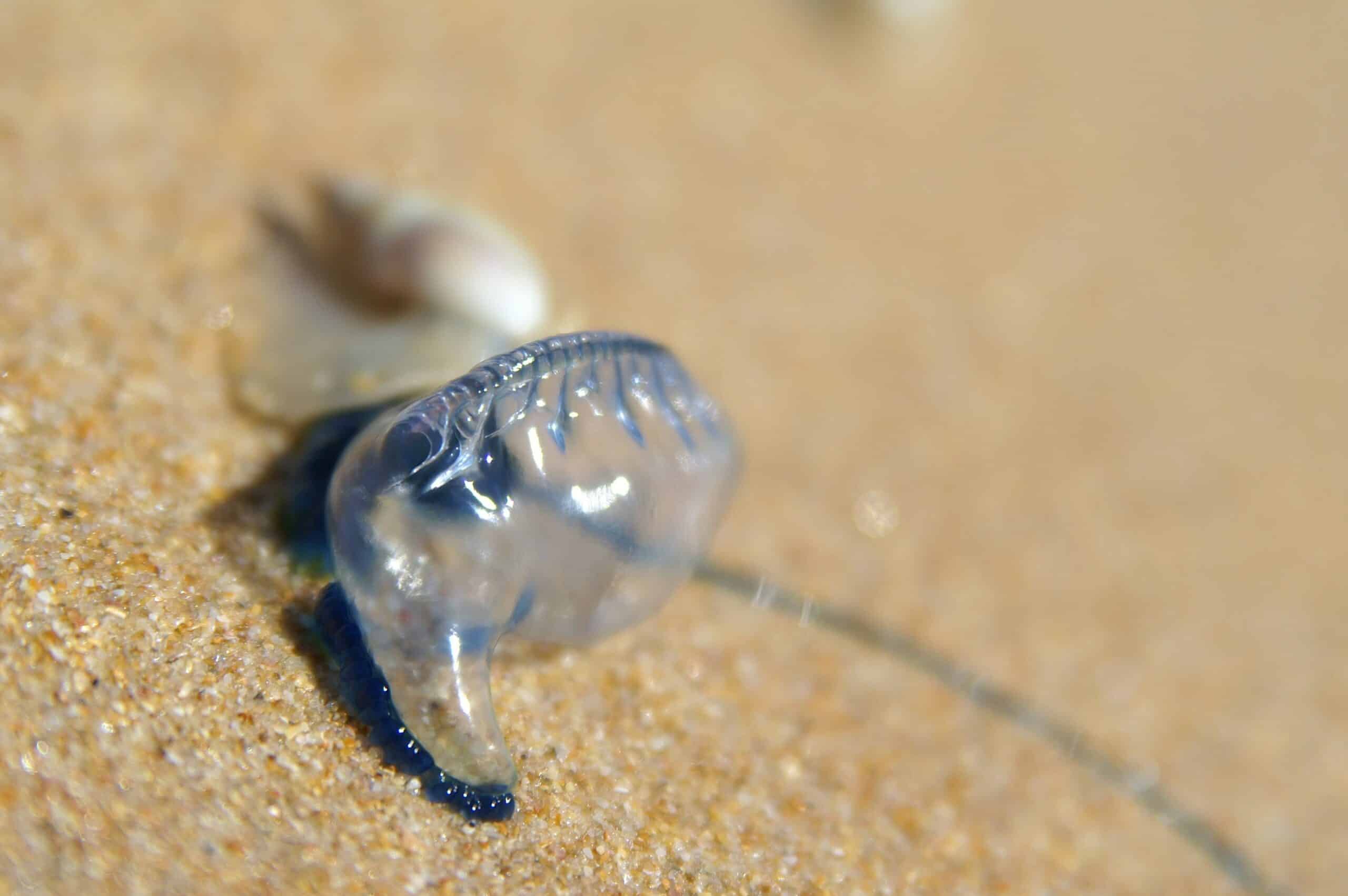
Despite them often being called “bluebottle jellyfish”, a bluebottle is not a jellyfish at all, but a creature known as a Man o’ War. Whereas a jellyfish is a single living organism, a Man o’ War is a colony, a collection of multiple creatures living together as one. The official name of the bluebottle is the Portuguese Man O’ War.
Bluebottles are easy to identify, as this nickname comes from their blueish appearance, although typically they resemble plastic bags more than they do bottles. They have a distinctive floating bladder, typically blue or purple, which helps them stay buoyant on the water’s surface. Below the float, long tentacles with venomous stinging cells dangle, serving both for defence and capturing prey such as plankton and tiny fish.
Bluebottles can be found in many of the world’s seas and oceans. Among these, they’re often found in the Indian and Pacific oceans, explaining why they’re so highly associated with Australian beaches.
Bluebottle Stings
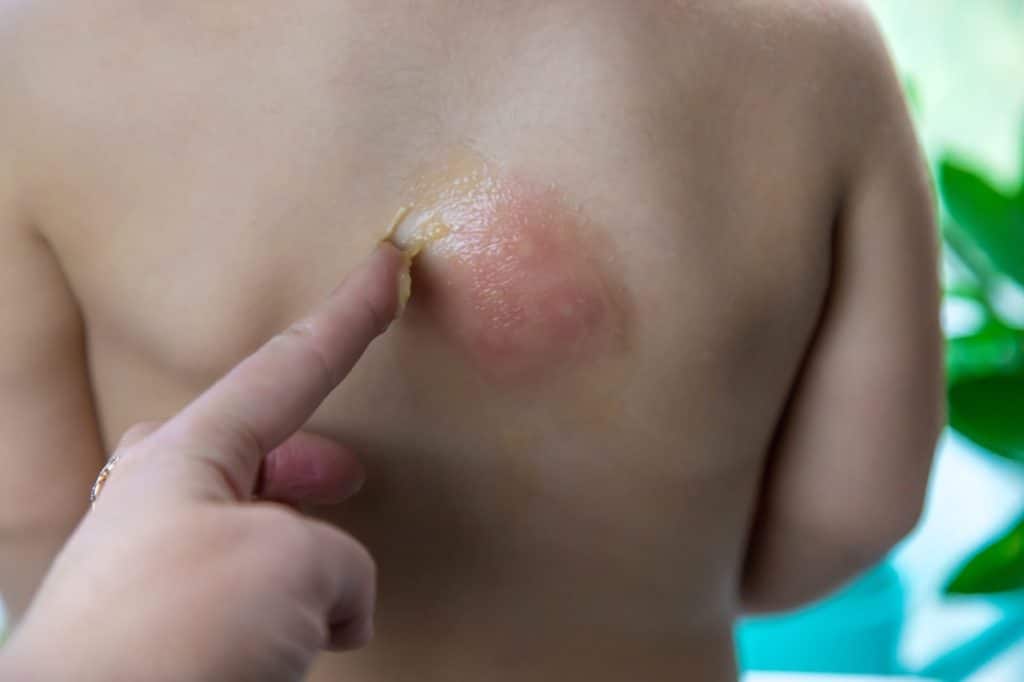
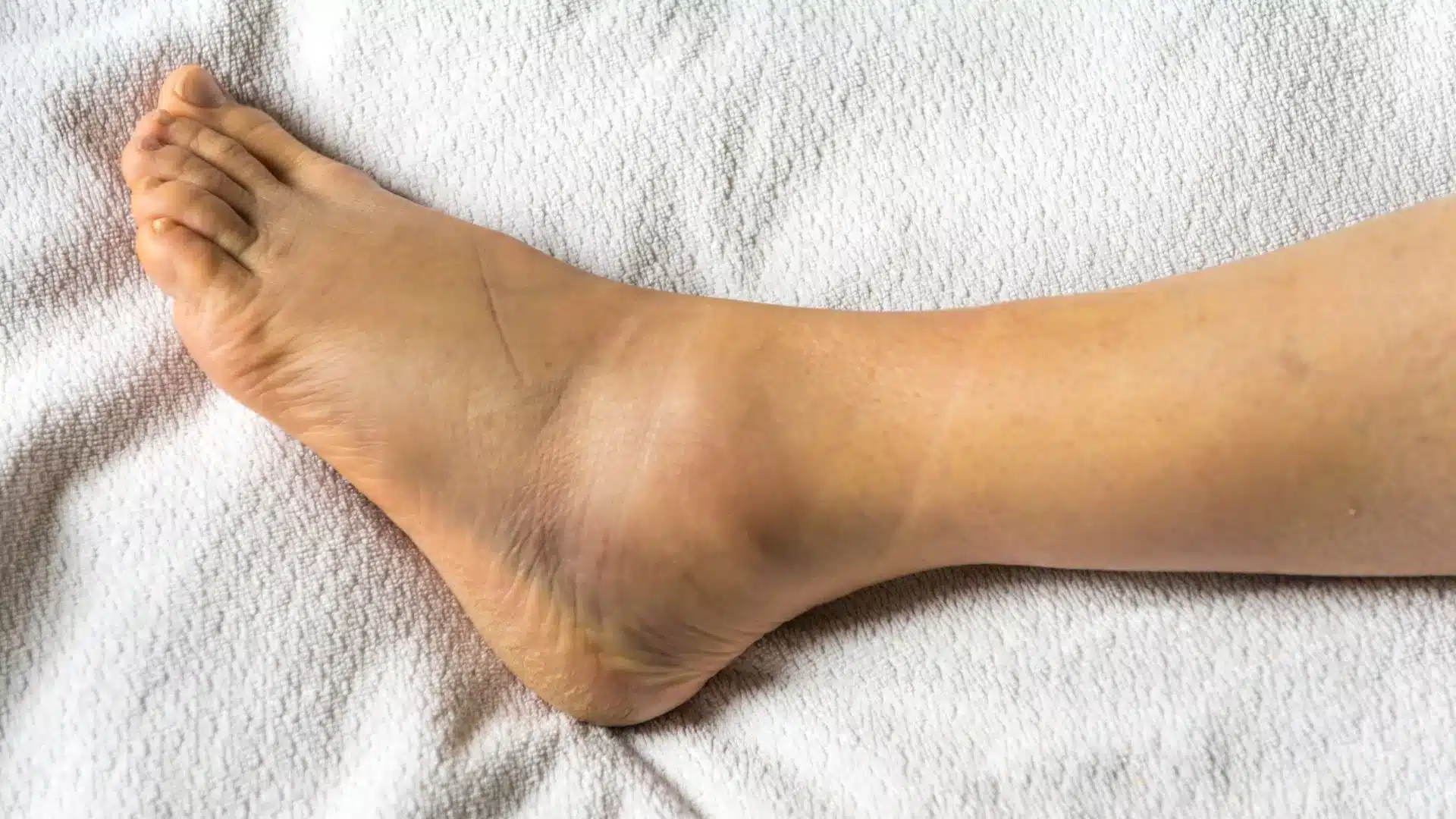
A bluebottle sting causes immediate and intense pain, often described as a burning or stinging sensation. The affected area may become red and swollen, and develop raised welts. In some cases, the pain can radiate along the extremity or move toward nearby lymph nodes, and abdominal pain may occur regardless of whether the person was stung there or on one of their limbs.
The duration of symptoms depends on the person, their medical history and the size of the sting. Typically, the pain from a bluebottle sting lasts an hour, redness for 48 hours, and a rash can last up to a week. While not deadly, stings to sensitive areas like the face or throat can pose a more significant risk and require immediate medical attention.
In extreme and rare cases, a bluebottle sting can mimic a severe allergic reaction by presenting difficulty breathing, swelling of the face, throat or tongue, a sudden drop in blood pressure, dizziness, fainting, and loss of consciousness. It is important to note, however, that a bluebottle sting cannot cause allergic reactions and therefore, an EpiPen will not be of any use for treating the sting.
First Aid
If you or someone at the beach has been stung by a bluebottle, there’s no need to fret. Treating bluebottle stings is straightforward. Start by removing any tentacles still attached to the skin using tweezers or a gloved hand. Rinse the affected area with seawater to help deactivate any remaining venom. It is also crucial to avoid rubbing the affected area, as this may further release venom and increase the discomfort.
While the victim should now be safe from the bluebottle venom, they’re likely still in severe pain. To provide pain relief, apply a cold pack or ice wrapped in a cloth to reduce pain and swelling. Using hot water immersion in the affected area or taking a hot shower can also provide pain relief. Over-the-counter pain medications or creams are also effective.
If symptoms worsen, seek medical assistance immediately.
No Vinegar!
Vinegar is commonly recommended for jellyfish stings, especially for those of the box jellyfish or Irukandji jellyfish, but it is highly discouraged as a treatment for those of a bluebottle. Jellyfish sting treatment is different as it contains a different venom, so while vinegar is effective, remember that bluebottles are not jellyfish. Vinegar can increase the venom activation of bluebottle stings, leading to greater and more extreme pain and discomfort.

The Key is Preparedness
Being prepared, knowledgeable, and skilled enough to provide first aid can make a significant difference in managing bluebottle stings and other emergencies. If you want to ensure you’re equipped to respond effectively in such situations, a course with FirstAidPro is key. Our courses provide valuable training on recognising and responding to various injuries and medical emergencies. By investing a little time and effort in learning these life-saving skills, you can become an empowered and confident first responder, able to assist others and potentially even save lives.