



Skip to content
Online Courses​
no-Online Courses
Online Courses​
no-Online Courses
no-Online Courses
Online Courses​
Nationally Accredited First Aid Courses
(08) 7120 2570
Firstaidpro Logo
[wp_menu_megatabs id="493"]
Student login
daily deals
No-Online

OR

Online
Applicable to:
Healthcare
Aged Care & NDIS Support
Construction
Warehousing

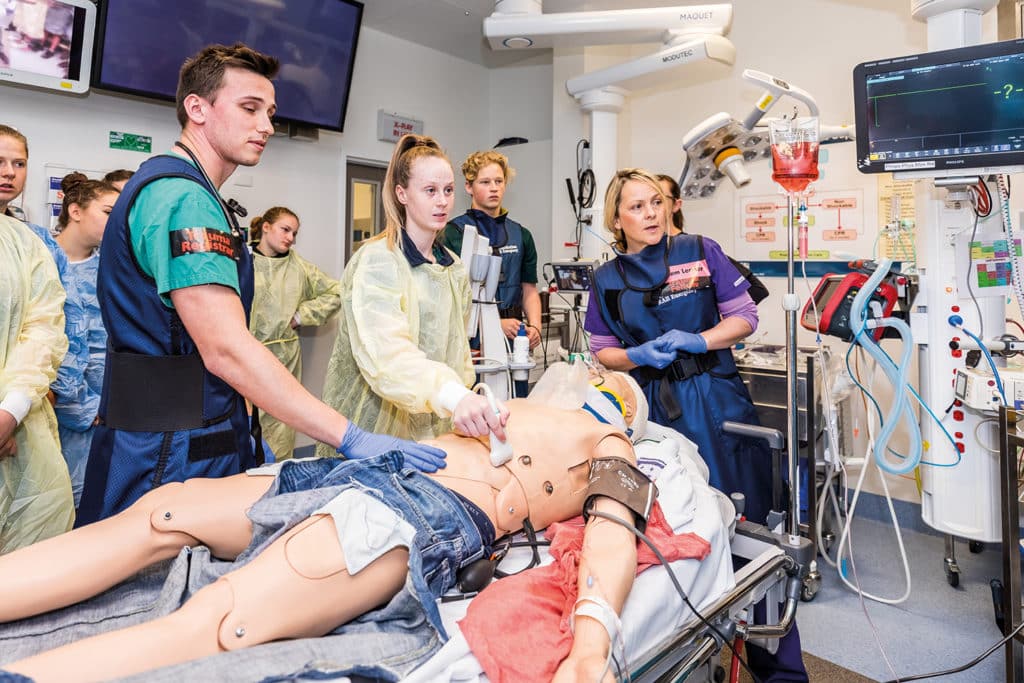
Adelaide’s Hospitals Struggle To Deal With Demand At Emergency Departments

dbdigital 54 web 1 1024x683 1

Table of Contents

  • About
  • Latest Posts
Sharon McCulloch
Sharon McCulloch
CEO, Founder and First Aid Trainer at FirstAidPro
Sharon McCulloch is the CEO and Founder of FirstAidPro, Australia's leading Registered Training Organisation (31124), delivering First Aid Courses nationwide.

Sharon has 21+ years of experience as a qualified Emergency Care Nurse registered with the Australian Health Practitioner Regulation Agency (APHRA) and 12+ years as a First Aid Trainer.

She takes pride in FirstAidPro making first aid training available, comprehensive and affordable to everybody.
Sharon McCulloch
Latest posts by Sharon McCulloch (see all)
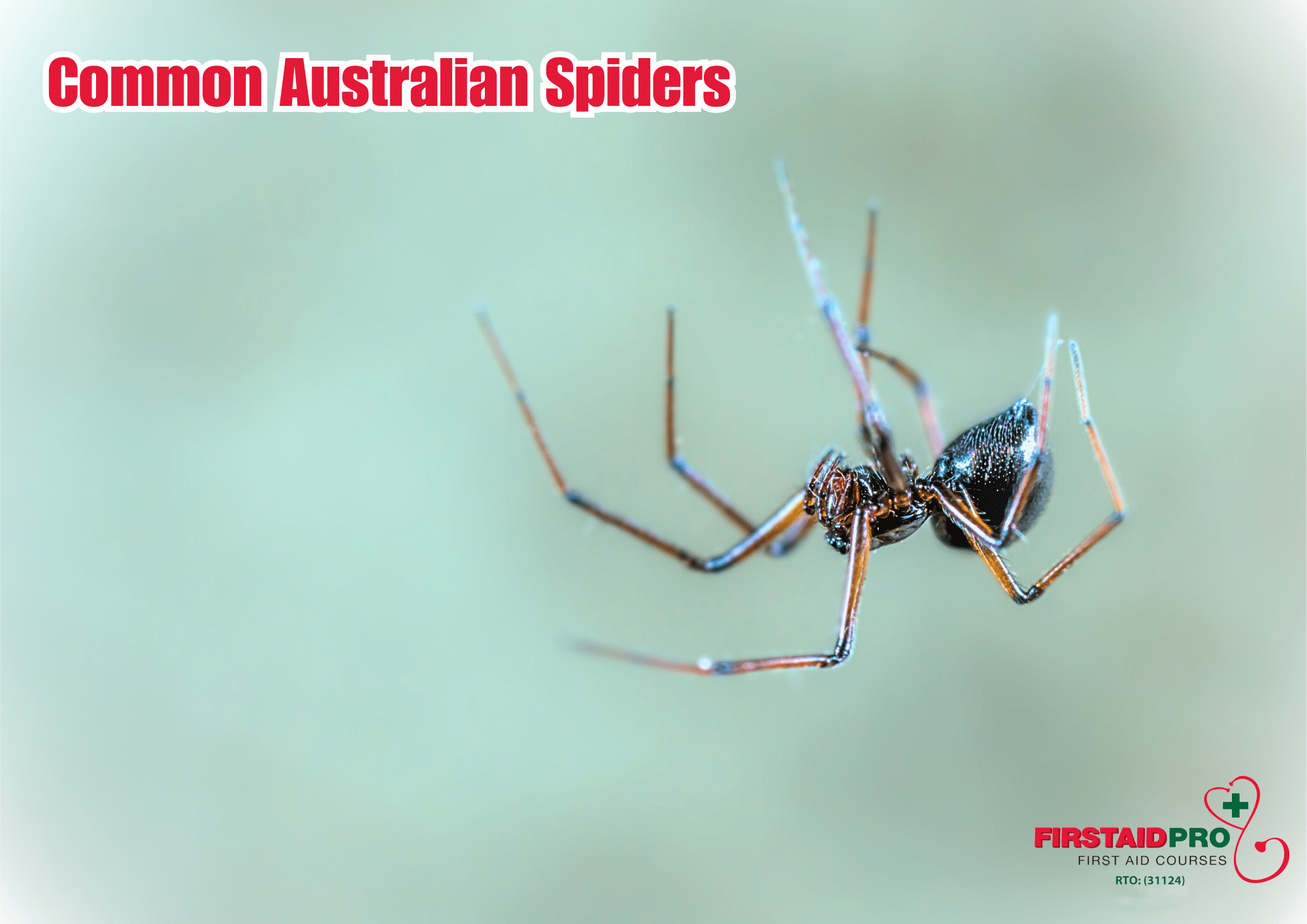
  • Australian Spider Bite & Bite First Aid Guide – Identification, Symptoms & Treatment - 14/04/2026
  • Anti-Inflammatory Tablets – Sting & Bite Symptoms, Risks & First Aid - 10/04/2026
  • LVR CPR Training Australia: What Is the UETDRMP018 Course and Who Needs It? - 08/04/2026

Adelaides hospitals systems are still under siege, with public emergency departments well over capacity and chronic ramping. With the 2018 Flu season well into full swing, emergency departments contain to run at maximum capacity.

Members of the public are encouraged to the national Health Direct line for advice and information, which provides online and telephone access to trusted health information and advice.  The line is staffed by registered nurses 24 hours a day, 7 days a week. You can reach them by calling 1800 022 222.

Influenza, commonly known as the flu, is an infection of the nose, throat and lungs caused by the influenza A or B (or rarely C) viruses. It is highly infectious.

In Australia, seasonal flu of varying severity occurs every year, usually between May and September.

Signs And Symptoms

Symptoms include:

  • Rapid onset of fever
  • Headache
  • Muscle aches
  • Fatigue
  • Sneezing
  • Running nose
  • Sore throat
  • A cough.

Most people recover within a week, although the cough and fatigue may last longer. Flu is much more serious than the common cold. It can lead to pneumonia (lung infection or inflammation) and other complications, and even death, particularly in:

  • People aged 65 years and over
  • Pregnant women
  • Young children
  • People with chronic conditions like heart disease, diabetes and lung disease

Treatment

Most people recover with rest, drinking plenty of fluids and using paracetamol to relieve pain and fever. Aspirin should not be given to children under 12 years of age unless specifically recommended by a doctor.

People with moderate or severe illness, pregnant women, Aboriginal and Torres Strait Islander Australians and those with chronic medical conditions may benefit from specific antiviral medication. This can reduce symptoms by about 1 day and prevent some of the more serious flu complications, but it is only effective if commenced within 48 hours of illness onset.

Antiviral therapy may sometimes be used to prevent infection in close contacts of people with flu, such as vulnerable household contacts and residents of institutions such as aged care facilities. A contact is any person who has been close enough to an infected person to be at risk of having acquired the infection from that person.

When to seek medical advice

Seek medical advice if:

  • You are concerned about the symptoms
  • Symptoms are getting worse
  • Shortness of breath
  • Difficulty breathing
  • Confusion
  • Inability to keep liquids down because of vomiting
  • Symptoms of dehydration (such as being dizzy when standing or passing much less urine than normal).

First Aid Courses You Might Be Interested In:

  • HLTAID009 – Provide cardiopulmonary resuscitation (supersedes HLTAID001 Provide cardiopulmonary resuscitation)
  • HLTAID010 Provide basic emergency life support (supersedes HLTAID002 Provide basic emergency life support)
  • HLTAID011 – Provide First Aid (includes CPR) (supersedes HLTAID003 Provide first aid)
  • HLTAID012 – Provide First Aid in an education and care setting (supersedes HLTAID004 Provide an Emergency First Aid Response in an Education and Care Setting)
  • HLTAID013 – Provide First Aid in Remote Situations (supersedes HLTAID005)

Prevention

  • Exclude people with flu from childcare, preschool, school and work until there has been no fever for 24 hours (without using a fever-reducing medicine such as paracetamol).
  • Wash hands as soon as possible after sneezing or coughing and after contact with nose and throat discharges or articles soiled by these. Use soap and water or an alcohol-based hand rub.
  • Wipe down all frequently touched surfaces regularly with a cleaning cloth dampened with detergent or a large alcohol wipe.
  • Cover a cough or sneeze with a tissue or your arm, not with your hand. Drop used tissues immediately into a rubbish bin, then wash your hands.
  • Flu vaccines reduce the risk of getting severe influenza. Flu vaccination is required every year as the influenza virus is constantly changing, and each year the flu vaccines are altered to provide protection against the circulating strains.
  • Annual flu vaccination is recommended for anyone 6 months or older who wishes to reduce the likelihood of becoming ill with flu.
  • Annual flu vaccination is strongly recommended and should be actively promoted for people at increased risk of complications from flu infection or who may transmit flu infection to others at increased risk of complications.

Useful Links

SA Health Immunisations
Immunisation
Immunisation programs
Flu vaccine and pregnancy frequently asked questions
Flu vaccine frequently asked questions
Flu vaccine myths
Vaccines

Book a First Aid Course

The content on this website offers general insights regarding health conditions and potential treatments. It is not intended as, and should not be construed as, medical advice. If you are facing a medical emergency, dial 000 immediately and follow the guidance provided.

Recent Posts
Common Australian Spiders
Australian Spider Bite & Bite First Aid Guide – Identification, Symptoms & Treatment
14/04/2026

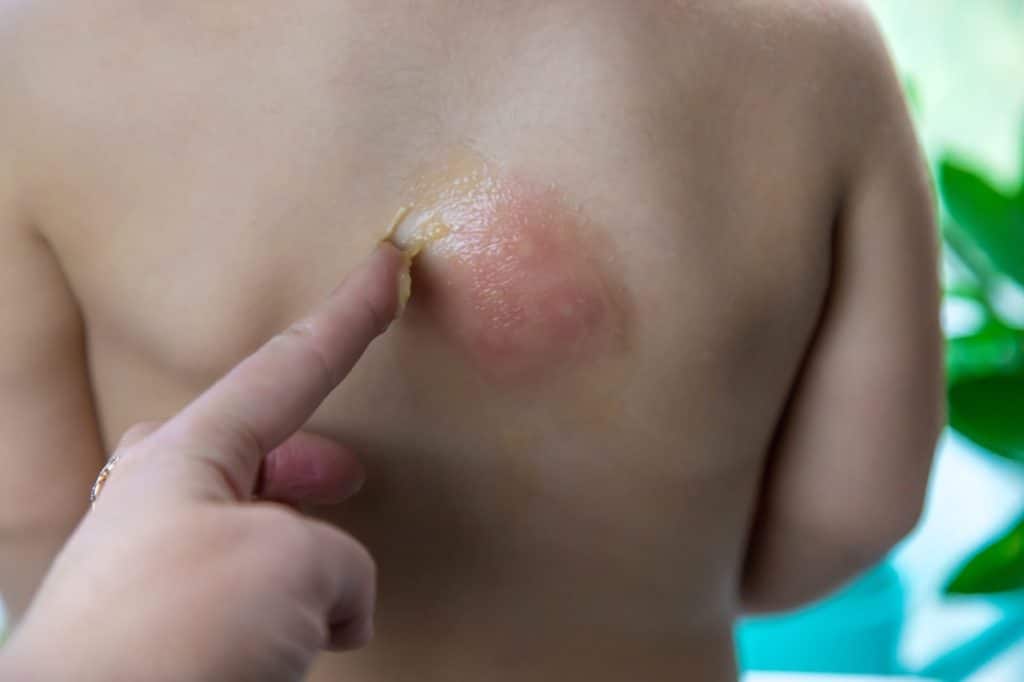
An Australian spider bite is common, but serious injury is rare. This guide explains how to identify several Australian spiders, what a spider bite looks …

infected-insect-bite
Anti-Inflammatory Tablets – Sting & Bite Symptoms, Risks & First Aid
10/04/2026

Key Takeaways Anti-inflammatory tablets reduce pain and swelling from insect bites and stings but cannot treat serious allergic reactions or anaphylaxis.NSAIDs such as ibuprofen are …

LVR CPR Training -UETDRMP018 Perform Rescue From A Live Low Voltage Panel
LVR CPR Training Australia: What Is the UETDRMP018 Course and Who Needs It?
08/04/2026

Low voltage rescue (LVR) is the process of safely removing a person from contact with a live low voltage electrical panel and providing emergency care …

CPR and AED
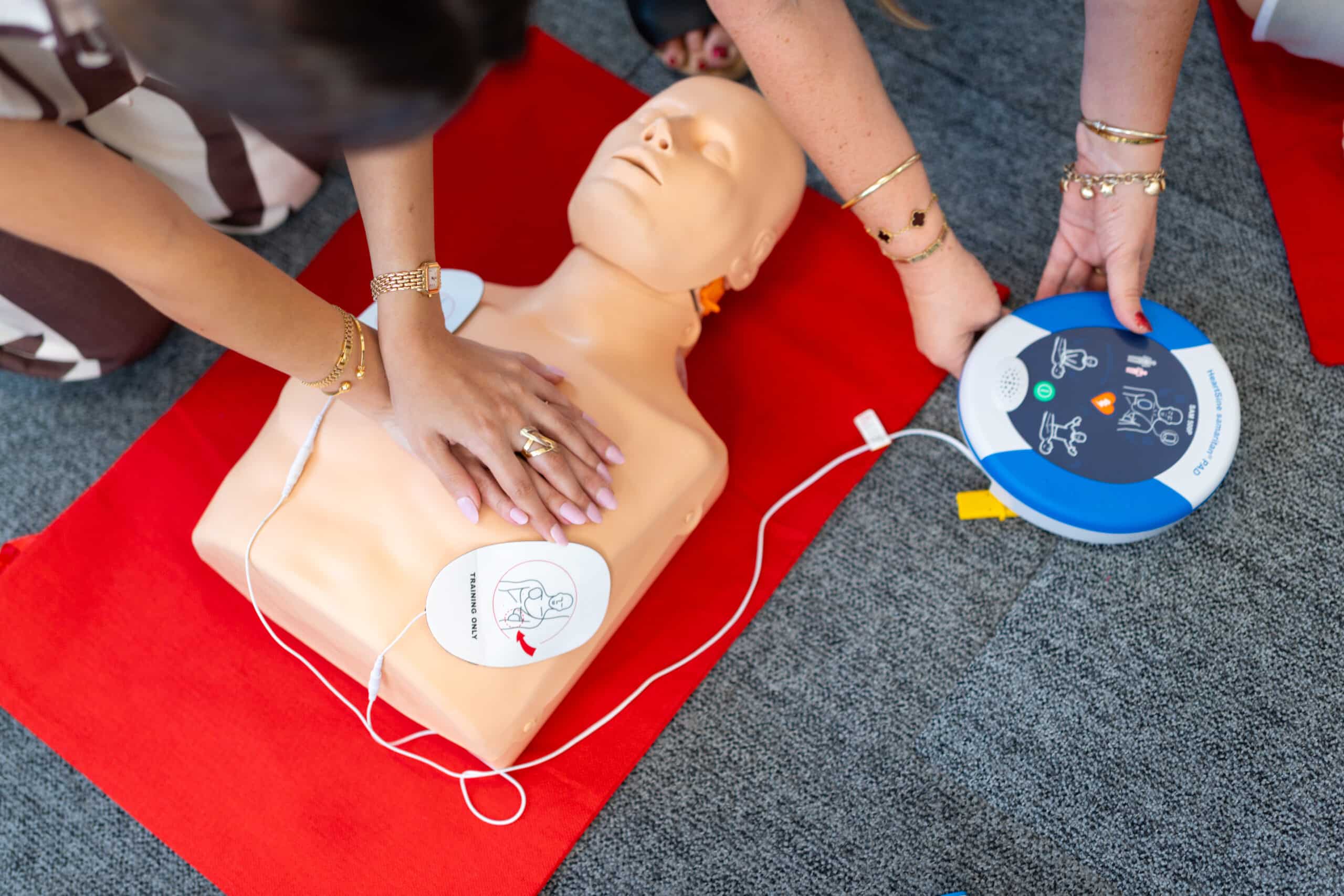
CPR and AED: Why They’re Critical for Saving Lives in Emergencies
01/04/2026

CPR and AED are life-saving first aid techniques used during cardiac arrest to help save lives before an ambulance arrives. When a person’s heart stops …

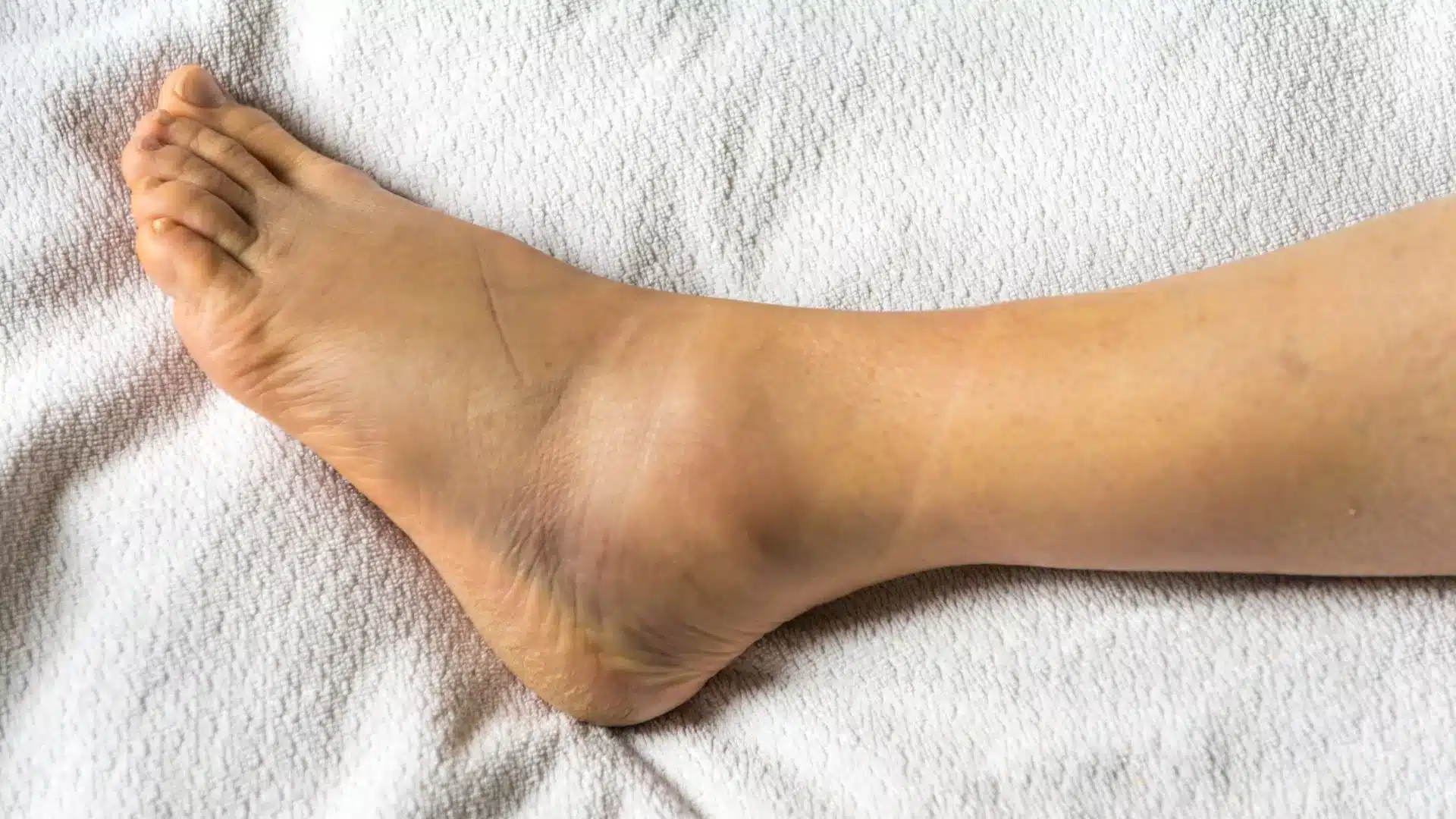
sprain of the ankle
Sprain vs Strain: Key Differences, Symptoms, and First Aid Treatment
27/03/2026

A sprain is a common soft-tissue injury that occurs when a ligament is stretched or torn, usually after a fall, twist, or sudden impact. Sprains …

Information
  • About Us
  • Contact Us
  • Mental Health Pro
  • Onsite Training
  • Careers
  • Collaborations
  • Course Calendar
  • Daily Deals
  • FAQs
  • Explore Our Courses
  • Instant Price Beat
  • Partners
  • Same Day Certificates
Resources
  • Student Login
  • Blog
  • Learn First Aid
  • Create Your USI
  • Find Your USI
  • First Aid Charts
Popular Courses
  • CPR
  • First Aid
  • Childcare First Aid
  • First Aid Mental Health
  • Remote First Aid
  • Advanced First Aid
  • CPR, Asthma & Anaphylaxis
  • Asthma & Anaphylaxis
  • CPR LVR
  • Manual Handling
  • Manual Handling Refresher
  • Medication Administration
  • White Card
Online Courses
  • Zoom Online CPR
  • Zoom Online First Aid
  • Zoom Childcare First Aid
  • Zoom NDIS HISS Courses
Blended Courses
  • Blended CPR
  • Blended First Aid
  • Blended Childcare First Aid
Charity Courses
  • Free CPR
  • Free First Aid
Locations
  • South Australia
  • Queensland
  • New South Wales
  • Victoria
  • ACT
  • Tasmania
  • Northern Territory
  • Western Australia
Policies & Procedures
  • Academic Honesty
  • Complaints & Appeals
  • LLN
  • Refunds & Cancellations
  • RPL & Credit Transfers
  • Training & Assessment
Firstaidpro Logo
Facebook Instagram Youtube tiktok Pinterest Linkedin
  • Level 3, Unit 6/9 Frinton Street, Southport QLD 4215
  • (08) 7120 2570
  • Get In Touch

FirstAidPro is a leading Registered Training Organisation (RTO: 31124) delivering industry-leading standards and the latest training techniques. We provide you with Australia’s most comprehensive, officially recognised first aid qualification!

  • Same-Day Certificates
  • Courses Available 7 days
  • Nationally Accredited Certification
eway-payment.png
© 2026 Firstaidpro Australia Pty Ltd (RTO: 31124) | ABN: 70 106 788 050 | ACN: 106 788 050 | All rights reserved.
  • Privacy Policy
  • Refund Policy
  • Website Disclaimer
North Hobart