



Skip to content
Online Courses​
no-Online Courses
Online Courses​
no-Online Courses
no-Online Courses
Online Courses​
Nationally Accredited First Aid Courses
(08) 7120 2570
Firstaidpro Logo
[wp_menu_megatabs id="493"]
Student login
daily deals
No-Online

OR

Online
Applicable to:
Healthcare
Aged Care & NDIS Support
Construction
Warehousing

3 Best Tips for First Aid Kits for Cars

first aid kits for cars update your first aid kit

Table of Contents

  • About
  • Latest Posts
Sharon McCulloch
Sharon McCulloch
CEO, Founder and First Aid Trainer at FirstAidPro
Sharon McCulloch is the CEO and Founder of FirstAidPro, Australia's leading Registered Training Organisation (31124), delivering First Aid Courses nationwide.

Sharon has 21+ years of experience as a qualified Emergency Care Nurse registered with the Australian Health Practitioner Regulation Agency (APHRA) and 12+ years as a First Aid Trainer.

She takes pride in FirstAidPro making first aid training available, comprehensive and affordable to everybody.
Sharon McCulloch
Latest posts by Sharon McCulloch (see all)
  • Australian Spider Bite & Bite First Aid Guide – Identification, Symptoms & Treatment - 14/04/2026
  • Anti-Inflammatory Tablets – Sting & Bite Symptoms, Risks & First Aid - 10/04/2026
  • LVR CPR Training Australia: What Is the UETDRMP018 Course and Who Needs It? - 08/04/2026

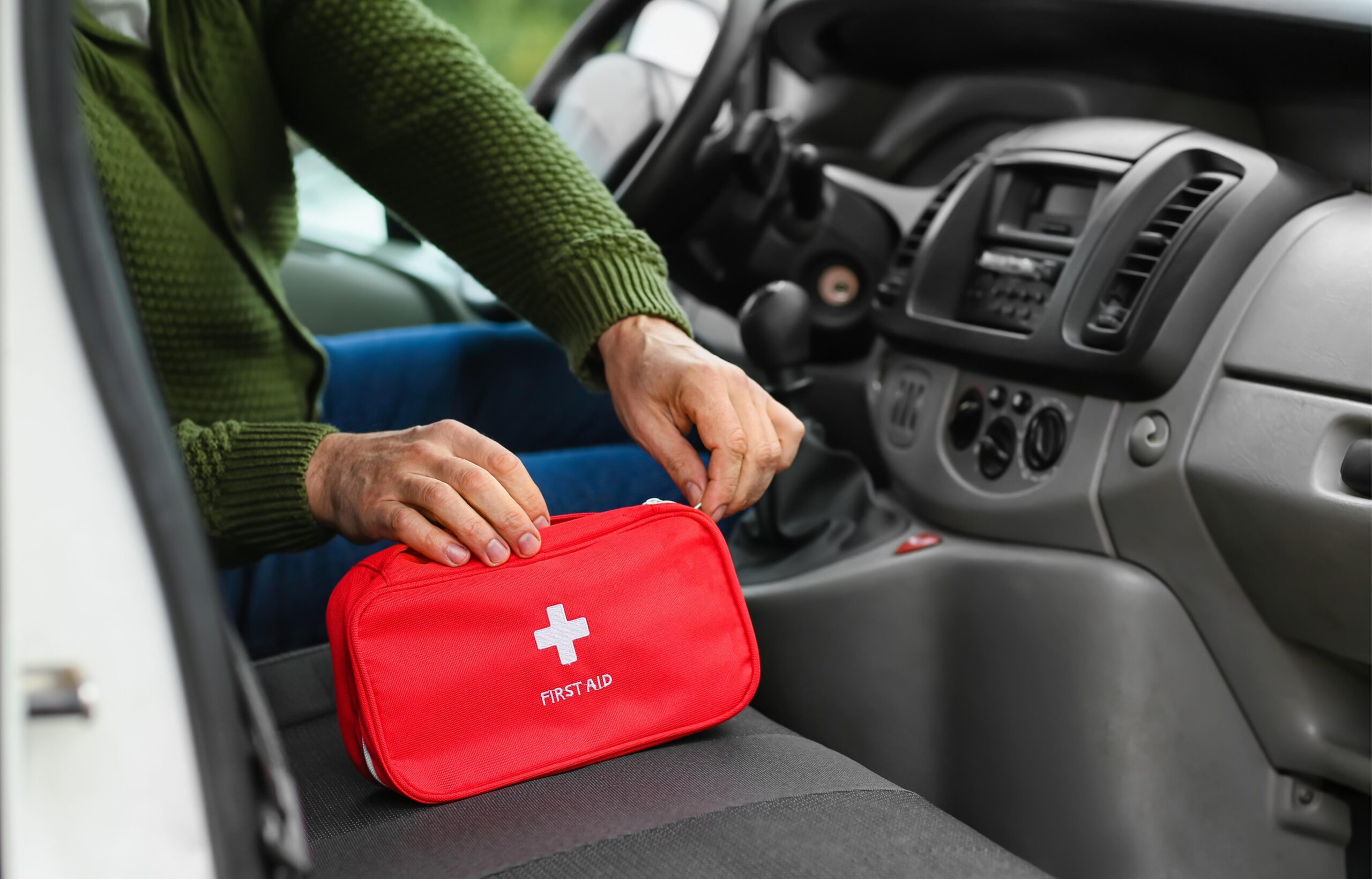
Be prepared by learning how to pack and choose the best first aid kits for cars. You’ve packed your bags, filled up the tank, and you’re ready to hit the road. But have you considered the essential safety gear for your journey?

Choosing the right first aid kit for your car can make all the difference in an emergency. Whether you’re looking for a compact solution, a thorough kit, or one tailored specifically for automotive needs, there’s an option out there that’s perfect for your travels.

Let’s explore three top-rated first aid kits that will guarantee you’re prepared for whatever surprises the open road may throw your way.

first aid kits for cars and various contents

Key Takeaways

• Look for compact kits that fit easily in glove compartments or centre consoles for convenient storage.

• Ensure kits include essential supplies like bandages, gauze, antiseptic wipes, and pain relief medication.

• Consider kits with specialised automotive tools such as seat belt cutters and glass breakers for emergency situations.

• Choose kits with durable, water-resistant cases to protect contents from damage and environmental factors.

• Verify that kits include multi-use tools and are well-organised for quick access during emergencies.

flat lay with fire extinguisher, automotive handbag, first aid kit and car tow rope on red backdrop

Compact and Portable First Aid Kits for Cars

When selecting a first aid kit for your vehicle, prioritise compact and portable options that fit easily in your glove compartment or centre console. These space-efficient kits are designed for travel convenience without compromising on essential supplies.

Look for kits with durable, water-resistant cases that protect contents from moisture and damage. Opt for designs with clear compartments or labels to quickly locate items during emergencies.

Ensure your compact kit includes adhesive bandages in various sizes, gauze pads, antiseptic wipes, burn gel, and pain relief medication. Don’t overlook the importance of scissors, tweezers, and disposable gloves. Some portable kits feature multi-use tools that combine scissors, tweezers, and a magnifying glass, maximising functionality while minimising space.

Consider kits with emergency blankets and instant cold packs for added versatility. If you have specific medical needs, customise your first aid kit with personal medications or additional supplies.

Regularly check expiration dates and replace used items to maintain kit readiness. By choosing a compact and portable first aid kit, you’ll have peace of mind knowing you’re prepared for minor injuries or emergencies during your travels without sacrificing valuable vehicle space.

Comprehensive First Aid Kits for Cars

First aid medical kit isolated on white background

Thorough emergency preparedness kits expand beyond basic first aid supplies, integrating essential tools and resources to address a wider range of potential roadside emergencies. These extensive kits typically include advanced wound care materials, such as sterile burn dressings, trauma pads, and hemostatic agents, alongside standard bandages and antiseptics.

You’ll find emergency supplies like thermal blankets, high-visibility vests, and multi-tool devices that can prove invaluable during unexpected situations. A well-equipped kit should also contain a flashlight with extra batteries, waterproof matches, and an emergency whistle.

Consider including a compact battery-powered radio for weather updates and emergency broadcasts. Hydration is vital, so pack water purification tablets and collapsible water containers. For vehicle-specific emergencies, include jumper leads, a tyre repair kit, and a small fire extinguisher. Don’t forget to add non-perishable food items and any necessary personal medications.

When selecting a thorough kit, prioritise one that’s well-organised with clearly labelled compartments. This guarantees quick access to needed supplies in stressful situations. Regularly check and replenish your kit to maintain its effectiveness, replacing expired items and updating contents based on seasonal needs and your travel plans.

Specialised First Aid Kits for Cars

top view of fire extinguisher, first aid kit and jump start cables on red background

In addition to extensive kits, specialised automotive first aid solutions cater specifically to vehicle-related injuries and emergencies you might encounter on the road. These kits focus on addressing automotive trauma and roadside emergencies, containing items uniquely suited for car-related incidents.

You’ll find specialised tools like seat belt cutters and glass breakers, essential for quick vehicle exits in emergencies. Burn dressings and eye wash solutions are included to treat injuries from hot engine parts or battery acid. High-visibility vests and reflective triangles guarantee your safety while attending to roadside issues.

These kits often feature heavy-duty gloves to protect your hands when dealing with sharp metal or glass. You’ll also find instant cold packs for impact injuries and splint materials for fractures or sprains. Some kits include fire extinguishers designed for vehicle fires and jumper cables for battery-related issues.

When selecting a specialised automotive first aid kit, consider your vehicle type and typical travel conditions. Verify the kit is compact enough to store easily yet thorough enough to address potential automotive emergencies you may face during your travels.

Frequently Asked Questions

 

How Often Should I Replace Items in My Car's First Aid Kit?

Did you know 40% of first aid kit items expire within 3-5 years? You should check your car’s kit annually. Inspect expiry dates, replace expired items, and perform regular kit maintenance. Don’t forget to restock used supplies promptly.

Are There Legal Requirements for Carrying First Aid Kits in Vehicles?

While not mandated, many regions require specific first aid essentials. Check your local laws to verify compliance and enhance your on-road safety preparedness.

What's the Ideal Temperature for Storing a First Aid Kit in Cars?

You should store your car’s first aid kit between 4° C and 29° C to maintain item integrity. Avoid temperature extremes that can degrade medications and supplies. Use insulated containers and place the kit in a cool, dark area for ideal preservation.

The content on this website offers general insights regarding health conditions and potential treatments. It is not intended as, and should not be construed as, medical advice. If you are facing a medical emergency, dial 000 immediately and follow the guidance provided.

Recent Posts
Common Australian Spiders
Australian Spider Bite & Bite First Aid Guide – Identification, Symptoms & Treatment
14/04/2026

An Australian spider bite is common, but serious injury is rare. This guide explains how to identify several Australian spiders, what a spider bite looks …

infected-insect-bite
Anti-Inflammatory Tablets – Sting & Bite Symptoms, Risks & First Aid
10/04/2026

Key Takeaways Anti-inflammatory tablets reduce pain and swelling from insect bites and stings but cannot treat serious allergic reactions or anaphylaxis.NSAIDs such as ibuprofen are …

LVR CPR Training -UETDRMP018 Perform Rescue From A Live Low Voltage Panel
LVR CPR Training Australia: What Is the UETDRMP018 Course and Who Needs It?
08/04/2026

Low voltage rescue (LVR) is the process of safely removing a person from contact with a live low voltage electrical panel and providing emergency care …

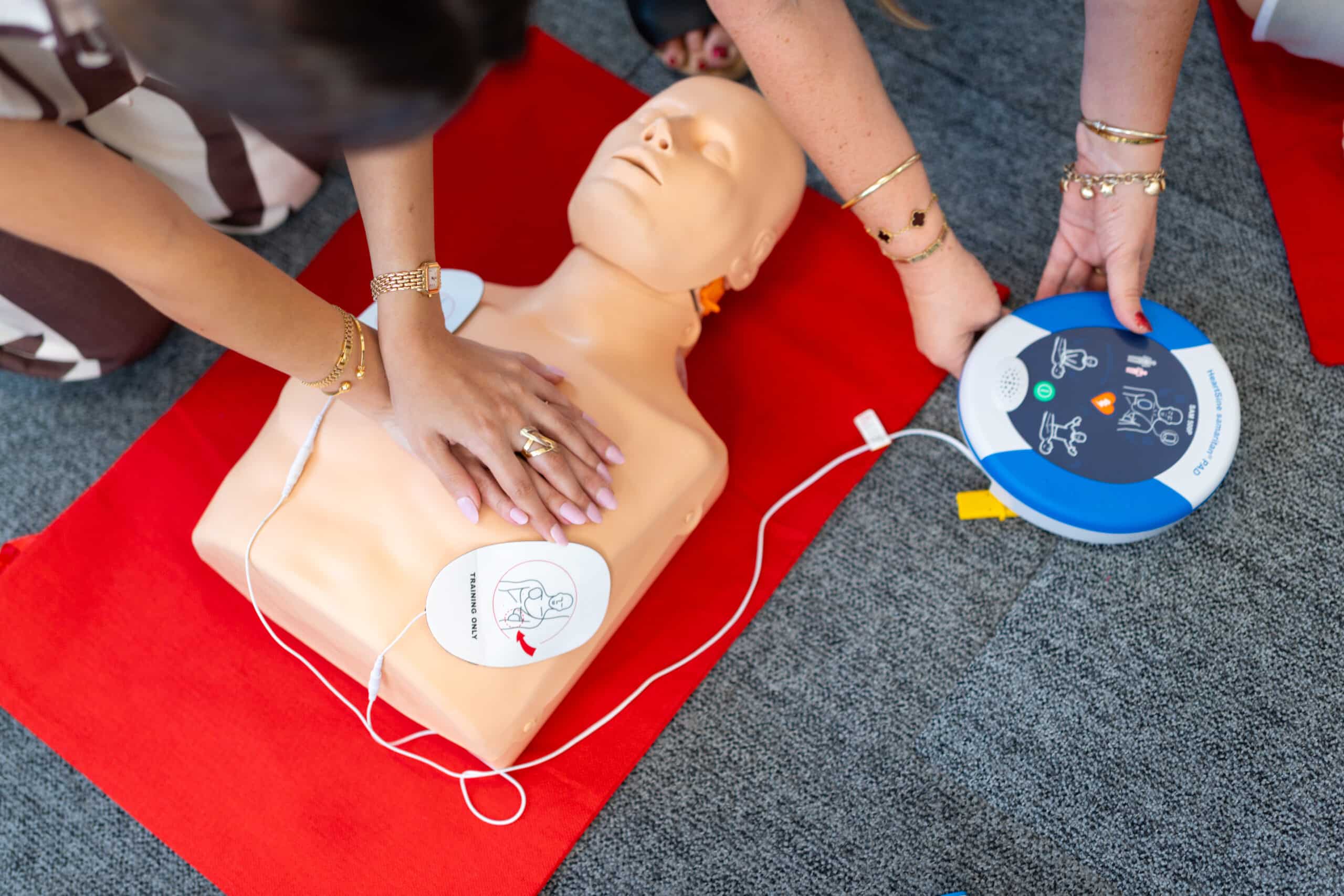
CPR and AED
CPR and AED: Why They’re Critical for Saving Lives in Emergencies
01/04/2026

CPR and AED are life-saving first aid techniques used during cardiac arrest to help save lives before an ambulance arrives. When a person’s heart stops …

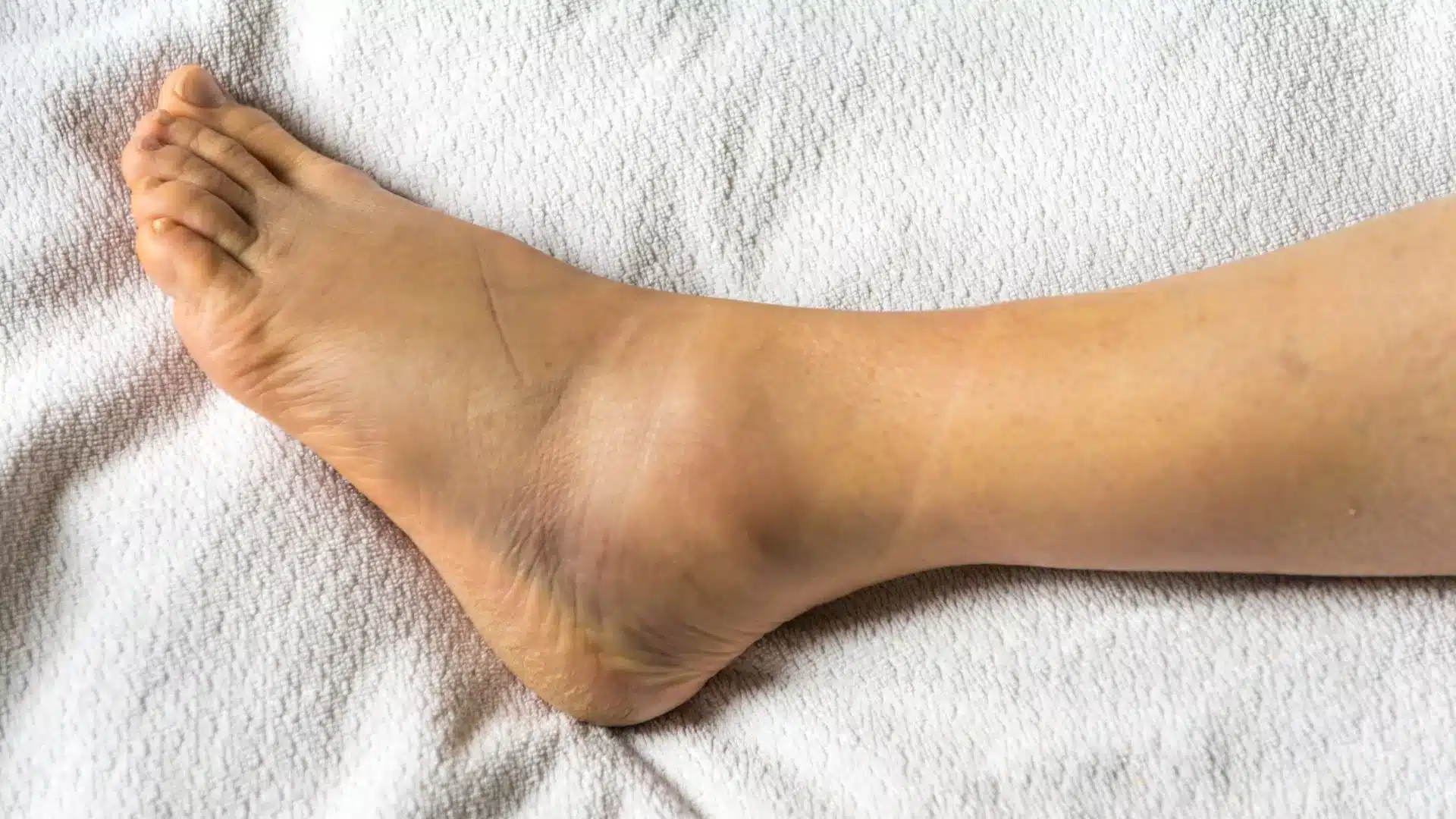
sprain of the ankle
Sprain vs Strain: Key Differences, Symptoms, and First Aid Treatment
27/03/2026

A sprain is a common soft-tissue injury that occurs when a ligament is stretched or torn, usually after a fall, twist, or sudden impact. Sprains …

Information
  • About Us
  • Contact Us
  • Mental Health Pro
  • Onsite Training
  • Careers
  • Collaborations
  • Course Calendar
  • Daily Deals
  • FAQs
  • Explore Our Courses
  • Instant Price Beat
  • Partners
  • Same Day Certificates
Resources
  • Student Login
  • Blog
  • Learn First Aid
  • Create Your USI
  • Find Your USI
  • First Aid Charts
Popular Courses
  • CPR
  • First Aid
  • Childcare First Aid
  • First Aid Mental Health
  • Remote First Aid
  • Advanced First Aid
  • CPR, Asthma & Anaphylaxis
  • Asthma & Anaphylaxis
  • CPR LVR
  • Manual Handling
  • Manual Handling Refresher
  • Medication Administration
  • White Card
Online Courses
  • Zoom Online CPR
  • Zoom Online First Aid
  • Zoom Childcare First Aid
  • Zoom NDIS HISS Courses
Blended Courses
  • Blended CPR
  • Blended First Aid
  • Blended Childcare First Aid
Charity Courses
  • Free CPR
  • Free First Aid
Locations
  • South Australia
  • Queensland
  • New South Wales
  • Victoria
  • ACT
  • Tasmania
  • Northern Territory
  • Western Australia
Policies & Procedures
  • Academic Honesty
  • Complaints & Appeals
  • LLN
  • Refunds & Cancellations
  • RPL & Credit Transfers
  • Training & Assessment
Firstaidpro Logo
Facebook Instagram Youtube tiktok Pinterest Linkedin
  • Level 3, Unit 6/9 Frinton Street, Southport QLD 4215
  • (08) 7120 2570
  • Get In Touch

FirstAidPro is a leading Registered Training Organisation (RTO: 31124) delivering industry-leading standards and the latest training techniques. We provide you with Australia’s most comprehensive, officially recognised first aid qualification!

  • Same-Day Certificates
  • Courses Available 7 days
  • Nationally Accredited Certification
eway-payment.png
© 2026 Firstaidpro Australia Pty Ltd (RTO: 31124) | ABN: 70 106 788 050 | ACN: 106 788 050 | All rights reserved.
  • Privacy Policy
  • Refund Policy
  • Website Disclaimer
North Hobart