



Skip to content
Online Courses​
no-Online Courses
Online Courses​
no-Online Courses
no-Online Courses
Online Courses​
Nationally Accredited First Aid Courses
(08) 7120 2570
Firstaidpro Logo
[wp_menu_megatabs id="493"]
Student login
daily deals
No-Online

OR

Online
Applicable to:
Healthcare
Aged Care & NDIS Support
Construction
Warehousing

3 Best Steps for Handling Scorpion Stings

how to treat a scorpion sting

Table of Contents

  • About
  • Latest Posts
Sharon McCulloch
Sharon McCulloch
CEO, Founder and First Aid Trainer at FirstAidPro
Sharon McCulloch is the CEO and Founder of FirstAidPro, Australia's leading Registered Training Organisation (31124), delivering First Aid Courses nationwide.

Sharon has 21+ years of experience as a qualified Emergency Care Nurse registered with the Australian Health Practitioner Regulation Agency (APHRA) and 12+ years as a First Aid Trainer.

She takes pride in FirstAidPro making first aid training available, comprehensive and affordable to everybody.
Sharon McCulloch
Latest posts by Sharon McCulloch (see all)
  • Australian Spider Bite & Bite First Aid Guide – Identification, Symptoms & Treatment - 14/04/2026
  • Anti-Inflammatory Tablets – Sting & Bite Symptoms, Risks & First Aid - 10/04/2026
  • LVR CPR Training Australia: What Is the UETDRMP018 Course and Who Needs It? - 08/04/2026

Just as you’re settling into your desert camping trip, you feel a sharp pain on your ankle. Could it be a scorpion sting?

Don’t panic; knowing the right steps can make all the difference. You’ll need to quickly identify the sting, apply immediate treatment, and decide if medical attention is necessary.

These three vital steps can mean the difference between a minor inconvenience and a potentially dangerous situation.

But what exactly should you look for, and how do you know when it’s time to seek help?

Let’s explore the essential actions you should take when faced with this unexpected wilderness challenge.

treat a scorpion sting in the wild

Key Takeaways

• Identify the sting by looking for two small puncture marks and observing local symptoms like pain and swelling.

• Clean the affected area thoroughly with soap and water to remove any remaining venom.

• Apply a cold compress to reduce swelling and alleviate pain in the stung area.

• Take over-the-counter pain relievers like ibuprofen, but avoid aspirin which can worsen bleeding.

• Seek immediate medical attention if severe symptoms occur, such as difficulty breathing or muscle twitching.

treat a scorpion sting at home

Identify the Sting

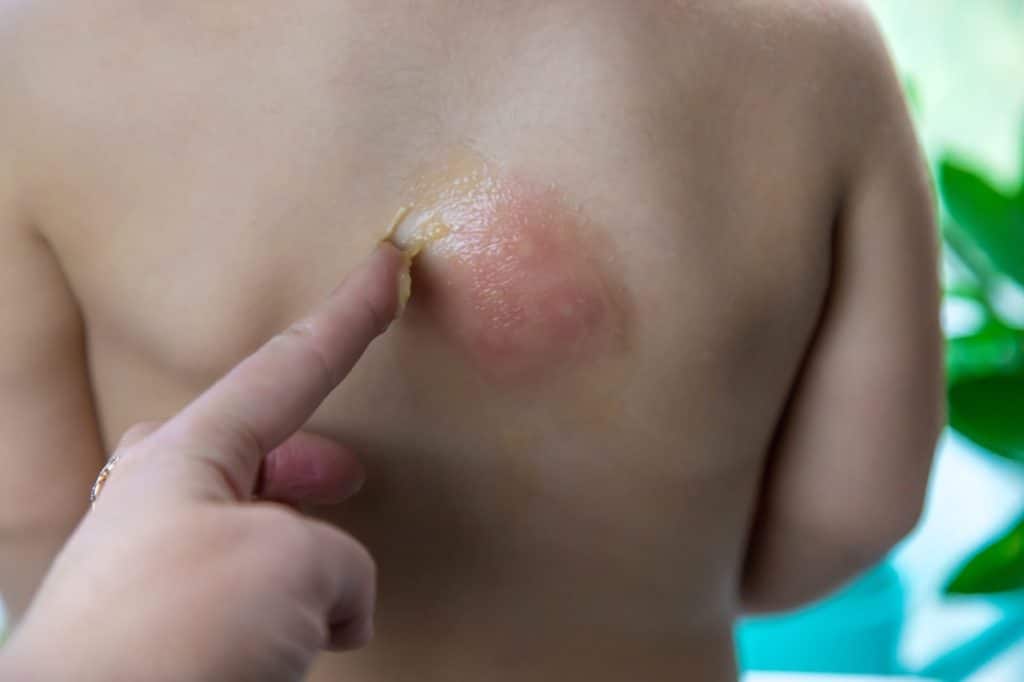
Immediately after a suspected scorpion sting, you’ll need to confirm it’s indeed from a scorpion. Look for a small puncture mark at the sting site, often accompanied by redness and swelling. You may also notice a burning sensation or numbness in the affected area.

Symptom recognition is essential for determining sting severity. Mild stings typically cause localised pain, tingling, and minor swelling. However, more severe stings can lead to widespread symptoms. Watch for muscle twitching, difficulty breathing, blurred vision, or excessive salivation. These indicate a potentially dangerous envenomation requiring immediate medical attention.

Apply Immediate Treatment

elevated leg bandage

Once you’ve identified a scorpion sting, it’s time to act quickly with first aid measures. Start by cleaning the affected area thoroughly with soap and water to remove any venom on the skin’s surface and prevent infection.

Next, apply a cold compress to the sting site to reduce swelling and numb the pain. You can use an ice pack wrapped in a cloth or a bag of frozen vegetables.

Keep the affected limb elevated and immobilised to slow the spread of venom. Remove any tight clothing or jewellery near the sting site, as swelling may occur.

Monitor the victim closely for signs of an allergic reaction, such as difficulty breathing or severe swelling. If these symptoms appear, seek emergency medical attention immediately.

For most scorpion stings, these immediate treatments will suffice. However, if you’re unsure about the scorpion species or the victim’s condition worsens, don’t hesitate to consult a healthcare professional.

Seek Medical Attention

triage doctors hospital

After administering first aid, you should seek medical attention if the sting victim experiences severe pain, prolonged symptoms, or signs of an allergic reaction.

While most scorpion stings aren’t life-threatening, it’s essential to err on the side of caution, especially when dealing with unknown scorpion species.

Head to the emergency department immediately if you notice difficulty breathing, muscle twitching, or excessive sweating. These symptoms may indicate a severe reaction requiring prompt medical intervention.

Don’t wait for symptoms to worsen before seeking help.

Inform the medical staff about the sting’s location, time of occurrence, and any measures you’ve taken. If possible, bring the scorpion (safely contained) for identification, as this can help determine the appropriate treatment.

Be prepared to describe any allergic reactions, such as swelling, hives, or dizziness. Medical professionals may administer antivenom for stings from dangerous species or provide supportive care to manage symptoms.
Frequently Asked Questions

Are Some Scorpion Species More Dangerous Than Others?

Yes. Dangerous species like the bark scorpion can cause severe stings. Always be cautious, as sting severity varies among species.

How Long Do Scorpion Sting Symptoms Typically Last?

You’ll typically experience scorpion sting symptoms for 24-48 hours. Mild cases may resolve within hours, while severe stings can cause lingering effects for days. Seek medical attention if symptoms persist.

Are Children More Vulnerable to Scorpion Stings Than Adults?

Yes, their smaller body size means venom affects them more severely. You’ll need to act quickly if your child is stung, as sting severity can be life-threatening for kids.

The content on this website offers general insights regarding health conditions and potential treatments. It is not intended as, and should not be construed as, medical advice. If you are facing a medical emergency, dial 000 immediately and follow the guidance provided.

Recent Posts
Common Australian Spiders
Australian Spider Bite & Bite First Aid Guide – Identification, Symptoms & Treatment
14/04/2026

An Australian spider bite is common, but serious injury is rare. This guide explains how to identify several Australian spiders, what a spider bite looks …

infected-insect-bite
Anti-Inflammatory Tablets – Sting & Bite Symptoms, Risks & First Aid
10/04/2026

Key Takeaways Anti-inflammatory tablets reduce pain and swelling from insect bites and stings but cannot treat serious allergic reactions or anaphylaxis.NSAIDs such as ibuprofen are …

LVR CPR Training -UETDRMP018 Perform Rescue From A Live Low Voltage Panel
LVR CPR Training Australia: What Is the UETDRMP018 Course and Who Needs It?
08/04/2026

Low voltage rescue (LVR) is the process of safely removing a person from contact with a live low voltage electrical panel and providing emergency care …

CPR and AED
CPR and AED: Why They’re Critical for Saving Lives in Emergencies
01/04/2026

CPR and AED are life-saving first aid techniques used during cardiac arrest to help save lives before an ambulance arrives. When a person’s heart stops …

sprain of the ankle
Sprain vs Strain: Key Differences, Symptoms, and First Aid Treatment
27/03/2026

A sprain is a common soft-tissue injury that occurs when a ligament is stretched or torn, usually after a fall, twist, or sudden impact. Sprains …

Information
  • About Us
  • Contact Us
  • Mental Health Pro
  • Onsite Training
  • Careers
  • Collaborations
  • Course Calendar
  • Daily Deals
  • FAQs
  • Explore Our Courses
  • Instant Price Beat
  • Partners
  • Same Day Certificates
Resources
  • Student Login
  • Blog
  • Learn First Aid
  • Create Your USI
  • Find Your USI
  • First Aid Charts
Popular Courses
  • CPR
  • First Aid
  • Childcare First Aid
  • First Aid Mental Health
  • Remote First Aid
  • Advanced First Aid
  • CPR, Asthma & Anaphylaxis
  • Asthma & Anaphylaxis
  • CPR LVR
  • Manual Handling
  • Manual Handling Refresher
  • Medication Administration
  • White Card
Online Courses
  • Zoom Online CPR
  • Zoom Online First Aid
  • Zoom Childcare First Aid
  • Zoom NDIS HISS Courses
Blended Courses
  • Blended CPR
  • Blended First Aid
  • Blended Childcare First Aid
Charity Courses
  • Free CPR
  • Free First Aid
Locations
  • South Australia
  • Queensland
  • New South Wales
  • Victoria
  • ACT
  • Tasmania
  • Northern Territory
  • Western Australia
Policies & Procedures
  • Academic Honesty
  • Complaints & Appeals
  • LLN
  • Refunds & Cancellations
  • RPL & Credit Transfers
  • Training & Assessment
Firstaidpro Logo
Facebook Instagram Youtube tiktok Pinterest Linkedin
  • Level 3, Unit 6/9 Frinton Street, Southport QLD 4215
  • (08) 7120 2570
  • Get In Touch

FirstAidPro is a leading Registered Training Organisation (RTO: 31124) delivering industry-leading standards and the latest training techniques. We provide you with Australia’s most comprehensive, officially recognised first aid qualification!

  • Same-Day Certificates
  • Courses Available 7 days
  • Nationally Accredited Certification
eway-payment.png
© 2026 Firstaidpro Australia Pty Ltd (RTO: 31124) | ABN: 70 106 788 050 | ACN: 106 788 050 | All rights reserved.
  • Privacy Policy
  • Refund Policy
  • Website Disclaimer
North Hobart