




Skip to content
Online Courses​
no-Online Courses
Online Courses​
no-Online Courses
no-Online Courses
Online Courses​
Nationally Accredited First Aid Courses
(08) 7120 2570
Firstaidpro Logo
[wp_menu_megatabs id="493"]
Student login
daily deals
No-Online

OR

Online
Applicable to:
Healthcare
Aged Care & NDIS Support
Construction
Warehousing

3 Differences Between CPR and Rescue Breathing

CPR and Rescue Breathing emergency training

Table of Contents

  • About
  • Latest Posts
Sharon McCulloch
Sharon McCulloch
CEO, Founder and First Aid Trainer at FirstAidPro
Sharon McCulloch is the CEO and Founder of FirstAidPro, Australia's leading Registered Training Organisation (31124), delivering First Aid Courses nationwide.

Sharon has 21+ years of experience as a qualified Emergency Care Nurse registered with the Australian Health Practitioner Regulation Agency (APHRA) and 12+ years as a First Aid Trainer.

She takes pride in FirstAidPro making first aid training available, comprehensive and affordable to everybody.
Sharon McCulloch
Latest posts by Sharon McCulloch (see all)
  • Australian Spider Bite & Bite First Aid Guide – Identification, Symptoms & Treatment - 14/04/2026
  • Anti-Inflammatory Tablets – Sting & Bite Symptoms, Risks & First Aid - 10/04/2026
  • LVR CPR Training Australia: What Is the UETDRMP018 Course and Who Needs It? - 08/04/2026

When it comes to life-saving techniques, you’ve probably heard of CPR and rescue breathing. But do you know the key differences between these two vital interventions?

Understanding when and how to apply each method can make the difference between life and death in an emergency situation. While both aim to assist someone in distress, they serve distinct purposes and require different approaches.

By familiarising yourself with the three main distinctions between CPR and rescue breathing, you’ll be better prepared to respond effectively when every second counts.Let’s explore these essential differences and enhance your ability to save lives.

CPR & emergency first aid training

Key Takeaways

CPR includes chest compressions and rescue breaths, while rescue breathing only involves providing breaths.

CPR is used for victims without breathing and a pulse, whereas rescue breathing is for those with a pulse but not breathing.

CPR alternates 30 chest compressions with 2 rescue breaths, while rescue breathing provides continuous breaths at regular intervals.

CPR is more effective for cardiac arrest scenarios, while rescue breathing is crucial for respiratory arrest situations.

CPR requires positioning hands on the chest centre, while rescue breathing focuses on proper head tilt and chin lift.

CPR First Aid Training Concept

Purpose and Application

While both techniques aim to save lives, CPR and rescue breathing serve distinct purposes in emergency situations. You’ll need to understand their specific indications for use to respond effectively in a crisis.

CPR, or cardiopulmonary resuscitation, is used when you encounter a person who’s unconscious, not breathing, and has no pulse. It’s a combination of chest compressions and rescue breaths designed to maintain blood flow to essential organs. You’ll perform CPR on adults, children, and infants who’ve experienced cardiac arrest due to various causes, such as heart attacks or drowning.

In contrast, rescue breathing is appropriate when the person is unconscious and not breathing, but still has a pulse. You’ll use this technique for victims of respiratory arrest, which can occur due to choking, drug overdose, or certain medical conditions.

When comparing effectiveness, CPR has shown better outcomes in cardiac arrest situations. It’s important in buying time until professional help arrives.

Rescue breathing, while less commonly needed, can be lifesaving in specific scenarios where oxygenation is the primary concern. Always assess the situation carefully to determine which technique is appropriate.

Technique and Procedure

CPR chest compressions demonstration

Both CPR and rescue breathing involve distinct techniques and procedures that you must carry out correctly for maximum effectiveness.

For CPR, you’ll use a compression technique on the chest. Place the heel of one hand on the centre of the victim’s chest, with your other hand on top. Lock your elbows and use your body weight to compress the chest about 5 centimetres deep at a rate of 100-120 compressions per minute.

In contrast, rescue breathing focuses on breath delivery. Tilt the victim’s head back, lift their chin, and pinch their nose. Give two initial rescue breaths, each lasting about one second, watching for chest rise. If the chest doesn’t rise, reposition the head and try again.

For CPR, you’ll alternate 30 chest compressions with two rescue breaths. In rescue breathing alone, deliver a breath every 5-6 seconds for adults. For children, it’s every 3-5 seconds. Always verify a clear airway before delivering breaths.

Frequency and Duration

CPR training chest compressions practise

CPR and rescue breathing differ considerably in their required frequency and duration of application.

When performing CPR, you’ll alternate between chest compressions and rescue breaths. For adult CPR, you should aim for 30 chest compressions followed by two rescue breaths. This cycle is repeated continuously until emergency services arrive or the person shows signs of life.

In contrast, rescue breathing alone has a different rhythm. For adults, you’ll provide one breath every 5-6 seconds, which equates to about 10-12 breaths per minute. For children, the frequency increases to one breath every 3-5 seconds. These breathing cycles continue until the person begins breathing on their own or professional help arrives.

The duration of CPR or rescue breathing can vary greatly depending on the situation. You might need to continue for several minutes or even longer in some cases.

It’s essential to maintain the correct frequency throughout the process, as consistent rescue intervals are key to maintaining oxygenation. Remember, the goal is to keep oxygen flowing to critical organs until advanced medical care is available. Always be prepared to continue these life-saving measures for an extended period if necessary.

Frequently Asked Questions

Can CPR or Rescue Breathing Be Performed on Pregnant Women?

Adjust foetal positioning by tilting her slightly to the left. Modify compression techniques by placing hands slightly higher on the chest. Always prioritise the mother’s survival.

Is It Safe to Perform CPR or Rescue Breathing on Infants?

Yes. However, you must adapt your technique to account for infant anatomy. Use gentler compressions and cover both mouth and nose during rescue breaths.

Are There Legal Implications for Performing CPR or Rescue Breathing Incorrectly?

You’re protected by Good Samaritan laws when performing CPR or rescue breathing. However, liability concerns exist if you’re grossly negligent or act recklessly. Always follow proper techniques.

Can CPR or Rescue Breathing Transmit Infectious Diseases to the Rescuer?

Yes. To minimise the risk of disease transmission, use protective barriers like face shields or pocket masks. Follow proper infection control procedures and consider hands-only CPR when possible.

The content on this website offers general insights regarding health conditions and potential treatments. It is not intended as, and should not be construed as, medical advice. If you are facing a medical emergency, dial 000 immediately and follow the guidance provided.

Recent Posts
Common Australian Spiders
Australian Spider Bite & Bite First Aid Guide – Identification, Symptoms & Treatment
14/04/2026

An Australian spider bite is common, but serious injury is rare. This guide explains how to identify several Australian spiders, what a spider bite looks …

infected-insect-bite
Anti-Inflammatory Tablets – Sting & Bite Symptoms, Risks & First Aid
10/04/2026

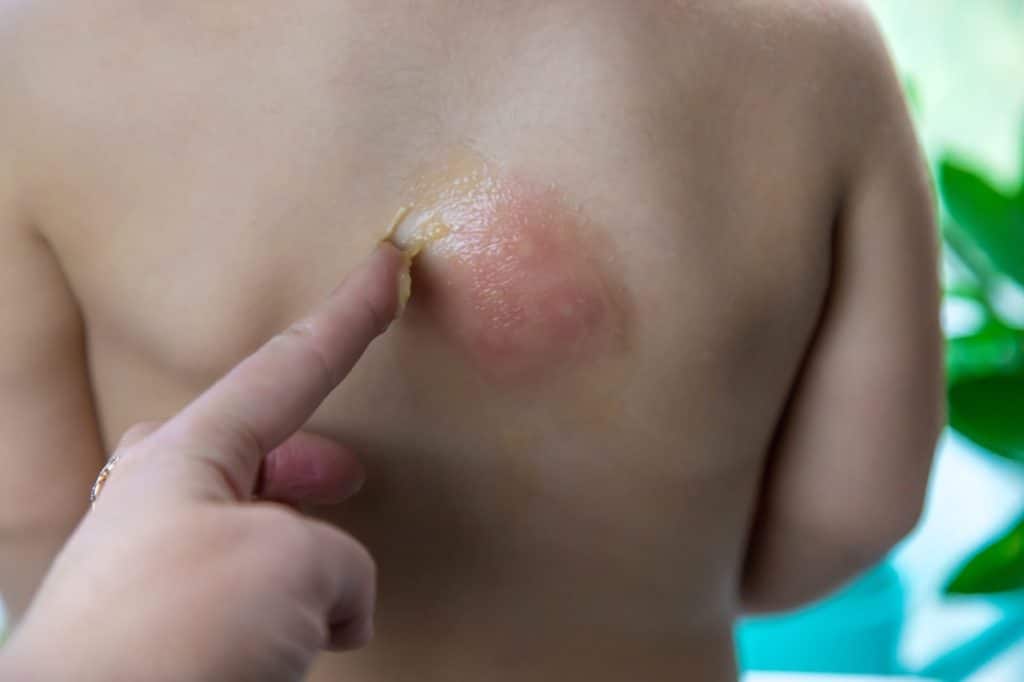
Key Takeaways Anti-inflammatory tablets reduce pain and swelling from insect bites and stings but cannot treat serious allergic reactions or anaphylaxis.NSAIDs such as ibuprofen are …

LVR CPR Training -UETDRMP018 Perform Rescue From A Live Low Voltage Panel
LVR CPR Training Australia: What Is the UETDRMP018 Course and Who Needs It?
08/04/2026

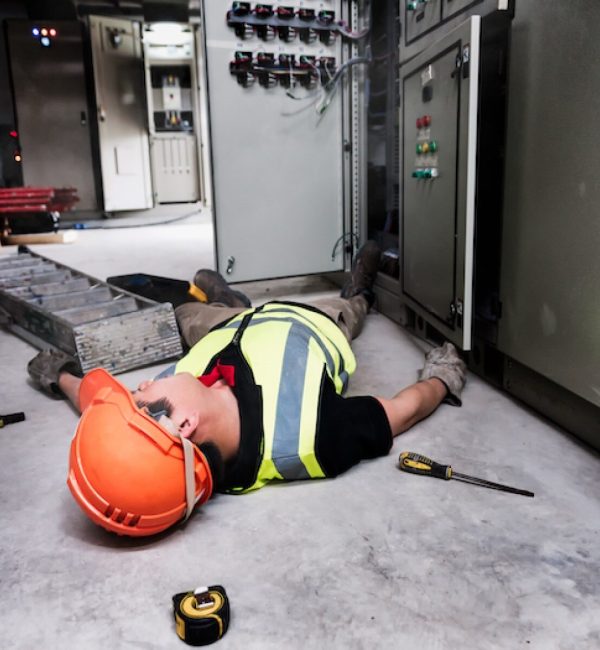
Low voltage rescue (LVR) is the process of safely removing a person from contact with a live low voltage electrical panel and providing emergency care …

CPR and AED
CPR and AED: Why They’re Critical for Saving Lives in Emergencies
01/04/2026

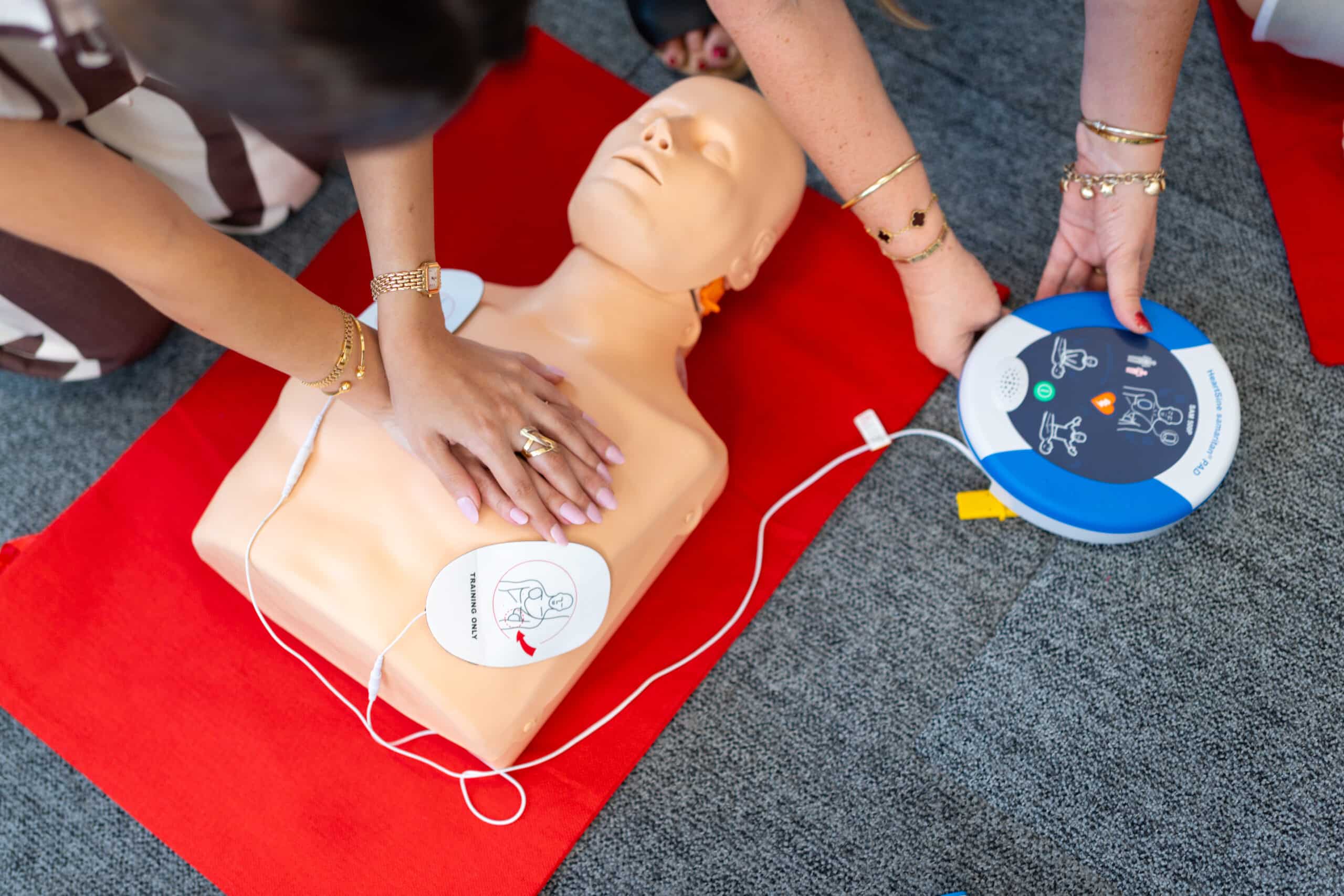
CPR and AED are life-saving first aid techniques used during cardiac arrest to help save lives before an ambulance arrives. When a person’s heart stops …

sprain of the ankle
Sprain vs Strain: Key Differences, Symptoms, and First Aid Treatment
27/03/2026

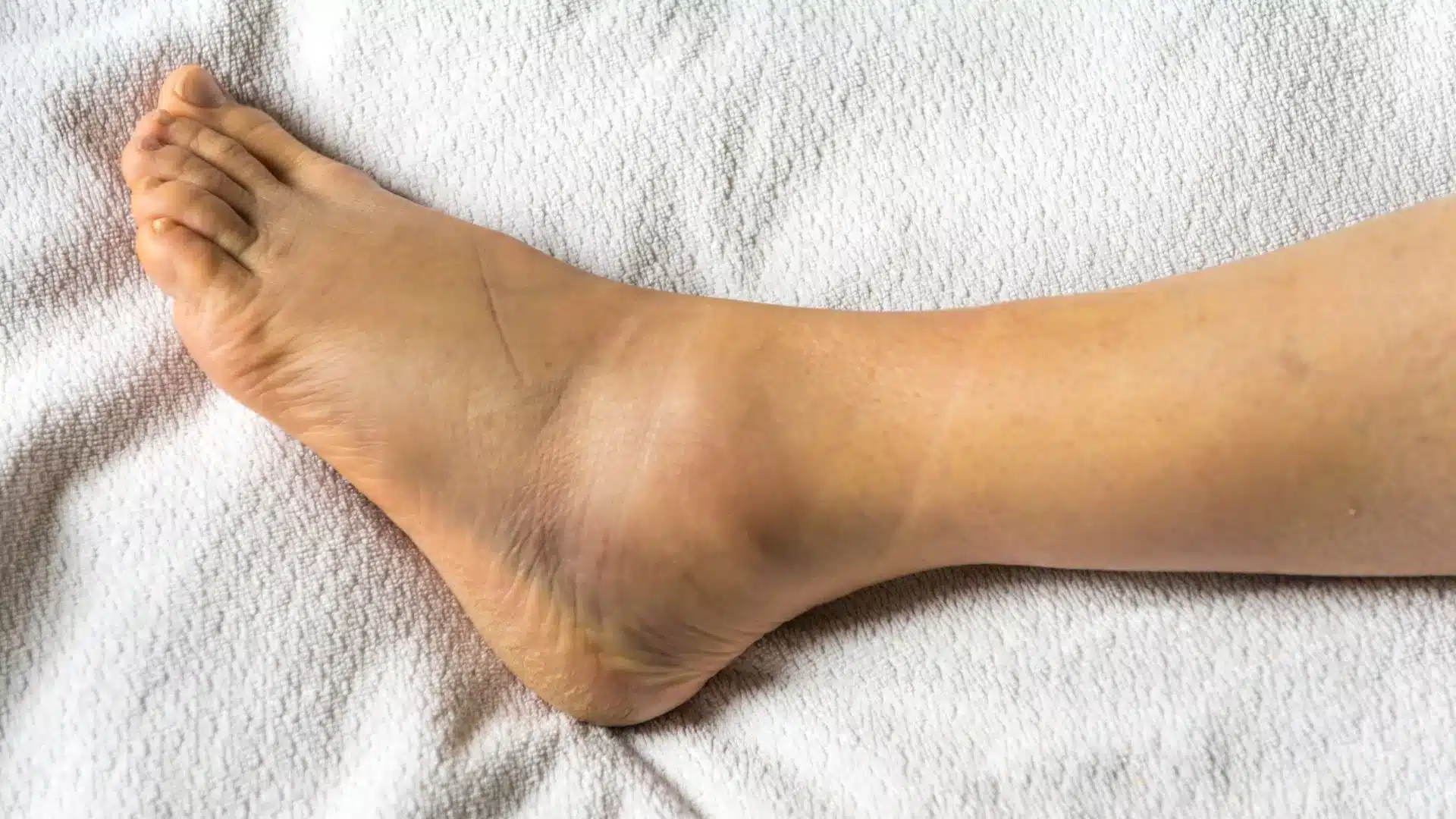
A sprain is a common soft-tissue injury that occurs when a ligament is stretched or torn, usually after a fall, twist, or sudden impact. Sprains …

Information
  • About Us
  • Contact Us
  • Mental Health Pro
  • Onsite Training
  • Careers
  • Collaborations
  • Course Calendar
  • Daily Deals
  • FAQs
  • Explore Our Courses
  • Instant Price Beat
  • Partners
  • Same Day Certificates
Resources
  • Student Login
  • Blog
  • Learn First Aid
  • Create Your USI
  • Find Your USI
  • First Aid Charts
Popular Courses
  • CPR
  • First Aid
  • Childcare First Aid
  • First Aid Mental Health
  • Remote First Aid
  • Advanced First Aid
  • CPR, Asthma & Anaphylaxis
  • Asthma & Anaphylaxis
  • CPR LVR
  • Manual Handling
  • Manual Handling Refresher
  • Medication Administration
  • White Card
Online Courses
  • Zoom Online CPR
  • Zoom Online First Aid
  • Zoom Childcare First Aid
  • Zoom NDIS HISS Courses
Blended Courses
  • Blended CPR
  • Blended First Aid
  • Blended Childcare First Aid
Charity Courses
  • Free CPR
  • Free First Aid
Locations
  • South Australia
  • Queensland
  • New South Wales
  • Victoria
  • ACT
  • Tasmania
  • Northern Territory
  • Western Australia
Policies & Procedures
  • Academic Honesty
  • Complaints & Appeals
  • LLN
  • Refunds & Cancellations
  • RPL & Credit Transfers
  • Training & Assessment
Firstaidpro Logo
Facebook Instagram Youtube tiktok Pinterest Linkedin
  • Level 3, Unit 6/9 Frinton Street, Southport QLD 4215
  • (08) 7120 2570
  • Get In Touch

FirstAidPro is a leading Registered Training Organisation (RTO: 31124) delivering industry-leading standards and the latest training techniques. We provide you with Australia’s most comprehensive, officially recognised first aid qualification!

  • Same-Day Certificates
  • Courses Available 7 days
  • Nationally Accredited Certification
eway-payment.png
© 2026 Firstaidpro Australia Pty Ltd (RTO: 31124) | ABN: 70 106 788 050 | ACN: 106 788 050 | All rights reserved.
  • Privacy Policy
  • Refund Policy
  • Website Disclaimer
North Hobart