



Sharon has 21+ years of experience as a qualified Emergency Care Nurse registered with the Australian Health Practitioner Regulation Agency (APHRA) and 12+ years as a First Aid Trainer.
She takes pride in FirstAidPro making first aid training available, comprehensive and affordable to everybody.
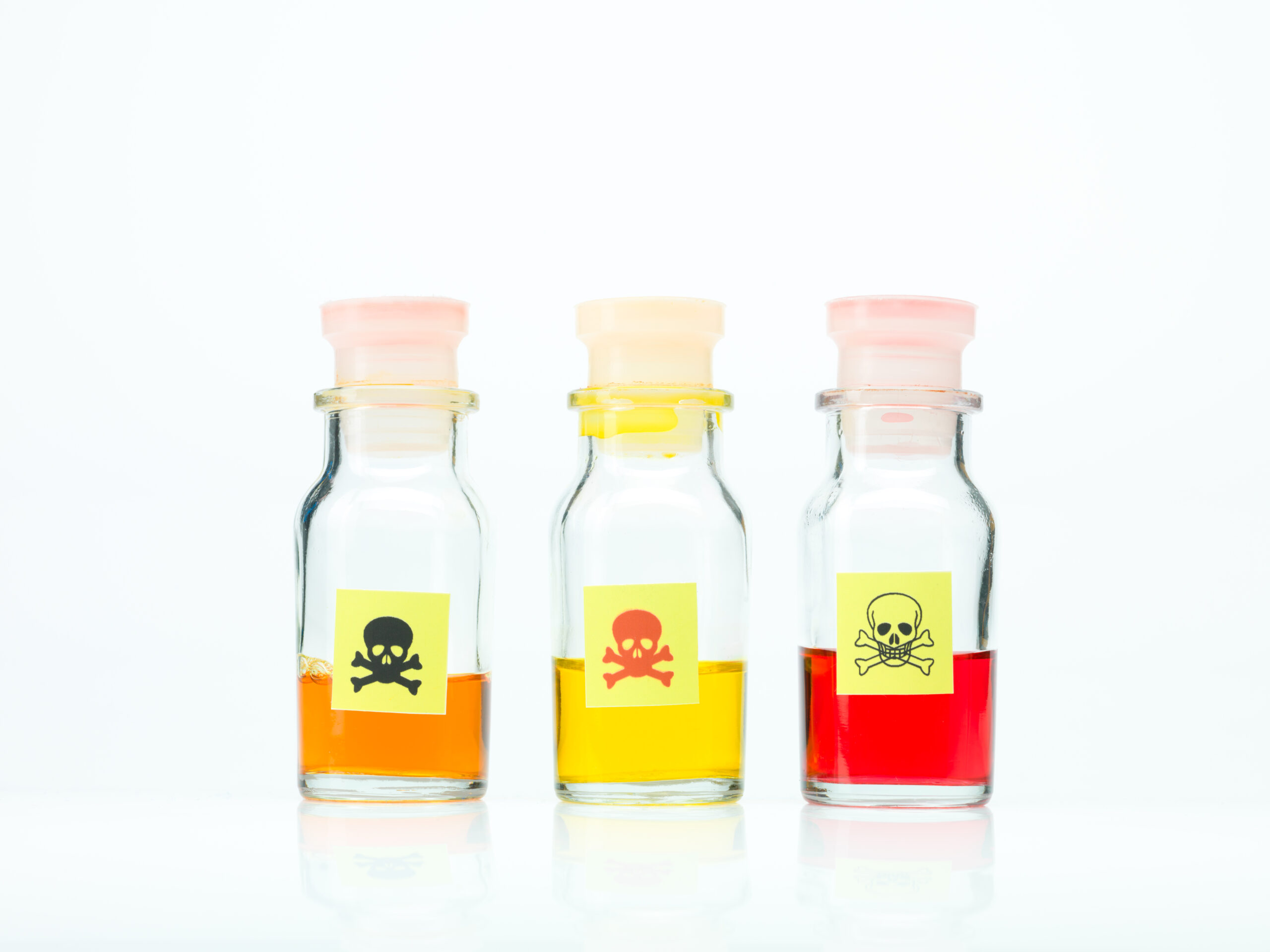
Chemical poisoning can be a terrifying emergency, yet your quick actions can make a life-saving difference.
While you might feel panicked, it’s vital to remain calm and focused.
You’ve likely heard general first aid advice before, but chemical exposure requires specific steps that may not be as familiar.
Understanding these five immediate actions could mean the difference between a manageable chemical poisoning situation and a tragic outcome.
As you consider the potential risks in your environment, you’ll want to ensure you’re prepared for the unexpected.
Let’s explore the essential steps you should take if you ever find yourself facing this dangerous scenario.
Key Takeaways
• Remove the victim from the contaminated area to prevent further exposure and ensure personal safety.
• Call emergency services immediately, providing detailed information about the chemical and the victim’s condition.
• Identify the chemical involved using available resources like labels, safety data sheets, or visible containers.
• Decontaminate the victim by removing contaminated clothing and flushing affected areas with water for at least 15 minutes.
• Provide supportive care by monitoring vital signs, maintaining an open airway, and addressing life-threatening symptoms first.

Remove From Contaminated Area
In the event of chemical poisoning, your immediate priority is to remove the victim from the contaminated area, thereby preventing further exposure and mitigating the risk of additional absorption or inhalation of the toxic substance. This essential step requires swift action while maintaining personal protective measures for both the rescuer and the victim.
As you approach the contaminated zone, don your personal protective equipment (PPE) if available, such as gloves, goggles, and respirators. Assess the environmental safety conditions, including air quality and potential fire hazards, before entering. Once you’ve reached the victim, quickly guide or carry them to fresh air, moving upwind from the contamination source.
If the victim’s clothing is contaminated, remove it carefully to prevent further exposure. Use scissors to cut off garments if necessary, avoiding pulling them over the head. Seal the contaminated clothing in a plastic bag for proper disposal.
If the chemical is on the skin, rinse the affected area with copious amounts of water for at least 15 minutes, being cautious not to spread the contaminant to unaffected areas.
Call Emergency Services

Once you’ve removed the victim from the contaminated area, your next critical step is to immediately contact emergency services, providing them with essential details about the chemical poisoning incident.
Dial your local emergency number (such as 000 in Australia) or the poison control hotline. When speaking with the dispatcher, remain calm and clearly articulate the situation.
Provide specific information about the chemical involved, including its name, concentration, and quantity if known. Describe the victim’s symptoms, age, weight, and any pre-existing medical conditions. Inform the dispatcher about the route of exposure (ingestion, inhalation, skin contact) and the time elapsed since the incident. If possible, have the chemical’s safety data sheet (SDS) on hand for reference.
While waiting for first responders, follow any instructions given by the emergency operator or poison control specialist. They may advise on immediate first aid measures or precautions to take.
Be prepared to meet the emergency responders and guide them to the victim’s location. Your swift and accurate communication with emergency services can greatly impact the effectiveness of the medical response and the victim’s prognosis.
Identify the Chemical

Accurate identification of the chemical involved in the chemical poisoning incident is essential for determining appropriate treatment and safety measures. To identify the chemical, you’ll need to gather as much information as possible about the substance and the exposure circumstances.
Look for labels, safety data sheets, or any visible containers that may provide clues about the chemical’s identity. If possible, collect a sample of the substance for analysis, but do so only if it’s safe.
Pay close attention to the chemical properties you can observe, such as colour, odour, and physical state. These characteristics can help narrow down the possibilities and guide emergency responders. Additionally, note any exposure symptoms the affected person is experiencing, as these can be indicative of specific chemical classes. Common symptoms may include respiratory distress, skin irritation, or changes in consciousness.
If you’re in a workplace setting, consult your chemical inventory or hazardous substance register. For household exposures, check product labels and ingredient lists.
Decontaminate the Victim
After identifying the chemical, you’ll need to quickly move on to decontaminating the victim, a process that involves removing or neutralising the harmful substance from their body and immediate surroundings.
For skin exposure, immediately remove contaminated clothing, being careful not to spread the chemical to unaffected areas. Cut off clothing if necessary to avoid pulling it over the victim’s head.
Flush the affected skin with copious amounts of lukewarm water for at least 15 minutes, or longer if recommended for specific chemicals. Use soap if available, but avoid vigorous scrubbing that could damage the skin.
For eye exposure, irrigate with water or saline solution for a minimum of 20 minutes, holding the eyelids open.
In cases of ingestion, don’t induce vomiting unless explicitly instructed by poison control. Instead, rinse the mouth thoroughly and spit out the water.
For inhalation exposure, move the victim to fresh air immediately. If safe to do so, open windows and doors to ventilate the area.
Throughout the decontamination process, guarantee your own safety by wearing appropriate personal protective equipment.
Provide Supportive Care

While continuing to monitor the victim’s essential signs, you’ll need to provide supportive care to stabilise their condition and prevent further complications from the chemical poisoning exposure. Focus on symptom management based on the specific chemical involved and the victim’s presenting symptoms.
Maintain an open airway and assist breathing if necessary, using supplemental oxygen if available. Monitor key signs closely, including heart rate, blood pressure, respiratory rate, and temperature, adjusting interventions as needed.
Address any immediate life-threatening symptoms first, such as severe respiratory distress or cardiac arrhythmias. Manage pain and discomfort with appropriate analgesics, and control nausea or vomiting with antiemetics if indicated.
Ensure proper hydration by administering intravenous fluids if the victim is unable to drink or is experiencing significant fluid loss. Treat seizures promptly with anticonvulsants if they occur. Control body temperature, warming the victim if hypothermic or cooling if hyperthermic.
Continuously reassess the victim’s condition, adjusting supportive measures as needed. Be prepared to initiate cardiopulmonary resuscitation if the victim’s condition deteriorates.
Frequently Asked Questions
How Long Do Chemical Poisoning Symptoms Typically Last?
The symptom duration for chemical poisoning varies widely. You’ll find recovery timelines differ based on the specific substance, exposure level, and individual factors. Symptoms can last hours to months, with some effects potentially persisting long-term.
Can Chemical Poisoning Cause Long-Term Health Effects?
You may experience chronic health issues affecting various organ systems, depending on the specific toxin and duration of exposure.
Are There Antidotes for Common Household Chemical Poisonings?
You’ll find specific antidotes available for certain household chemical poisonings. Activated charcoal, chelating agents, and N-acetylcysteine are examples. Antidote availability varies depending on the substance. Consult a poison control centre for precise guidance on specific chemical exposures.
How Can I Prevent Chemical Poisoning in My Home?
You’ll prevent chemical poisoning by implementing proper chemical storage protocols, adhering to safety labels, and maintaining a rigorous system of organisation for potentially hazardous substances.