




Sharon has 21+ years of experience as a qualified Emergency Care Nurse registered with the Australian Health Practitioner Regulation Agency (APHRA) and 12+ years as a First Aid Trainer.
She takes pride in FirstAidPro making first aid training available, comprehensive and affordable to everybody.
Anaphylaxis is a severe allergic reaction that can become life-threatening within minutes. Immediate first aid—including the use of an EpiPen® (epinephrine – adrenaline autoinjector)—can save a life. In Australia, where allergies and asthma are common, knowing how to respond with critical anaphylaxis first aid is essential for parents, carers, teachers, and workplaces alike.
Learn how to confidently manage allergic emergencies—enrol now in nationally recognised anaphylaxis first aid training with First Aid Pro.
Key Takeaways
- Recognise the signs of anaphylaxis
- Understand the role of adrenaline in treating anaphylaxis
- Learn how to administer an EpiPen correctly
- Know the importance of calling for emergency medical help
- Enrol in an anaphylaxis first aid training course to be prepared

What Is Anaphylaxis and Why Is It Life-Threatening?
Anaphylaxis is a sudden and severe allergic reaction involving the immune system. It’s commonly triggered by allergens such as certain foods, insect stings, medications, or latex. Unlike mild allergies, anaphylaxis affects multiple body systems—particularly the respiratory and cardiovascular systems—and can lead to death if not treated quickly with adrenaline.
The Australasian Society of Clinical Immunology and Allergy (ASCIA) defines anaphylaxis as a potentially life-threatening reaction that should always be treated as a medical emergency.
Key Causes of Anaphylaxis in Australia
| Trigger | Examples |
|---|---|
| Food allergies | Peanuts, tree nuts, shellfish, eggs, milk |
| Insect stings | Bees, wasps, ants |
| Medications | Antibiotics, NSAIDs, anaesthesia |
| Latex | Gloves, balloons, medical products |
| Exercise-induced allergy | Often combined with food allergies |
People with both asthma and allergies are at increased risk of anaphylaxis and should have a clearly documented plan for anaphylaxis management, such as an ASCIA Action Plan.

The Physiology of Anaphylaxis
Anaphylaxis occurs when the body’s immune system reacts to an allergen, releasing chemicals that cause widespread inflammation and affect multiple systems. This reaction can lead to constriction of the airways, rapid heartbeat, and a drop in blood pressure.
Why Minutes Matter in Anaphylactic Reactions
In anaphylactic reactions, minutes count. The speed at which anaphylaxis progresses can vary, but it often leads to severe symptoms within a short timeframe. Prompt administration of adrenaline via an autoinjector, such as an EpiPen, is critical.
| Aspect of Anaphylaxis | Description | Importance |
|---|---|---|
| Physiological Response | Widespread inflammation due to allergen exposure | Leads to airway constriction, rapid heartbeat, and drop in blood pressure |
| Time Sensitivity | Symptoms can escalate rapidly | Immediate intervention is crucial to prevent fatal outcomes |
| Treatment | Administration of adrenaline via autoinjector | Essential for reversing the anaphylactic reaction |

Recognising the Signs and Symptoms of a Severe Allergic Reaction
Skin Symptoms (Hives, Swelling, Flushing)
Skin symptoms are among the most common signs of anaphylaxis. These can include hives, which are itchy, raised welts on the skin, swelling, particularly of the face, lips, tongue, or throat, and flushing, a reddening of the skin. These symptoms can occur alone or in combination with other symptoms.
Respiratory Symptoms (Difficulty Breathing, Cough)
Respiratory symptoms are critical indicators of anaphylaxis. Difficulty breathing or shortness of breath can occur due to swelling of the airways. A cough or wheezing sounds can also be present. These symptoms signal that the airways are being compromised.
Cardiovascular Symptoms (Drop in Blood Pressure)
Cardiovascular symptoms can include a drop in blood pressure, leading to dizziness or fainting. This is a dangerous sign as it can result in inadequate blood flow to vital organs. Other cardiovascular symptoms may include a rapid or weak pulse.
Gastrointestinal Symptoms
Gastrointestinal symptoms can also occur during anaphylaxis, including nausea, vomiting, abdominal cramps, and diarrhea. These symptoms can be distressing and contribute to the overall severity of the reaction.
Being able to recognise these signs and symptoms is crucial for providing timely and appropriate care. If you suspect someone is experiencing anaphylaxis, it is essential to act quickly and follow proper first aid procedures.
Summary Of Common Symptoms of Anaphylaxis
- Sudden breathing difficulty
- Swelling of the tongue, lips, or throat
- Hives or welts on the skin
- Pale or flushed skin
- Rapid, weak pulse
- Nausea, vomiting, or abdominal pain
- Drop in blood pressure or collapse
- Confusion or unconsciousness
These symptoms may appear with or without skin involvement. Not all allergic reactions progress to anaphylaxis, but any combination of these signs should be treated as a potentially life-threatening allergic reaction. Implement anaphylaxis first aid immediately.

5 Life-Saving Anaphylaxis First Aid Steps
1. Call Triple Zero (000) Immediately
Every suspected case of anaphylaxis should be treated as a medical emergency. Call for an ambulance as soon as you suspect the person is experiencing an anaphylactic reaction.
2. Lay the Person Flat and Keep Them Still
If the person is breathing with difficulty, allow them to sit, but never stand or walk. Lying flat helps maintain blood flow to vital organs. Do not allow the person to eat or drink. Here is a summary of what to do:
- Do not allow the person to stand or walk, as this can worsen symptoms and lead to collapse.
- If breathing is difficult, allow them to sit with legs outstretched.
- If unconscious or pregnant, place them in the recovery position (on their side; left side if pregnant).
- Hold young children flat, not upright
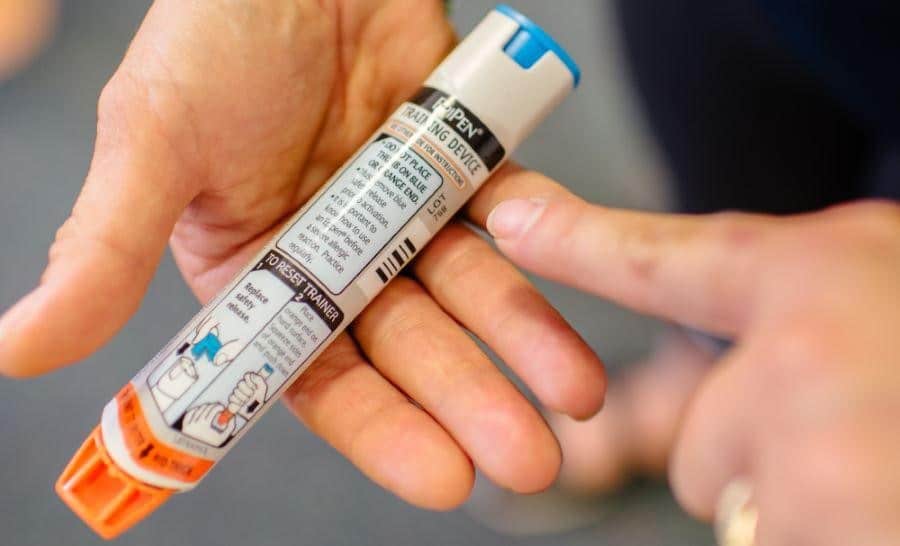
3. Administer an EpiPen (Adrenaline Autoinjector)
Adrenaline is the first line treatment for anaphylaxis and should be given immediately:
| Step | Action |
|---|---|
| Check the label | Ensure it's an adrenaline autoinjector (e.g., EpiPen®) |
| Remove the blue safety cap | ‘Blue to the sky, orange to the thigh’ |
| Place orange end on outer thigh | Inject at 90 degrees into the outer mid-thigh |
| Hold for 3 seconds | Then remove and massage the injection site for 10 secs |
4. Monitor Breathing and Be Ready to Perform CPR
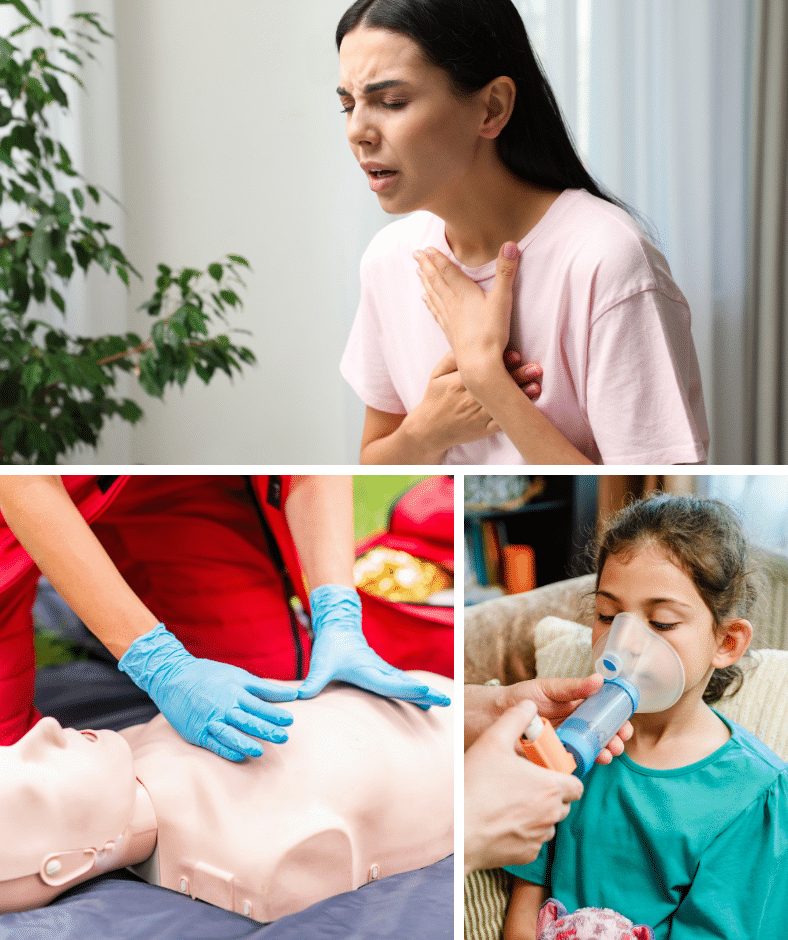
If the person becomes unresponsive and is not breathing normally, begin CPR following the DRSABCD protocol. Trained first responders should assess airway and circulation until emergency help arrives.
5. Give a Second Dose if No Improvement in 5–10 Minutes
If symptoms persist or recur, administer another adrenaline autoinjector. This is safe and recommended by ASCIA in cases of continued reaction.
What to Do After Administering an EpiPen
Once adrenaline is administered, the person must be taken to hospital for further observation. A second phase of anaphylaxis, known as a biphasic reaction, can occur hours after the initial episode. Medical professionals will monitor and provide additional treatment if necessary.
The Role of ASCIA Action Plans in Anaphylaxis Management
The Australasian Society of Clinical Immunology and Allergy (ASCIA) provides individualised action plans for people with known allergies. These plans are vital in guiding the correct emergency response, especially in schools and workplaces.
Having a documented ASCIA Action Plan ensures everyone around the person knows:
- How to recognise the signs of anaphylaxis
- When and how to administer an adrenaline autoinjector
- When to call for emergency medical help
📄 Download templates from: ascia.org.au

Why Anaphylaxis First Aid Training Matters in the Workplace
Australian workplaces have a legal and ethical responsibility to protect employees, clients, and visitors. This includes having first aiders with anaphylaxis first aid training, capable of responding to medical emergencies such as severe allergic reactions.
Benefits of Workplace Anaphylaxis First Aid Training Include:
- Greater confidence to manage life-threatening emergencies
- Compliance with WHS laws and duty of care
- Reduced response times during a severe allergic reaction
- Enhanced team readiness in high-risk environments (e.g. childcare, hospitality, healthcare)
Protect your students and your team—book group anaphylaxis first aid training for your school or childcare facility with First Aid Pro today.
First Aid Fact Sheet: Adrenaline Autoinjectors Available in Australia
| Brand | Available Devices | Prescription Required | PBS Subsidised |
|---|---|---|---|
| EpiPen® | EpiPen (0.3mg), EpiPen Jr (0.15mg) | Yes | Yes |
| Anapen® | Anapen 300, Anapen 150, Anapen 500 | Yes | Yes |
All adrenaline autoinjectors should be stored at room temperature and replaced before the expiry date.
References
- Australasian Society of Clinical Immunology and Allergy (ASCIA): www.allergy.org.au
- ASCIA Action Plans for Anaphylaxis
- Pharmaceutical Benefits Scheme (PBS): www.pbs.gov.au
- Australian Resuscitation Council: www.resus.org.au
Be Ready to Save a Life with Anaphylaxis First Aid Training
Anaphylaxis can strike at any time—and every second counts. Knowing the signs of anaphylaxis and how to use an EpiPen could mean the difference between life and death. Whether you’re a parent, teacher, first responder, or colleague, effective training gives you the confidence to act fast and save a life.
Don’t wait for an emergency—enrol in First Aid Pro’s asthma and anaphylaxis first aid training today and be prepared to protect the people around you.
Frequently Asked Questions
An allergic reaction may cause mild symptoms like sneezing or rash, while anaphylaxis is a sudden, severe reaction involving breathing or circulation. It must be treated with adrenaline immediately.
Yes. In Australia, anyone can administer an EpiPen to someone experiencing anaphylaxis. No legal liability will arise when acting in good faith in an emergency.
No. Each device contains a single dose of adrenaline and must be disposed of safely after use. Always carry a spare if prescribed.
Speak with your GP or allergy specialist. If you qualify, the adrenaline autoinjector may be covered under the Pharmaceutical Benefits Scheme (PBS).
Adrenaline may cause increased heart rate, tremors, or anxiety. However, the benefits in treating anaphylaxis far outweigh any temporary side effects.