


Sharon has 21+ years of experience as a qualified Emergency Care Nurse registered with the Australian Health Practitioner Regulation Agency (APHRA) and 12+ years as a First Aid Trainer.
She takes pride in FirstAidPro making first aid training available, comprehensive and affordable to everybody.
Automated external defibrillators (AEDs) are devices that can help save the life of someone experiencing sudden cardiac arrest and is a major part of the First Aid Pro first aid and CPR course. They work by delivering an electric shock to the heart to restore its normal rhythm.
AEDs are designed to be easy to use, even by people with no medical training. They come with simple instructions and voice prompts that guide the user through the process. AEDs are generally located in public places, such as airports, schools, and sports facilities. They are an important tool in the chain of survival for cardiac arrest victims and can greatly increase their chances of survival.
Automated external defibrillators have advanced technology that allows them to analyze the heart’s rhythm and determine whether a shock is needed under the circumstances. This ensures the device only delivers a shock when required, minimising the risk of unnecessary harm.
They are designed as lightweight, portable devices, making them easily transportable to any location where they may be needed. This portability allows for quick deployment, ensuring immediate medical assistance is available to cardiac arrest victims regardless of location.
Book Your First Aid Training
First Aid Course (Incl CPR) $97
CPR Course $45
Child Care First Aid Course $119
- Same-Day Certificate
- Courses available 7 Days
- Nationally Accredited Certification
Don’t Miss Out – Book Today!
How Does a Defibrillator Work?
AEDs are helpful tools that can improve results when the heart stops due to irregular heartbeats. Unlike heart attacks, where blood flow is blocked, electrical currents can fix the problem with the heart and treat the irregularities.
Unlike heart attacks, where the danger to the heart comes from a blockage preventing blood flow to it, cardiac arrest is where the electrical signals within the heart malfunction. These electrical malfunctions are arrhythmias — when the heart beats too fast or too slow. Arrhythmias come in multiple varieties, but the two that an automated external defibrillator is concerned with are ventricular fibrillation and pulseless ventricular tachycardia.
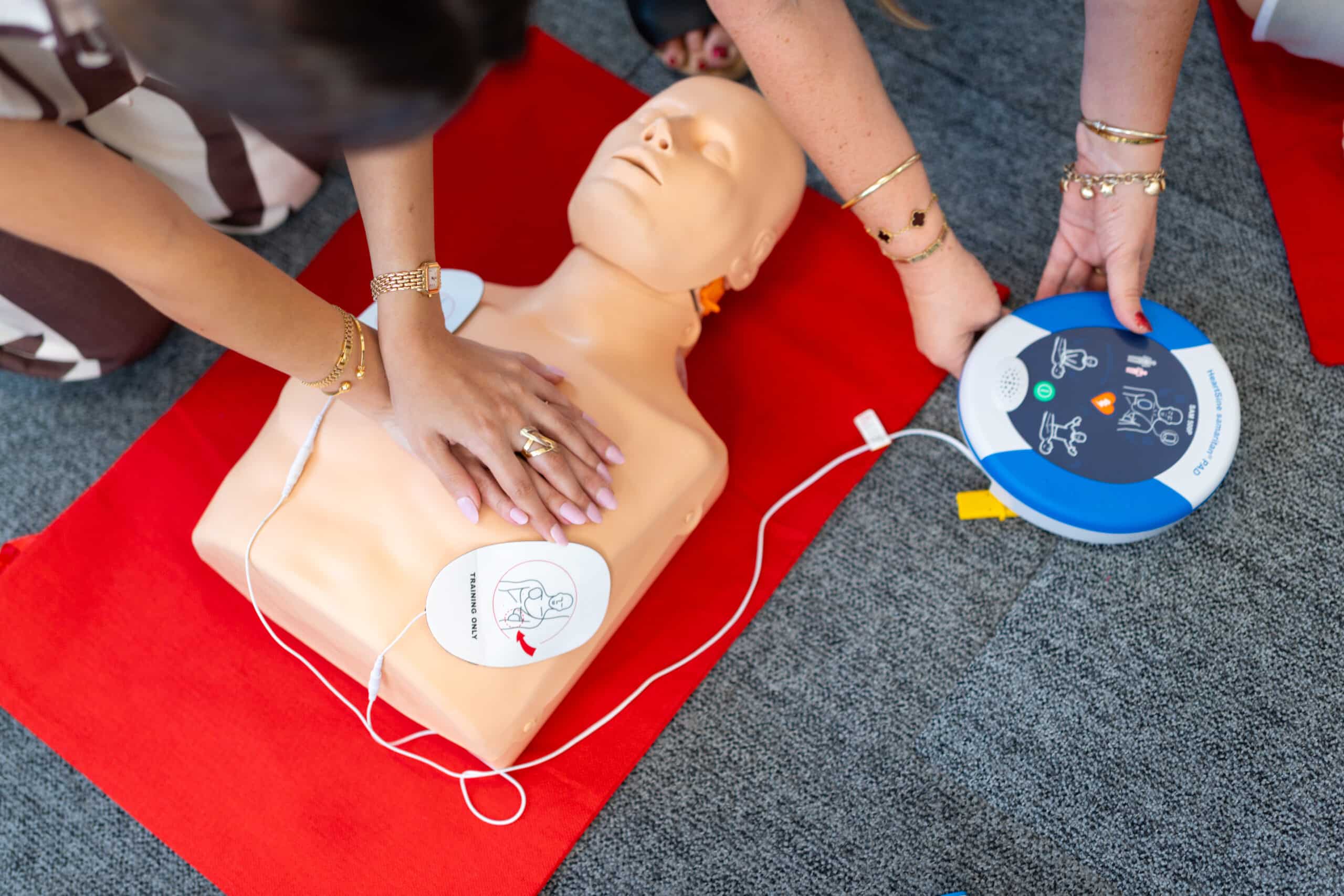
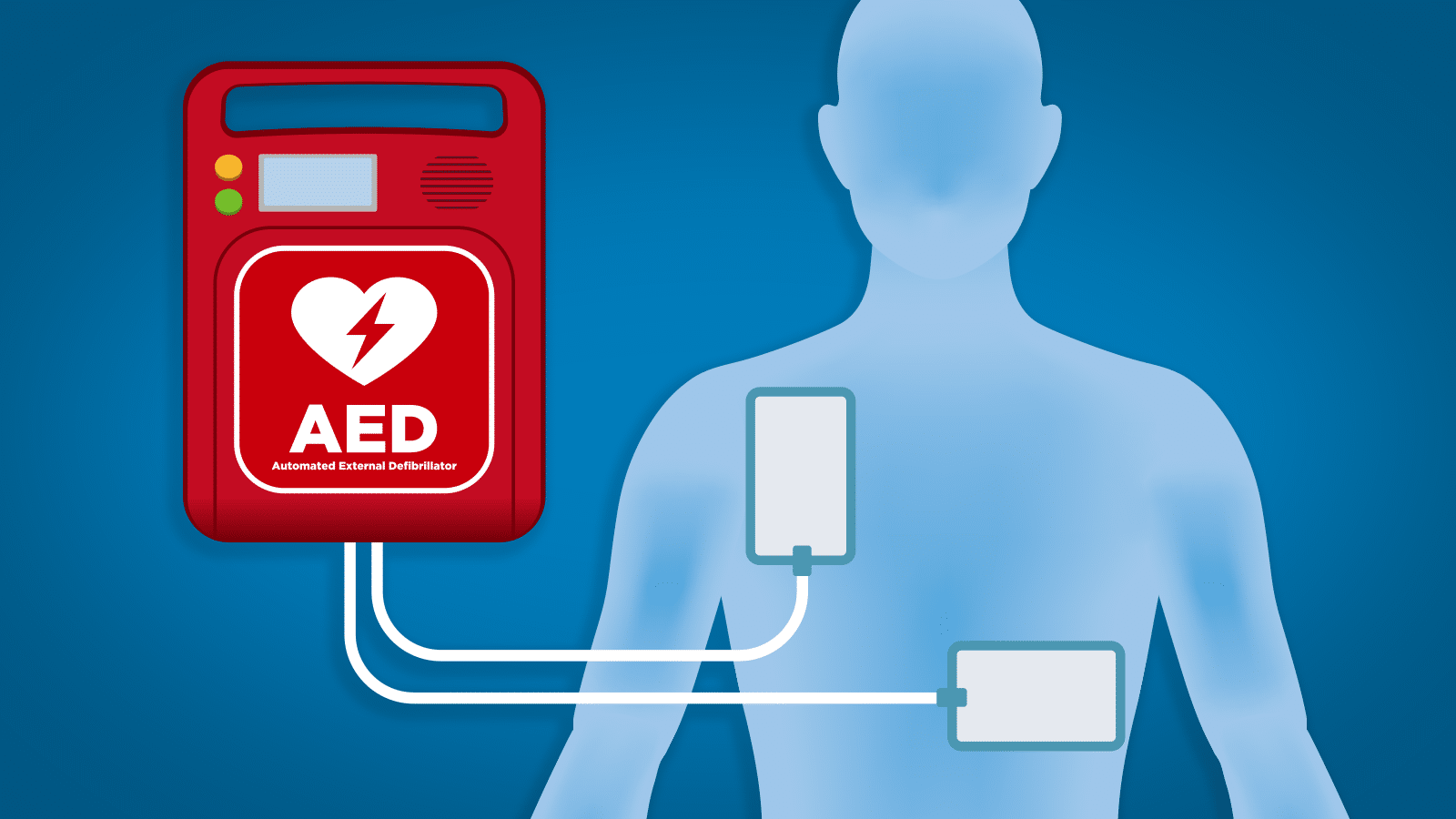
The AED itself consists of a computer that monitors heart rhythms and electrode-filled adhesive pads that need to adhere to the causality’s chest at certain places. Using a battery-powered device, the defibrillator reads the electrical signal from the heart, determining if either ventricular fibrillation or pulseless ventricular tachycardia is present. If necessary, it will administer a shock that corrects the irregular heart rhythms by depolarising the heart muscle.
What other models of AED exist?
AEDs come in two varieties: full-automatic and semi-automatic
-
A semi-automated external defibrillator checks heart rhythms and decides if a shock is needed. Then, if a shock is recommended, it will indicate this to the user, who then needs to press a button to deliver it.
-
A full-automated external defibrillator checks the heart rhythm and instead of instructing the user to deliver the shock, it simply instructs the user to step back while it automatically delivers the shock. Some full-auto AEDs have additional features like a manual override or an ECG display for advanced operation by a trained professional.
What are the different types of defibrillators?
There are other kinds of defibrillators besides an AED that are used in other circumstances:
Manual Defibrillators
Healthcare professionals use manual external defibrillators, which require the assistance of an electrocardiogram. The healthcare provider diagnoses the heart rhythm and manually determines the voltage and timing of the electrical shock. These defibrillators are mainly found in hospitals and some ambulances. Internal defibrillators are used during or after heart surgery and are placed directly on the heart in the operating room or emergency room.
Cardioverter-Defibrillators
Also known as Implantable Cardioverter-Defibrillators (ICDs) are, as the name suggests, inserted into the body. They function much like pacemakers and can even act as pacemakers by constantly checking the heart rhythm and giving shocks if there are dangerous arrhythmias. They can tell the difference between different kinds of arrhythmias, like ventricular fibrillation and supraventricular tachycardia. If there is ventricular fibrillation, the ICD will give a shock right away.
A wearable cardioverter defibrillator is a portable defibrillator that can be worn externally by patients who are at risk. It monitors the patient constantly and can give a shock if it detects a dangerous arrhythmia but is mainly a stopgap measure for patients who can’t get an ICD right away.
Where can I find the nearest defibrillator?
Public access defibrillators are brightly coloured, and often placed in protective cases near building entrances to make them easily visible. The common logic behind the placement of AEDs is always to place them in conspicuous public spaces where first responders and even emergency services can gain quick and easy access if necessary. Think of building foyers, train stations, the information kiosks in shopping centres, community centres, sporting clubs and anywhere else large groups of people gather.
Opening these cases or removing the defibrillator may trigger a buzzer to alert nearby staff, but it doesn’t automatically call emergency services. This is why it’s important to take the initiative to make sure emergency services are contacted.
How do I use an automated external defibrillator (AED)?
An AED is called ‘automatic’ because it can independently analyze the patient’s condition and most units have spoken prompts and some may have visual displays to guide the user.
‘External’ means that the operator places the electrode pads on the victim’s bare chest, unlike internal defibrillators that are surgically implanted inside the body.
When the AED is turned on or opened, it will instruct the user to connect the electrodes to the patient. Once the pads are attached, all bystanders should avoid touching the patient to prevent false readings. The pads allow the AED to examine the heart’s electrical output and determine if the patient is in a shockable rhythm. If a shock is needed, the device will charge its internal capacitor using the battery and deliver the shock faster and only when necessary, making it safer.
AED units can also store the patient’s ECG, activation time and shock details, even recording the actions taken by medical personnel. This data can be downloaded to assess the effectiveness of CPR and defibrillation. Some AED units also audibly give feedback on the quality of compressions provided by the rescuer during CPR.
The defibrillator will then instruct you to continue giving chest compressions and rescue breaths at a 30:2 ratio (30 compressions and 2 rescue breaths) for 2 minutes until it re-analyses the person’s heart rhythm. It may then administer another shock, and instruct you to continue CPR.
The use of a defibrillator is not a replacement for CPR, and the two are both vital links on the chain of survival that should be used in tandem for the best chances of success in a medical emergency.
Tips for proper maintenance of AEDs
Equipped with self-diagnostic capabilities, AEDs can regularly perform self-checks to ensure that they are always in proper working condition. This guarantees that the device is always ready for use and eliminates the need for frequent maintenance or manual inspections.
Manufacturers still suggest checking the AED before each use or regularly for fixed units. Some need to be turned on for a self-check, while others have a built-in self-check system with a visible indicator.
Check the expiration date on the electrode pads, which usually last between 18 and 30 months. Some models have a “window” to see the date stamp, while others require opening the case to find it. Another consideration: check that the AED unit’s batteries are not expired.
Final Thoughts
Public defibrillators are not only life-saving devices but also essential tools in the chain of survival for sudden cardiac arrest victims. Their advanced portability, technology, ease of use, safety mechanisms, user-friendly design, self-diagnostic capabilities and more make them indispensable in public places.
By increasing the chances of survival for those experiencing sudden cardiac arrest, AEDs play a crucial role in promoting a safer and more prepared society.
FAQs
When would I need to use a defibrillator?
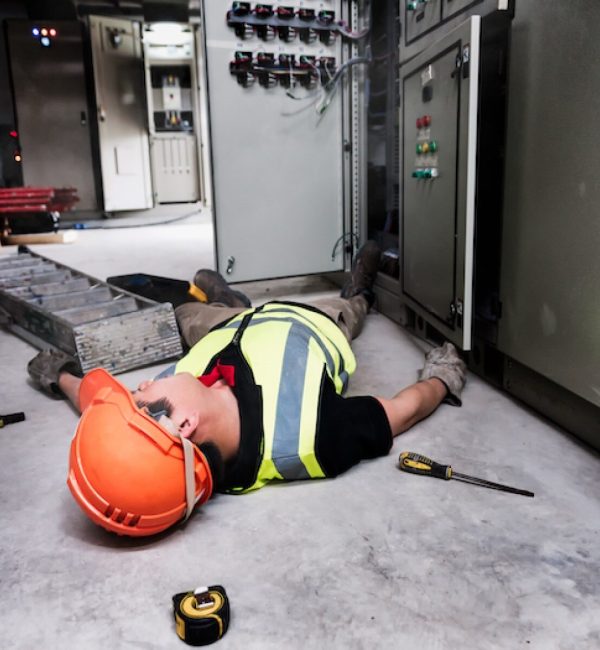
You can use a defibrillator when someone’s heart suddenly stops beating or beats irregularly. It’s crucial in cases of cardiac arrest, which can occur due to heart attacks, electric shocks, drowning and more.
Can anyone use an AED, even if they aren’t trained in CPR?
AED machines are designed with user-friendliness as a foremost consideration so that minimal or even zero training is no barrier to their use. This means that anyone, whether they have taken a course in first aid training or otherwise, can follow the instructions and use an AED in an emergency.
They can also be used with voice commands for accessibility to persons with visual impairments.
Do I need to do CPR if I have a defib?
Yes. Having an AED doesn’t replace CPR, and when following the instructions on an AED you will actually even be instructed to perform CPR, just so there’s no doubt. Performing both will give the best possible chance of success.
How do I know when to shock someone?
When it comes to the particulars of the administration of the shock, the AED decides and not first responders, leaving one less decision up to someone who could already be panicked and/or untrained. The AED decides this based on the information it collects through the AED pads, and this can differ depending on whether the person’s heart is producing a dangerously fast heartbeat or dangerously slow
Can I hurt someone with an AED, or shock a person that isn’t in cardiac arrest?
AEDs are equipped with built-in safety mechanisms to protect both the user and the patient which includes sensors that detect whether the patient requires a shock, only delivering it if necessary.
Also, the AED won’t allow a shock to be administered if someone is in physical contact with the patient, preventing potential harm to bystanders.
How does an AED help CPR?
AED provides guidance on CPR for emergency responders. AED is able to control beats by metronome and maintains a compression rate of between 100 and 120 kHz. Some AED systems are equipped with screens giving visual instructions for CPR. Often an EDC gives feedback on compression depth.
Can I use a defib on a child?
Yes. Most defibrillators have child pads for kids under eight years of age and many have a Child Mode button.
Do I remove the defib pads if the victim is revived?
No, it’s best to wait until paramedics have arrived and can advise further or take over entirely. Don’t discard the pads even if the AED has administered a shock and advised you to continue with CPR. If the patient has been revived, the AED will monitor the heartbeat of the patient and provide further instructions.
What if I use the AED and it doesn’t shock the victim?
After being connected and conducting its analysis, the AED may not administer a shock. This can be due to a number of reasons that may chiefly come down to either an issue with the AED device itself or with the patient’s condition.
If the device itself does not appear to be working correctly it can be a result of poor maintenance.
Are the electrode pads within date? Do the batteries carry sufficient charge? Is there any fraying or damage to the cords? Cracks or water/dust ingress to the body of the device?
Barring a mechanical failure, the issue may lie with the patient, as the patient’s condition may not be treatable with an AED. The two arrhythmias that an AED is concerned with are ventricular fibrillation and pulseless ventricular tachycardia – outside of these two conditions, like in the case of asystole, the AED cannot assist.
It might be necessary for someone to follow the CPR procedure after the initial failed shock, the AED will continue to monitor the patient’s pulse.
Can I be held liable for using an AED if it doesn’t work?
In Australia and in many other countries around the world, there are laws that protect first responders against liability if they have responded in good faith and with good intentions. Though it may vary slightly, some form of a ‘Good Samaritan Act’ exists in all Australian states and territories and is designed to empower bystanders, even untrained ones, to provide assistance in an emergency. With AEDs being designed to be as user-friendly as possible and first aid training being as affordable and accessible as ever, there is every opportunity for an individual to equip themselves with everything they need to make a difference when an accident happens.
Where do you place the AED pads?
Place the electrode pads on the victim’s chest. One pad goes on the right side of the chest, over the nipple and below the collarbone, while another pad goes under the left nipple. The pad can also be placed lower under the nipples or on the side of the breast.
Why does AED pad placement matter?
The placement of the pads was designed in order to send shocks directly from a defibrillator into the heart cells by creating an electrical circuit and placing the heart in the path. The electrical current passes through the heart, interacting with the sinoatrial nerve in the heart and re-establishing a normal rhythm.
How does a defibrillator know when to shock?
Using adhesive electrodes, a computer processor inside the AED interprets the heartbeat of the patient by measuring the pulse of their heartbeat. The computer then monitors heart rhythm and will recommend shock only in cases of ventricular fibrillation and ventricular tetraplegic syndrome.
Does a defibrillator work if there is no heartbeat?
AEDs can only fix a heart with an irregular beat if there are still electrical signals in the heart. If there’s no electrical activity in the heart, which is called ‘asystole,’ an AED cannot assist.
When should an AED not be used?
Don’t use AEDs on conductive surfaces, conductive metal can transfer shocks. There have also been incidences where bra wiring or other metals in clothing or accessories have caused interference and caused arcing or fire under certain circumstances.
Who is authorised to operate an AED?
By providing step-by-step instructions and guidance, AEDs empower bystanders to take immediate action and potentially save a life, without the need to be a health professional.
AEDs are designed to be user-friendly, with intuitive interfaces and clear visual and audio prompts. This simplicity allows even untrained individuals to confidently and effectively use the device during a high-stress emergency situation.
Book Your First Aid Training
First Aid Course (Incl CPR) $97
CPR Course $45
Child Care First Aid Course $119
- Same-Day Certificate
- Courses available 7 Days
- Nationally Accredited Certification
Don’t Miss Out – Book Today!