




Sharon has 21+ years of experience as a qualified Emergency Care Nurse registered with the Australian Health Practitioner Regulation Agency (APHRA) and 12+ years as a First Aid Trainer.
She takes pride in FirstAidPro making first aid training available, comprehensive and affordable to everybody.
Asthma is a chronic respiratory condition that can become life-threatening without proper management. This article provides an overview of asthma symptoms, common triggers, and effective first aid steps during an asthma attack. The guide emphasises the importance of having an asthma action plan and knowing the signs of worsening symptoms. Emergency response steps are outlined, with advice for situations where a reliever inhaler is unavailable.
Regular first aid training, such as those provided by First Aid Pro, is highly recommended for managing asthma emergencies confidently. Proper training helps individuals respond effectively, potentially saving lives during an asthma attack. Knowing the right steps to take during an asthma attack can help save lives and prevent complications, making it essential for everyone to understand the basics of asthma first aid.

Understanding Asthma and Its Symptoms
What is Asthma?
Asthma is a chronic disease that inflames and narrows the airways, making breathing difficult. Symptoms can vary from mild to life-threatening, and asthma often starts in childhood but can affect people of all ages. The condition is typically managed with a combination of medication and lifestyle changes. For many people, asthma is a lifelong condition that requires continuous monitoring and management.
Common symptoms of asthma include:
Wheezing: A whistling or squeaky sound when breathing, especially during exhalation. Wheezing is often one of the first signs of an asthma flare-up.
Shortness of Breath: Difficulty breathing, particularly after physical activity or at night. This can range from mild breathlessness to severe respiratory distress.
Chest Tightness: A feeling of tightness or pressure in the chest. This can make it difficult for the person to take deep breaths.
Coughing: Persistent cough, often at night or early in the morning. The coughing may be dry or productive and is usually worse during exercise or when exposed to asthma triggers.
Understanding these symptoms can help in early detection. Effective management can reduce the likelihood of severe attacks.
Common Asthma Triggers
List of Common Asthma Triggers
Asthma attacks can be triggered by numerous factors, including:
Allergens: Pollen, dust mites, mould, pet dander, and cockroach droppings. These allergens can cause an immune response that leads to airway inflammation and asthma symptoms.
Irritants: Tobacco smoke, air pollution, chemical fumes, and strong odours. These irritants can cause airway hyperreactivity, making breathing difficult.
Weather: Cold air, sudden changes in weather, and humidity. Extreme weather conditions can aggravate asthma symptoms, making it essential to be prepared during such times.
Respiratory Infections: Colds, flu, and other respiratory illnesses. Infections can cause inflammation in the airways, leading to an increased risk of asthma attacks.
Emotional Stress: Strong emotions, anxiety, or stress. Emotional stress can trigger hyperventilation, which may lead to asthma symptoms.
Identifying triggers is crucial for asthma management. Keeping a symptom diary—where you record symptoms, their severity, and possible triggers each day—can help pinpoint what might be causing attacks.
For example, a diary entry could include: ‘March 3rd: Experienced shortness of breath and wheezing after visiting a friend’s house with a cat. Severity: Moderate.’ Consulting healthcare providers about allergy testing can also help determine specific triggers. Additionally, taking proactive steps to reduce exposure to these triggers can significantly improve asthma control.
Recognising an Asthma Attack
Early Signs of an Asthma Attack
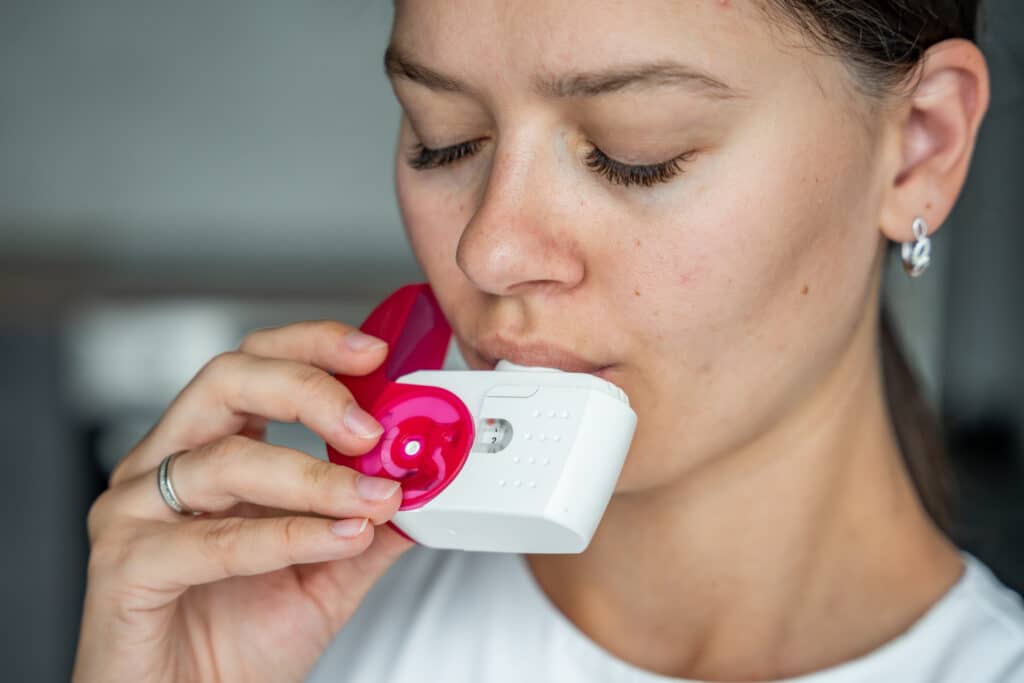
Recognising the early signs of an asthma attack can help prevent it from becoming severe:
Frequent Coughing: Especially at night or early morning. This is often a sign that the airways are becoming inflamed.
Shortness of Breath: Feeling winded more easily than usual. This can occur even with minimal physical activity.
Chest Tightness: Pressure or tightness in the chest. This can be an early indication that the airways are narrowing.
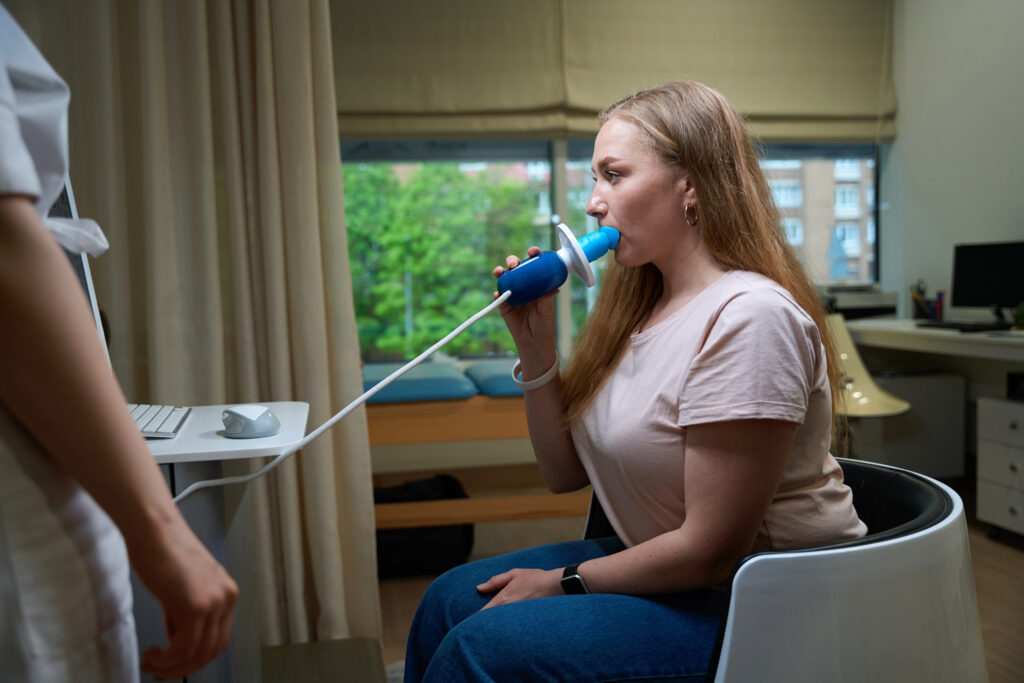
Decreased Lung Function: Drop in peak flow readings if using a peak flow metre. Monitoring peak flow can help detect worsening asthma before symptoms become obvious.

What to Watch for During an Asthma Attack
During an asthma attack, symptoms can escalate quickly. It’s important to recognize these signs early to provide timely assistance: Look for:
Severe Shortness of Breath: Struggling to breathe or gasping for air. The person may also have difficulty walking or speaking due to breathlessness.
Wheezing: Increased and persistent wheezing. This indicates that the airways are significantly constricted.
Inability to Speak: Difficulty speaking in full sentences. The person may only be able to speak a few words at a time before needing to take a breath.
Cyanosis: Blue lips or fingernails, indicating low oxygen levels. This is a sign of severe respiratory distress and requires immediate medical attention.
Recognising these signs and acting quickly can help prevent the asthma attack from becoming life-threatening. It’s also important to inform others around you about the situation, so they can assist or call for emergency help if needed. Caregivers should be prepared to take immediate action if they notice any of these symptoms.
First Aid Steps for an Asthma Attack
Step-by-Step Guide for Asthma First Aid
Stay Calm: Keeping calm helps prevent the symptoms from worsening. Panic can cause the person to hyperventilate, which may exacerbate the attack.
Sit Upright: Encourage the person to sit upright to open their airways. Sitting in a hunched-over position can restrict airflow and worsen symptoms.
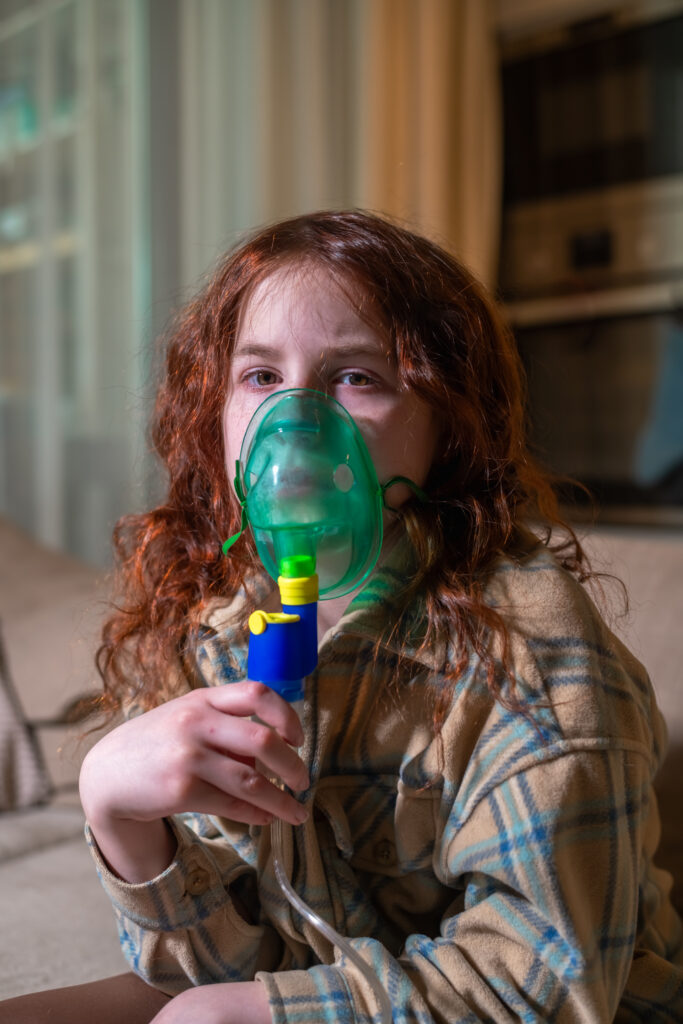
Use a Reliever Inhaler: Administer four puffs of a reliever inhaler, such as salbutamol, using a spacer if available. Give one puff every 30 seconds. The use of a spacer ensures that more medication reaches the lungs.
Monitor Symptoms: If symptoms do not improve after four minutes, repeat the dose. Keep monitoring the person for any signs of improvement or worsening.
Call Emergency Services: If there is no improvement after repeating the dose, or if the symptoms worsen, call emergency services (000 in Australia). It is crucial to seek professional medical help if the attack does not subside.
Alternative Methods if No Inhaler is Available
If an inhaler is not available:
Sit Upright: Help the person sit comfortably upright. Sitting upright helps open the airways and makes breathing easier.
Breathing Techniques: Encourage slow, steady breaths to manage anxiety and improve oxygen intake. This can help reduce the severity of the symptoms.
Call for Help: Seek emergency medical assistance immediately. Do not delay in calling for help if the person’s condition does not improve.
In the absence of medication, it is essential to keep the person as calm as possible and ensure that they are breathing comfortably until professional help arrives.
Preventing Asthma Attacks
Asthma Action Plan
An asthma action plan, developed with a healthcare provider, is crucial for managing asthma effectively. The plan should include:
Daily Medication List: Names and dosages of regular medications. This helps ensure that the person is consistently taking the right medications to control their asthma.
Peak Flow Monitoring: Tracking peak flow readings to identify worsening symptoms. Regular monitoring helps detect potential flare-ups before they become severe.
Trigger Avoidance Strategies: Specific actions to avoid known asthma triggers. This may include allergen-proofing the home or avoiding outdoor activities during high pollen days.
Emergency Steps: Clear instructions on what to do during an asthma attack. Having these steps written down can be helpful for both the person with asthma and their caregivers.
Working closely with a healthcare provider to create a personalised asthma action plan can significantly improve asthma control and reduce the risk of severe attacks.
FAQs About Asthma First Aid
Seek emergency medical help immediately if your inhaler does not relieve symptoms. Continuing to use the inhaler without improvement could delay necessary treatment.
Yes, exercise can be a trigger for some people. Using a preventer inhaler before physical activity may help. Warming up properly and avoiding exercise in cold, dry conditions can also reduce the risk.
Signs of worsening asthma include increased reliance on your reliever inhaler and a noticeable decrease in peak flow readings. Other signs may include waking up at night due to symptoms or feeling breathless more often than usual.
First Aid Pro: National First Aid Training
First Aid Pro offers first aid courses nationally across Australia, including specialised training on managing asthma emergencies, such as recognizing early warning signs, using reliever inhalers effectively, and knowing when to seek emergency medical help.
The training also covers practical skills like using spacers, monitoring symptoms, and providing reassurance during an attack. Proper training can equip you with the skills needed to handle asthma attacks effectively, whether for yourself or others, including using different types of inhaler devices, recognizing early symptoms, and applying breathing techniques. This knowledge can be life-saving in emergencies and can help prevent asthma attacks from escalating.