




Asthma is a chronic lung condition where the airways become inflamed and narrowed, making breathing difficult and triggering symptoms like wheezing, coughing, shortness of breath, and chest tightness. This long-term disease can be managed with proper treatment, but symptoms may flare up in response to various environmental triggers such as allergens, exercise, or cold air.
This article explains the key asthma symptoms, the causes of asthma attacks, and first aid steps to take during an asthma emergency. It also outlines the proper management of asthma flareups, how to prevent asthma attacks, the role of an asthma action plan, and how to manage asthma more effectively.
First Aid Pro offers nationally recognised first aid training covering asthma symptoms to help you respond quickly and confidently in an emergency. Enrol in a course today.

Key Takeaways
- Asthma is a chronic condition that causes inflammation in the airways.
- Asthma symptoms include wheezing, coughing, chest tightness, and shortness of breath.
- A severe asthma attack can be life-threatening and requires urgent first aid.
- It is essential to follow your asthma action plan and use of a blue reliever inhaler without delay.
- First aid training can help you recognise asthma symptoms and act quickly

What Is an Asthma Attack?
An asthma attack is a sudden and severe worsening of asthma symptoms, such as shortness of breath, coughing, wheezing, and chest tightness, caused by the airways in the lungs becoming narrowed, swollen, and filled with extra mucus. These attacks can be life-threatening if not treated promptly and often require quick-relief medication and, in severe cases, emergency medical attention.
Asthma Symptoms and Signs of an Asthma Attack
Mild to Moderate | Severe | Life-Threatening |
Coughing | Gasping for air | Blue lips or face |
Wheezing | Trouble speaking in full sentences | Collapsing or unconscious |
Chest tightness | Reliever not helping | No wheeze or breath sounds |
Slight shortness of breath | Rapid breathing | Little or no breathing effort |
If someone is experiencing an asthma attack and their symptoms don’t improve after using reliever medicine, please call 000 as they may be having a life-threatening asthma emergency.
Causes of Asthma and Common Triggers

What Causes Asthma?
Asthma is caused by a combination of genetic and environmental factors. Common risk factors and triggers include having a family history of asthma, allergies, exposure to air pollution or tobacco smoke, respiratory infections during childhood, workplace irritants, being overweight, and exposure to allergens like pollen, dust mites, or pet dander.
Common Asthma Triggers
- Allergens (pollen, dust mites, animal dander)
- Respiratory infections (cold, flu)
- Physical activity (especially in cold air)
- Tobacco smoke
- Air pollution
- Weather changes
- Thunderstorm asthma (sudden outbreaks triggered by storms)
- Emotional stress
Asthma Symptoms: What to Watch For
Asthma symptoms can vary from person to person. Some may have infrequent episodes, while others may experience symptoms daily.
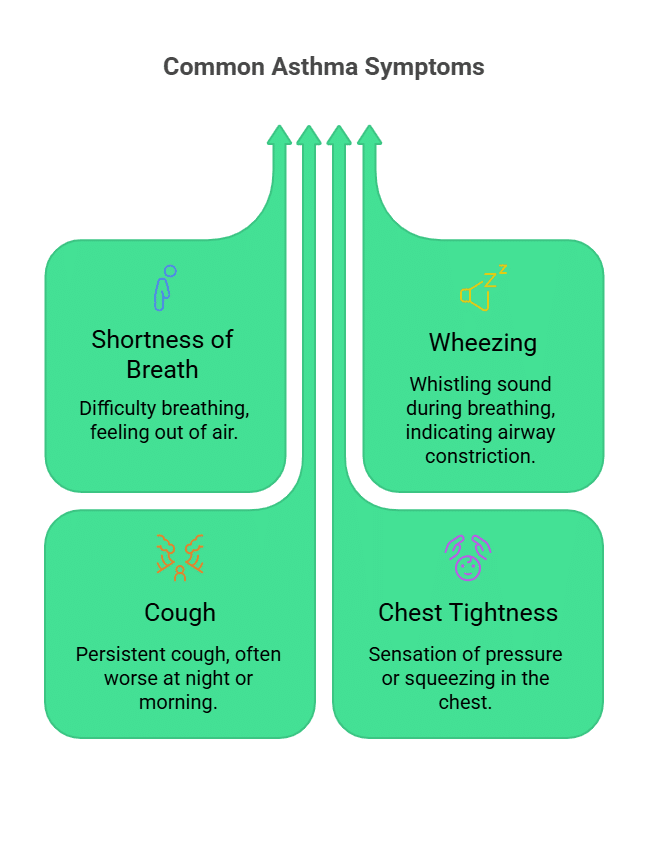
Asthma symptoms to watch for include shortness of breath, chest tightness, wheezing (a whistling sound while breathing), and coughing—especially at night or early morning. You may also notice trouble sleeping, increased fatigue, and symptoms that worsen with exercise or exposure to triggers like allergens, cold air, or respiratory infections.
Monitoring these signs and symptoms regularly with a peak flow meter can help identify early warning signs of an asthma flare-up or attack
Why Triggers May Increase Asthma Symptoms

Some triggers, like weather changes, cause asthma symptoms only in certain people because asthma is a highly individual condition—each person’s airways have different sensitivities due to genetic factors, type of asthma, and personal history. Weather-related triggers such as cold air, heat, humidity, or sudden changes interact with specific sensitivities, meaning one person may react to cold dry air or storms while another might have no symptoms from the same conditions.
First Aid for Asthma: What To Do During an Attack
Asthma First Aid Steps (The 4x4x4 Method)
SIT THE PERSON UPRIGHT
GIVE 4 PUFFS OF RELIEVER INHALER
- Give 4 separate puffs of a blue/grey reliever inhaler (like Ventolin)
- Use a spacer if available
- After each puff, have the person take 4 breaths in and out from the spacer
WAIT 4 MINUTES
CALL FOR EMERGENCY HELP IF NEEDED
WHEN TO CALL TRIPLE ZERO (000)
Know what to do in a real emergency. Enrol in an accredited childcare first aid course with First Aid Pro and be prepared.

Using a Spacer and Blue Reliever Inhaler
Why Use a Spacer?
A spacer is used with a blue reliever inhaler (like Ventolin) to help deliver more medicine directly into the lungs, making each dose more effective. Spacers reduce the amount of medication left in the mouth and throat, minimise side effects, and make it easier to coordinate breathing with pressing the inhaler, which is especially helpful for children and anyone who finds it hard to use an inhaler correctly.
How to Use an Inhaler with Spacer
- Remove caps and shake inhaler
- Attach inhaler to the spacer
- Breathe out gently, place spacer mouthpiece between lips
- Press down on inhaler once
- Take 4 breaths in and out through the spacer
Repeat steps for each puff
Asthma Action Plans and Asthma Management
What Is an Asthma Action Plan?
A written plan developed with a doctor that outlines:
- Daily management
- Zones (green, yellow, red)
- Signs that asthma symptoms are getting worse
- What medicine to take and when
- When to seek emergency help
Why Is an Asthma Management Plan Important?
- It helps you monitor your asthma symptoms
- Ensures proper use of reliever medicine
- Reduces hospital visits
- Allows family, teachers, and carers to understand your needs
Asthma Action Plan Table
Zone | What It Means | What To Do |
Green | Asthma under control | Keep using daily preventer as prescribed |
Yellow | Worsening asthma symptoms | Use reliever, follow action plan, monitor |
Red | Severe asthma or asthma attack | Use reliever, call 000, start first aid steps |
Preventing Asthma Flare-Ups and Attacks
Tips to Prevent Asthma Symptoms
Quiz: Test Your Asthma First Aid Knowledge
Test your understanding of asthma emergency response
Final Thoughts on Asthma First Aid
Living with asthma requires ongoing management, but with the right tools, treatment, and education, people with asthma can lead full and active lives. Recognising asthma symptoms and signs of an attack, understanding first aid steps, and having a well-developed asthma action plan are critical. Being trained in first aid gives you the confidence and skills to assist someone in a medical emergency.
Help keep your family, workplace, or community safe. Join a nationally recognised first aid course with First Aid Pro and be ready for any asthma emergency.
References
- Asthma Australia. (2024). Asthma Action Plans. https://asthma.org.au
- National Asthma Council Australia. (2023). First Aid for Asthma. https://www.nationalasthma.org.au
- Mayo Clinic. (2024). Asthma: Symptoms and Causes.