


Spider bites in Australia are common occurrences that range from harmless to potentially life-threatening. While most spider bites cause mild symptoms and resolve without complications, certain species like the funnel-web and redback spiders can deliver venoms requiring immediate medical attention. This comprehensive guide outlines identification, first aid protocols, and when to seek emergency care for Australian spider bites, with information verified by the Australian Poisons Information Centre.
Ready to handle emergencies with confidence?
Enrol today in a nationally recognised first aid course with First Aid Pro to learn proper response techniques for spider bites and other medical emergencies. Call (08) 7120 2570 to secure your place.
Key Takeaways
- Most Australian spider bites are non-life-threatening, but redback and funnel-web spider bites require immediate medical attention
- Apply pressure immobilisation technique for funnel-web, mouse and other big black spider bites
- Do NOT apply pressure immobilisation for redback spider bites
- Call the Poisons Information Centre (13 11 26) for expert advice on any suspected venomous bite
- Knowing proper first aid techniques can significantly improve outcomes while waiting for professional medical help
- Seek emergency care if experiencing systemic symptoms like severe pain, vomiting, difficulty breathing or sweating
Dangerous and Venomous Spiders in Australia: What You Need to Know
Australia hosts several species of venomous spiders, but only the Sydney funnel-web and redback spiders have caused human fatalities historically. Since the introduction of antivenoms in the 1950s (redback) and 1980s (funnel-web), there have been no recorded deaths.
The Most Venomous Spider in Australian Regions: Sydney Funnel-Web
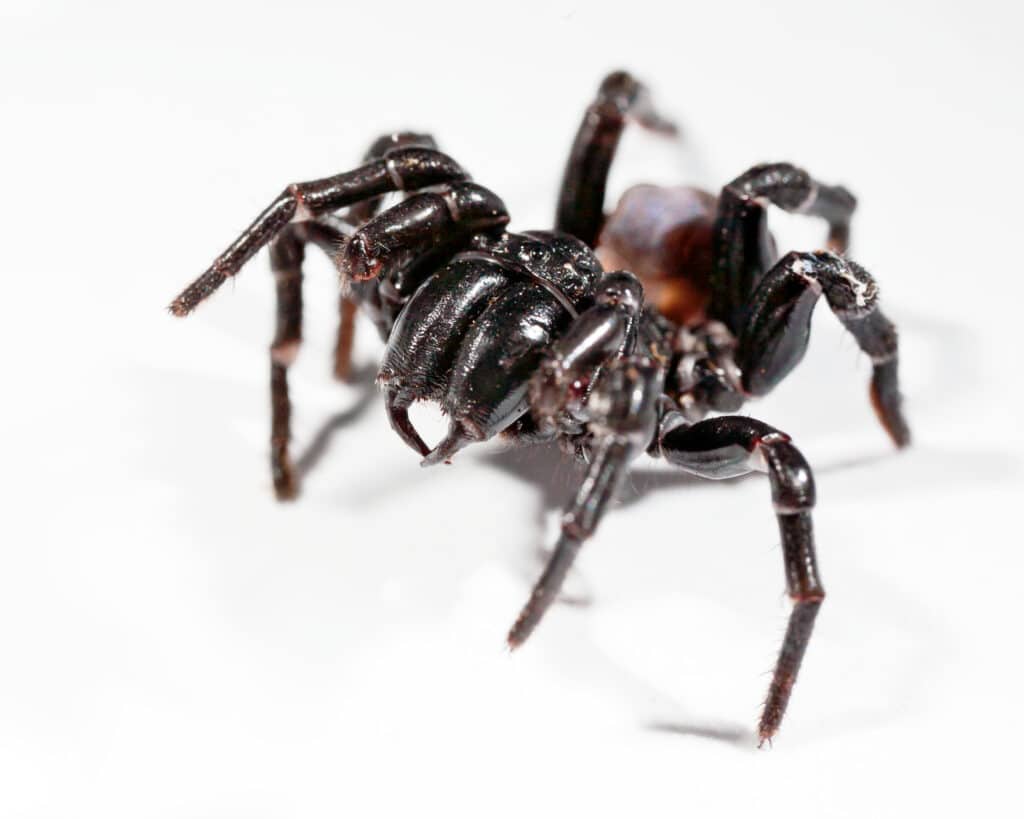
The Sydney funnel-web spider (Atrax robustus) is considered one of the world’s most dangerous spiders. These large, glossy black spiders with massive fangs are primarily found in New South Wales, particularly around Sydney.
Funnel-web spider bites deliver a potent neurotoxin that can cause severe symptoms within 30 minutes. Their venom is particularly dangerous to children.
Sydney Funnel-Web Spider Characteristics
| Characteristic | Description |
|---|---|
| Appearance | Glossy black, 1.5-3.5 cm body length, aggressive stance when threatened |
| Habitat | Moist, sheltered areas including gardens, under logs, and sometimes swimming pools |
| Venom potency | Highly toxic to humans, especially male spiders |
| Distribution | Primarily eastern NSW, particularly Sydney region |
| Active season | Males more active during summer and autumn, especially after rain |
Red-back Spiders: Australia's Most Common Dangerous Spider
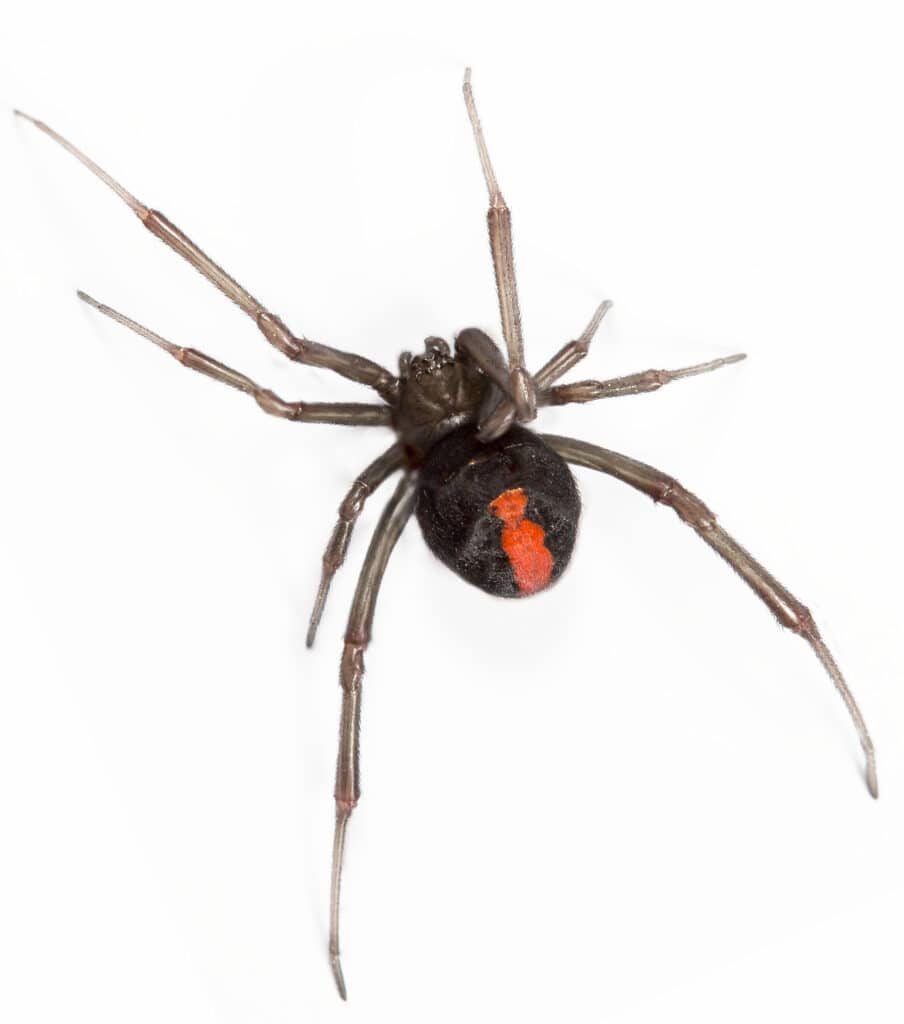
The redback spider (Latrodectus hasselti) is Australia’s equivalent to the black widow spider found throughout the United States. These spiders are easily identified by the distinctive red stripe on the female’s abdomen.
Redback spider bites often cause immediate pain that gradually intensifies. While rarely life-threatening, a redback spider bite may cause serious distress requiring medical intervention.
Redback Spider Characteristics
| Characteristic | Description |
|---|---|
| Appearance | Black body with distinctive red stripe on female's abdomen, 1 cm body length |
| Habitat | Dry, sheltered locations including outdoor furniture, mailboxes, and toilet seats |
| Venom potency | Neurotoxic, causing severe pain and systemic symptoms |
| Distribution | Throughout Australia, including urban areas |
| Web type | Messy, strong webs with sticky catching threads |
Other Poisonous Spiders Australian Residents Should Recognise
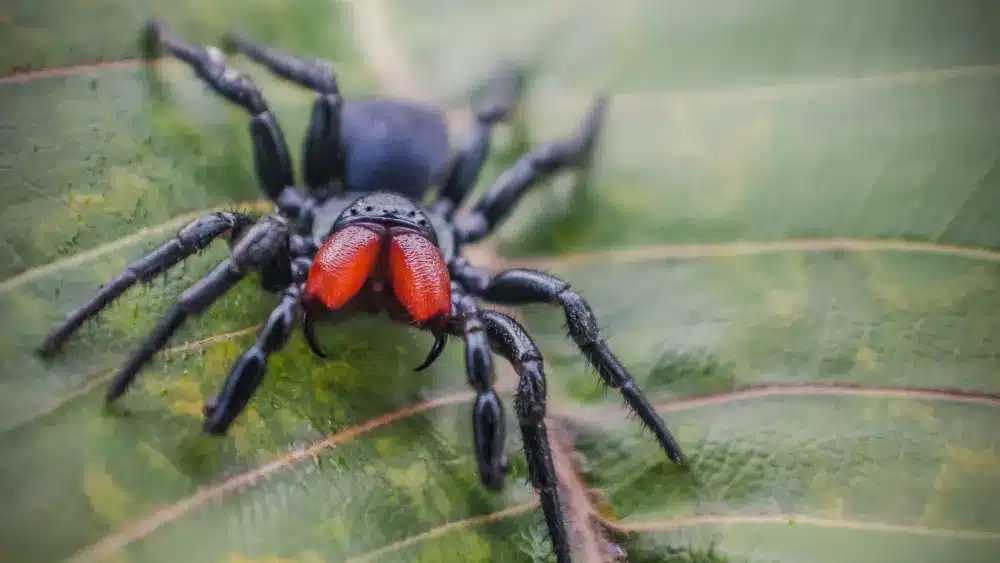
Mouse Spiders
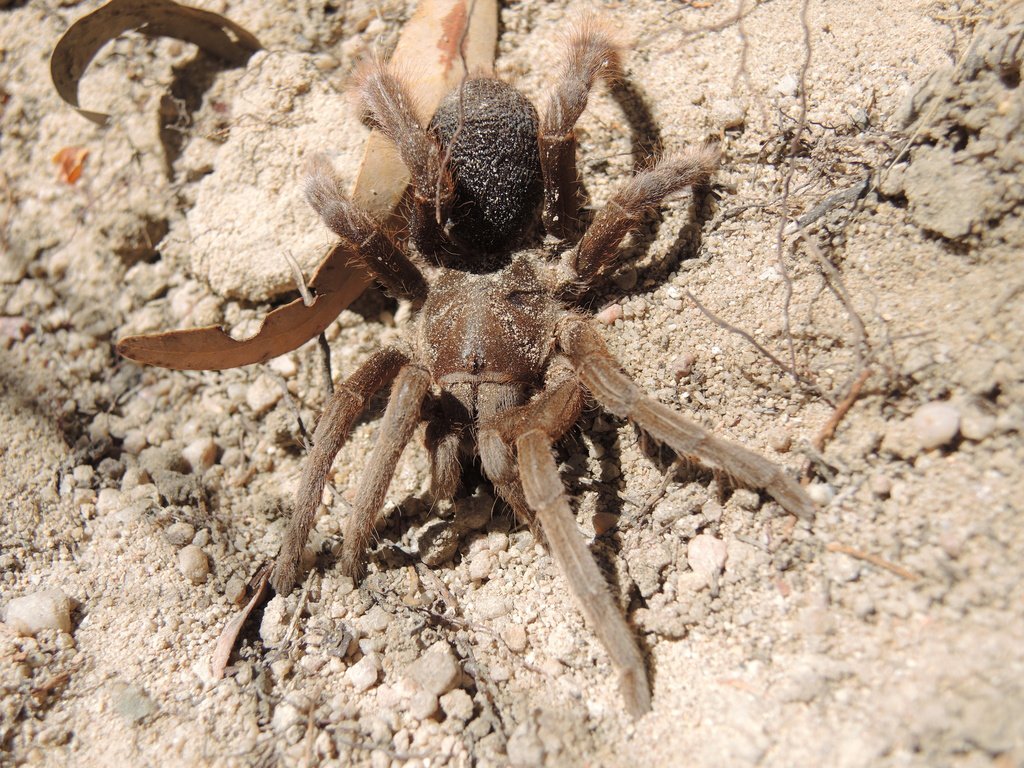
Often mistaken for funnel-webs, mouse spiders have similar venom components but typically deliver less venom. First aid should be identical to funnel-web protocols.
White-tail Spiders
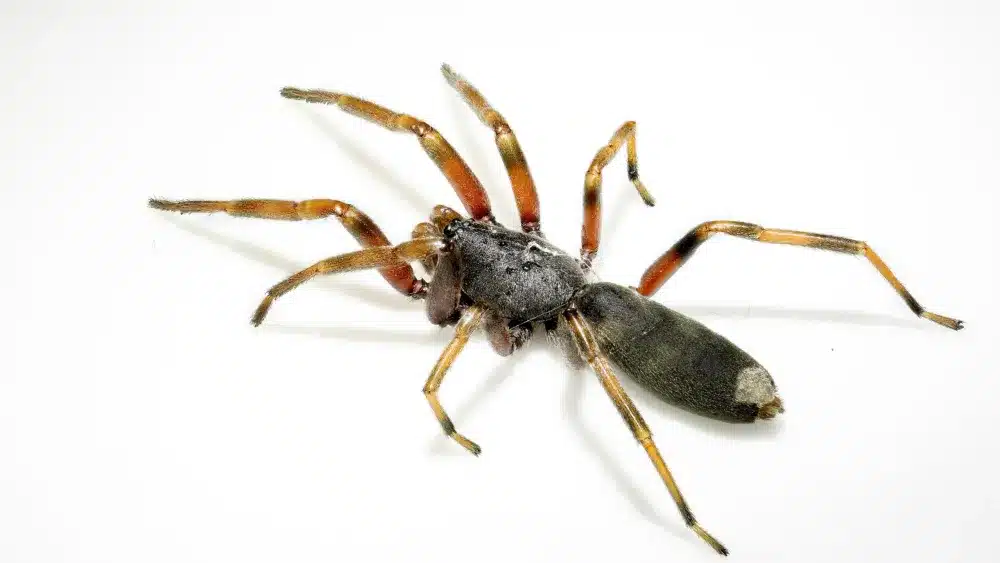
These hunters have been controversially linked to necrotic wounds, though scientific evidence doesn’t support this claim. Their bites typically cause localised pain and swelling.
Huntsman Spiders
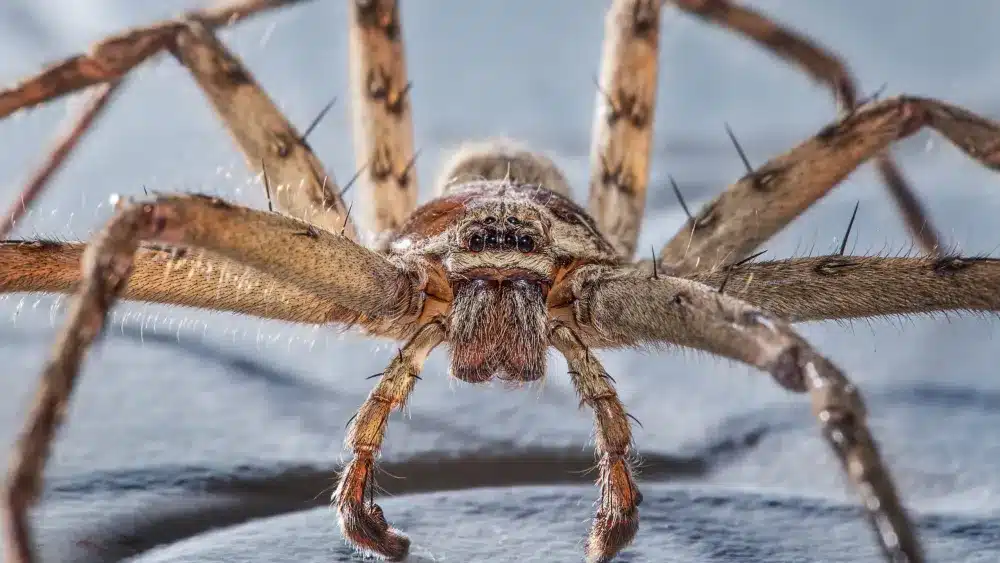
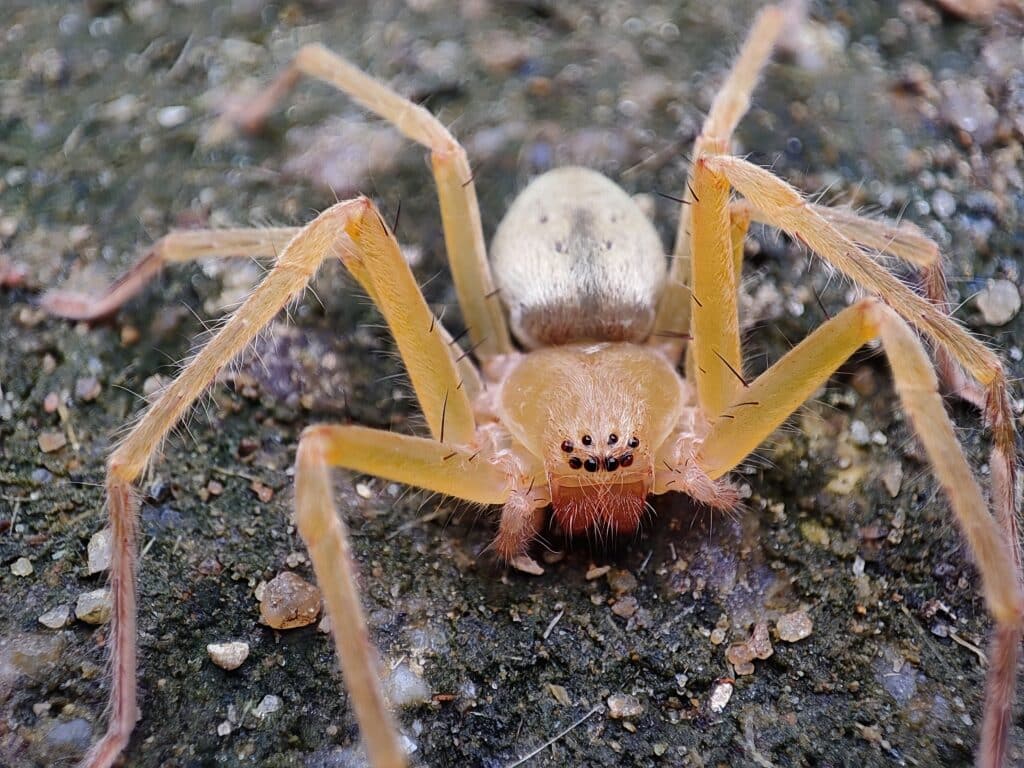
Despite their alarming size and speed, huntsman spiders are generally non-venomous to humans. Bites are rare and usually cause only mild local pain and symptoms.
What Do Spider Bites Look Like
Identifying spider bites correctly is crucial for proper treatment. Different spider species produce distinctive bite patterns and symptoms.
Spider Bite Identification Chart for Australian Species
| Spider Type | Bite Appearance | Severity Level | Common Locations |
|---|---|---|---|
| Redback Spider | Swollen red area, pain spreading outward | Moderate to Severe | Urban areas, under furniture |
| Funnel-web Spider | Deep puncture, pain, muscle twitching | Severe Emergency | East coast, damp environments |
| Mouse Spider | Red, swollen bite, possible nausea | Moderate to Severe | Gardens, parks, burrows |
| White-tail Spider | Red blister, sometimes ulcerated | Mild to Moderate | Indoors, clothing, bedding |
| Huntsman Spider | Swelling, minor pain, no venom effects | Harmless | Trees, homes, cars |
| Wolf Spider | Itchy bump, blister, minor irritation | Mild | Grasslands, ground crevices |
Redback Spider Bite Symptoms:
- Initial sharp pain at bite site
- Developing redness and swelling
- “Sweating” at the bite area
- Gradually spreading pain and often muscle cramps
- Rarely visible puncture marks
Funnel-web Spider Bite Symptoms:
- Clear fang marks visible
- Immediate local pain and sweating
- Tingling around the mouth
- Copious drooling
- Muscle spasms
- Rapid progression of symptoms
White-tail Spider Bite Symptoms:
- Mild to moderate local pain
- Localised redness
- Occasional itching
- Usually resolves within 24-48 hours
- No credible evidence of tissue necrosis
When to Worry About a Spider Bite: Warning Signs
While most spider bites in Australia cause mild reactions and heal without complications, certain symptoms warrant immediate medical attention:
Concerning Spider Bite Symptoms & Emergency Actions
| Concerning Symptoms | Potential Spider | Action Required |
|---|---|---|
| Severe pain radiating from bite site | Redback | Seek medical attention |
| Sweating, nausea, vomiting | Funnel-web/Redback | Call 000 immediately |
| Difficulty breathing or swallowing | Funnel-web | Call 000 immediately |
| Progressive muscle spasms or rigidity | Funnel-web | Call 000 immediately |
| Severe localised reaction with spreading | Various | Seek medical attention |
| Signs of infection (increasing redness, warmth, pus) | Any spider | Seek medical attention |
Spider Bite First Aid: Immediate Response Protocol
Evidence-based First Aid for Venomous Spider Bites
For suspected funnel-web or mouse spider bites:
- Keep the patient calm and still
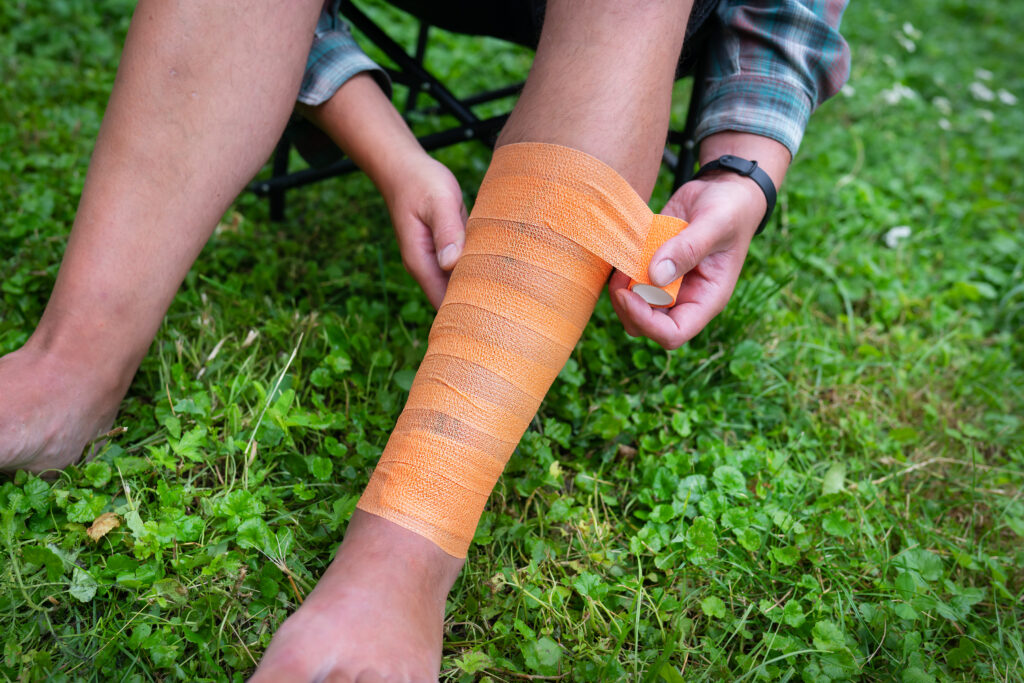
- Apply pressure immobilisation bandage:
- Bandage directly over bite site
- Continue bandaging up the limb (as firmly as you would for a sprained ankle)
- Immobilise with splint or sling
- Call 000 (triple zero) for an ambulance
- Do not wash the bite area (venom can be tested to identify the spider)
- If possible, safely collect the spider for identification
Seeking advanced training? Enrol in one of First Aid Pro’s nationally recognised first aid courses to master the pressure immobilisation technique and other critical emergency responses. Visit www.firstaidpro.com.au to find courses near you.
For suspected redback spider bites:
- Apply an ice pack to relieve pain
- Do NOT apply pressure immobilisation (can worsen pain)
- Seek medical attention if pain persists or systemic symptoms develop
- Call the Poisons Information Centre (13 11 26) for advice
For all other spider bites:
- Clean the area with soap and water
- Apply a cold compress to reduce swelling
- Take paracetamol for pain if needed
- Monitor for developing symptoms
- Seek medical attention if concerned
Spider Bite Symptoms That Require Emergency Medical Attention
Understanding the progression from local to systemic symptoms helps determine when a bite requires urgent care.
Recognising Severe Spider Bite Symptoms and Complications
- Tingling around mouth or tongue
- Drooling or difficulty swallowing
- Confusion or agitation
- Muscle spasms or twitching
- Seizures (rare but severe)
- Rapid heart rate
- High or low blood pressure
- Profuse sweating
- Chest pain or tightness
- Difficulty breathing
- Widespread hives
- Facial swelling
- Anaphylaxis (severe allergic reaction)
If you or someone else experiences ANY of these symptoms following a suspected spider bite, call 000 immediately. Do not wait for multiple symptoms to develop before seeking emergency medical care.
Spider Bite Blister Development: What It Means and How to Care for It
Spider bites sometimes develop blisters as part of the body’s inflammatory response. While often alarming, most blisters are not dangerous unless they:
- Continue to expand rapidly
- Contain cloudy fluid
- Are surrounded by spreading redness and warmth
- Are extremely painful
To care for a spider bite blister:
- Keep the area clean
- Do not pop the blister
- Cover with a clean, dry dressing
- Monitor for signs of infection
- Seek medical advice if condition worsens

High-Risk Industries and Workplaces for Spider Bites in Australia
Certain occupations face higher risks of encountering venomous spiders due to work environments.
Workplace Spider Bite Prevention Strategies
- Implement regular spider checks of equipment
- Wear gloves when handling stored materials
- Shake out boots and clothing before wearing
- Maintain awareness during harvest seasons
- Inspect lumber and building materials before handling
- Use caution when reaching into dark spaces
- Wear heavy gloves when moving stored materials
- Be vigilant in areas under redevelopment
- Exercise care when moving rocks, logs, or garden debris
- Wear gloves and enclosed footwear
- Be particularly cautious after rain (when funnel-webs may be active)
- Check tools and equipment before use
- Implement regular pest control measures
- Train staff in spider identification
- Maintain clear protocols for spider encounters
- Consider high-risk areas during safety briefings
- Use torches when inspecting dark or confined spaces
- Implement procedures for checking rarely accessed areas
- Wear appropriate protective equipment
- Report spider sightings to prevent future encounters
All workplaces should include spider bite first aid as part of their health and safety protocols. Ensure first aid kits are readily accessible and staff are trained to recognise symptoms of venomous spider bites.
What Is the Best Antibiotic for Spider Bites and Medical Treatment Options
While most spider bites do not require antibiotics, secondary infections may develop that need treatment..
When Antibiotics Are Necessary for Spider Bite Treatment
Antibiotics are typically prescribed only when there is evidence of infection, such as:
- Increasing redness, warmth, and swelling beyond 24-48 hours
- Pus or discharge from the wound
- Red streaks extending from the bite
- Fever or increased pain after initial improvement
Common antibiotics prescribed for infected spider bites include:
- Flucloxacillin or dicloxacillin (first-line treatment)
- Cephalexin (alternative)
- Doxycycline or trimethoprim-sulfamethoxazole (for patients with penicillin allergy)
Treatment typically continues for 5-7 days, though longer courses may be needed for severe infections.
Australian Spider Antivenoms: Availability and Administration
Australia has specific antivenoms for redback and funnel-web spider bites, both produced by Seqirus (formerly CSL).
Funnel-web antivenom:
- Available in major hospitals, particularly in eastern Australia
- Given intravenously
- May require multiple vials depending on severity
- Highly effective when administered promptly
- Cross-effective against mouse spider bites
Redback antivenom:
- Widely available throughout Australia
- Administered intramuscularly (though IV use is debated)
- May be repeated if symptoms persist
- Effectiveness for pain relief varies between patients
Don’t wait until it’s too late – prepare yourself with proper training. Enrol in a nationally recognised first aid course with First Aid Pro today to learn life-saving skills for spider bites and other emergencies. Visit www.firstaidpro.com.au or call (08) 7120 2570.
Prevention Strategies: Reducing Spider Bite Risks
Preventing spider bites is significantly more effective than treating them. Various strategies can minimise encounters with dangerous spiders.
Spider Deterrents and Safety Training Guide
- Reduce clutter, particularly in garages, sheds and storage areas
- Seal cracks and gaps in walls, floors and foundations
- Install door sweeps and window screens
- Keep vegetation trimmed away from building exteriors
- Reduce outdoor lighting that attracts insects (spider food)
- Perimeter treatments by licensed pest controllers
- Targeted application in high-risk areas
- Regular maintenance treatments particularly before spider breeding seasons
- Use of residual insecticides in crawl spaces and voids
- Regular cleaning and vacuuming, including removal of spider webs
- Vinegar-water solutions for surface cleaning
- Essential oils such as peppermint, tea tree or citrus (limited evidence)
- Diatomaceous earth in crawl spaces and low-traffic areas
A combination of all three approaches—environmental modifications, targeted chemical treatments, and natural methods—typically provides the most effective spider control in Australian homes and workplaces.
- Learn to identify dangerous species in your region
- Understand typical habitats and behaviour
- Recognise signs of spider presence (webs, egg sacs)
- Know the difference between dangerous and harmless species
- Appropriate gloves for specific tasks
- Long sleeves and trousers in high-risk areas
- Enclosed footwear
- Use of torches in dark spaces
- Establish clear protocols for spider sightings
- Maintain communication about high-risk areas
- Document encounters to identify patterns
- Review and update prevention strategies regularly
Regular refresher training on spider identification and first aid response is recommended for all workers in high-risk industries. Consider incorporating spider safety into routine workplace health and safety briefings.
The Keys To Managing Spider Bites
While Australia’s reputation for dangerous spiders is well-earned, deaths from spider bites are now extremely rare thanks to effective antivenoms and medical care. The key to managing spider bite risk lies in prevention, identification, and proper first aid response.
Understanding the differences between dangerous species like the funnel-web and redback, and knowing the appropriate first aid for each, can significantly improve outcomes during the critical period before medical help arrives. Remember that most spider bites cause only minor symptoms and resolve without complications.
For outdoor workers and those in high-risk industries, regular training and appropriate preventative measures substantially reduce the risk of serious envenomation. When in doubt about any suspected spider bite, contact the Poisons Information Centre on 13 11 26 for expert advice.
References
Australian Museum. (2023). Spiders in Australia. https://australian.museum/learn/animals/spiders/
Isbister, G. K., & Fan, H. W. (2011). Spider bite. The Lancet, 378(9808), 2039-2047.
Poisons Information Centre of Australia. (2024). Spider Bites Fact Sheet. https://www.poisonsinfo.nsw.gov.au