


Sharon has 21+ years of experience as a qualified Emergency Care Nurse registered with the Australian Health Practitioner Regulation Agency (APHRA) and 12+ years as a First Aid Trainer.
She takes pride in FirstAidPro making first aid training available, comprehensive and affordable to everybody.
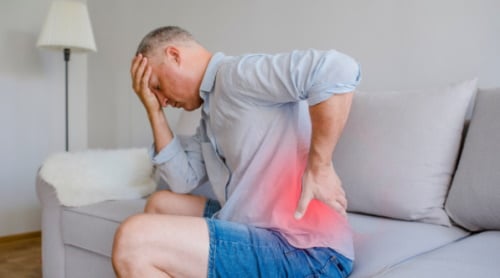
When you spend your days lifting and bending, it is not surprising that back pain is one of the most common injuries among construction workers. It does not matter how strong you are; if you do motions or activities every day that put a strain on your back, at some point, you will get injured. Back pain can be a sign of something more serious, such as disk herniation or arthritis, so make sure to see your doctor if you experience any of the symptoms below.
In most cases, however, back pain results from overexertion, bad posture or inappropriate clothing. If you spend long hours working in construction and experience back pain from time to time, then take a look at these tips for dealing with it and what to do in the event that you are injured.
Do Not Ignore The Pain
Pain is your body’s way of telling you something is wrong. You should never ignore the pain, especially if it is coming from your back. Ignoring the pain in your back can lead to serious issues and complications, such as herniated disks. If your back pain is sudden and severe, see a doctor immediately. If it has been going on for a while, try to figure out what is causing it. Is the work you do what is causing you pain, or are you just sitting in an awkward position all day? You should also see a doctor if you have back pain combined with any of the following:
- Numbness In Your Legs Or Arms: This can be a sign of nerve damage, which can be permanent if left untreated.
- Changes In Bowel Or Bladder Functions can also be signs of serious issues that a doctor must treat.
Take Time To Stretch
Stretching can help relieve back pain and also prevent it from coming back. Creating a stretching routine is important, and making it a part of your daily life. There are a few simple positions that can help relieve back pain. A seated forward fold stretches your back and hamstrings, a chest stretch can relieve tension in your upper back, and a shoulder stretch can help loosen the muscles in your upper back. If you work in construction, you might not have time to stretch at work. But try to find 15 minutes every day to do a few simple stretches, like the ones mentioned above. This can help prevent back pain and maintain your overall health.
Choose The Right Equipment
When you are lifting and moving heavy objects, be careful to use the right equipment for your job. Always try to use a lifting belt, wear knee pads or shoe covers and make sure your gloves fit you properly. This will help avoid injuries and keep you safe on the job. What kind of equipment do you use to lift or move objects? Is it safe? Can it break or bend? Make sure you know how to use all the gear properly and that it is in good condition and fits you properly. If something looks like it is about to give out or break, do not risk your safety and health by using it. Find someone who can repair the equipment or replace it.
Build Strong Muscles
You should be strengthening your core and lower back muscles, particularly if you work in construction. If you do not do this regularly, your lower back and core will be weak, which can put you at risk for injury. You could also benefit from stretching the muscles in your back and shoulders. If you want to ensure you are doing each of these exercises properly and safely, consider hiring a personal trainer. This can help you create a back-strength building routine that targets your specific problem areas. Stronger muscles will also help prevent injuries.
Move Often And Be Aware Of Your Body
If you work long, tiring hours every day, you should try to move as much as you can. You do not need to rush to the gym every day or exhaust yourself, but you should try to move around a bit during your breaks. You should sit up straight or, even better, sit on an exercise ball. Sitting on an exercise ball can help you maintain a healthy posture. Keep your feet on the ground and your shoulders back, and try to avoid hunching. When you work, try your best to stay aware of your body. If you feel any tightness, pain, or discomfort, try to figure out what is causing it and change your activity or position. If you feel a lot of pain during any specific activity, try to avoid it or find a different way to do it. Take a short break, and if there is still pain, apply First Aid techniques that can help relieve the pain. If you are experiencing numbness in your limbs or struggling with bladder control, then you need to apply First Aid and see a doctor immediately. First Aid training can help keep your back pain under control long enough to get professional medical assistance.
Plan Your Days And Tasks
If you work long hours, you will likely spend your days lifting and bending quite a bit. It is important to take care of your body and be aware of how much you are exerting yourself. Do not wait until you feel pain in your back before you change your position. Try to stay ahead of the pain by being aware of how much you are bending and lifting. If you work with a team, let them know how much you can lift. Let your boss or co-workers know if you are feeling too tired to work, or if you have been doing the same motions for a long time and need a break.
Do Not Overexert Yourself
Construction workers are often hurrying to finish their tasks and meet deadlines. This can lead to overexertion, which can cause injuries. Make sure you pace yourself and finish your tasks, but do not push yourself too hard. This can be extremely dangerous and lead to serious issues, such as herniated disks. If you feel you are pushing yourself too hard, try to take a break. Pushing yourself too hard will just lead to mistakes and injuries.
Wear The Right Shoes And Clothing
Your clothing and footwear can significantly impact your overall health and safety. Keep in mind that wearing big, heavy boots all day can be exhausting and can sometimes lead to injuries. Do not wear unnecessarily heavy boots, or you will end up with tired and achy feet. You should wear boots that fit you properly, are lightweight, and protect your feet. Steel-tipped work boots are normally only necessary for industrial and construction sites. Always wear clothing that is appropriate for your work. Avoid wearing clothing that is too loose or heavy. Make sure that all your clothing is appropriate for the season and the weather. If you work outdoors, wear layers.
Keep A Healthy Weight
Keeping a healthy weight can significantly reduce your risk of getting injured on the job. Being overweight will put extra strain on your back and knees, which can lead to injuries. If you are overweight and you work in construction, it is extremely important that you take good care of your body. There are a few ways you can do this:
- Make sure your shoes fit you properly and have good soles and support
- Stay hydrated and eat healthy foods
- Try to walk as much as possible
- Do not overwork yourself
- Rest when you are tired
- Avoid wearing overly heavy clothing and boots
- Stay active, even if you are recovering from an injury
Pain Relief Patches
Using a pain relief patch can provide immediate pain relief by reducing the electrical signals that cause pain, leading to immediate relief. It is an effective pain relief remedy that provides pain relief without causing any side effects.
Do Not Forget To Breathe
Construction work is demanding, and back pain can be crippling – but don’t let the pain be a reason not to breathe properly. Deep breaths are a simple but effective method of reducing stress and anxiety. Breathing exercises can help lower your blood pressure and make you feel more relaxed. They can also help improve your sleep, which is important because your body needs rest to recover. If you are experiencing back pain, try doing some breathing exercises every day to reduce stress and help relieve your pain.
Back Pain – The Bottom Line
Construction work can be demanding and challenging, but taking care of your body and minimising your risk of injury is important. Make sure you do not ignore the pain when you experience it and try to figure out what is causing it. Use the tips and advice above to help deal with back pain, and prevent injury. Keep in mind that construction is a job for all shapes and sizes, regardless of your fitness level or background. With the right attitude and determination, you can control and manage your back pain so that it will not interfere with your day-to-day life and help prevent any serious injuries.