



Beta-blockers are medicines that work by slowing your heart rate and lowering your blood pressure. These medicines, sometimes called beta-adrenergic blocking agents, are commonly prescribed in Australia to treat heart problems such as angina, heart failure, and irregular heartbeat, but they can also be used to treat migraines, glaucoma, and even anxiety.
Looking to complete a certified Medication Administration course? Enrol in nationally recognised training with First Aid Pro today.
Key Takeaways
- Beta-blockers are medicines that block the effects of adrenaline, slowing down your heart rate and lowering blood pressure.
- Commonly used to treat heart conditions, but also prescribed for migraine, glaucoma, tremor, and anxiety.
- Side effects may include fatigue, cold extremities, and dizziness, with more serious risks like bradycardia or asthma attacks.
- Beta-blockers interact with many other medicines — always consult your doctor or pharmacist.
- Never stop taking your beta blocker suddenly; medical supervision is essential.
Do you need to complete certified training in Medication Administration? Enrol with First Aid Pro now.
What Are Beta Blockers?
Beta-blockers, also written as beta-blockers, are a class of medicine used to treat a wide range of heart and blood vessel conditions. They work by blocking the effects of stress hormones like adrenaline on beta receptors throughout your body. This action slows down your heartbeat, lowers blood pressure, and reduces strain on the heart and circulatory system.
Beta-blockers are more than just medicines that “slow the heart.” They represent one of the most widely prescribed groups of cardiovascular medicines worldwide. In Australia, they are frequently used alongside other treatments to improve long-term outcomes for patients. For those with angina or heart failure, beta blockers can mean fewer symptoms, less risk of hospitalisation, and a better quality of life.
How Do Beta-Blockers Work?
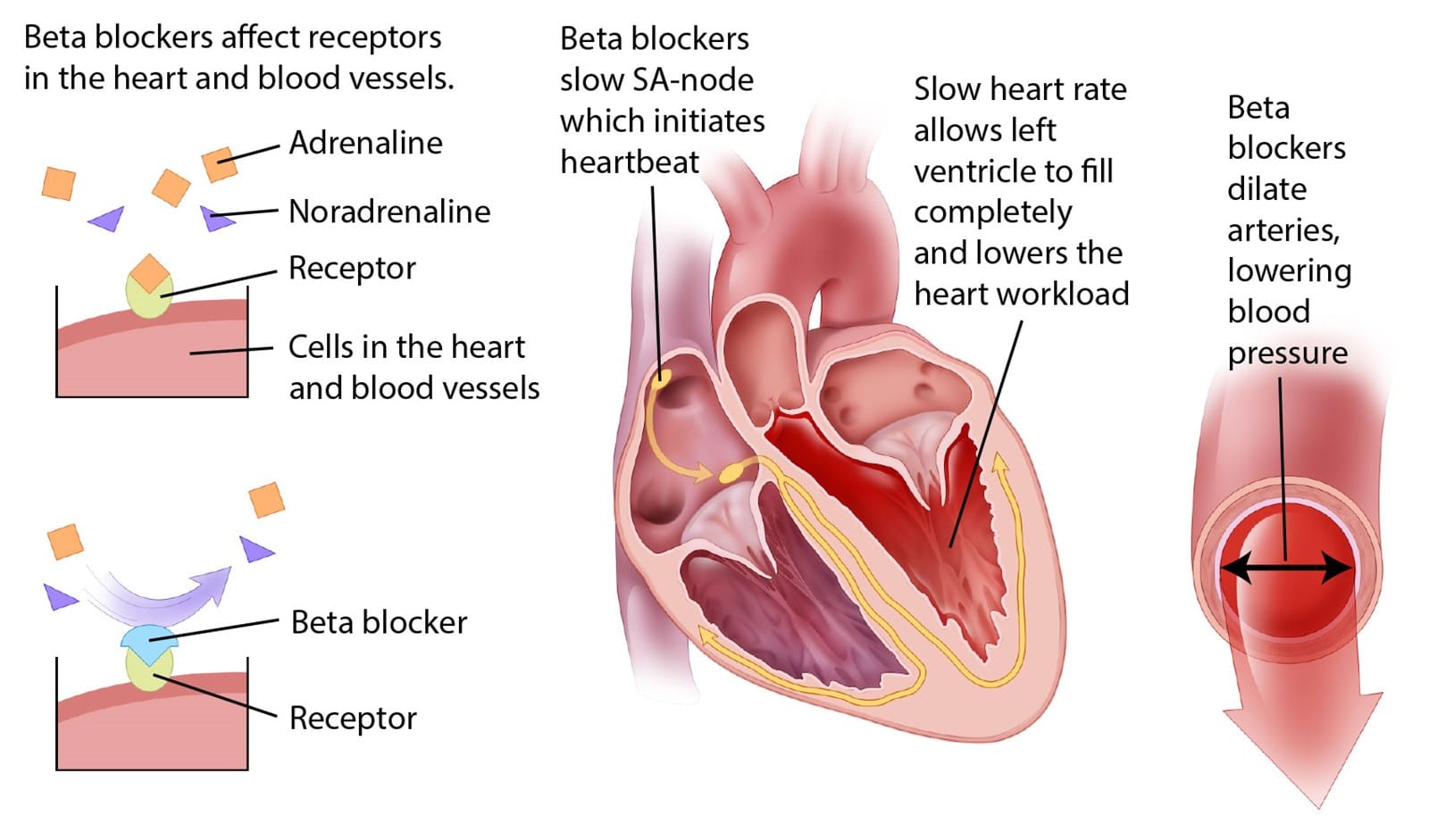
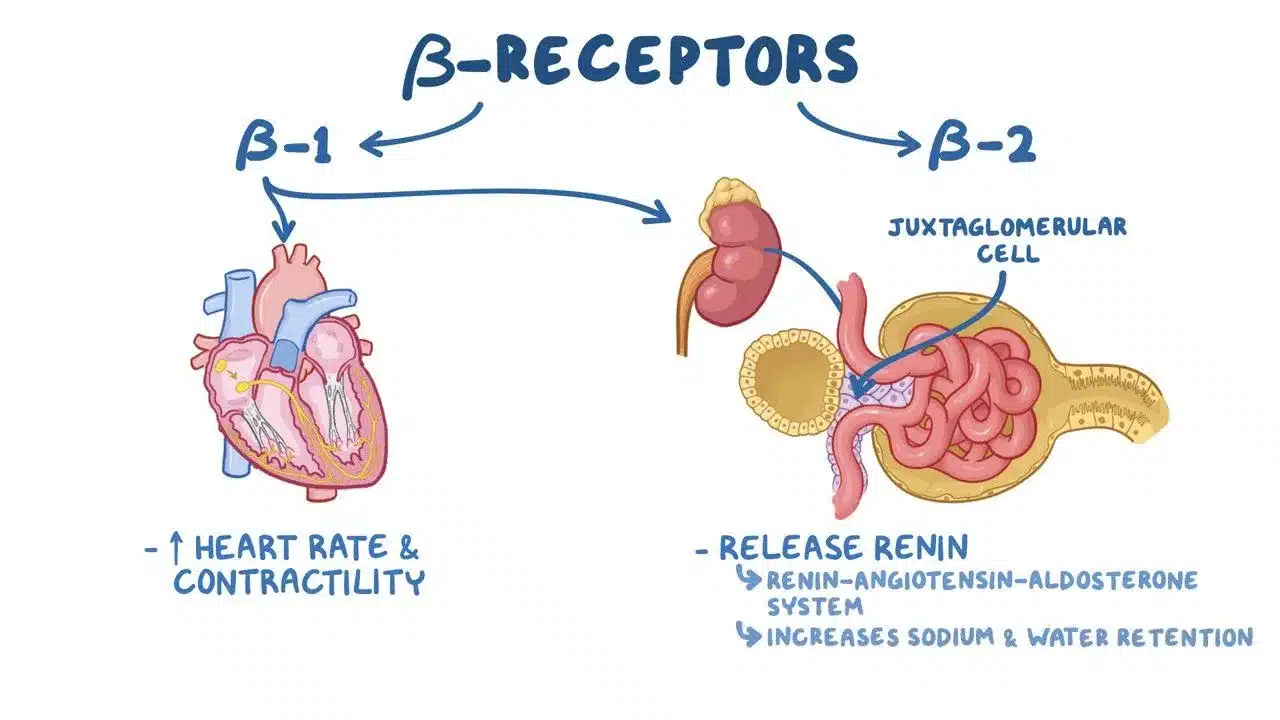
Beta-blockers work by blocking the action of adrenaline and noradrenaline on beta receptors. These receptors are found in the heart, lungs, and blood vessels.
- Selective beta-blockers (target mainly the heart’s beta-1 receptors).
- Non-selective beta blockers (block both beta-1 and beta-2 receptors, affecting heart and lungs).
- Effect on the body:
- Slow down your heart rate.
- Reduce the force of each heartbeat.
- Lower your blood pressure.
- Help prevent irregular heart rhythms.
The science behind beta-blockers lies in their ability to blunt the “fight or flight” response. Normally, adrenaline speeds up the heart and tightens blood vessels. While useful in short bursts, this can be harmful for people with heart conditions. By blocking stress hormones, beta blockers protect the heart, allowing it to pump more effectively while reducing strain and risk.
Types of Beta-Blockers
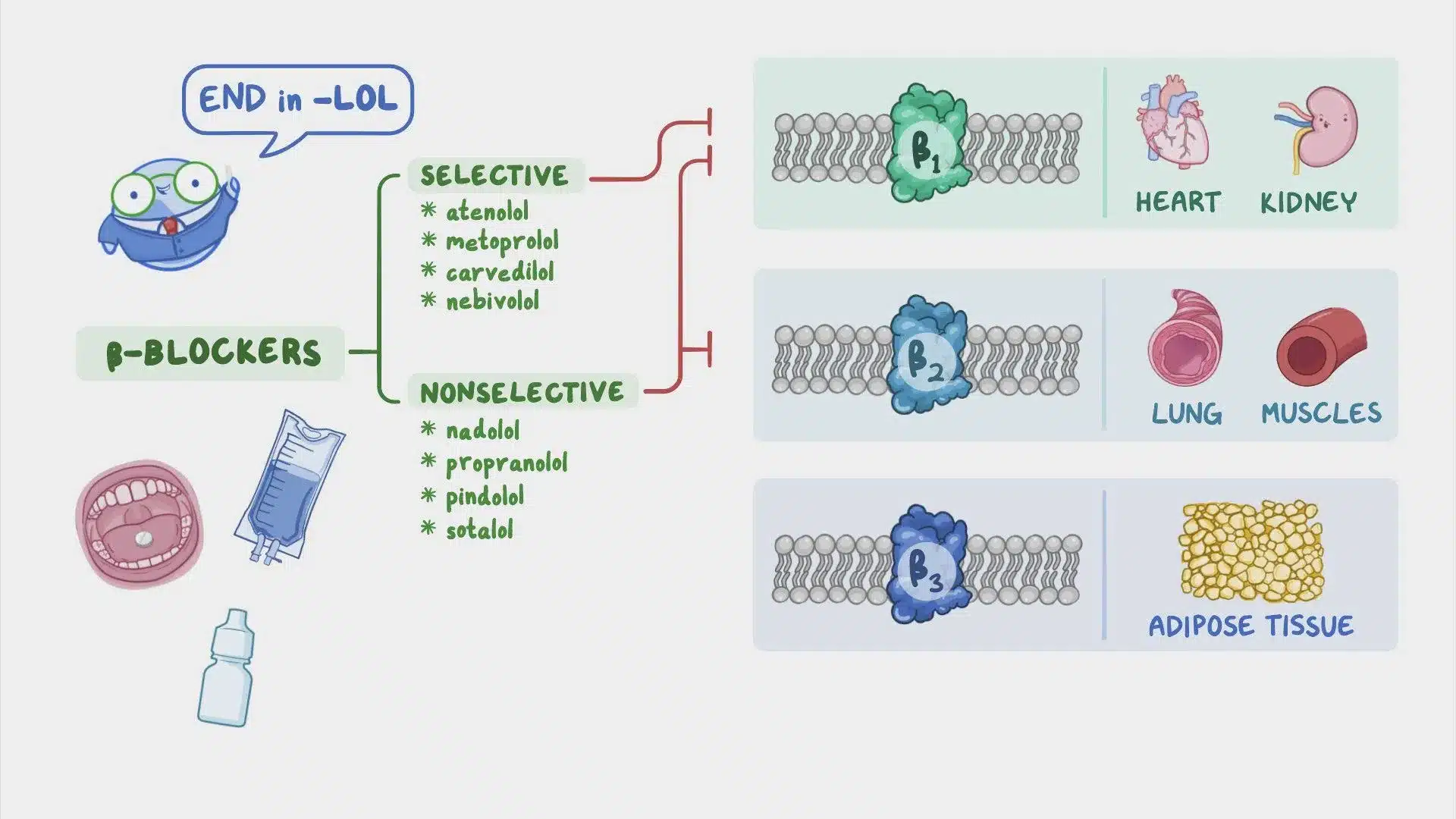
Doctors may prescribe different types of beta blockers depending on your heart and blood vessel needs.
Type of Beta Blocker | How It Works | Examples (Generic / AU Brand) |
Cardioselective (β1 selective) | Target the heart, lowering blood pressure and heart rate with fewer lung effects | Metoprolol (Betaloc, Lopresor), Bisoprolol (Bicor), Atenolol (Tenormin) |
Non-selective | Affect both heart and lungs; used with caution in asthma or COPD | Propranolol (Inderal), Nadolol, Sotalol (Sotacor) |
With Intrinsic Sympathomimetic Activity (ISA) | Partially activate beta receptors while blocking stronger effects | Pindolol |
Specialty use | Target specific conditions like glaucoma or arrhythmia | Timolol (eye drops), Labetalol (Trandate) |
Not all beta-blockers are the same, and choosing the right one depends on the person’s condition. For example, cardioselective medicines may be safer for people with mild lung conditions, while non-selective ones can be useful for migraine or tremor. This highlights that beta blockers are not “one-size-fits-all” but are carefully matched to each patient.
How Beta Blockers Work in the Body
Flat vector · pastel · brand coloursAdrenaline (Stress Signal)
Adrenaline and noradrenaline increase heart rate and tighten blood vessels when they bind to beta receptors.
Beta Receptors (Heart & Vessels)
These receptors sit on cells in the heart and arterial walls, ready to respond to stress signals.
Beta-Blocker Blocks the Signal
A beta-blocker occupies the receptor and blocks the effects of adrenaline, preventing the over-stimulation of the heart and vessels.
Results of Beta-Blockade
- Slower heart rate — heart doesn’t need to work as hard.
- Lower blood pressure — arteries relax and resistance falls.
- Reduced strain on the heart — better oxygen balance and symptom control.
What Are Beta-Blockers Used to Treat?
Beta-blockers are primarily used to treat heart and circulatory conditions but are also prescribed for several non-cardiac conditions.
Beta Blockers – What They’re Used For
Main & other usesMain Medical Uses
-
High blood pressure (hypertension) — used to lower blood pressure, often as an additional treatment when other medicines haven’t worked.
-
Angina (chest pain) — reduces heart workload and oxygen demand, relieving pain caused by restricted blood flow.
-
Heart failure — helps the heart pump more effectively and reduces symptoms.
-
Arrhythmias (irregular heartbeat) — controls rapid or abnormal rhythms, such as atrial fibrillation and tachycardia.
-
Post-heart attack (myocardial infarction) — lowers the risk of further heart attacks and supports healing.
Other Conditions Treated
-
Migraine prevention — reduces the frequency and severity of migraine headaches.
-
Glaucoma — as eye drops (e.g., timolol), lowers pressure inside the eye.
-
Anxiety — helps reduce physical symptoms driven by stress hormones, especially performance anxiety.
-
Tremor — used for essential tremor and tremor linked to other conditions.
-
Overactive thyroid (hyperthyroidism) — manages symptoms such as rapid heartbeat and trembling.
-
Certain rare conditions — including hypertrophic cardiomyopathy, aortic dissection, long QT syndrome, and portal hypertension.
The strength of beta-blockers lies in their versatility. In heart disease, they can reduce the risk of recurrent heart attacks, ease angina, and improve survival rates in certain types of heart failure. Outside the heart, they calm the tremors of anxiety, reduce eye pressure in glaucoma, and even help prevent migraines. This breadth of use reflects how beta receptors affect many parts of the body.
Do you work with clients, patients or family members who need help with taking their medication? Join a First Aid Pro Medication Administration training course today.
Beta Blockers List (Names and Brands in Australia)
Generic Name | Common AU Brands | Common Uses |
Metoprolol | Betaloc, Lopresor | Hypertension, angina, arrhythmia |
Bisoprolol | Bicor | Heart failure, high blood pressure |
Propranolol | Inderal | Anxiety, migraine, tremor |
Atenolol | Tenormin | Hypertension, angina |
Labetalol | Trandate | High blood pressure (including pregnancy) |
Sotalol | Sotacor | Irregular heart rhythms |
Timolol | Various eye-drop brands | Glaucoma |
Side Effects of Beta-Blockers
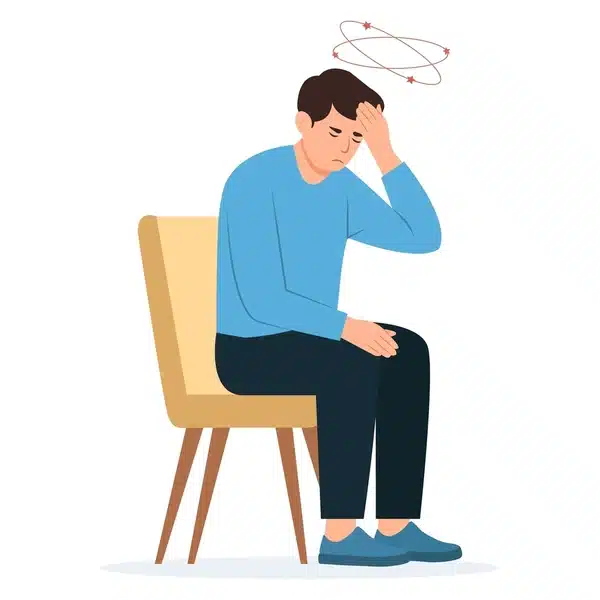
Beta-blockers commonly cause fatigue, dizziness, and cold hands or feet; most side effects are mild and may improve over time, but some can be significant and require medical attention.
Beta Blockers – Side Effects & Warnings
Lighter green accentsCommon Side Effects
-
Tiredness or fatigue.
-
Dizziness or light-headedness.
-
Cold hands or feet due to reduced blood flow.
-
Sleep disturbances, including insomnia or vivid dreams.
-
Weight gain (more common with older beta blockers).
-
Nausea, diarrhoea, or constipation.
-
Sexual dysfunction (erectile dysfunction or decreased libido).
-
Headache.
Less Common or Serious Side Effects
-
Shortness of breath, wheezing, or chest tightening — especially in people with asthma or lung disease.
-
Swelling of ankles or legs (oedema).
-
Irregular heartbeat or heart block (rare but serious; more likely with high doses).
-
Depression.
-
Dry mouth, skin, or eyes.
-
Masking of low blood sugar symptoms in people with diabetes (may hide warning signs such as rapid heartbeat).
-
Increased triglycerides and lower HDL (“good”) cholesterol.
Warnings
Do not stop beta blockers abruptly, as this can increase the risk of dangerous heart problems.
If you experience difficulty breathing, a very slow or irregular heartbeat, or significant swelling, seek medical attention immediately.
Although usually well tolerated, beta- blockers can affect different people in different ways. Fatigue and cold extremities are the most commonly reported issues, reflecting the drug’s action on circulation. More rarely, they can trigger serious problems such as asthma attacks or dangerously low heart rates. For people with diabetes, the fact that beta blockers can mask warning signs of low blood sugar is an important safety concern.
Important: Never stop taking your beta blocker suddenly. Doing so can cause your heart rate and blood pressure to rebound, increasing the risk of angina or a heart attack. Always follow your doctor’s advice.
Interactions and Safety
Beta-blockers can interact with other medicines. Always tell your doctor and pharmacist what you are taking.
- Other heart medicines (verapamil, diltiazem, amiodarone).
- Diabetes medicines (beta blockers may mask low blood sugar).
- Anti-inflammatory drugs (NSAIDs) (can reduce effectiveness).
- Alcohol (can worsen low blood pressure).
One of the most important rules with beta-blockers is that they should never be stopped suddenly. Because the body adjusts to their effect, sudden withdrawal can lead to dangerous rebound effects. Medical supervision is always needed when starting, adjusting, or stopping these medicines.
Knowledge Test Quiz — Beta Blockers
Lighter green accentsTest your understanding of beta blockers. Select one answer for each question, then choose Check answers.
References
Frequently Asked Questions
How long do beta-blockers take to work
Most start lowering blood pressure within hours to days, but the full effect may take a few weeks.
Can I drink alcohol while taking beta-blockers?
Alcohol can increase the risk of low blood pressure and dizziness. Speak with your doctor before drinking.
Do beta-blockers cause weight gain?
Some people report mild weight gain, especially with older non-selective beta-blockers. Lifestyle factors also play a role.
Are beta-blockers safe during pregnancy?
Some may be prescribed, but they must be used with caution. Always follow medical advice.
Can beta-blockers be used for anxiety?
Yes, propranolol is often used for performance anxiety to control symptoms like rapid heartbeat and shaking.