

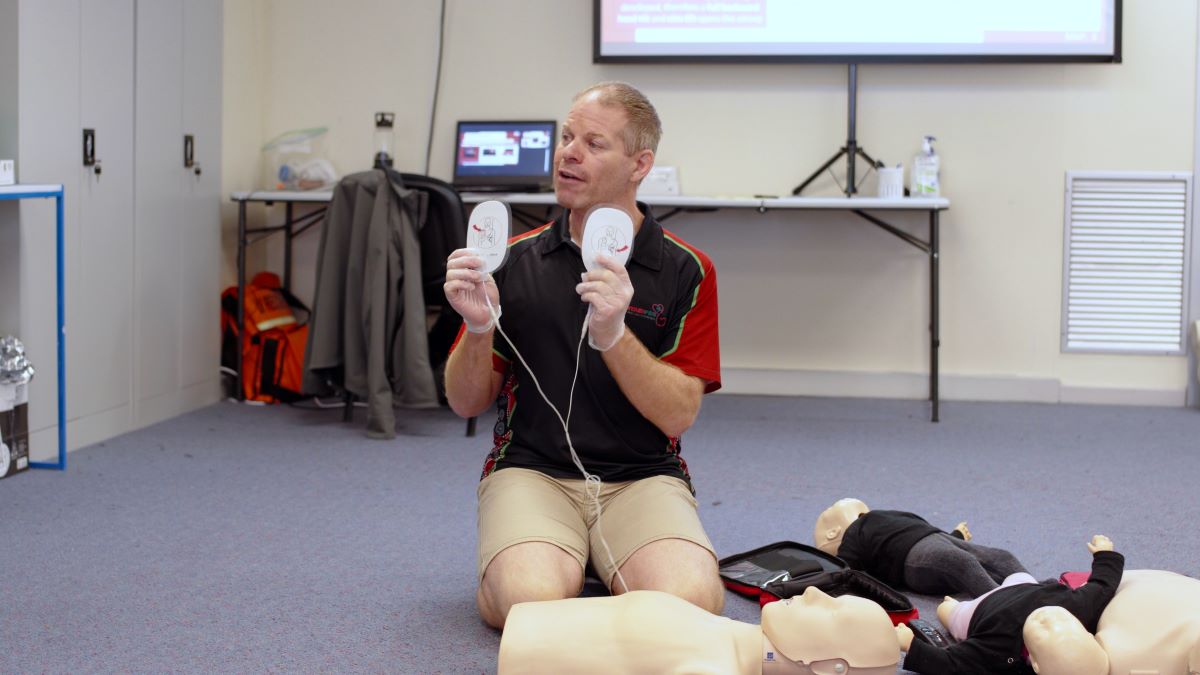

Sharon has 21+ years of experience as a qualified Emergency Care Nurse registered with the Australian Health Practitioner Regulation Agency (APHRA) and 12+ years as a First Aid Trainer.
She takes pride in FirstAidPro making first aid training available, comprehensive and affordable to everybody.
Understanding Pacemakers and Their Role
Before diving into the specifics of using a defibrillator on someone with a pacemaker, let’s take a moment to understand what a pacemaker is. Our hearts have a natural pacemaker known as the sinoatrial (SA) node, responsible for creating electrical impulses that cause our heartbeats.
However, sometimes this system doesn’t work effectively, leading to heart rhythm problems. This is where an artificial pacemaker comes in. It’s a battery-powered device that emits pulses to help the heart beat correctly, especially when the heart beats too slowly, too fast, or irregularly.
Pacemakers are typically implanted under the skin, generally on the upper left side of the chest, and can be visible as a small bulge.
Interested in learning lifesaving emergency first aid? Enrol in an accredited first aid course at First Aid Pro today!
Distinguishing Between Pacemakers and ICDs
In the realm of medical devices for heart rhythm management, pacemakers and implantable cardioverter-defibrillators (ICDs) are both pivotal but serve different functions.
While pacemakers are primarily used to maintain a regular heart rhythm by delivering electrical impulses to prompt cardiac contraction, ICDs come into play in more critical situations. They are specifically designed to address tachyarrhythmia, a condition where the heart beats abnormally fast.
ICDs actively monitor heart rhythms and, upon detecting hazardous arrhythmias (abnormal heart rhythms) , can administer one of three possible treatments to stabilise the heart’s rhythm. Understanding this distinction is crucial, especially when dealing with emergencies involving cardiac devices.
Can You Use a Defibrillator on Someone with a Pacemaker?
Now, the big question: can you use an Automated External Defibrillator (AED) on someone with a pacemaker?
Yes, according to Electrophysiologist Dr Anthony Li, it’s safe to perform CPR and use an AED on someone with a pacemaker or ICD (implantable cardioverter defibrillator). These devices are typically implanted on the upper left side of the chest, but since CPR involves compressions in the center of the chest, they usually aren’t affected.
However, if the pacemaker was recently installed, there’s a slight risk that intense compressions could shift its leads. But this risk is minor compared to the life-saving potential of performing CPR.
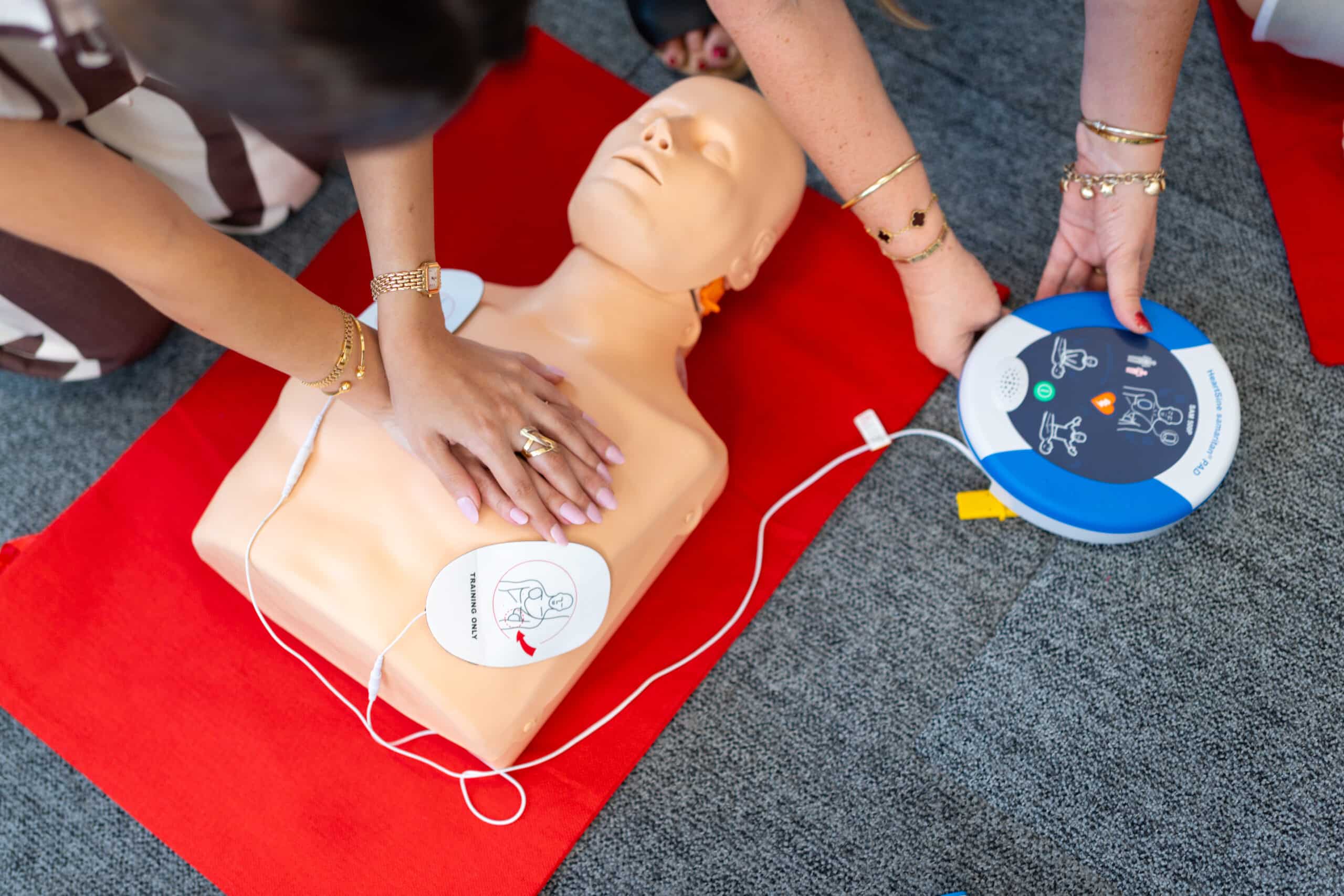
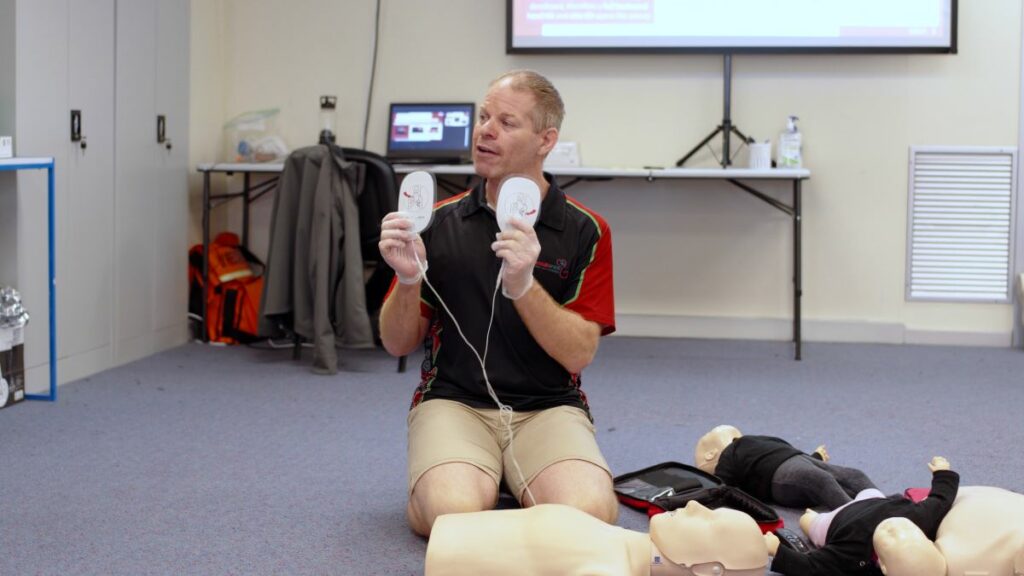
For AED use, the pads are placed on the upper right side of the chest and under the left arm, avoiding interference with the pacemaker or ICD.
Dealing with an Implantable Cardioverter-Defibrillator (ICD)
ICDs, while similar to pacemakers, have a different function. They deliver shocks to the heart if it stops beating or beats irregularly. If you encounter someone with an ICD, observe for muscle contractions that indicate the ICD is delivering shocks. Follow the AED’s guidance in these situations, and continue with CPR if instructed.
While ICDs can be lifesaving during sudden cardiac arrest, they don’t always prevent one. If the arrest is not due to a rapid, dangerous rhythm, the ICD won’t shock, and CPR should start right away. Even if the ICD shocks, CPR is crucial until the person recovers or medical help arrives. The shock from an ICD won’t harm someone performing CPR.
If there’s an AED (defibrillator), use it immediately. It won’t damage the ICD and can detect if the heart rhythm has normalised. After receiving CPR or defibrillation, have the pacemaker or ICD checked to ensure it’s still properly set.
The Procedure
- Identifying a Pacemaker: If someone collapses and is unresponsive, you may need to check quickly for a pacemaker, which can usually be seen as a small bulge under the skin on the upper chest.
- Using an AED with Caution: When using an AED on a person with a pacemaker, ensure the pads are placed at least one inch away from the pacemaker device. This placement is crucial to prevent potential damage to the pacemaker while delivering the necessary defibrillation to the patient.
- Steps for Effective Use:
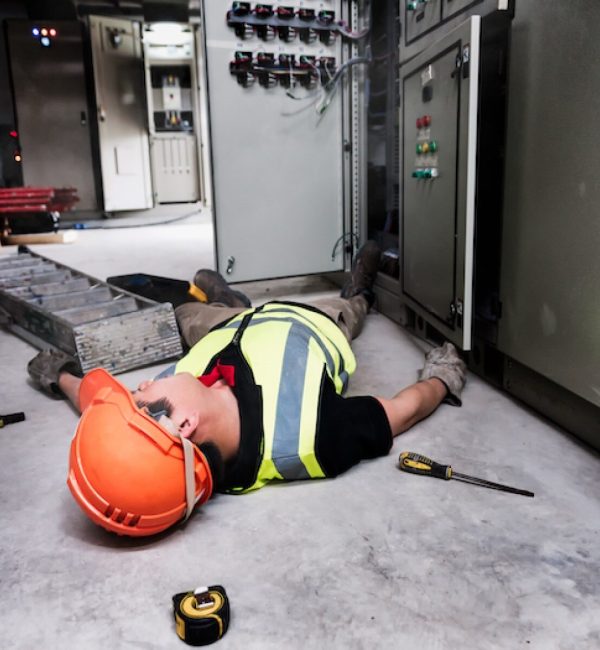
- Call for Help: Always call 000 if you suspect someone is in cardiac arrest.
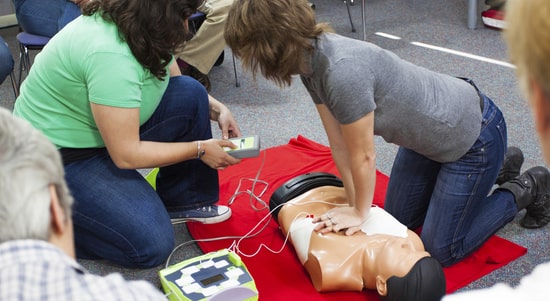
- Perform CPR: Start CPR immediately, focusing on chest compressions in the center of the chest, away from where the pacemaker is implanted.
- AED Arrival and Use: Once the AED arrives, follow its instructions carefully. Turn it on and apply the pads as directed, ensuring they do not touch the pacemaker. The AED will guide you through the process, including delivering a shock if necessary.
Get Trained to Use An AED
Enhance Your First Aid Skills with HLTAID011
Enroll in the HLTAID011 Provide First Aid course, a key workplace first aid training across Australia. This course equips you with practical skills for common emergencies, aligning with guidelines from Australian Resuscitation Council and other national bodies. You’ll learn to use defibrillators (AED) and manage asthma emergencies. Join First Aid Pro’s course today for comprehensive first aid proficiency.
Addressing A Common Concern
Safety on Metal Surfaces
Concerned about using a defibrillator on a metal surface? Don’t be. The electric shock from the defibrillator aims to travel between its two pads, not through the ground, making it safe even in unique environments like airplanes.
Conclusion
Using a defibrillator on someone with a pacemaker is indeed possible and can be life-saving. The key is to be aware of the pacemaker’s location and to follow the AED’s instructions carefully. Remember, in emergencies involving cardiac arrest, quick and correct response is vital. Whether you’re a trained professional or a bystander, your actions can make a crucial difference.
Need to learn CPR? Enrol in a nationally recognised course at First Aid Pro now.
Frequently Asked Questions
Can I use an AED on someone with a pacemaker?
Yes, you can use an Automated External Defibrillator (AED) on someone with a pacemaker. Ensure that the AED pads are placed at least one inch away from the pacemaker to avoid potential damage.
How do I identify if someone has a pacemaker?
A pacemaker is usually visible as a small bulge under the skin on the upper chest, often on the left side. Check for this if someone collapses and is unresponsive.
Is it safe to perform CPR on a pacemaker patient?
Yes. When performing CPR, focus the chest compressions in the center of the chest, away from the pacemaker’s location.
What should I do if the person has an Implantable Cardioverter-Defibrillator (ICD)?
If you notice muscle contractions, it might indicate the ICD is delivering shocks. Continue with CPR and follow the AED’s instructions, which will guide you on the appropriate steps to take.
Can using a defibrillator on a metal surface cause any issues?
No, using a defibrillator on a metal surface is safe. The shock from the defibrillator is designed to travel between its two pads and will not be affected by the surface.
What’s the difference between a pacemaker and an ICD?
While both are used for managing heart rhythms, pacemakers help maintain a regular rhythm by prompting cardiac contractions. ICDs, on the other hand, are used in more critical situations to treat fast, abnormal heartbeats by delivering shocks when necessary.
Should a pacemaker or ICD be checked after CPR or defibrillation?
Yes, after an incident involving CPR or defibrillation, it’s recommended to have the pacemaker or ICD checked by a medical professional to ensure it’s still functioning correctly and set properly.