


Cardiac arrest is a medical emergency where the heart suddenly stops beating, cutting off blood flow to the brain and vital organs. Without immediate intervention—such as CPR and the use of an AED—this life-threatening condition can lead to death within minutes.
In this article, we’ll walk you through the essential steps to recognise and respond to sudden cardiac arrest. You’ll learn how to perform CPR correctly, when and how to use an automated external defibrillator (AED), and why every second counts in improving survival rates. We’ll also cover key signs and symptoms to look out for, how to find an AED in public settings across Australia, and the importance of enrolling in certified first aid training. Whether you’re a concerned parent, colleague, teacher, or passer-by, this guide will equip you with the knowledge and confidence to act quickly and save a life.
Be prepared to save a life. Enrol in a nationally recognised first aid course with First Aid Pro today and gain essential CPR and AED skills.
Key Takeaways
- Cardiac arrest is a critical emergency where every second counts.
- Call Triple Zero (000), start CPR, and use an AED immediately.
- Follow the Chain of Survival to improve outcomes.
- First aid training gives you the skills to respond confidently.
- AEDs are safe, effective, and simple—don’t be afraid to use one.
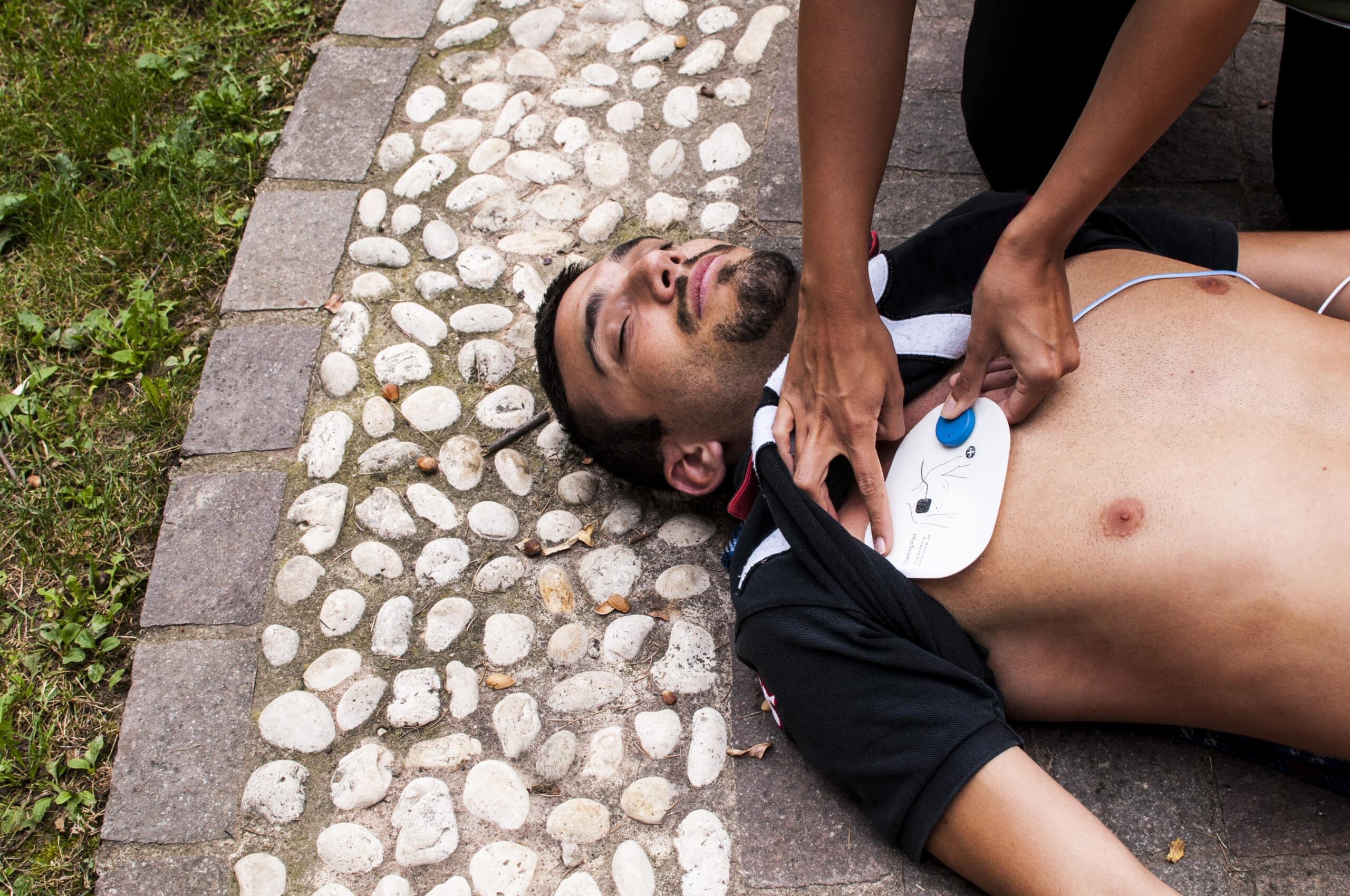
What Is Cardiac Arrest and Why Is It a Medical Emergency?
Cardiac arrest is a sudden and unexpected cessation of the heart’s pumping action, meaning the heart either stops beating entirely or beats so ineffectively that it cannot circulate blood to the brain and other vital organs. This results in an immediate loss of consciousness and abnormal or absent breathing.
The condition is typically caused by a disruption in the heart’s electrical system—most often due to irregular heart rhythms (arrhythmias) such as ventricular fibrillation or ventricular tachycardia. Unlike a heart attack, which is caused by blocked blood flow to the heart muscle, cardiac arrest is triggered by electrical problems and has an instantaneous effect on heart function.
Cardiac arrest is considered a medical emergency for several critical reasons:
- Loss of blood flow: When the heart stops, blood no longer circulates, causing brain cells to begin dying within minutes due to a lack of oxygen.
- Rapid, fatal consequences: Without immediate treatment—specifically CPR and defibrillation—the person is likely to die within a few minutes.
- Chance of survival drops every minute: Prompt intervention can double or triple survival rates, but each minute without treatment significantly reduces the odds of recovery.
Symptoms of cardiac arrest include sudden collapse, loss of consciousness, no pulse, and not breathing normally or at all. Sometimes, warning signs such as chest pain, shortness of breath, dizziness, or heart palpitations may occur just prior to collapse, but arrest often happens with no warning.
Cardiac Arrest vs Heart Attack – Know the Difference
| Condition | Cause | Symptoms | Action |
| Heart Attack | Blocked blood flow to the heart muscle | Chest pain, sweating, conscious | Seek medical help immediately |
| Cardiac Arrest | Electrical malfunction – heart stops | Sudden collapse, no breathing, unresponsive | Start CPR, use an AED |
Causes of Sudden Cardiac Arrest
- Coronary artery disease
- Electrical abnormalities
- Drug overdose
- Trauma
- Unknown causes (even in young adults)
Risk Factors and Warning Signs
- Previous heart conditions
- Smoking, obesity, high cholesterol
- Family history
- Fainting, chest pain, palpitations
Cardiac arrest can happen to anyone—even healthy individuals—at any time.
Immediate action is essential: call emergency services, start CPR, and use a defibrillator if available. Cardiac arrest is almost always fatal without rapid response, underlining why it is one of the most urgent medical emergencies.

Signs and Symptoms of Cardiac Arrest You Shouldn’t Ignore
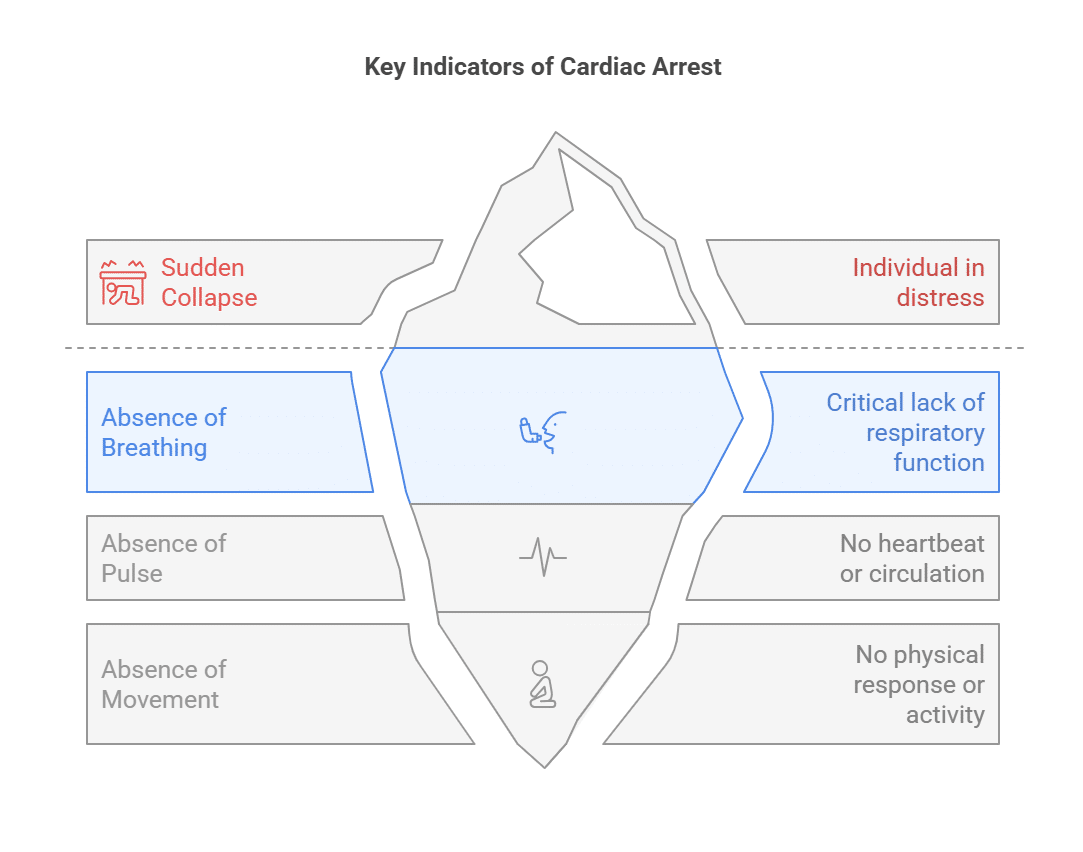
Misconceptions:
People may confuse gasping (agonal breathing) with normal breathing. If unsure, start CPR immediately.
Step-by-Step Guide: What to Do If Someone Has a Cardiac Arrest
CHECK RESPONSIVENESS AND SAFETY
- Ensure the area is safe for you and the victim
- Tap their shoulder and shout, "Are you okay?" Check for a response
CALL FOR HELP
- Shout for help. If others are present, assign someone to call emergency services (000 in Australia) and another to fetch an AED
- If you are alone, call emergency services on speakerphone so your hands are free
ASSESS BREATHING
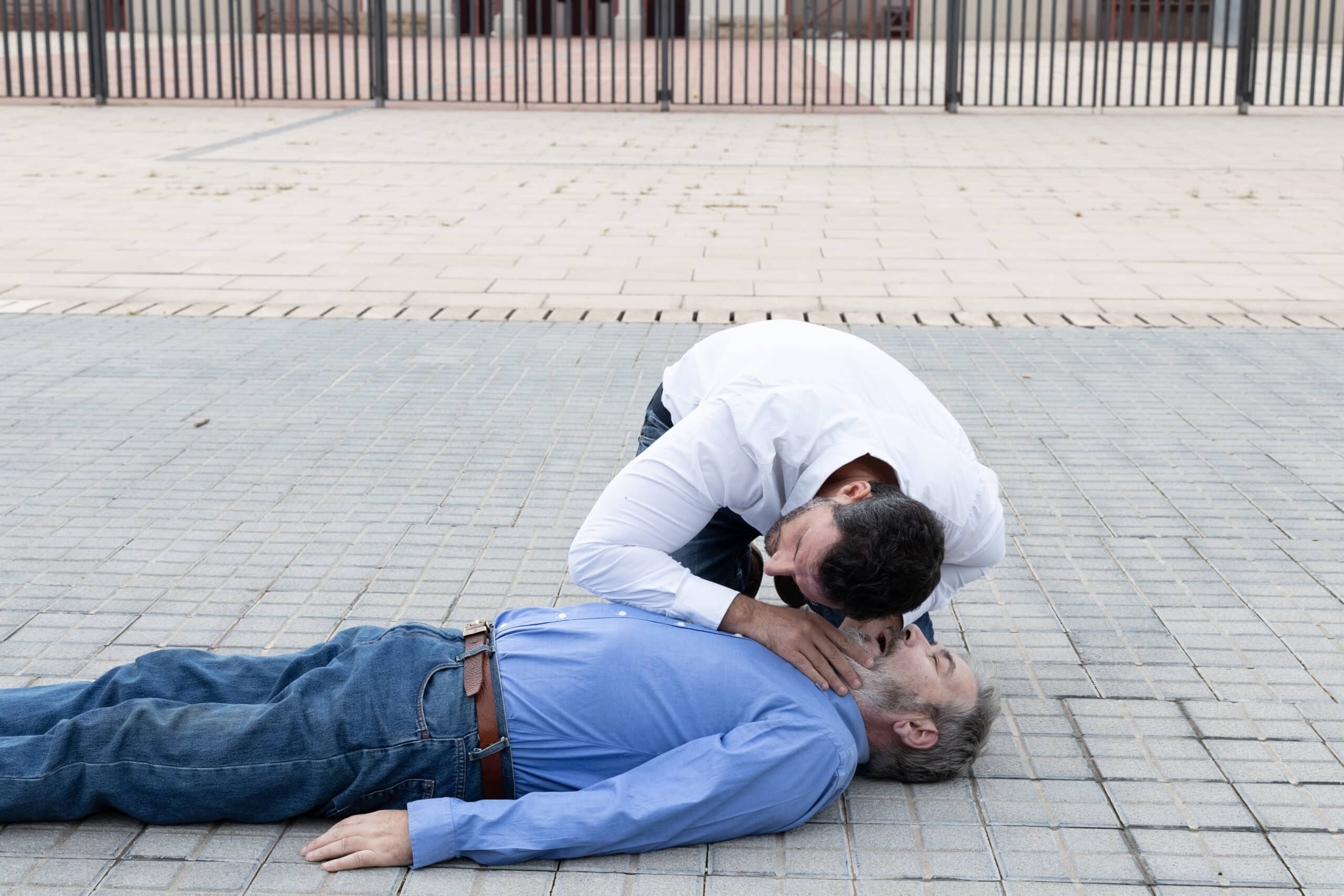
- Tilt their head back slightly and check for normal breathing—look, listen, and feel for no more than 10 seconds
- If the person is not breathing or only gasping, continue to the next step
START CPR (CARDIOPULMONARY RESUSCITATION)
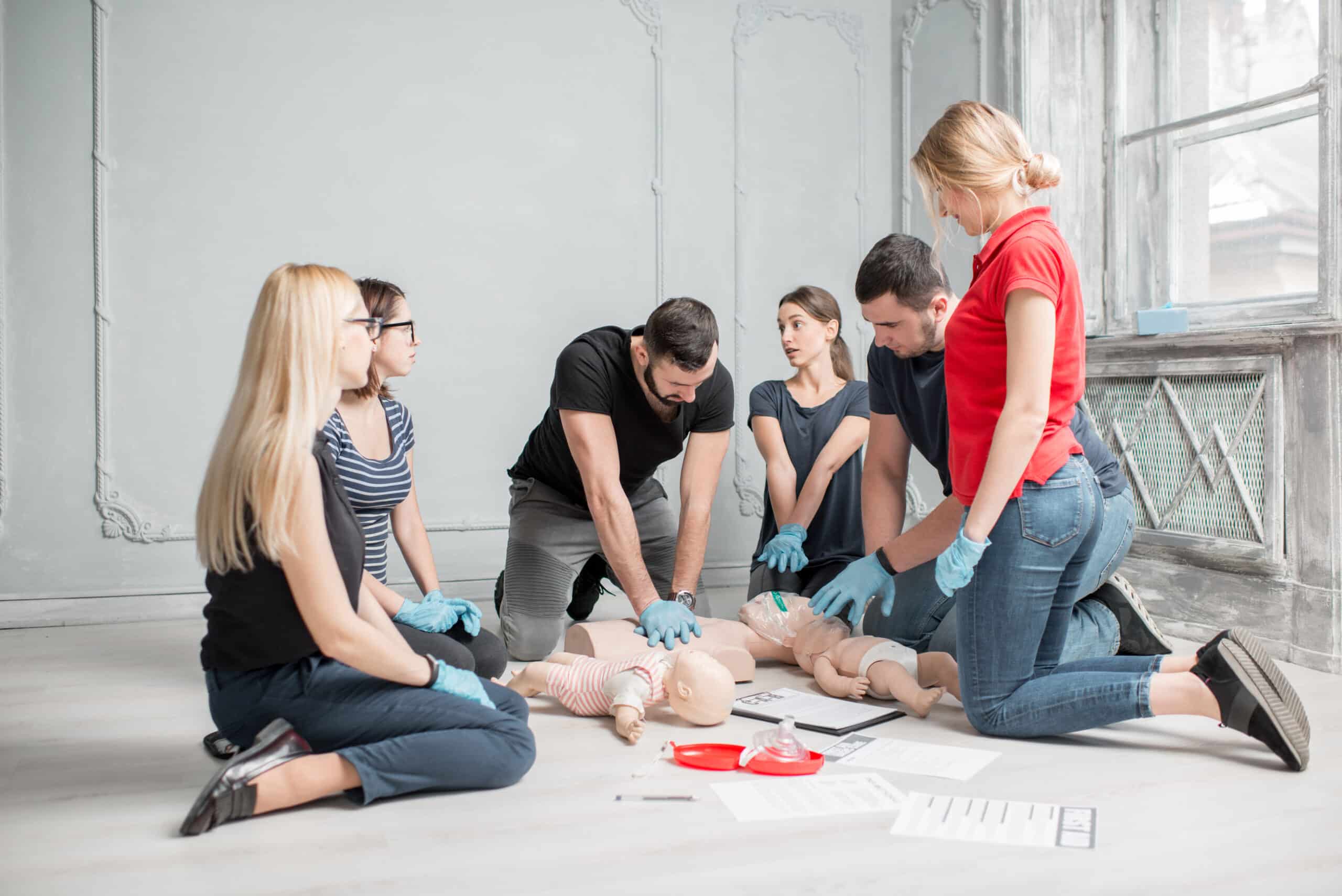
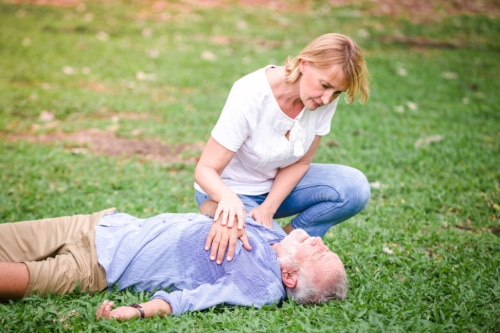
- Chest compressions: Place the heel of one hand over the centre of the chest, with your other hand on top. Push hard and fast (100–120 compressions per minute), at least 5cm or 2 inches deep for adults
- Allow the chest to fully recoil after each compression
- If trained, after every 30 compressions, give 2 rescue breaths: tilt the head back, pinch the nose, give a breath watching for chest rise
- If untrained or unsure, perform compressions only—any attempt is better than none
USE AN AED (DEFIBRILLATOR) IF AVAILABLE
- As soon as the AED arrives, turn it on and follow its voice prompts
- Expose the chest, dry if wet, and apply the pads to the bare chest as shown on the AED diagrams
- Allow the AED to analyse the heart rhythm; do not touch the person during analysis
- If a shock is advised, ensure no one is touching the person and press the shock button when prompted
- Immediately resume CPR after each shock or as instructed by the AED
CONTINUE UNTIL EMERGENCY SERVICES ARRIVE
- Keep doing CPR and apply shocks as prompted by the AED until the person shows signs of life, professional help takes over, or you are too exhausted to continue
- If the person revives, place them in the recovery position while waiting for help
IMPORTANT REMINDERS
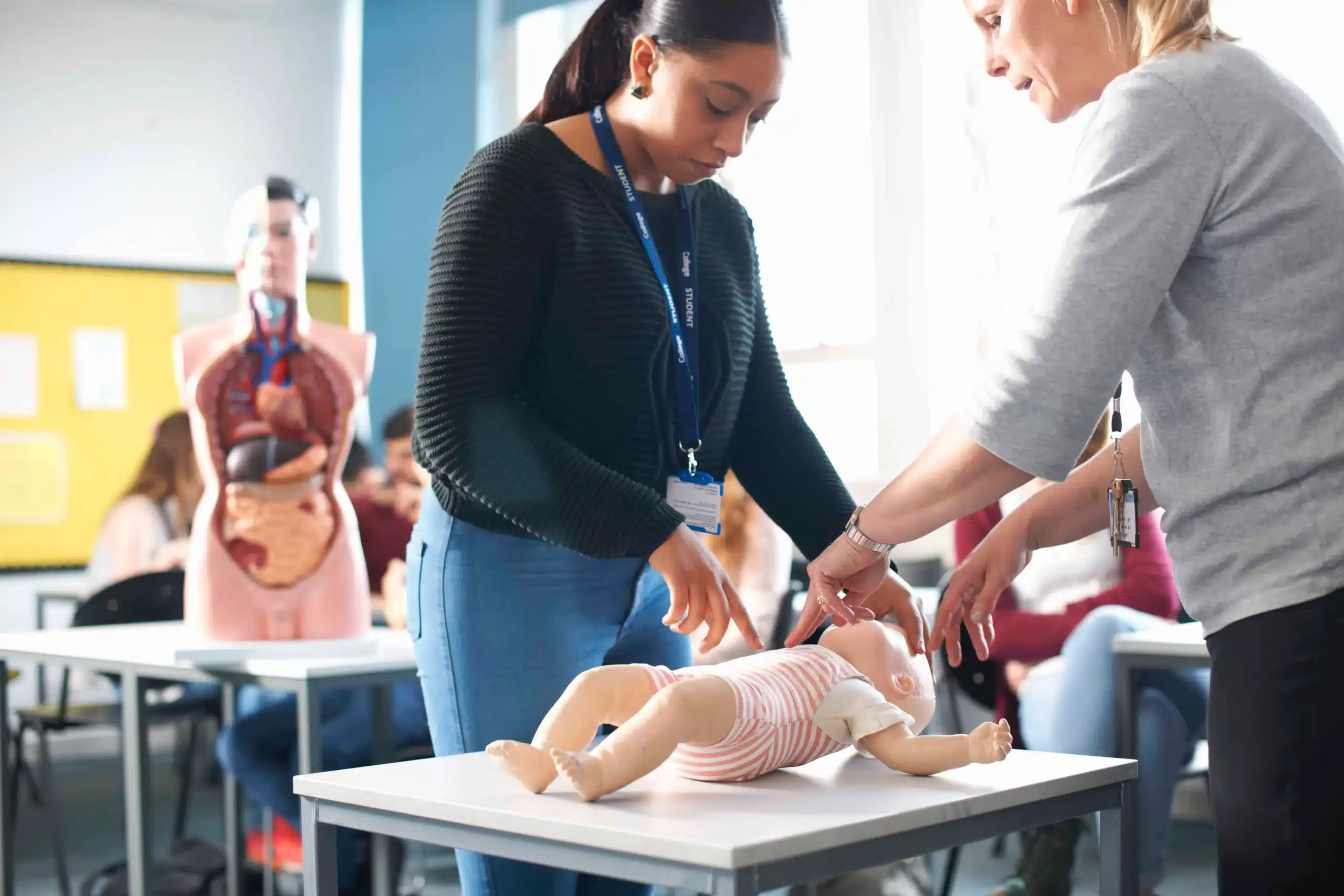
Child and Infant CPR Adjustments
- Use one hand for a child; two fingers for an infant.
For infants and children, the correct compression depth during CPR remains at about one-third the depth of the chest.
Infants (under 1 year old): Compress the chest by approximately one-third of its depth, which is about 4cm.
Children (1 year to puberty): Compress the chest by approximately one-third of its depth, which is about 5cm.
This guideline ensures effective blood flow without causing unnecessary injury. Compression depths in centimetres are presented as an approximate guide, but the one-third chest depth rule should always be followed due to the variation in chest sizes among children and infants
- Still maintain 30:2 compression-to-breath ratio.
Using an AED – Automated External Defibrillator Instructions
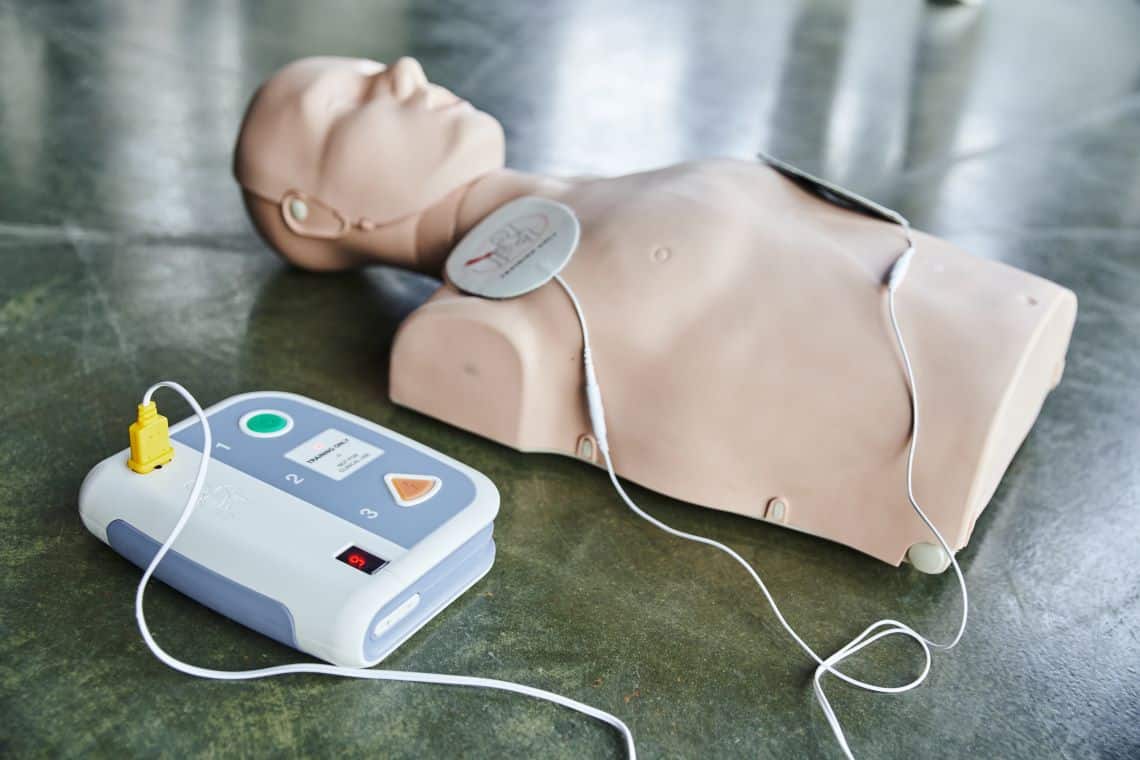
What an AED Does
An AED delivers a shock to restore a normal heart rhythm. It won’t shock unless needed, so it’s safe and simple to use.
How to Use an AED:
- Turn it on.
- Attach pads to the chest.
- Follow voice instructions.
- Stand clear when prompted to shock.
- Continue CPR between shocks.
Where to Find AEDs in Australia
- Shopping centres
- Gyms and pools
- Schools and workplaces
- Airports and stadiums
Look for signage with a lightning bolt and heart symbol.
Why Early CPR and Defibrillation Saves Lives
- Survival drops 10% per minute without intervention.
- Using an AED within the first 3–5 minutes can raise survival to over 70%.
- CPR maintains circulation and oxygenation of the blood until defibrillation can restore the heart rhythm.
Chain of Survival
- Early recognition and call to emergency services
- Early CPR
- Early defibrillation
- Advanced medical care
Don’t wait for an emergency to act. Take a First Aid Pro first aid course with AED training and become a confident first aid responder.
Get Trained – Why First Aid and CPR Certification Matters
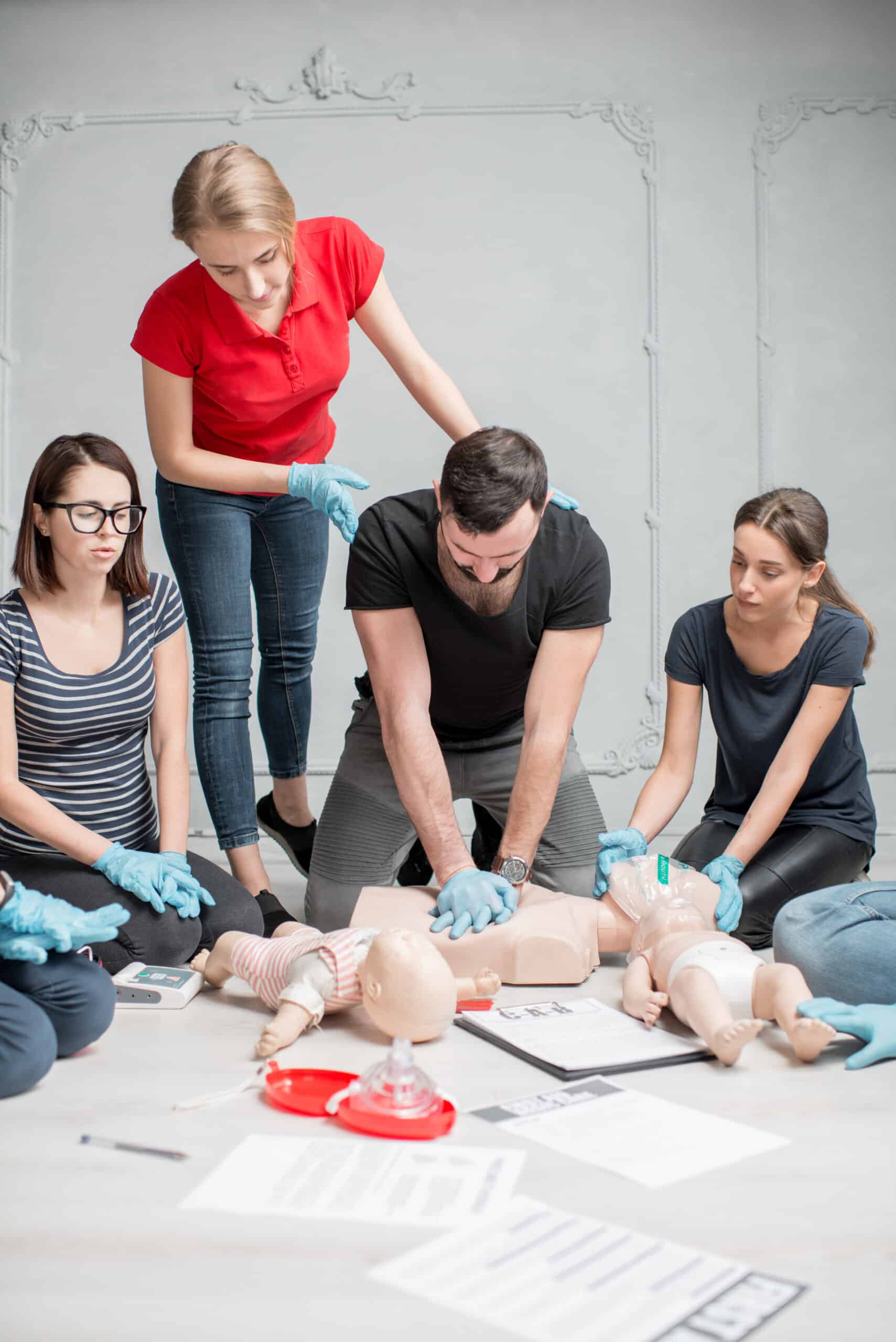
- You’ll learn CPR and how to use an AED correctly.
- Training improves confidence in emergencies.
- Some workplaces require certification under WHS laws.
First Aid Pro: Nationally Recognised Training
- Courses meet Australian Resuscitation Council guidelines.
- Taught by healthcare professionals.
- Practical, hands-on learning.
Renew Your Certification
Learn CPR and save a life. Enrol today in a nationally recognised first aid course with First Aid Pro.
Knowledge Test Quiz
Test your cardiac arrest first aid knowledge
References
Australian Resuscitation Council. (2024). Guidelines for CPR and Defibrillation.
Heart Foundation Australia. (2024). Sudden Cardiac Arrest Overview.
Victor Chang Cardiac Research Institute. (2024). Understanding Cardiac Arrest.
American Heart Association. (2023). CPR & Emergency Cardiovascular Care Guidelines.