



Sharon has 21+ years of experience as a qualified Emergency Care Nurse registered with the Australian Health Practitioner Regulation Agency (APHRA) and 12+ years as a First Aid Trainer.
She takes pride in FirstAidPro making first aid training available, comprehensive and affordable to everybody.
Cardiac arrest is one of Australia’s biggest killers – claiming the lives of more than 20,000 people every year. It’s widely known that cardiac arrest involves the heart stopping, but many people don’t know much more than that. The terms “Cardiac arrest”, “Heart attack”, and “Heart Failure” are often used interchangeably. And few people have a clear idea about how likely someone is to survive a cardiac arrest and the potential long-term consequences of one.
Let’s dig in a little and find out what cardiac arrest is, how it works, and what can be done about it.
What Is Cardiac Arrest?
Cardiac arrest means effectively a person’s heart has stopped. It may not have entirely stopped moving (it quite often gets locked into a pattern of irregular, quivering movements known as an arrhythmia), but the critical fact is that it’s no longer pumping blood through your body and into your brain effectively. This also results in the person losing consciousness, and breathing normally stops (although not always).
Cardiac arrest is a rapidly fatal medical emergency, meaning it can (and most likely will) kill in minutes without intervention. In fact, the term is often regarded as being the same as being clinically dead – a technical, medical term that refers to a patient having no circulation of blood and no breath.
The most common trigger of cardiac arrest is what’s called Ventricular Fibrillation, which is when the lower chambers of the heart stop beating in a regular fashion and instead begin to quiver chaotically, or fibrillate. At this point, the heart falls out of rhythm and starts to pump inefficiently. This is normally due to the electrical impulses that make the heart work becoming chaotic. It’s also possible to have Atrial Fibrillation which is the same thing occurring in the upper chambers of the heart.
Various conditions can cause cardiac arrest, including heart disease (and other cardiac conditions), blood loss, intense emotional states, and congenital heart defects. There are also many factors that can increase your risks, such as obesity, high blood pressure, low exercise, and smoking. Maintaining a healthy lifestyle can certainly lessen your risk of cardiac arrest, but there is no single factor doctors can point to as the cause.
Symptoms Of Cardiac Arrest
Sadly – given it’s so swift and deadly – around half the time, cardiac arrest strikes without symptoms. When there are symptoms, they’re often not very specific – meaning most people have little or no warning.
Symptoms that can be a warning sign of Cardiac arrest include:
- Chest pain
- Fatigue
- Blackouts
- Dizziness
- Shortness of breath
- Weakness
- Vomiting
- A racing pulse, or fluttering heart
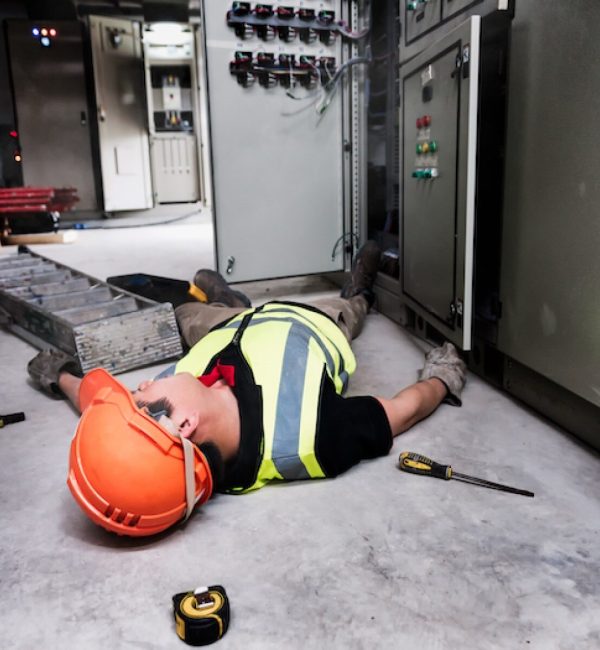
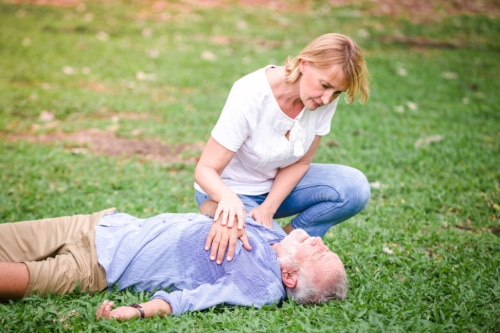
If someone suffers a Cardiac arrest near you, they’ll generally lose consciousness and fall to the floor. They’ll have no discernable pulse when checked and most likely won’t be breathing – although they might take irregular, gasping breaths. The consensus among medical experts is that if at any point you encounter someone unconscious with no pulse, you should immediately assume they’re suffering cardiac arrest and act accordingly.
Cardiac Arrest VS Heart Attack
It’s a common misconception that a cardiac arrest and a heart attack are the same. In reality, while a heart attack – also known as a myocardial infarction – can potentially lead to cardiac arrest. A heart attack is a blockage in the heart’s main artery, causing the heart muscle to get starved of oxygen and begin to die. A heart attack is normally (but not always) accompanied by chest pains, and may cause sweating, nausea or vomiting. But unlike cardiac arrest, a heart attack victim will generally still be conscious.
While a heart attack can be life-threatening and generally requires hospitalisation and urgent treatment, it is often survivable. It’s a failure of the arteries around the heart leading to damage of the heart – one specific (but vital) muscle within the body. By contrast, cardiac arrest is where the heart stops pumping blood to the body altogether – usually causing death within minutes.
Cardiac Arrest First Aid
So what can you do if someone around you has collapsed with no sign of a pulse?
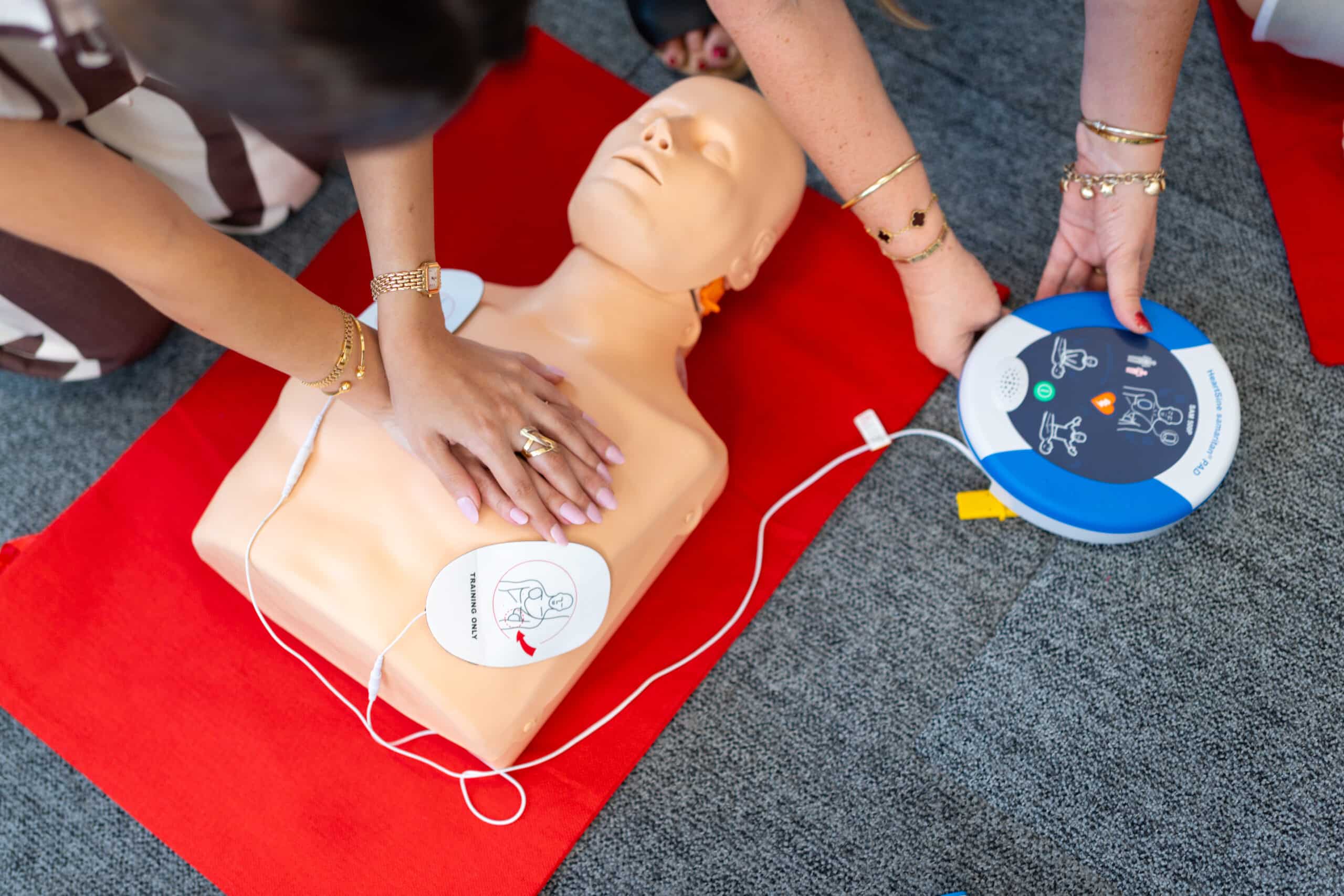
For someone suffering a cardiac arrest, your first port of call is CPR – in fact, this is exactly what CPR was invented for. Most modern first aid courses have CPR training as a central part of the course, and there are entire training programs specifically for training people to use this life-saving technique. A short web article is no substitute for proper first aid training when it comes to providing aid to a potential cardiac arrest. But as a reference, you should be following what’s called DRSABCD protocol (usually remembered as “Doctors ABCD”).
- Danger – Check the immediate area for danger.
- Response – See if the person is alert and able to respond to your voice.
- Send for help – Call 000 immediately, or send someone for help.
- Airway – Check the person’s airway is clear.
- Breathing – See if the person is breathing.
- CPR – Start CPR, and continue working until help arrives
- Defibrillate – If an AED (or Automatic External Defibrillator) is available, commence defibrillation as soon as possible.
It should be noted that while CPR can save lives, it normally won’t revive someone on its own – CPR is designed to forcibly circulate blood throughout the body and provide the person’s brain with an emergency short-term blood supply. The odds of a cardiac arrest victim surviving without defibrillation or other medical intervention are very low. As such, calling for help and having someone fetch an AED as soon as possible are critical.
You should also note that the medical consensus is when in doubt, do CPR and defibrillate. The number of people harmed by unneeded CPR is greatly outweighed by the number of people saved by CPR. And AEDs are specially designed to detect a person’s heart rhythm and only shock them if it’s beneficial. So don’t hesitate.
Adrenaline In Cardiac Arrest
Because of its dramatic effects on the body, on occasions people may attempt to use Adrenaline / Epinephrine on a cardiac arrest victim – if there’s a handy EpiPen or AnaPen close to hand. However, while trained medical professionals might use adrenaline on a cardiac arrest victim, this is best left to the professionals. There’s no clear evidence that it helps, and there’s some indications that it might do more harm than good.
Cardiac Arrest Survival Rates
It’s worth knowing that CPR is not a magic wand – cardiac arrest kills the vast majority of people who suffer from it, and even with someone actively performing CPR, the odds of survival are relatively low – about 90% of cardiac arrest victims outside a hospital die. However, what is reasonable to say is that you can double or even triple the person’s survival rate with CPR.
It’s also important to remember – survivors of cardiac arrest can often suffer serious long term health effects, up to and including significant brain damage – it’s no joke when the brain gets starved of oxygen! But surviving with lifelong consequences is still surviving.