



Sharon has 21+ years of experience as a qualified Emergency Care Nurse registered with the Australian Health Practitioner Regulation Agency (APHRA) and 12+ years as a First Aid Trainer.
She takes pride in FirstAidPro making first aid training available, comprehensive and affordable to everybody.
Complex wounds are those that do not heal in an orderly or timely manner. They typically include pressure injuries, which involve damage to skin and underlying tissue caused by pressure, friction, or shear; diabetic foot ulcers, which are open sores occurring in approximately 15% of people with diabetes; venous leg ulcers, which develop due to poor blood flow in the legs; arterial ulcers, caused by poor blood supply to the affected area; and surgical wounds that have broken down, which fail to heal properly after surgery.
Key Takeaways
- Complex wound care training is crucial for meeting NDIS high intensity support skills requirements.
- Proper training significantly improves patient outcomes and reduces healing times.
- Specialised wound care skills enhance employability in the growing NDIS sector.
- Training ensures compliance with Australian healthcare regulations and standards.
- Complex wound care skills help prevent serious complications and hospitalisations

The Challenge For Healthcare Workers
In Australia, complex wound care represents a significant healthcare challenge that affects thousands of people each year. For those working in healthcare settings and supporting National Disability Insurance Scheme (NDIS) participants, proper training in complex wound management isn’t just beneficial—it’s essential. Without the right skills and knowledge, healthcare workers may struggle to provide the best possible care, potentially leading to prolonged healing times, increased complications, and reduced quality of life for those they support.
Complex wounds—including pressure injuries, diabetic foot ulcers, and venous leg ulcers—require specialised care approaches that go well beyond basic first aid training. As the NDIS continues to support Australians with disabilities, the need for properly trained support workers who can confidently manage complex wounds has never been greater.
Enhance your career with First Aid Pro’s comprehensive Complex Wound Care Training course. Gain the high intensity support skills needed to excel in NDIS and healthcare settings. Enrol now!

The Current State of Wound Care in Australia
According to the Australian Medical Association (AMA), chronic wounds affect approximately 450,000 people at any given time, which WoundsAustralia says costs Australia’s health and aged care budgets over $6.6 billion annually. These numbers highlight the massive scale of the issue. For individuals receiving support through the NDIS, wound complications can significantly impact independence and quality of life.
The NDIS framework recognises complex wound care as a high intensity support that requires specialised training. Under NDIS guidelines, support workers delivering complex wound care must demonstrate appropriate skills and knowledge to ensure participant safety and wellbeing.
Healthcare workers without proper training often face significant challenges when managing complex wounds. These include difficulties in accurately assessing wounds, selecting appropriate dressings, identifying early signs of infection, and knowing when to escalate care. These challenges can lead to poor healing outcomes, increased participant discomfort, and potentially serious complications that could have been avoided with proper training.
The Need For Specialised Training For Complex Wound Care
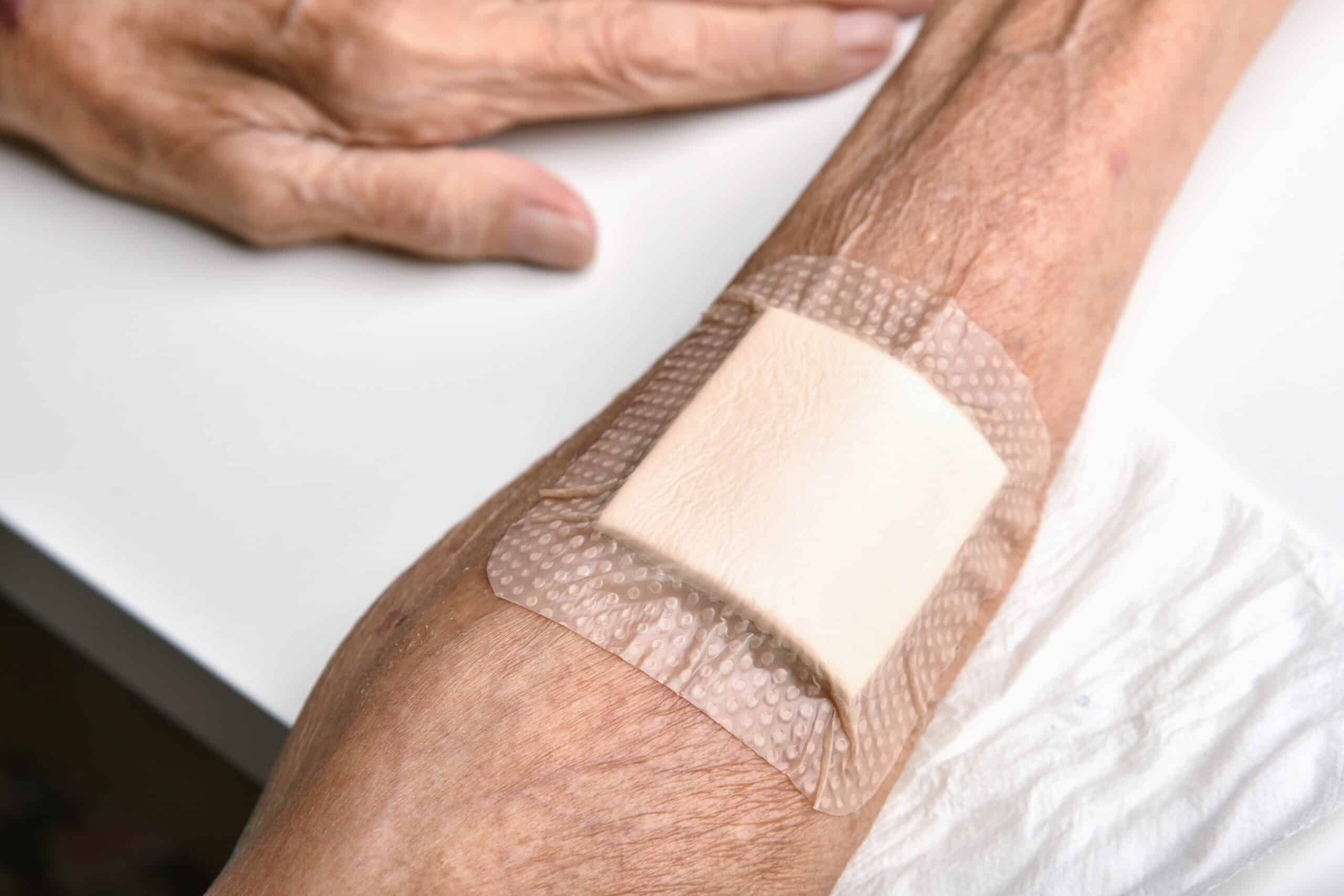
Complex wounds often become chronic, leading to significant pain, reduced mobility, and decreased quality of life. Risk factors include age, poor nutrition, limited mobility, diabetes, and circulatory problems.
Specialised knowledge is crucial because complex wounds don’t respond to standard wound care approaches. Each type requires specific assessment techniques, dressing selections, and management strategies. Without understanding the underlying causes and appropriate interventions, healthcare workers may inadvertently delay healing or even worsen the condition.
NDIS High Intensity Support Skills Framework

The NDIS High Intensity Support Skills framework specifically identifies complex wound care as an area requiring specialised training. This framework ensures that participants receive safe, effective care that promotes healing and prevents complications.
Under NDIS Practice Standards, providers must ensure that staff delivering complex wound care have the necessary competence. This includes understanding wound assessment, management strategies, infection control, and documentation requirements.
The link between training and NDIS compliance is direct—providers must demonstrate that their staff have completed appropriate training and maintain current knowledge of best practices. Without this training, providers risk non-compliance with NDIS requirements, potentially affecting their registration status and, even more importantly, the quality of care delivered to participants.
Benefits of Complex Wound Care Training
Proper complex wound care support training delivers multiple benefits:
- Improved patient outcomes: Trained healthcare workers can identify appropriate interventions, resulting in faster healing times and reduced complications. Research shows that appropriate wound management can reduce healing times by up to 50% in some cases.
- Prevention of complications: Skilled practitioners can identify early signs of infection or deterioration, allowing for prompt intervention before serious complications develop. This proactive approach helps prevent hospitalisations and more intensive treatments.
- Cost savings: Effective wound care reduces the need for extended treatments, hospitalisations, and additional medications. One study by the Australian Health Research Alliance shows that proper wound management could result in savings of at least $3.5 billion each year.
- Enhanced quality of life: For individuals receiving care, proper wound management means less pain, improved mobility, and greater independence—all critical factors in overall wellbeing.
BOOST YOUR SKILLS: Join First Aid Pro’s next Complex Wound Care Training session and learn advanced techniques that will set you apart in NDIS and healthcare settings. Professional certification included upon completion.
Core Components of Quality Wound Care Training
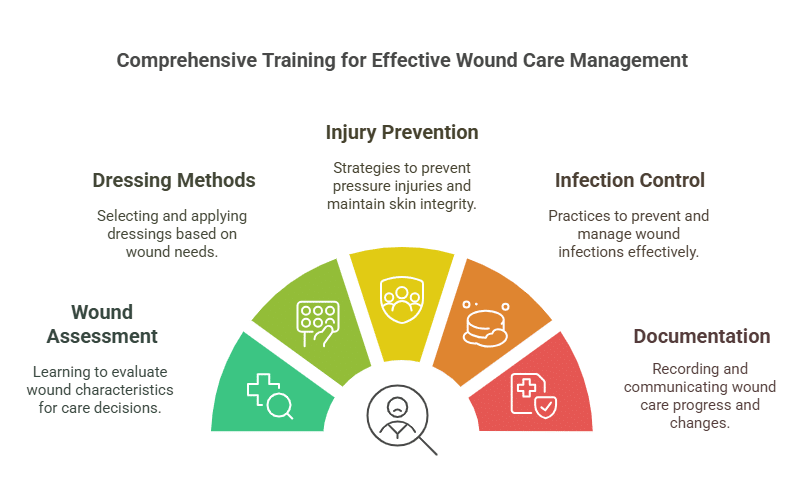
High-quality complex wound care training covers several essential components:
- Wound assessment and diagnosis: Trainees learn to accurately assess wound characteristics, including size, depth, appearance, drainage, and surrounding tissue condition. This assessment forms the foundation for all subsequent care decisions.
- Advanced dressing methods: Training covers the selection and application of appropriate dressings based on wound type, location, and healing stage. This includes understanding moisture balance, which is crucial for optimal healing.
- Pressure injury prevention: Participants learn risk assessment tools and preventative strategies, including positioning techniques, support surfaces, and skin care protocols.
- Infection control practices: Training emphasises proper hand hygiene, aseptic technique, and recognition of early signs of infection—critical skills for preventing wound deterioration.
- Documentation and reporting: Proper documentation is essential for monitoring healing progress, communicating with other healthcare providers, and meeting regulatory requirements. Training covers best practices for wound photography, measurement, and progress notes.
Practical Skills Development
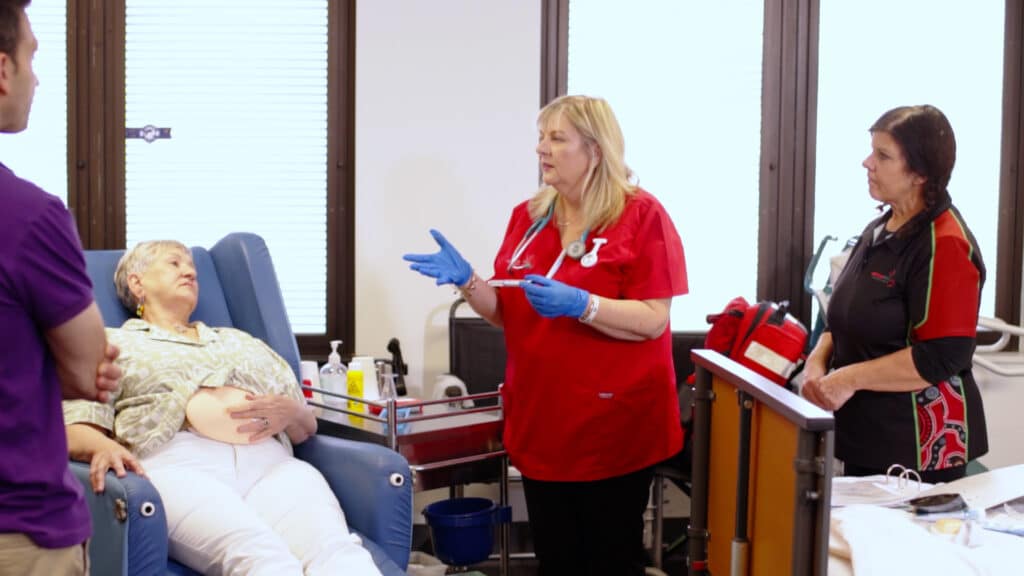
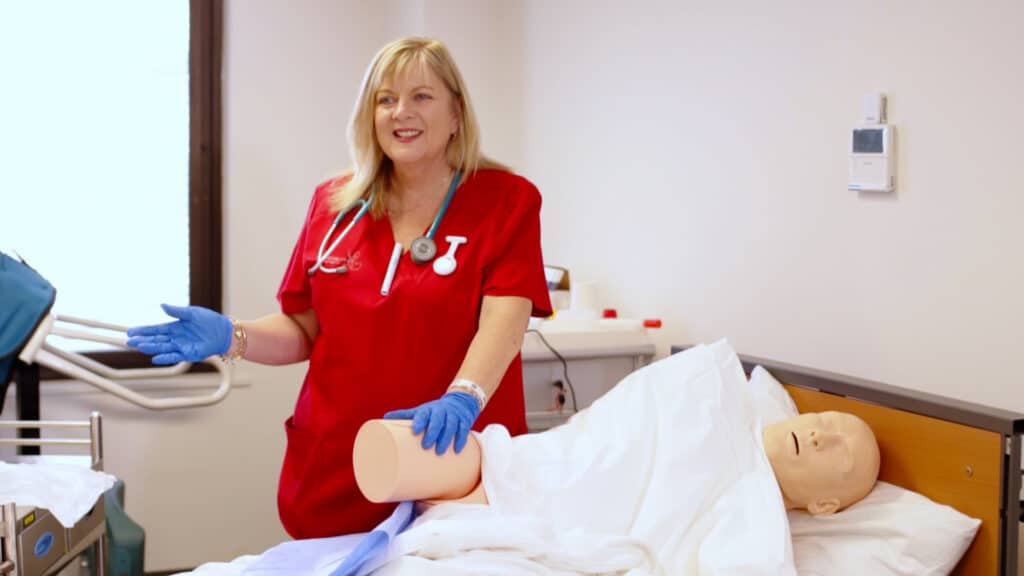
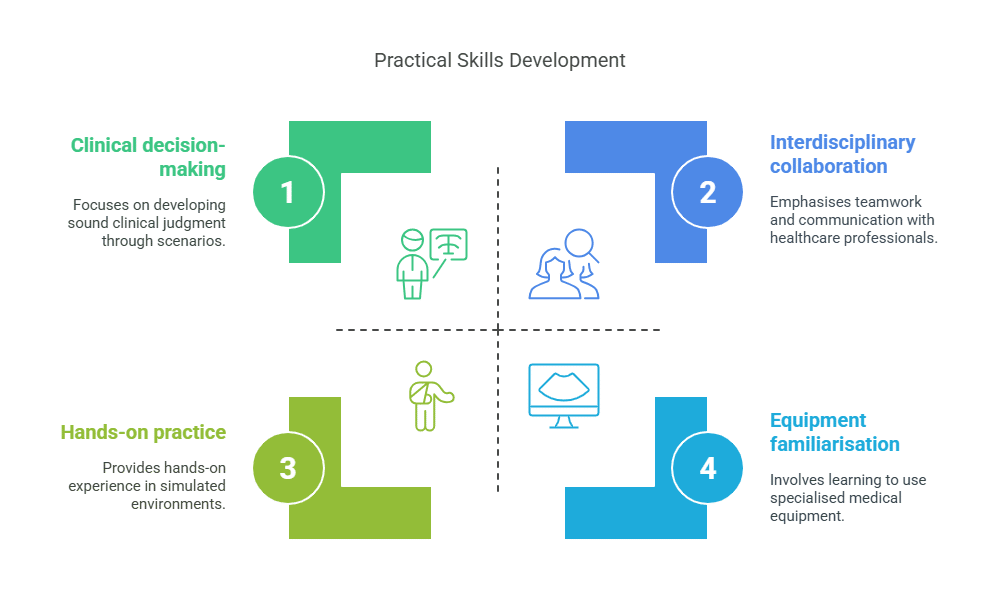
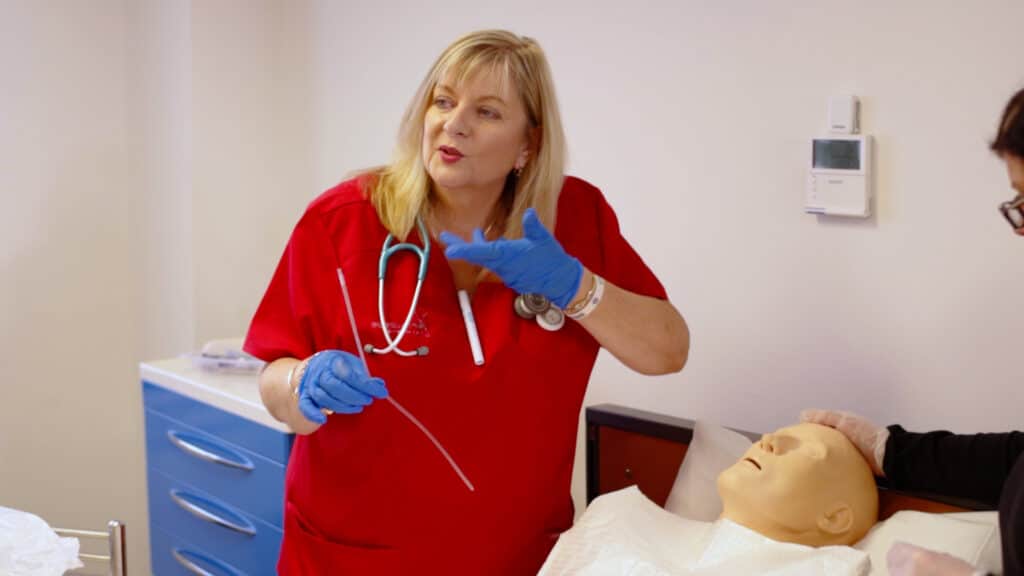
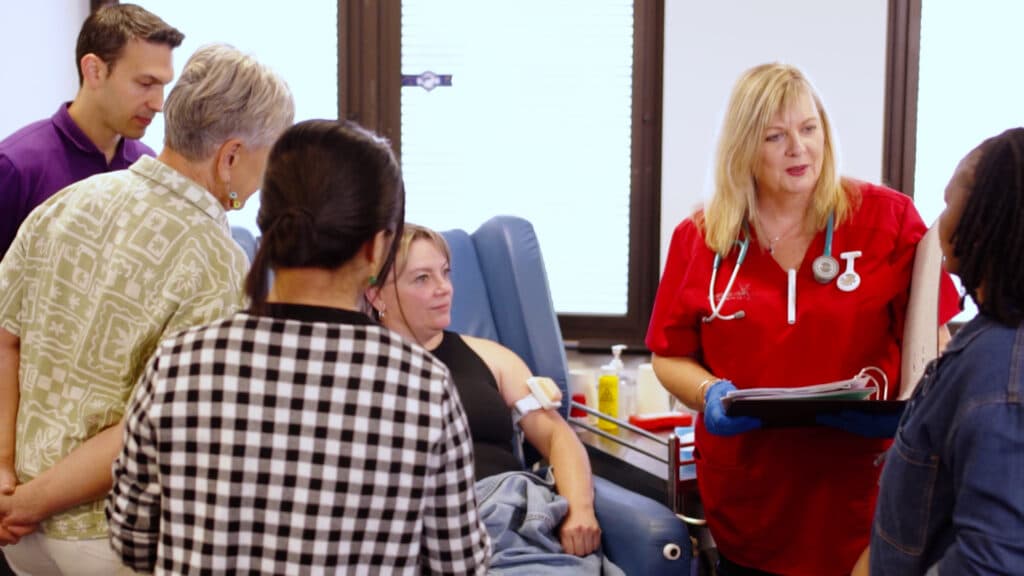
Effective complex wound care training goes beyond theoretical knowledge to build practical competence. Hands-on practice: Quality training programs like those offered by FirstAidPro, include opportunities to practice assessment and dressing techniques in simulated environments, allowing trainees to develop confidence and skill before working with real participants.
Meeting Industry Standards
Complex wound care training ensures compliance with various Australian healthcare standards:
- NDIS Practice Standards: Recognised training aligns with the specific requirements outlined in the High Intensity Support Skills Descriptors, ensuring that providers meet their obligations under the NDIS Quality and Safeguarding Framework.
- Certification requirements: Upon completion of training, participants typically receive a Statement of Competence or Certificate of Attendance that verifies their skills. These certifications are usually valid for 12 months, after which refresher training is recommended to ensure currency of knowledge.
- Healthcare regulations: Training covers relevant aspects of the Australian Commission on Safety and Quality in Health Care standards, particularly those related to preventing and managing pressure injuries and infection control.
Choosing the Right Training Provider
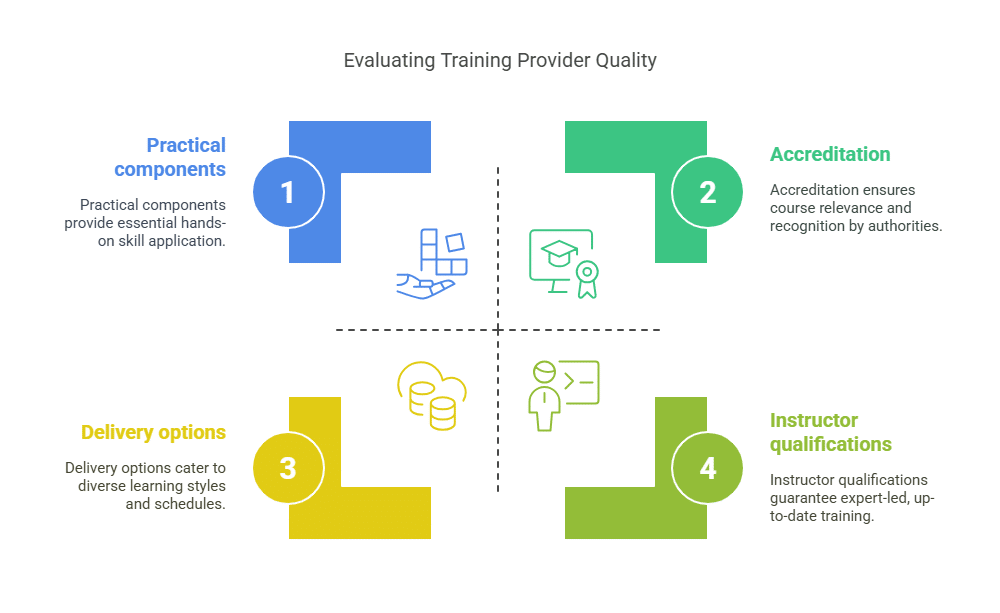
When selecting a complex wound care training program, healthcare workers should consider:
Don’t miss out on advancing your career with First Aid Pro’s nationally recognised Complex Wound Care Course. Master the skills that NDIS providers are actively seeking and improve outcomes for those you support. Register today to secure your place!
Career Advancement Opportunities
Specialised training in complex wound care opens numerous career pathways:
- Enhanced employability: NDIS providers actively seek staff with high intensity support skills, including complex wound care. Having this certification makes candidates more attractive to employers.
- Career progression: Wound care expertise can lead to specialised roles such as wound resource nurse, care coordinator, or clinical educator.
- Growing demand: As Australia’s population ages and NDIS participation increases, the demand for skilled wound care practitioners continues to grow. The wound care requirement in Australia is projected to grow by 5-7% annually over the next five years.
- Higher remuneration: Healthcare workers with specialised skills typically command higher pay rates, with some organisations offering wound care allowances for appropriately trained staff.
The Critical Importance of Complex Wound Care Management
Complex wound care training isn’t just about meeting regulatory requirements—it’s about providing the best possible care for vulnerable Australians. For NDIS and healthcare workers, this specialised training delivers multiple benefits: improved participant outcomes, enhanced career prospects, and the personal satisfaction of being able to develop and implement expertise in wound healing, a critical area of care.
As the NDIS continues to evolve and Australia’s healthcare needs grow more complex, the demand for skilled practitioners will only increase. By investing in complex wound care training today, healthcare workers position themselves at the forefront of best practice while making a tangible difference in the lives of those they support.
For anyone working in healthcare or disability support roles, complex wound care training represents an essential skill set that enhances both professional capabilities and participant outcomes. The journey to wound care expertise begins with proper training—an investment that pays dividends for practitioners and participants alike.