



Sharon has 21+ years of experience as a qualified Emergency Care Nurse registered with the Australian Health Practitioner Regulation Agency (APHRA) and 12+ years as a First Aid Trainer.
She takes pride in FirstAidPro making first aid training available, comprehensive and affordable to everybody.
While a comprehensive first aid kit might seem like a simple collection of bandages and ointments, it’s actually a critical lifeline in emergencies.
You’ll want to approach crafting your kit with both thoroughness and practicality. Consider the diverse range of situations you might encounter, from minor cuts to severe allergic reactions.
As you assemble your supplies, you’ll need to balance completeness with portability. But where should you start?
What items are truly essential, and which ones might you be overlooking? The answers to these questions could mean the difference between being prepared and being caught off guard when every second counts.
Key Takeaways for Comprehensive First Aid Kits
- Include essential medical supplies like adhesive bandages, gauze pads, antiseptic wipes, and a CPR face shield.
- Stock various bandages and wound dressings, including sterile gauze pads, elastic bandages, and adhesive tape.
- Add common medications like pain relievers, antihistamines, and topical treatments for diverse health needs.
- Incorporate emergency tools and communication devices, such as a multi-tool, whistle, and fully charged mobile phone.
- Include personal protective gear and sterilisation items like disposable gloves, face masks, and alcohol wipes.
Bandages and Wound Dressings
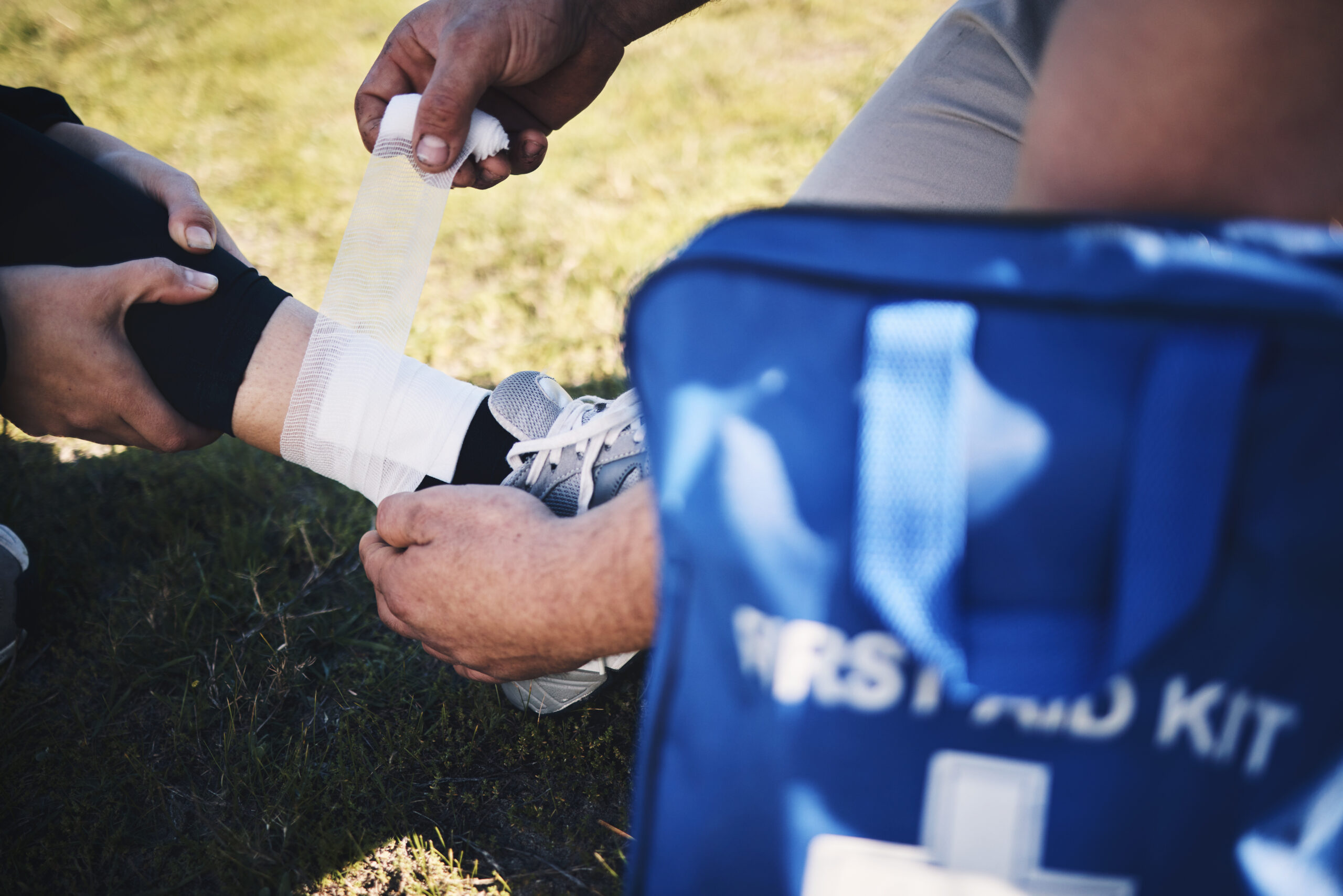
In a comprehensive first aid kit, bandages and wound dressings form the cornerstone of effective injury management and infection prevention. You’ll need a variety of sizes and types to address different wound scenarios.
Start with adhesive bandages, commonly known as band-aids, in assorted sizes for minor cuts and abrasions. Include butterfly closures for larger cuts that require skin closure.
Next, stock up on sterile gauze pads in various dimensions, from 5×5 cm to 10×10 cm. These versatile dressings can cover larger wounds and absorb blood or other fluids. Complement these with non-adherent pads to prevent sticking to wounds. Roll gauze is essential for securing dressings and creating pressure bandages.
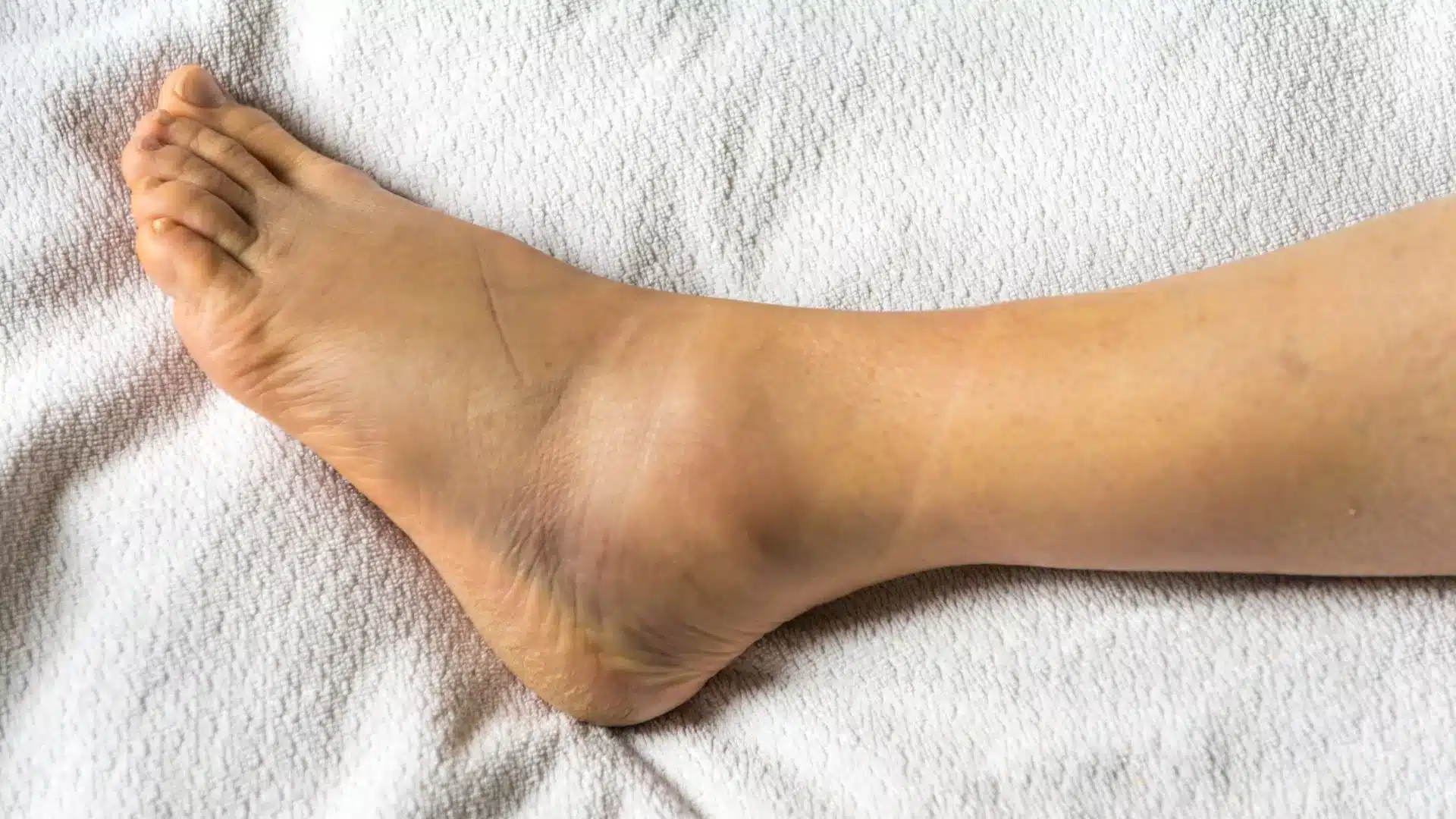
Don’t forget to include elastic bandages for sprains and strains, as well as triangular bandages for slings or as makeshift tourniquets in emergencies. Adhesive tape is vital for securing dressings, while cohesive wrap provides compression without adhesive.
Medications and Pain Relievers
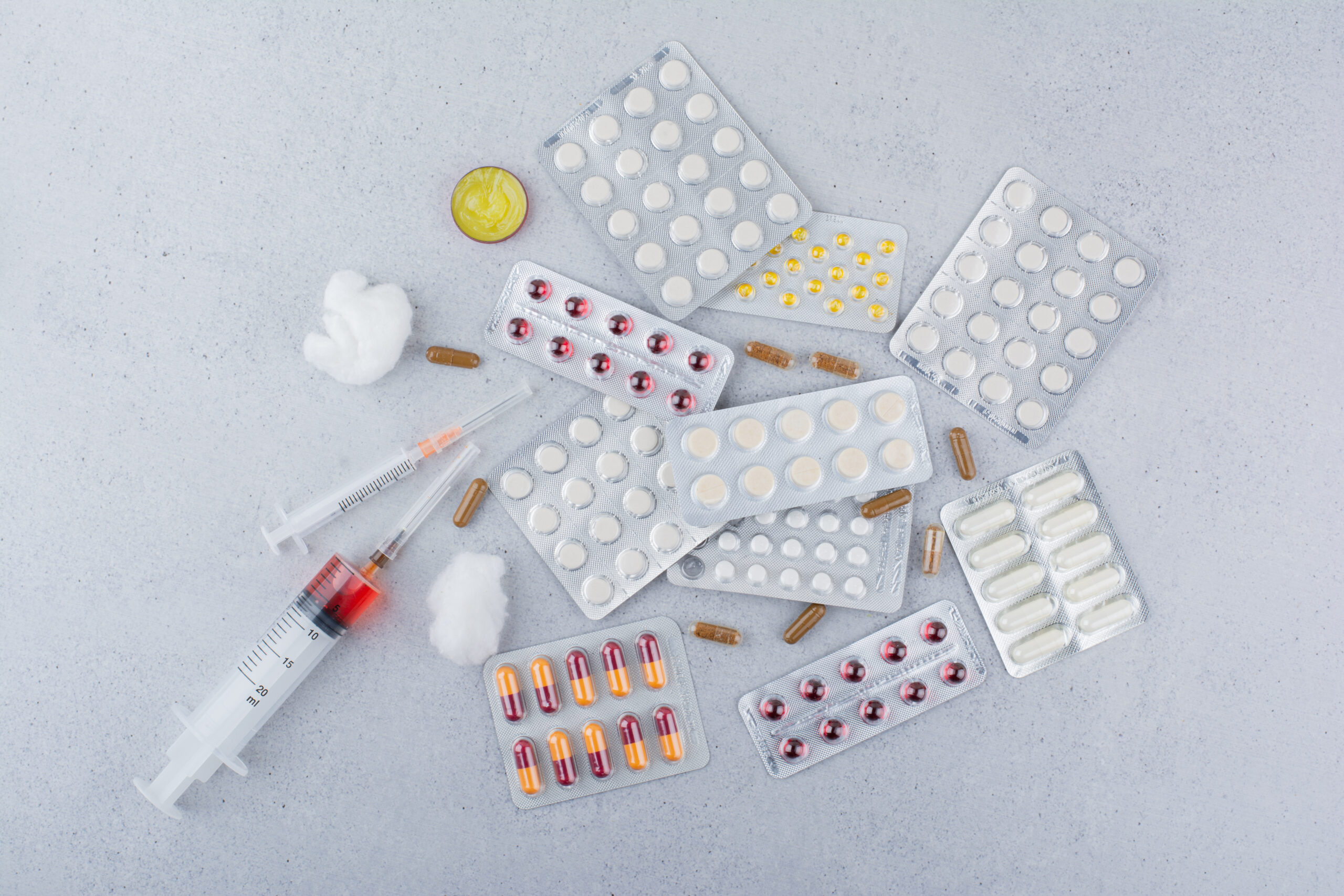
Your comprehensive first aid kit should include a selection of essential over-the-counter medicines to address common ailments and injuries.
Over-The-Counter Medicines
Start with analgesics like paracetamol and ibuprofen for pain and fever reduction. Include antihistamines for allergy relief and to counteract mild allergic reactions. Don’t forget digestive aids such as antacids and anti-diarrhoeal medications to address common gastrointestinal issues.
Ensure you have topical treatments like hydrocortisone cream for skin irritations and antibiotic ointment for minor cuts and scrapes. Add cough suppressants and throat lozenges for respiratory discomfort.
Remember to include:
- Motion sickness medication for travel-related nausea
- Electrolyte replacement solutions for dehydration
- Calamine lotion for insect bites and poison ivy reactions
Always check expiration dates and replace medications as needed. Store your over-the-counter medicines in a cool, dry place, away from direct sunlight.
Keep all medications in their original packaging with intact labels and instructions. Familiarise yourself with proper dosages and potential side effects. If you’re unsure about drug interactions or have pre-existing medical conditions, consult a healthcare professional before administering any medication.
Prescription Medication Considerations
Regularly evaluating and including necessary prescription medications in your comprehensive first aid kit is imperative for managing specific health conditions during emergencies. When considering prescription medications, ensure you have an adequate supply for each family member with ongoing medical needs.
Remember to pack any important medical devices, such as inhalers or EpiPens, alongside the medications. By carefully managing your prescription medications within your first aid kit, you’ll be better prepared to handle health issues during unexpected situations.
Emergency Tools and Equipment
In your comprehensive first aid kit, include essential rescue tools such as scissors, tweezers, and a multi-tool to assist in various emergency situations.
Rescue Tools
Several important rescue tools should be included in your first aid kit to enhance your emergency response capabilities. These tools are essential for various rescue scenarios and can make a significant difference in saving lives or preventing further injuries. When selecting rescue tools, prioritise durability, versatility, and ease of use.
Key rescue tools to take into account include:
- A multi-tool with pliers, knife, and scissors
- A compact folding saw for clearing debris
- A sturdy pry bar for forced entry or extraction
Communication Devices
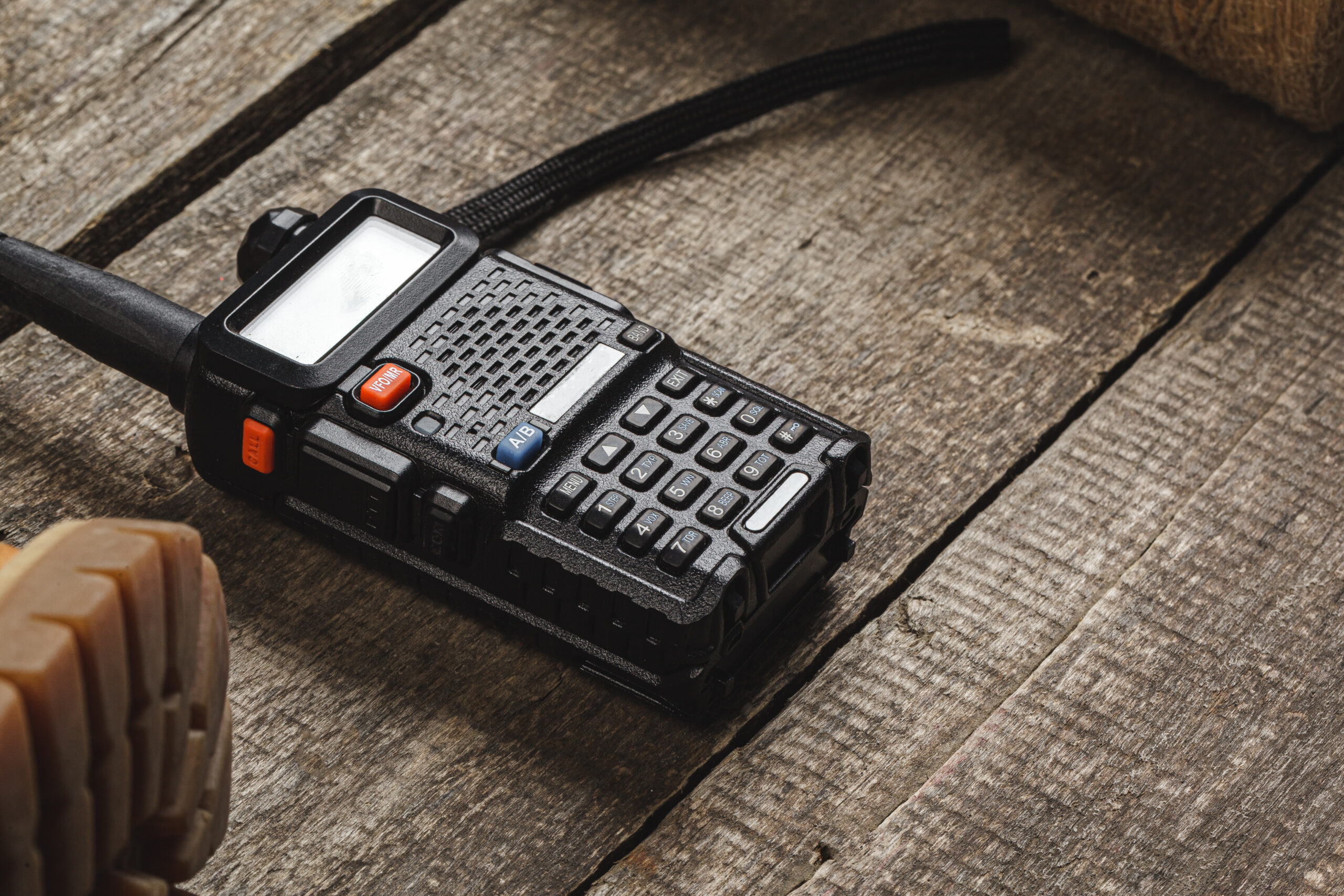
Your comprehensive first aid kit’s communication devices are crucial tools for alerting emergency services and coordinating rescue efforts during a crisis. Include a fully charged mobile phone with emergency contacts pre-programmed. A waterproof, shockproof case will protect it from damage. Add a portable battery pack and charging cable to guarantee extended use.
Consider a compact, hand-crank emergency radio with weather alerts. This will provide essential information during power outages or in remote areas. A whistle is necessary for signalling your location to rescuers, especially in low-visibility conditions.
For wilderness adventures, pack a satellite communicator or personal locator beacon. These devices can send distress signals and your GPS coordinates to emergency services when cellular coverage is unavailable.
Personal Protective Gear
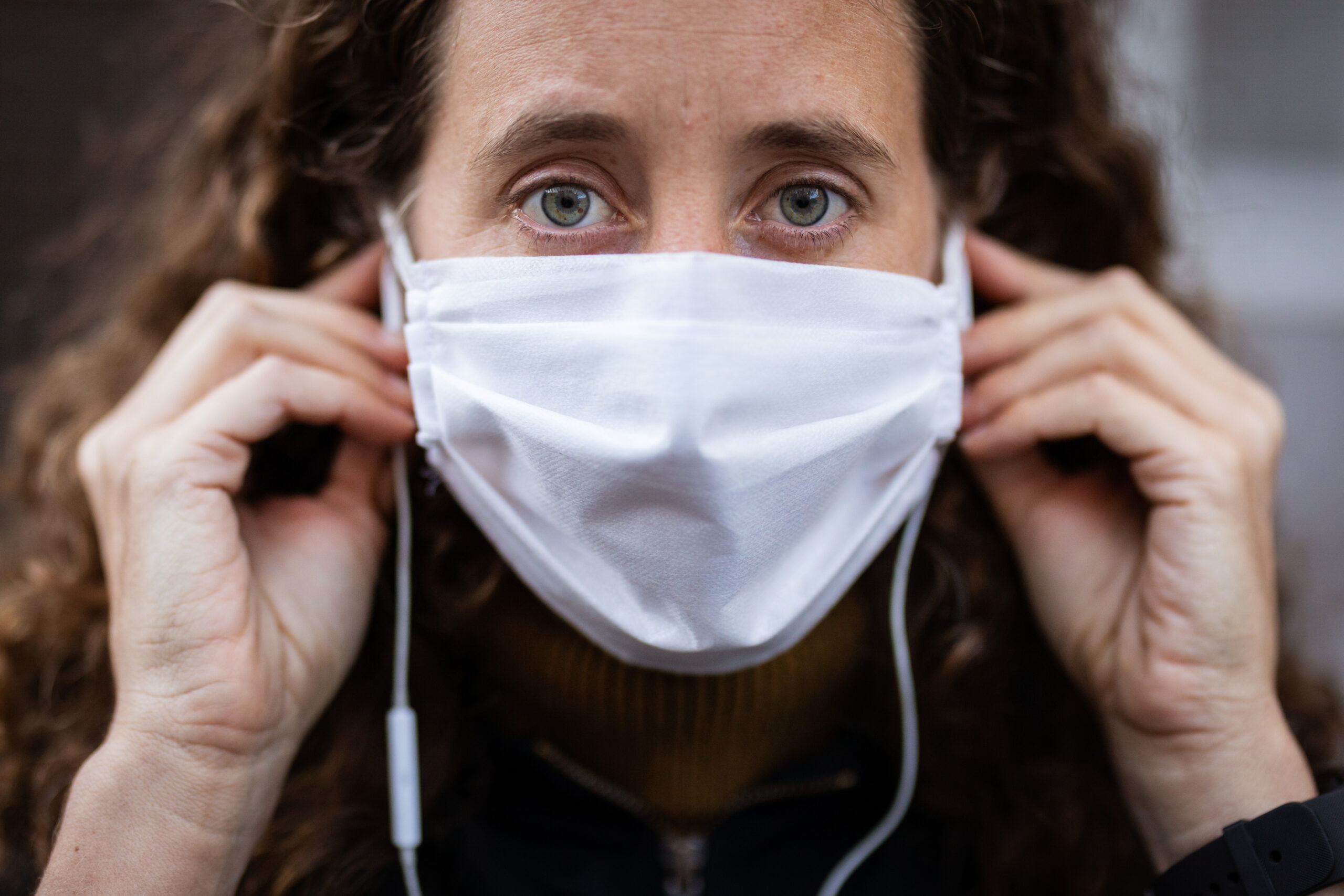
Personal protective gear forms an essential barrier between you and potential hazards during first aid administration.
Gloves selection is paramount; opt for disposable nitrile gloves, as they offer superior protection against bloodborne pathogens and chemical exposure compared to latex alternatives. Include multiple pairs in various sizes to accommodate different users.
Eye protection is another important component. Choose safety goggles or a face shield that provides thorough coverage against splashes, sprays, and airborne particles. Verify they’re impact-resistant and offer a clear, unobstructed view.
Your personal protective gear should also include:
- Protective gowns or aprons
- Disposable face masks or respirators
Sterilisation and Cleaning Items
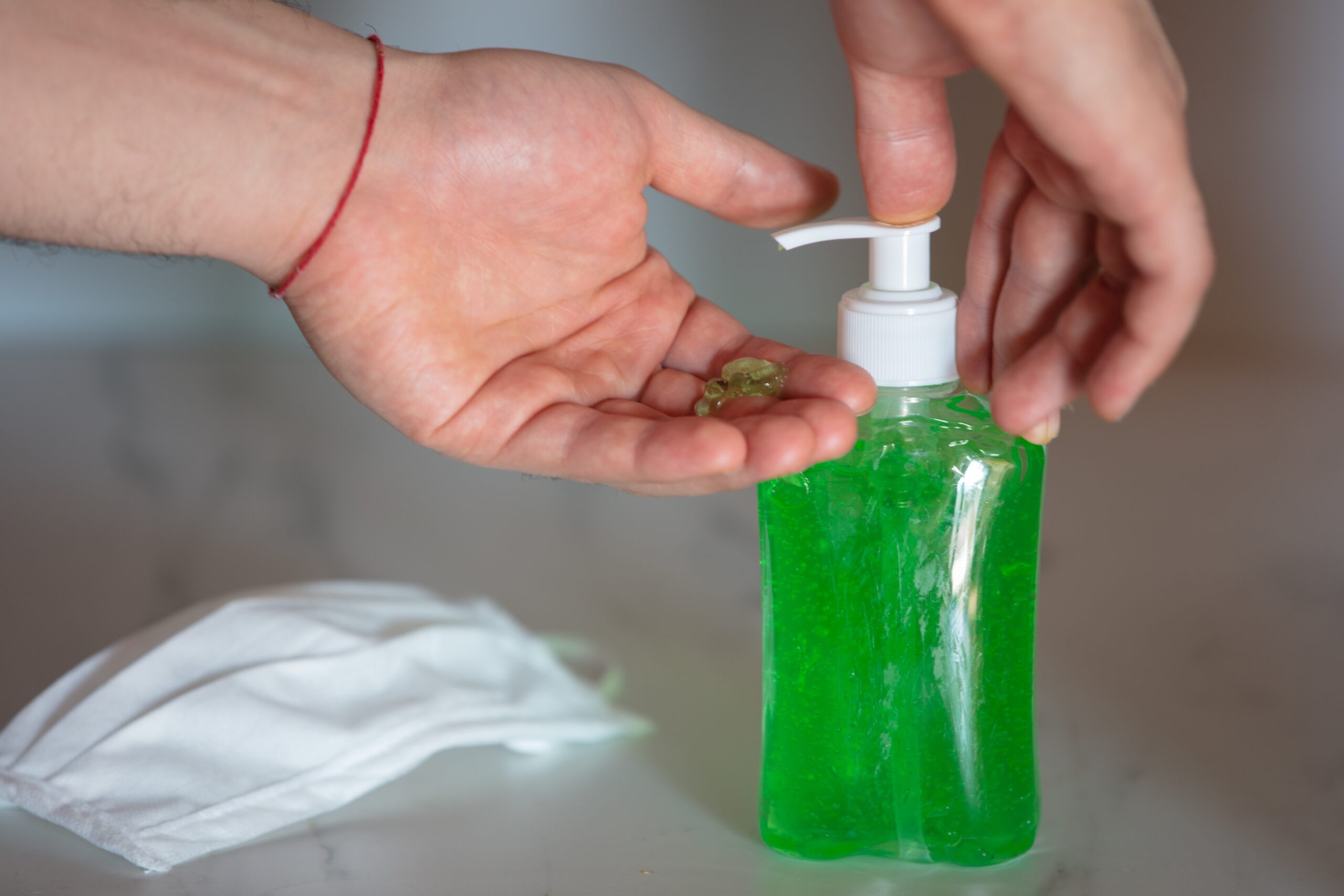
Sterilisation and cleaning items are vital components of a comprehensive first aid kit, guaranteeing you can maintain a hygienic environment and prevent infection during emergency care. To effectively sterilise and clean wounds or equipment, you’ll need a variety of disinfectant solutions and tools.
Include alcohol wipes, hydrogen peroxide, and iodine solution in your kit. These disinfectants are essential for cleaning wounds and surrounding skin before treatment. Sterile saline solution is ideal for flushing debris from eyes or wounds. Don’t forget to pack antimicrobial hand sanitiser for quick hand disinfection.
For applying disinfectants, stock your kit with sterile gauze pads and cotton swabs. Include disposable gloves to maintain a barrier between you and potential contaminants. Scissors and tweezers should be included for wound care, but make sure you have the means to sterilise them before and after use.
Consider including sterilisation bags or pouches for contaminated items. These allow you to safely store used equipment until proper disposal is possible.
Burn Treatment Supplies
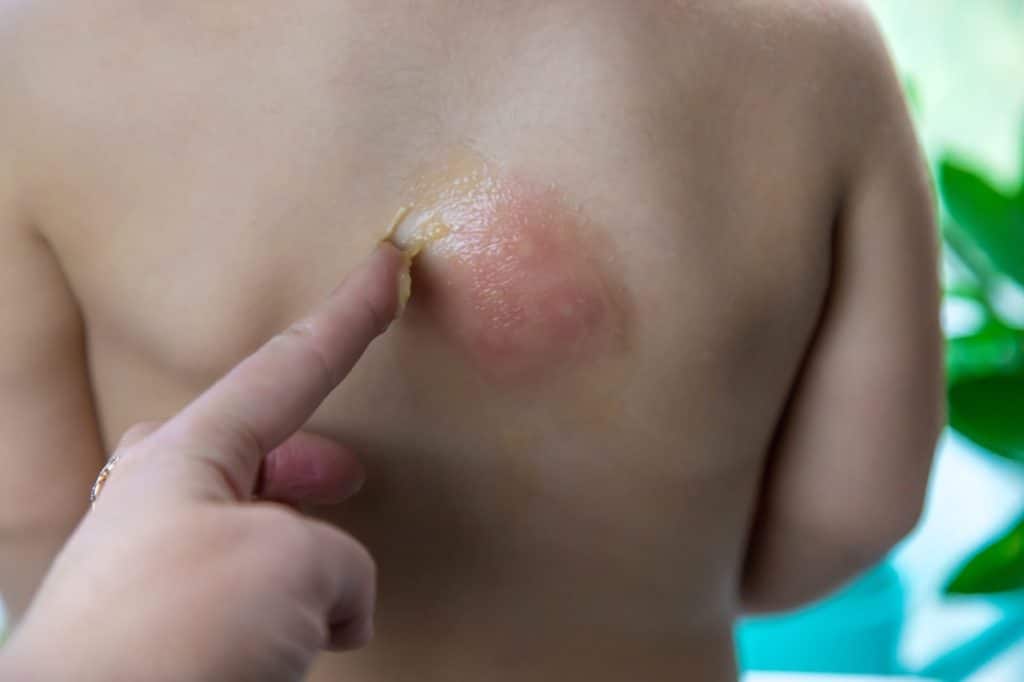
A comprehensive first aid kit must contain specialised supplies for treating burns, which require immediate and appropriate care to minimise tissue damage and prevent complications. Your burn treatment supplies should include sterile burn dressings, burn gels, and non-stick gauze pads specifically designed for burn care. These items are vital for implementing proper burn care techniques and protecting the affected area from further harm.
When assembling your burn treatment supplies, verify you have:
- Burn treatment kit with specialised tools and instructions
- Water-based burn gel or cream with lidocaine for pain relief
- Non-adherent, sterile burn dressings in various sizes
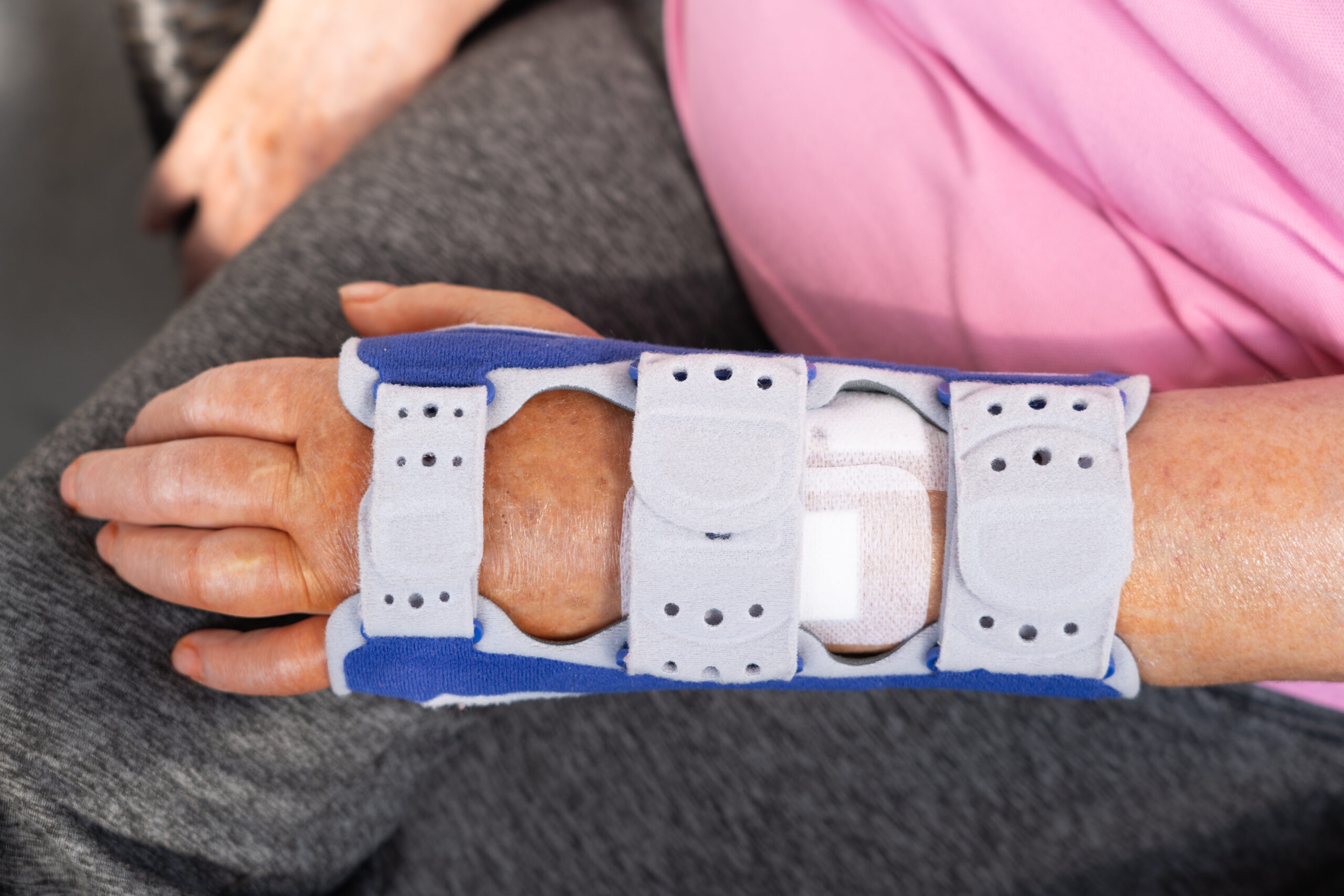
Splints and Immobilisation Devices
Your comprehensive first aid kit should include various types of splints for immobilising injured limbs.
Types of Splints
Common types of splints include rigid splints, malleable splints, and inflatable splints, each serving specific purposes in injury management.
Rigid splints, such as padded boards or pre-formed plastic splints, provide firm support for fractures or severe sprains in limbs. Malleable splints, like SAM splints, can be moulded to fit the contours of injured areas, offering versatile support for various body parts. Inflatable splints use air pressure to immobilise injuries and are particularly useful for extremities.
When selecting and applying splints, consider these key factors:
Match the splint type to the specific injury and body part.
Guarantee proper padding to prevent pressure points and skin damage.
Secure the splint firmly without compromising circulation.
Allergic Reaction Management
Effective allergic reaction management relies on quick access to essential medications and tools within your first aid kit. Your kit should include antihistamines, such as diphenhydramine, for mild to moderate allergic reactions. For severe allergic reactions or anaphylaxis, epinephrine auto-injectors are vital. Confirm you have at least two auto-injectors and that they’re not expired.
Hydration and Nutrition Essentials
Maintaining proper hydration and nutrition is essential for managing emergencies and promoting recovery during first aid situations. Your first aid kit should include reliable hydration sources and nutritional snacks to support individuals in distress.
For hydration, pack sterile water pouches or bottles, which have a long shelf life and are easily portable. Include oral rehydration salts to replenish electrolytes lost through sweating, vomiting, or diarrhoea. These sachets can be mixed with water to create a solution that helps prevent dehydration.
As for nutritional snacks, opt for energy-dense, non-perishable items. High-calorie energy bars, glucose tablets, and dried fruits provide quick energy boosts. Include nut-based snacks for sustained energy and protein. Remember to choose items that are allergen-free or clearly labelled to avoid potential allergic reactions.
Store these items in sealed, waterproof containers to maintain their integrity. Regularly check expiration dates and replace items as needed.
When using these supplies, always prioritise hydration before nutrition, especially in cases of heat exhaustion or prolonged physical exertion.
Cold and Heat Packs
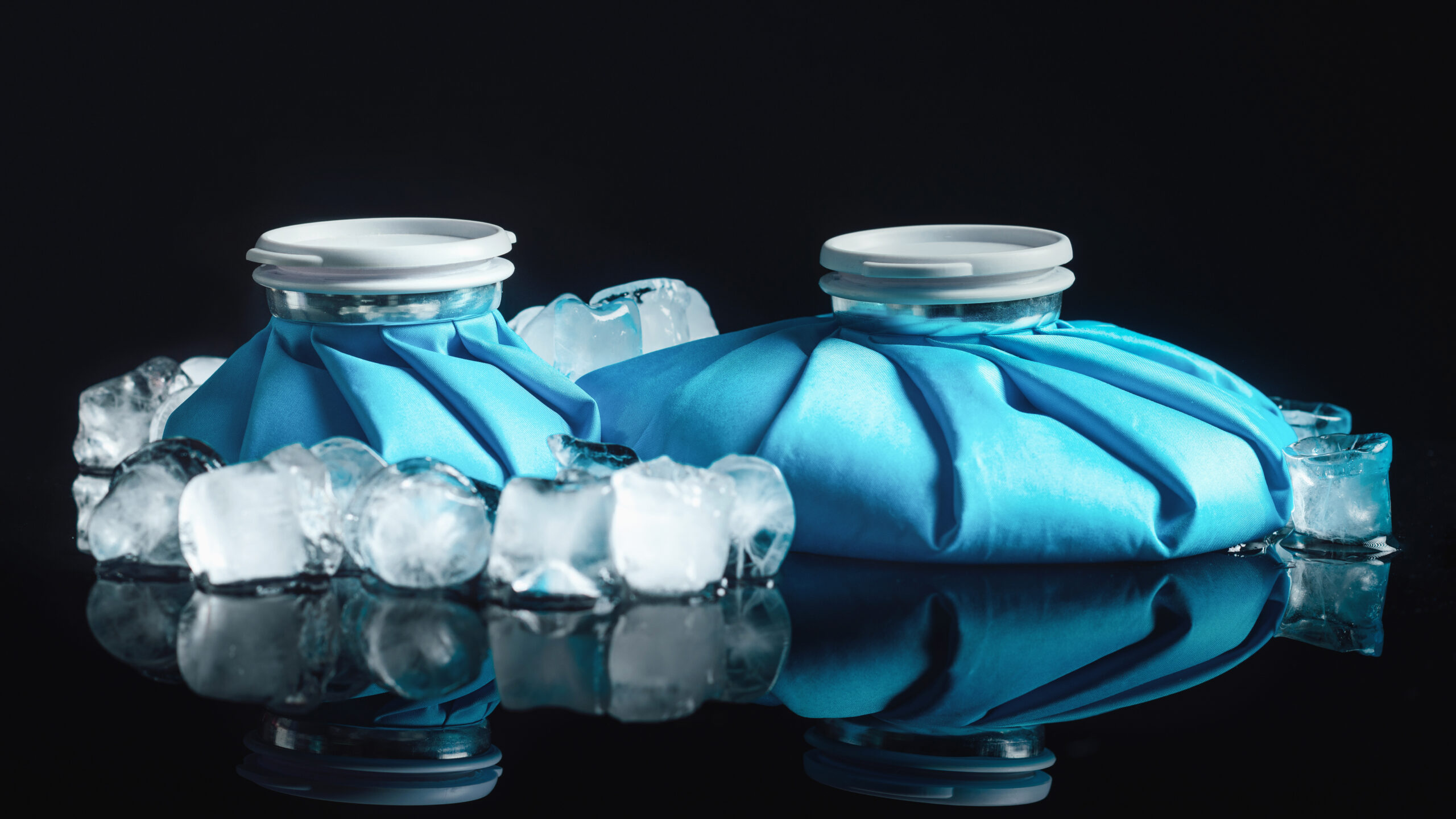
Cold and heat packs are crucial components of a well-equipped first aid kit, serving important roles in managing various injuries and medical conditions. These versatile tools offer immediate relief and can greatly impact the recovery process.
When selecting cold and heat packs for your first aid kit, consider the following:
- Size variety: Include both large and small packs to accommodate different body areas and injury types.
- Instant activation: Choose packs that can be quickly activated without requiring freezing or microwave heating.
- Reusability: Opt for reusable packs to guarantee long-term utility and cost-effectiveness.
Documentation and Reference Materials
You’ll need proper documentation and reference materials to guide your actions and record incidents accurately in your first aid kit.
Include up-to-date first aid manuals that outline step-by-step procedures for various emergencies. These guides will help you respond effectively when time is essential.
Incorporate a small notepad and pen to document injuries, treatments administered, and timelines. This information can be significant for medical professionals who may take over care later.
Don’t forget to include emergency contact information for local authorities, poison control centres, and nearby hospitals. Store these numbers in a waterproof, easily accessible format.
Add a list of any known allergies or medical conditions of family members or frequent guests. This can be critical information for first responders.
Include copies of important medical documents, such as insurance cards and medication lists, in a sealed, waterproof container.Lastly, consider including quick-reference cards for CPR and common emergencies like choking or severe bleeding. These concise guides can refresh your memory during high-stress situations, ensuring you’re prepared to act swiftly and correctly when every second counts.
Frequently Asked Questions
What's the Best Way to Organise Items Within a First Aid Kit?
Organise your first aid kit using clear item categorisation. Prioritise accessibility considerations by placing frequently used items on top. Use labelled compartments for efficient retrieval during critical situations.
Are There Legal Requirements for First Aid Kits in Certain Situations?
Workplace regulations often mandate specific contents and quantities. For outdoor activities, guidelines may be less stringent but still essential for safety. Always research applicable standards for your context.
How Do I Properly Dispose of Expired Medications From My Kit?
Utilise medication recycling programmes at pharmacies or local health departments. For safe disposal, remove personal information, mix with undesirable substances, and seal in a container before disposal.