



Effective concussion care begins with understanding that a mild concussion is a temporary disturbance in brain function typically caused by a blow or jolt to the head. Despite being labelled “mild,” these injuries require proper attention and care. Even when symptoms seem minor, a concussion is still a form of traumatic brain injury that demands respect and appropriate management.
This guide is designed for anyone dealing with a mild concussion—whether you’re the injured person, a concerned parent, partner, friend, coach, or teacher. By following these steps, you can help ensure a smoother recovery process and reduce the risk of long-term complications.
Recognise the Signs (When to Suspect a Concussion)
Proper concussion care and first aid starts with recognition. After a head injury, be alert for these immediate signs of concussion: confusion or disorientation, delayed responses to questions, blank or vacant stare, balance problems or unsteadiness, and memory lapses, especially about the incident itself.
Symptoms that may develop hours or even days later include headache or pressure in the head, nausea or vomiting, sensitivity to light or noise, feeling foggy or groggy, sleep disturbances, and mood changes or irritability.
Seek emergency medical attention immediately if you notice:
- Loss of consciousness, even briefly
- Severe headache that worsens over time
- Repeated vomiting
- Seizures
- Increasing confusion
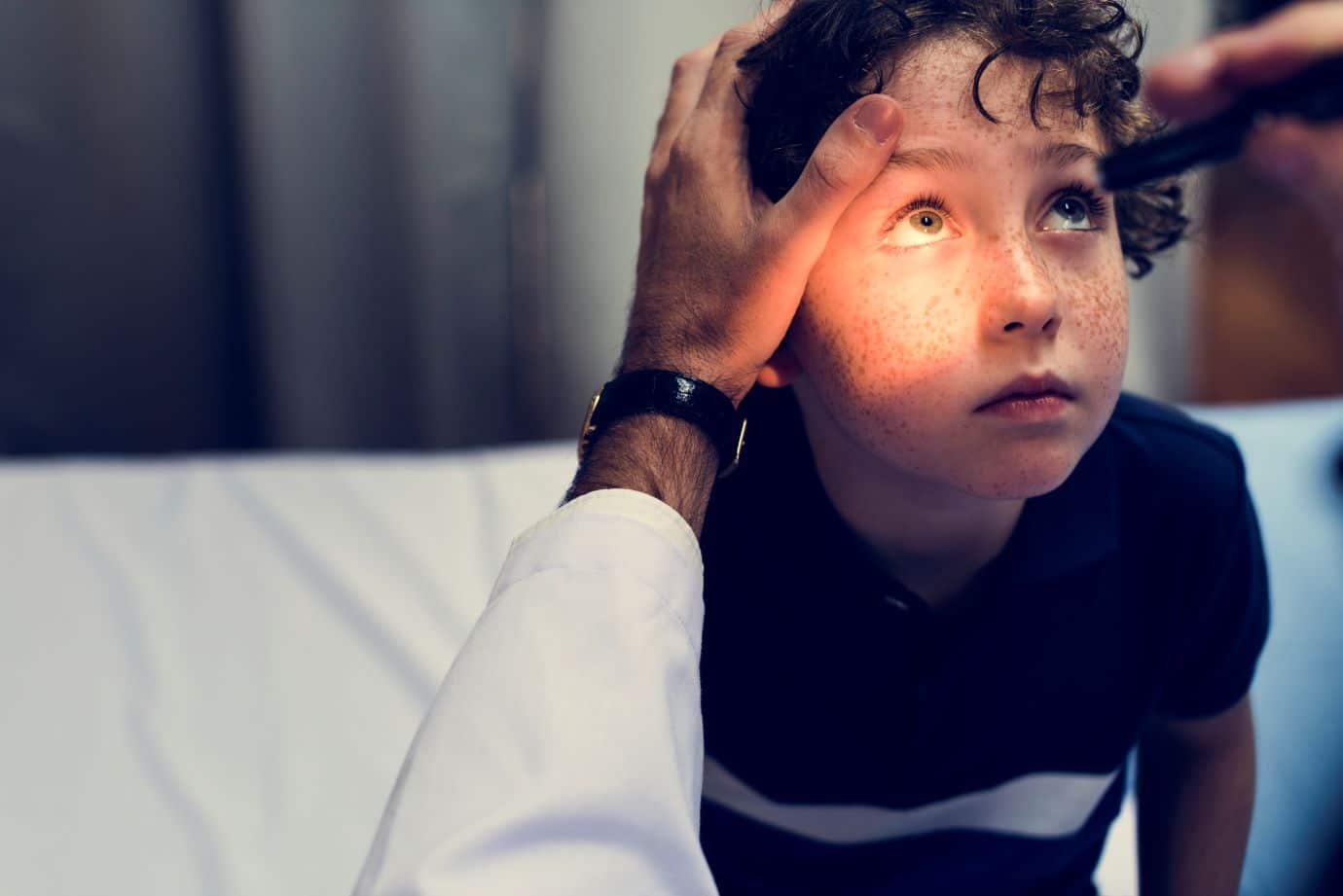
- One pupil larger than the other
- Slurred speech or unusual behaviour

Get Proper Medical Assessment
Professional medical evaluation is a crucial step in concussion care. For most mild concussions, visiting your GP within 24-48 hours is appropriate. However, if any of the red flags mentioned above are present, go to the emergency department straight away.
During your medical assessment, the doctor will likely:
- Ask about how the injury occurred
- Evaluate your symptoms
- Test memory, concentration, and recall
- Check balance and coordination
- Examine vision and reflexes
- Assess neurological function
They may recommend imaging tests like a CT scan, though many concussions don’t require these tests if symptoms are mild.
Questions to ask your healthcare provider:
- How severe do you consider this concussion?
- What specific activities should I avoid?
- When can I return to work/school/sport?
- What symptoms might indicate complications?
- When should I schedule a follow-up appointment?
The Critical First 24-48 Hours
Early concussion care is vital for recovery. During the initial day or two after a concussion, follow these guidelines:
DO:
- Rest physically and mentally, but complete bed rest is no longer recommended
- Have someone stay with you to monitor symptoms
- Sleep if you’re tired (waking every few hours is no longer advised)
- Take paracetamol for headache if approved by your doctor
DON’T:
- Drive a vehicle
- Use electronic screens
- Consume alcohol
- Take aspirin or ibuprofen (may increase bleeding risk)
- Make important decisions
Monitor for any worsening symptoms using a simple rating system:
- Rate each symptom from 0-10 throughout the day
- Note any new symptoms that develop
- Track sleep quality and duration
- Document any triggers that worsen symptoms
Managing Specific Symptoms
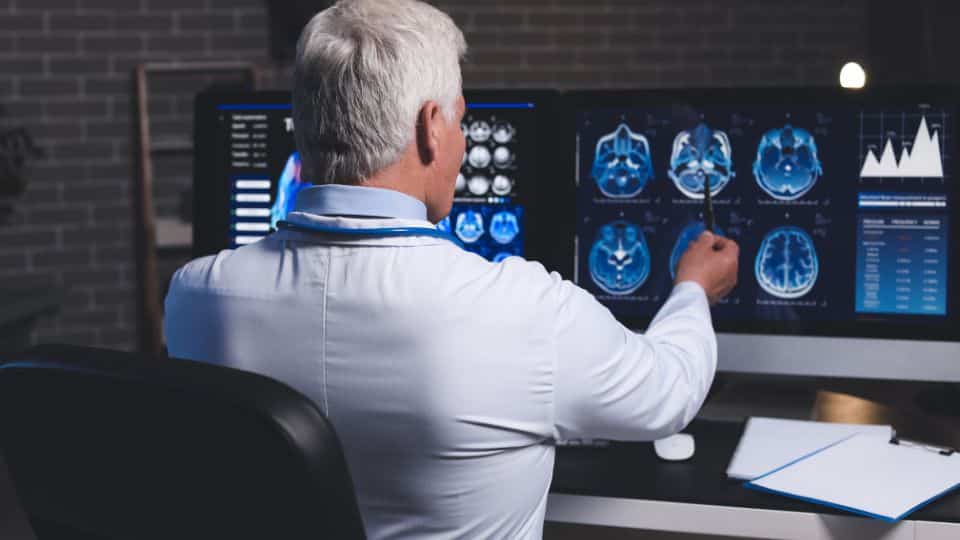
Targeted symptom management is an essential aspect of concussion care. Different symptoms require different management approaches:
For headaches, use paracetamol as directed by your healthcare provider, apply a cool cloth to the forehead or neck, and rest in a quiet, dimly lit room. Stay hydrated and try gentle neck stretches if approved by your doctor.
For dizziness and balance issues, move slowly when changing positions, avoid sudden head movements, use handrails on stairs, and consider sitting down when symptoms flare.
For cognitive symptoms (concentration, memory, thinking), break tasks into smaller steps, take frequent short breaks, write things down that you need to remember, reduce environmental distractions, and prioritise important tasks when you’re feeling most alert.
For emotional symptoms, understand that irritability and mood changes are part of the injury. Communicate your needs to friends and family, practice simple relaxation techniques like deep breathing, maintain a regular sleep schedule, and join a support group if emotional symptoms persist.
Gradual Return to Activity
A structured, gradual approach to resuming normal activities is a cornerstone of effective concussion care. Follow this step-by-step approach to returning to normal activities:
- Rest and minimal activity (24-48 hours)
- Light daily activities at home that don’t worsen symptoms
- Light activity (when symptoms begin to improve)
- Brief walks or 5-10 minutes of light stationary bike
- Simple cognitive tasks like reading for short periods
- Moderate activity (when light activity is tolerated)
- Longer walks or 15-20 minutes of exercise
- Increased cognitive work with breaks
- Half-days at school or work
- Regular activity (when moderate activity is well-tolerated)
- Regular daily activities that don’t cause symptoms
- Near-normal work or school schedule
- More challenging exercise without impact or risk of head injury
- Full return (when cleared by healthcare provider)
- Normal academic, work, and social activities
- Gradual return to sports following medical clearance
If symptoms return at any stage, go back to the previous level where you were symptom-free and try again more gradually.
Nutrition and Hydration Strategies

Nutritional support is often overlooked in concussion care, yet proper nutrition can support brain healing:
Brain-supporting foods to emphasise include oily fish rich in omega-3 fatty acids (salmon, sardines), colourful fruits and vegetables high in antioxidants, eggs containing choline for brain health, nuts and seeds with vitamin E and healthy fats, and lean proteins for tissue repair.
Hydration guidelines suggest aiming for approximately 2-3 litres of water daily. Carry a water bottle to remind yourself to drink regularly, monitor urine colour (pale yellow indicates good hydration), and consider electrolyte beverages if exercising or in hot weather.
Supplements with some evidence for concussion recovery (consult your doctor first):
- Omega-3 fatty acids
- Curcumin (turmeric extract)
- Vitamin D (especially if deficient)
Foods and substances to avoid:
- Alcohol (can worsen symptoms and slow recovery)
- Excessive caffeine
- Processed foods high in sugar and unhealthy fats
- Energy drinks
When Recovery Isn't Progressing
Sometimes concussion care needs to be adjusted when healing plateaus. Most people recover from mild concussions within 7-10 days, but some may experience lingering symptoms. Be alert for signs that recovery has stalled:
- Symptoms that don’t improve or worsen after 10-14 days
- New symptoms that develop weeks after the injury
- Significant impact on daily functioning despite following recovery protocols
- Sleep problems that persist despite good sleep hygiene
When to seek additional help:
- If symptoms last longer than 2-4 weeks
- If symptoms significantly interfere with daily life
- If you’ve had multiple concussions
- If you have pre-existing conditions like migraines or mood disorders
Specialists who may help with persistent symptoms:
- Neurologist
- Physiotherapist (especially vestibular therapists)
- Neuropsychologist
- Occupational therapist
- Sports medicine physician
Treatment options for ongoing symptoms may include:
- Targeted physical therapy for balance or neck issues
- Cognitive rehabilitation for thinking and memory problems
- Psychological support for emotional symptoms
- Medication for specific symptoms like headaches or sleep disturbance
Frequently Asked Questions
Can I sleep after a concussion or should someone wake me up?
Modern concussion care guidance no longer recommends waking someone with a concussion throughout the night. If you’ve been medically assessed and don’t have emergency warning signs, uninterrupted sleep is beneficial for recovery. The old practice of regular waking checks is unnecessary unless specifically advised by your doctor.
How long should I stay off screens after a concussion?
Effective concussion care includes managing screen time. Limit screen time for the first 48 hours, then gradually reintroduce while monitoring symptoms. Start with 5-10 minutes at a time using night mode. If screens trigger symptoms, scale back and try again more gradually. Some people may need reduced screen exposure for several weeks.
Can I drive with a concussion?
Responsible concussion care includes transportation safety. Don’t drive immediately after a concussion, as reaction times and concentration can be impaired. Most doctors recommend avoiding driving for at least 24-48 hours after a mild concussion. Before returning to driving, ensure you can concentrate fully, react quickly, and turn your head without symptoms. Always get medical clearance first.