

Sharon has 21+ years of experience as a qualified Emergency Care Nurse registered with the Australian Health Practitioner Regulation Agency (APHRA) and 12+ years as a First Aid Trainer.
She takes pride in FirstAidPro making first aid training available, comprehensive and affordable to everybody.
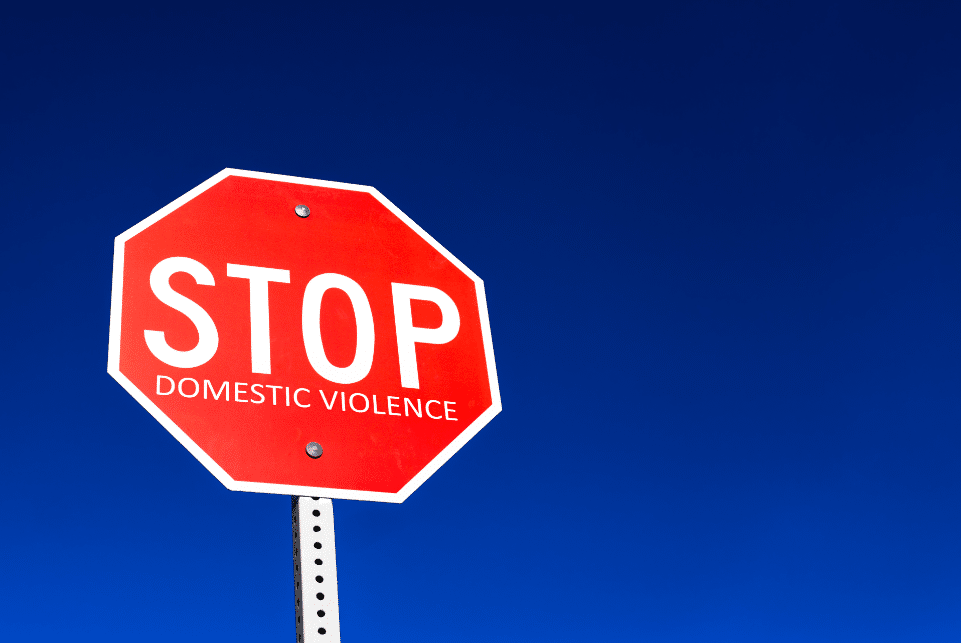
Domestic violence is a serious and scary situation for anyone involved. Victims can be anyone from children to males or females. However, it is most common for domestic violence victims to be female.
In Australia, figures reported in 2018 said that 1 in 6 women and 1 in 16 men have experienced domestic violence from a partner. 1 in 4 women and 1 in 6 men have experienced emotional abuse from a partner. These are shocking statistics in Australia, and with the Covid-19 pandemic, domestic violence is sadly increasing. COVID-19 has caused an increase in not only the number of domestic violence cases but the severity. There was a 67% increase in new clients for domestic violence support services and an 87% increase in controlling behaviour. It has never been more important to have support for domestic violence victims.
Combating domestic violence could not be harder for victims. However, there are many support services out there that can help people respond, combat and escape domestic violence. Being in a safe environment is of the utmost importance for domestic violence victims.
Domestic Violence Support Services
There are many support services for domestic violence victims. These support services are friendly and easy to access.
Women
- Call the 24-hour Domestic Violence Crisis Line on 1800 800 098 for crisis counselling, support and referral to safe accommodation.
- 1800RESPECT – phone 1800 737 732 for sexual assault, domestic and family violence counselling.
- Women’s Information Service – phone 8303 0590 for referrals to domestic violence services and for safety information.
- The bilingual-bicultural staff of Migrant Women’s Support Program (MWSP) work with migrant women and children of diverse cultural and linguistic backgrounds in unsafe relationships – phone 8152 9260 or contact@womenssafetyservices.com.au, Monday to Friday 8:30 am to 5:00 pm.
Pregnancy
Information about domestic violence and pregnancy and a list of support services available in South Australia – Women’s and Children’s Health Network.
Sexual assault
- Yarrow Place – phone 8226 8777 or toll-free 1800 817 421 (after hours 8226 8787) for services for rape and sexual assault victims.
- 1800RESPECT – phone 1800 737 732 for sexual assault, domestic and family violence counselling.
Men
- MensLine Australia – phone 1300 78 99 78 to manage conflict and anger, relationship issues and violence in the home.
- 1800RESPECT – phone 1800 737 732 for sexual assault, domestic and family violence counselling.
- Men’s Referral Service – phone 1300 766 491 – works with men who use family violence and the sector that supports them to change their abusive and violent behaviour.
Teenagers
- Kids Helpline – phone 1800 55 1800 for a free and confidential counselling service for young people from 5-25
- The Line – information about healthy relationships.
- Services, support lines and resources for teens – Women’s and Children’s Health Network.
Domestic Violence Signs
Domestic violence can be in many forms, whether it is physical, sexual assault or even emotional abuse. Some of the warning signs listed below will help you identify if someone is a victim of domestic violence. If you are not sure that someone is being abused, then discuss the situation with a helpline, and they will be able to provide amazing resources and help.
Physical Signs:
- Black eye/s
- Busted lip
- Red or Purple marks on the neck
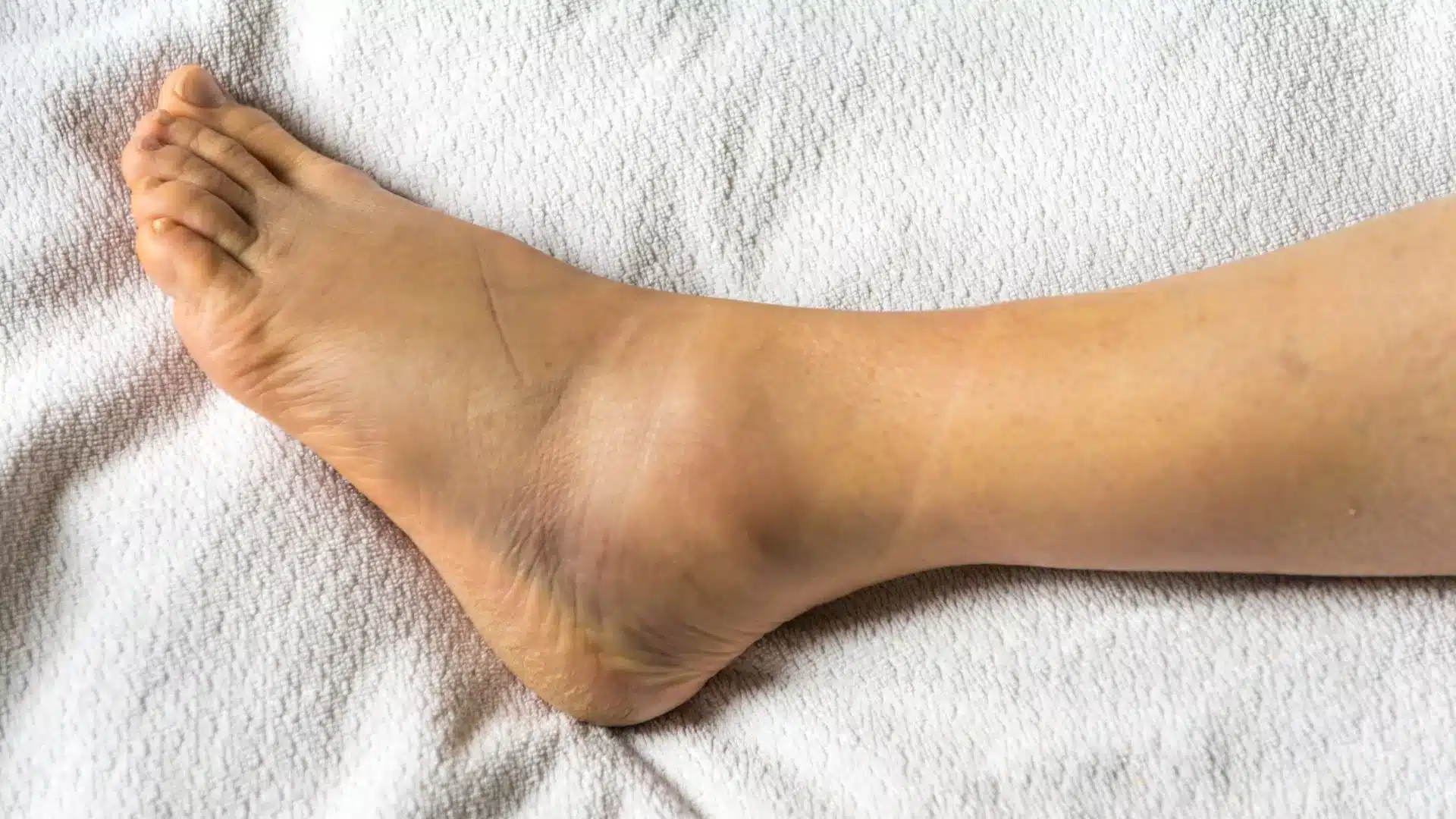
- Sprained wrists
- Bruises on the arms or other parts of the body
Emotional Signs
- Fearful
- Low self-esteem
- Meek or overly apologetic
- Trouble sleeping or eating
- Anxious
- Substance abuse
- Symptoms of Depression
- Loss/Lack of interest in previously enjoyed activities and hobbies
- Suicidal thoughts
Behavioural Signs
- Withdrawn or distant
- Excessive privacy concerns
- Self-isolation (not just because of the pandemic)
- Loss of communication
- Cancelling appointments or meetings at the last minute
If you know anyone experiencing these signs, you must organise some help for these people. Help can be in many forms, from the police, support workers or helpline services. The quicker help is given, the less damage that is done.
If you are a first responder at a domestic violence scene or you know someone, be it a family, friend, or neighbour who is experiencing abuse, you can benefit from a First Aid Training course when trying to provide help.
Responding And Preventing Domestic Violence
Preventing and Responding to domestic violence can be scary and difficult for not only victims but those helping victims. However, it is necessary to prevent domestic violence in all possible forms to reduce violence, mental health trauma and physical trauma. Combined with the support services, we believe the DRSABCD method is a good method to provide first aid help, not just for domestic violence victims but for anyone that needs medical attention.
Responding
The DRSABCD is a First Aid Mnemonic often used in executing an action plan on how to respond in a medical emergency. It stands for:
Danger
- Make sure the area is safe for everyone.
Response
- Check for a response from the victim. See if the victim is conscious by asking their name or squeezing their shoulders
Send
- Send for help and dial triple zero
Airway
- Make sure the victim’s airway is unobstructed, and they can breathe. If not, tilt the victims head back and clear the airway
Breathing
- Check for breathing: look, listen and feel the victim’s breathing patterns. Perform CPR if the person is not breathing
CPR
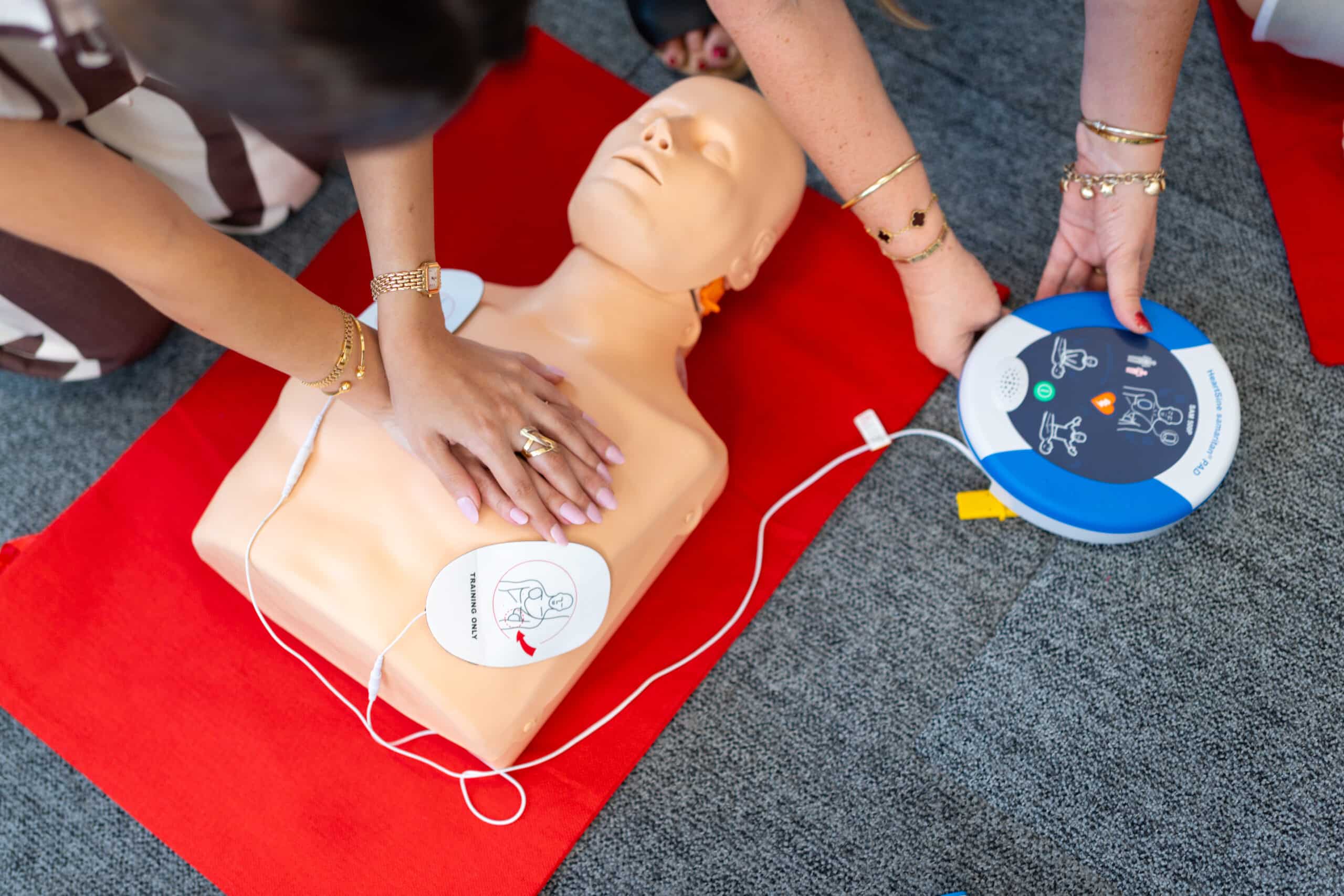
- Cardiopulmonary resuscitation or CPR should be applied if the victim is not breathing or having breathing difficulties. Start CPR by doing 30 compressions followed by two breaths. Continue CPR until the ambulance arrives.
Defibrillation
- If there is no heartbeat, Apply a defibrillator (AED) if available
Whilst this method only helps in providing first aid for victims. It can be vital and life-saving.
Prevention
There is no clear way to prevent domestic violence. Domestic violence can range in severity and, in all forms, affects the victims badly. Using the helpline services provided will point you in a direction and provide you with great resources for combating domestic violence. Whether you are the victim or you know someone who is. The best bet is to call any of these services for help.
Do A First Aid Course!
A first aid course is a great way to help out yourself and those you care for. One of our CPR and First Aid courses is perfect for teaching you all about first aid care and response.
It’ll teach you everything you need to know to keep loved ones safe and prepare you for any emergency situation!