


Personal protective equipment (PPE), safety gear, and first aid kits are essential tools to protect workers, meet legal obligations, and respond effectively to injuries and health emergencies in the workplace. This guide explains what PPE is, how to assess first aid needs, and why maintaining a fully stocked first aid kit can mean the difference in promoting positive emergency outcomes.
Take action now: Enrol in a nationally recognised first aid course with First Aid Pro to meet WHS requirements and equip your staff with life-saving skills.
Key Takeaways
- PPE is essential to protect against workplace hazards and must meet Australian Standards.
- Every workplace must conduct a first aid risk assessment and provide suitable kits and trained responders.
- First aid rooms are required for larger or high-risk workplaces.
- Workers must be trained to use PPE and administer first aid.
- First Aid Pro offers nationally recognised training to help you meet your workplace safety obligations.
What Is PPE and Why It Matters
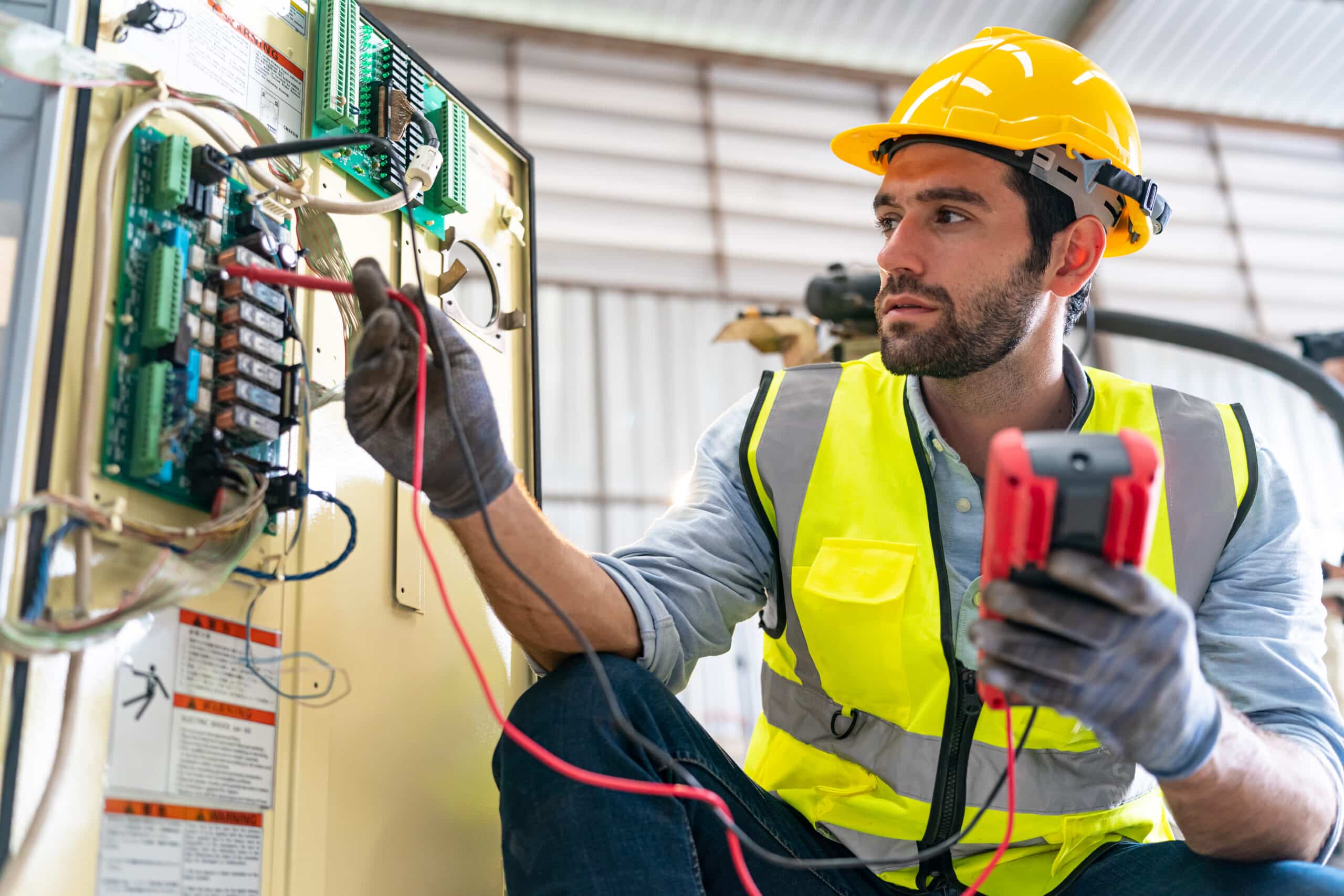
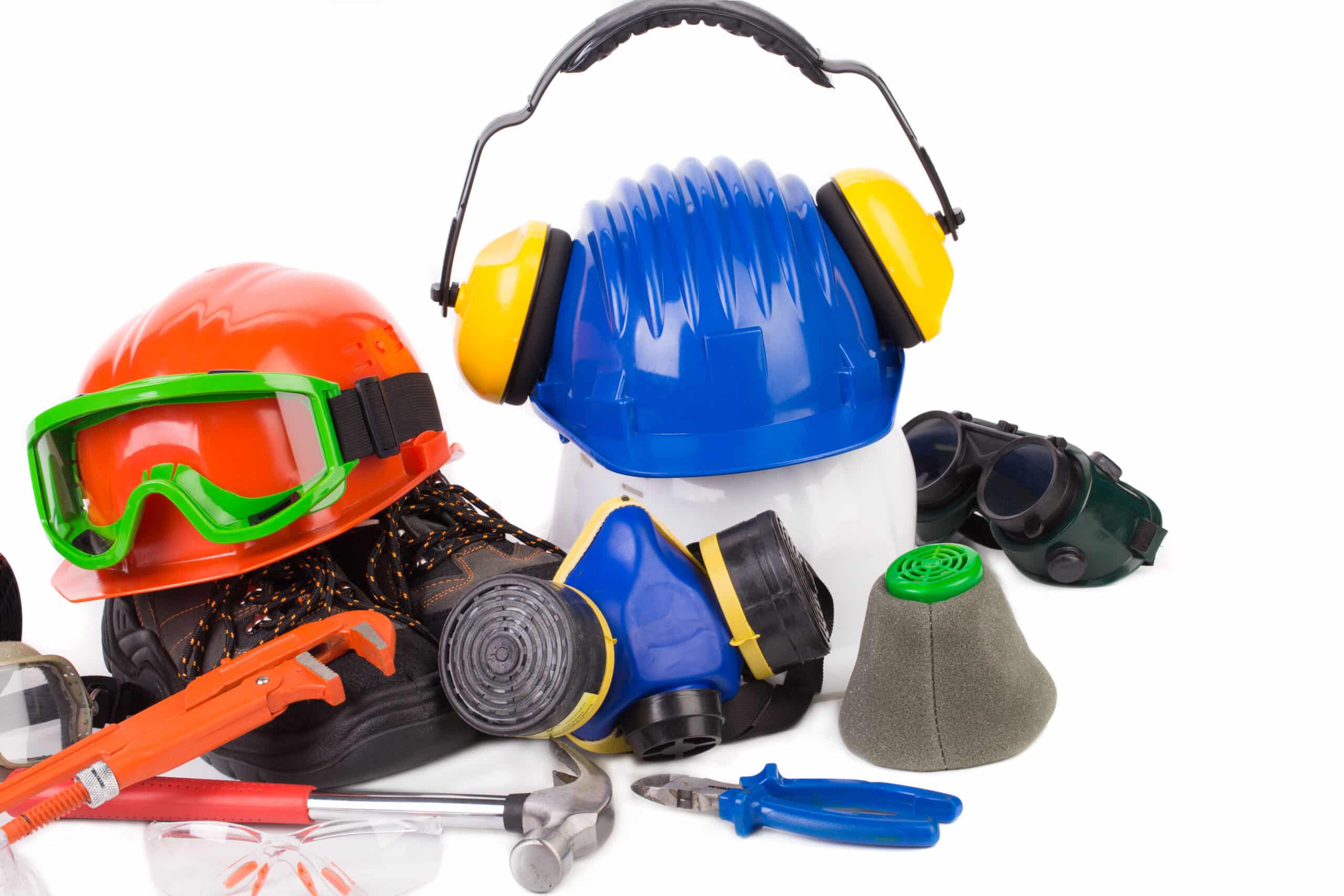
Personal protective equipment (PPE) is any clothing or gear—like gloves, safety glasses, hard hats, respirators, or high-visibility clothing—worn to protect workers from hazards such as chemicals, biological agents, physical injury, or airborne particles. PPE matters because it serves as the last line of defense against workplace injuries and illnesses when other safety controls cannot fully eliminate risks, helping to prevent accidents, reduce exposure to harmful substances, and keep workers safe and healthy on the job.
Main types of hazards PPE can protect against in workplaces
Workplace Hazards and PPE Protection
| Hazard Type | Description | PPE Examples |
|---|---|---|
| Physical Hazards | Injury from falling or flying objects, cuts, abrasions, impacts, or working at heights | Hard hats, safety boots, gloves, harnesses |
| Chemical Hazards | Exposure to hazardous liquids, vapours, or dusts through skin contact, inhalation, or eye injury | Protective clothing, gloves, goggles, respirators |
| Biological Hazards | Infectious agents such as bacteria, viruses, and other pathogens | Gloves, masks, disposable gowns, face shields, respirators |
| Radiological Hazards | Exposure to ionising or non-ionising radiation | Lead aprons, specialised goggles, full-body suits |
| Electrical Hazards | Risk of electric shock, burns, or arc flash | Insulated gloves, dielectric boots, flame-resistant clothing |
| Mechanical Hazards | Injuries from moving parts, sharp objects, or crushing forces | Cut-resistant gloves, safety shoes, guards |
| Noise Hazards | Hearing damage from loud environments | Ear plugs, ear muffs |
| Environmental Hazards | Sun, heat, or cold stress | Sunscreen, thermal or cooling clothing, hats, high-visibility vests |
Legal requirements for PPE provision and training in workplaces
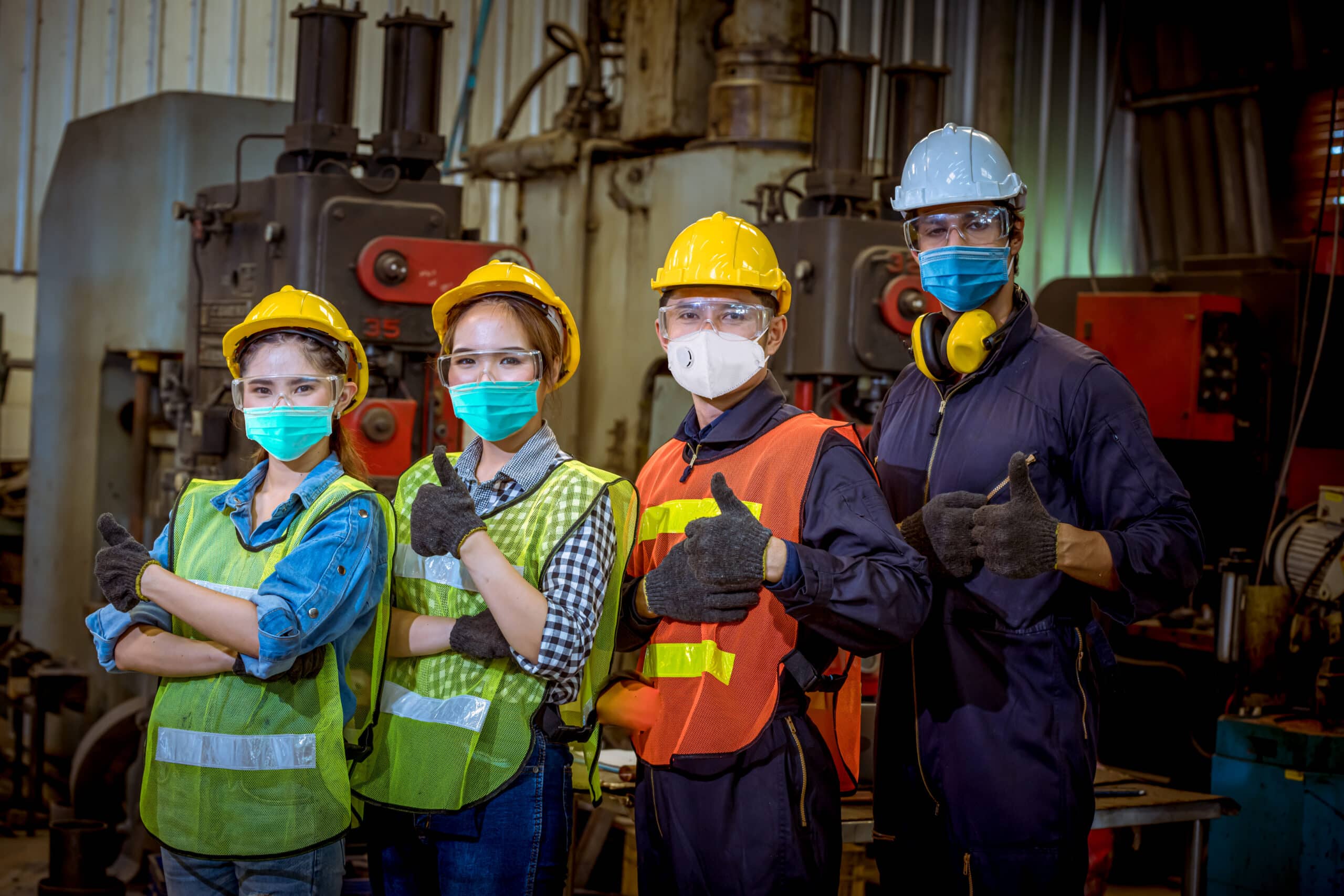
Under Australian workplace law, employers (or Persons Conducting a Business or Undertaking, PCBUs) are legally required to provide all necessary personal protective equipment (PPE) to workers at no cost, and must ensure it fits properly, is comfortable, and is suitable for the specific job and hazards present. Employers are also legally obligated to consult with workers in choosing PPE, provide comprehensive information and training on its correct use, maintenance, and storage, and regularly review its effectiveness.
Workers must use PPE as trained and instructed, not misuse or damage it, and report any defects or discomfort, while visitors to workplaces must also comply with PPE requirements. Provision, training, and the cost of PPE are never to be shifted to the worker, and all legal requirements are outlined in the Model Work Health and Safety (WHS) Regulations and supporting Australian Standards.
First Aid in the Workplace: Essential Legal Requirements
Australian law requires all employers to provide adequate first aid in the workplace. This includes ensuring there is at least one well-stocked and accessible first aid kit, suitable first aid facilities if needed, and an adequate number of trained first aiders at all times—covering all shifts and locations, including remote or mobile work.
A formal risk assessment must be carried out to determine the exact first aid needs, considering factors like the workplace’s hazards, size, location, and the number and nature of people present (workers, contractors, visitors). Workplaces must consult with staff during this assessment and review their first aid provisions regularly.
Basic Legal Requirements for Workplace First Aid
| Requirement Category | Legal Details |
|---|---|
| First Aid Kits | At least one first aid kit for every workplace, with kits checked and maintained regularly and located where all can access them quickly. |
| Trained First Aiders | Sufficient trained first aiders: one for every 50 workers in low-risk environments, one for every 25 workers in high-risk workplaces, and one for every 10 workers in remote high-risk workplaces. |
| First Aid Facilities | Access to first aid facilities and, for large workplaces, first aid rooms as recommended by regulations. |
| Training Requirements | First aid training must be current and nationally recognised. Refresher training should be done regularly. |
| Employer Responsibilities | Employers must make first aid provisions at no cost to workers and ensure equipment is accessible even during overtime or night shifts. |
These requirements are set out in the Work Health and Safety (WHS) Act and Regulations, and detailed in the Safe Work Australia Code of Practice for First Aid in the Workplace.
Stay compliant: Book a nationally recognised first aid training course with First Aid Pro and meet your WHS obligations.

Conducting a First Aid Risk Assessment
Before deciding on first aid equipment and facilities, employers should conduct a first aid risk assessment. This will help determine:
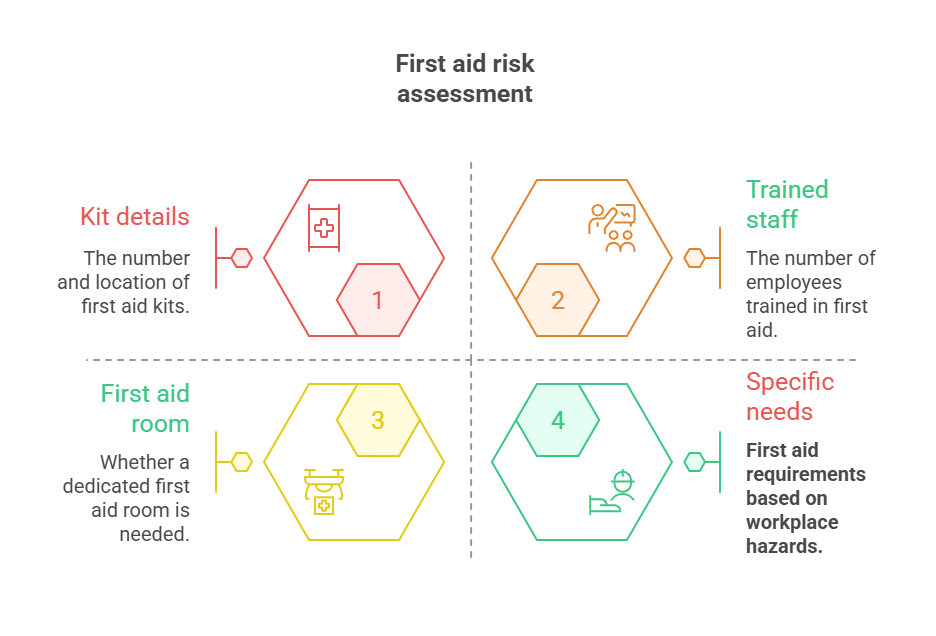
Workplace Type | Minimum Requirements |
Low-Risk (e.g. Office) | 1 first aid kit, 1 trained first aider per 50 workers |
High-Risk (e.g. Construction) | Multiple kits, dedicated first aid room, and regular refresher training |
First Aid Kit Essentials For Workplaces
Basic Workplace First Aid Kit Contents (Australia)
| Item | Specifications & Notes |
|---|---|
| DOCUMENTATION & EMERGENCY | |
| Instructions for First Aid | Including a CPR flow chart |
| Notepad and Pen | For recording incident details and vital information |
| Resuscitation Face Mask | Face mask or face shield for safe resuscitation |
| PERSONAL PROTECTION | |
| Disposable Examination Gloves | Nitrile (latex-free) for safety and allergy prevention |
| WOUND CARE & CLEANING | |
| Sterile Gauze Pieces | With wound cleaning wipes |
| Saline Solution | For wound and eye cleaning |
| Antiseptic | Liquid or spray for wound disinfection |
| DRESSINGS & BANDAGES | |
| Adhesive Dressing Strips | Assorted sizes for minor cuts and scrapes |
| Non-adherent Wound Dressings | Small, medium, large sizes available |
| Conforming Cotton Bandages | And a crepe bandage in varied widths |
| Wound Dressings (BPC) | Medium (No. 14) and large (No. 15) British Pharmacopoeia standards |
| Combine Dressing Pad | For large wounds requiring substantial coverage |
| Triangular Bandages | Minimum 90cm width for slings and support |
| TOOLS & ACCESSORIES | |
| Splinter Probes and Tweezers | For foreign object removal |
| Hypoallergenic Adhesive Tape | Roll format for securing dressings |
| Safety Pins | For securing bandages and slings |
| Clip-seal Plastic Bags | For contaminated waste and storage |
| Single-use Eye Pads | For eye injury protection |
| Scissors | For cutting tape, bandages, and clothing |
| EMERGENCY TREATMENT | |
| Emergency Rescue Blanket | For shock or hypothermia treatment |
| Instant Cold/Ice Pack | For soft tissue injuries and swelling reduction |
| Clean Running Water Access | 20 minutes of clean running water or hydrogel sachets for burns |
Workplaces should tailor the kit contents based on the specific risks and needs identified in a workplace risk assessment. Medications such as paracetamol are generally not included due to potential adverse effects and legal restrictions. Special items (e.g., asthma inhalers, epinephrine auto-injectors) may be added if required and if personnel are trained to use them
Kits must be kept dust-free and protected from moisture and contamination, and should be large enough to contain all necessary items. A worker should be nominated to maintain the first aid kit, checking for expiry dates and restocking after use.
First Aid Rooms and Trained First Aiders
When Is a First Aid Room Required?
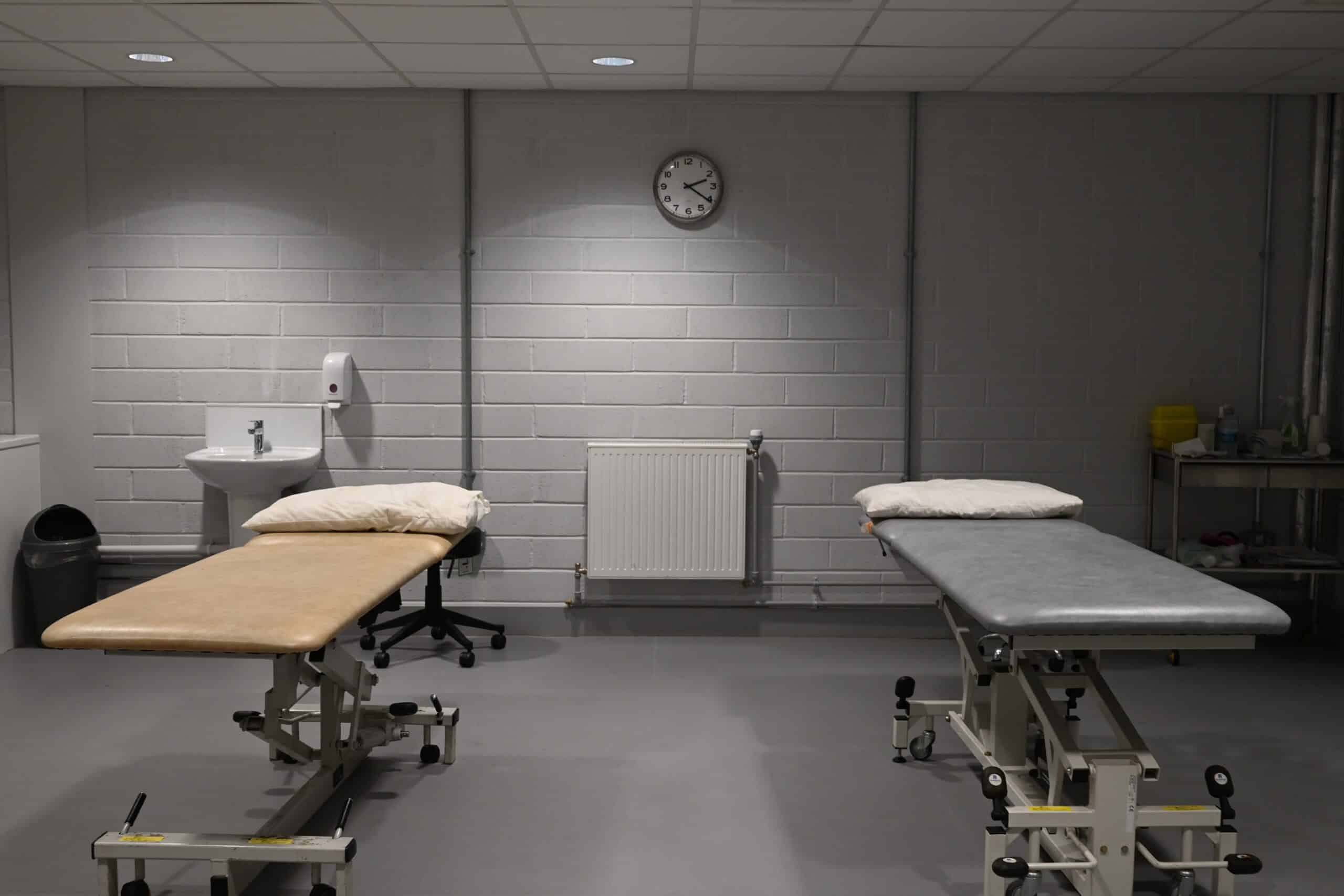
In Australia, a first aid room is recommended when a workplace is of substantial size or presents significant health and safety risks. Specifically, a first aid room should be provided in:
- Low-risk workplaces with 200 workers or more, such as offices or retail environments.
- High-risk workplaces with 100 workers or more, including factories, construction sites, or workplaces where the likelihood of serious injuries or illness is higher.
A risk assessment may also determine a first aid room is needed in smaller workplaces if providing adequate first aid without a designated room would be difficult, or if specific hazards require such facilities. The first aid room should be well-equipped, accessible, and maintained by a trained first aider.
A compliant first aid room should:
- Be located close to hazardous areas
- Be clearly marked and large enough for treatment
- Include a bed, sink, first aid kit, and emergency contact list
When Is a First Aid Room Required?
In Australia, a first aid room is recommended when a workplace is of substantial size or presents significant health and safety risks. Specifically, a first aid room should be provided in:
- Low-risk workplaces with 200 workers or more, such as offices or retail environments.
- High-risk workplaces with 100 workers or more, including factories, construction sites, or workplaces where the likelihood of serious injuries or illness is higher.
A risk assessment may also determine a first aid room is needed in smaller workplaces if providing adequate first aid without a designated room would be difficult, or if specific hazards require such facilities. The first aid room should be well-equipped, accessible, and maintained by a trained first aider.
A compliant first aid room should:
- Be located close to hazardous areas
- Be clearly marked and large enough for treatment
- Include a bed, sink, first aid kit, and emergency contact list
Who Can Be a Trained First Aider?
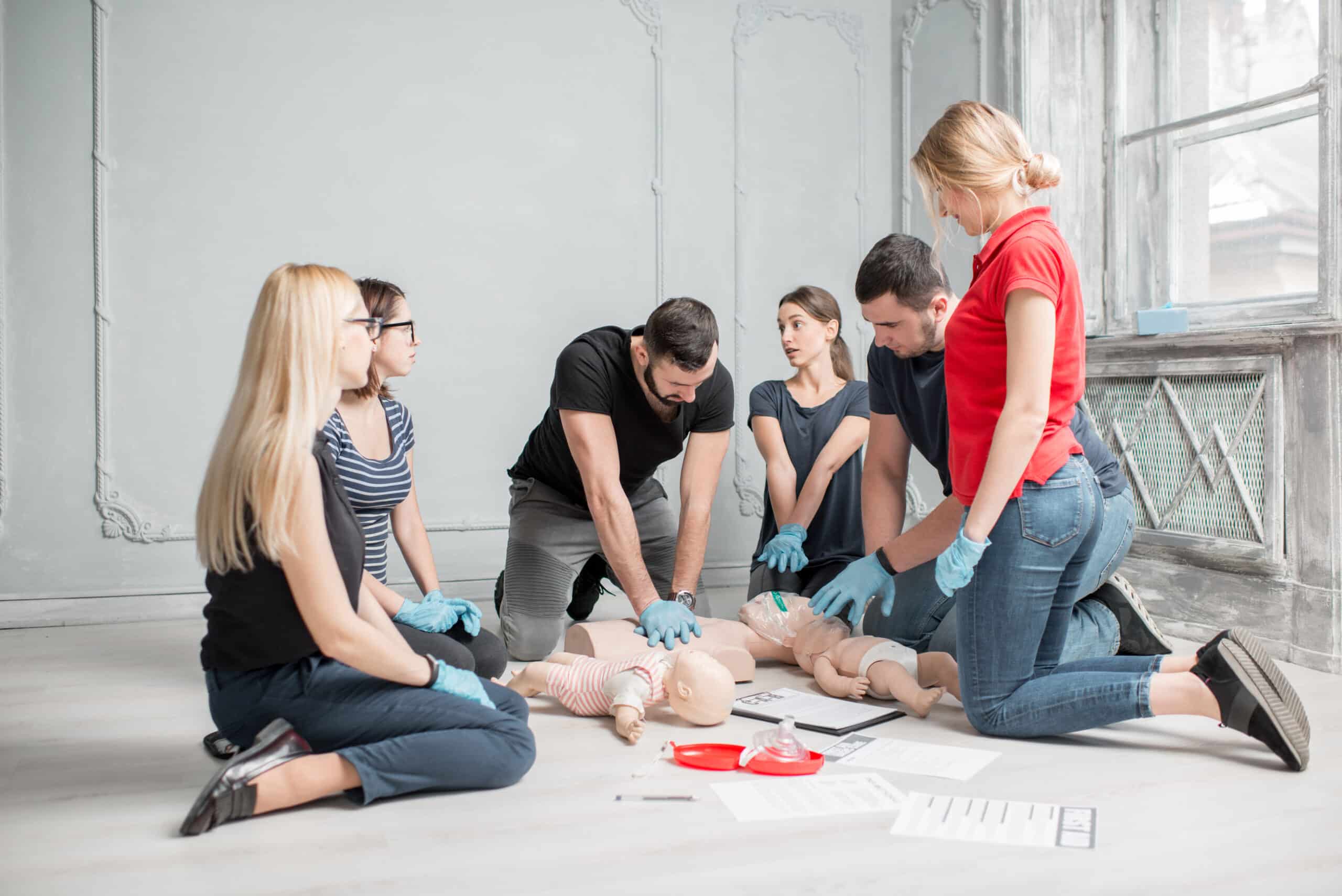
A qualified first aider must complete recognised training, such as: HLTAID011 – Provide First Aid or HLTAID012 provide first aid in an education and care setting which also includes HLTAID009 – Provide Cardiopulmonary Resuscitation (CPR).
Workers should receive refresher training every 3 years for first aid and annually for CPR.
How PPE and First Aid Work Together
While PPE helps reduce the risk of injury, accidents can still happen. In these situations, a well-equipped first aid kit and trained responders can reduce the severity of an injury and prevent long-term harm.
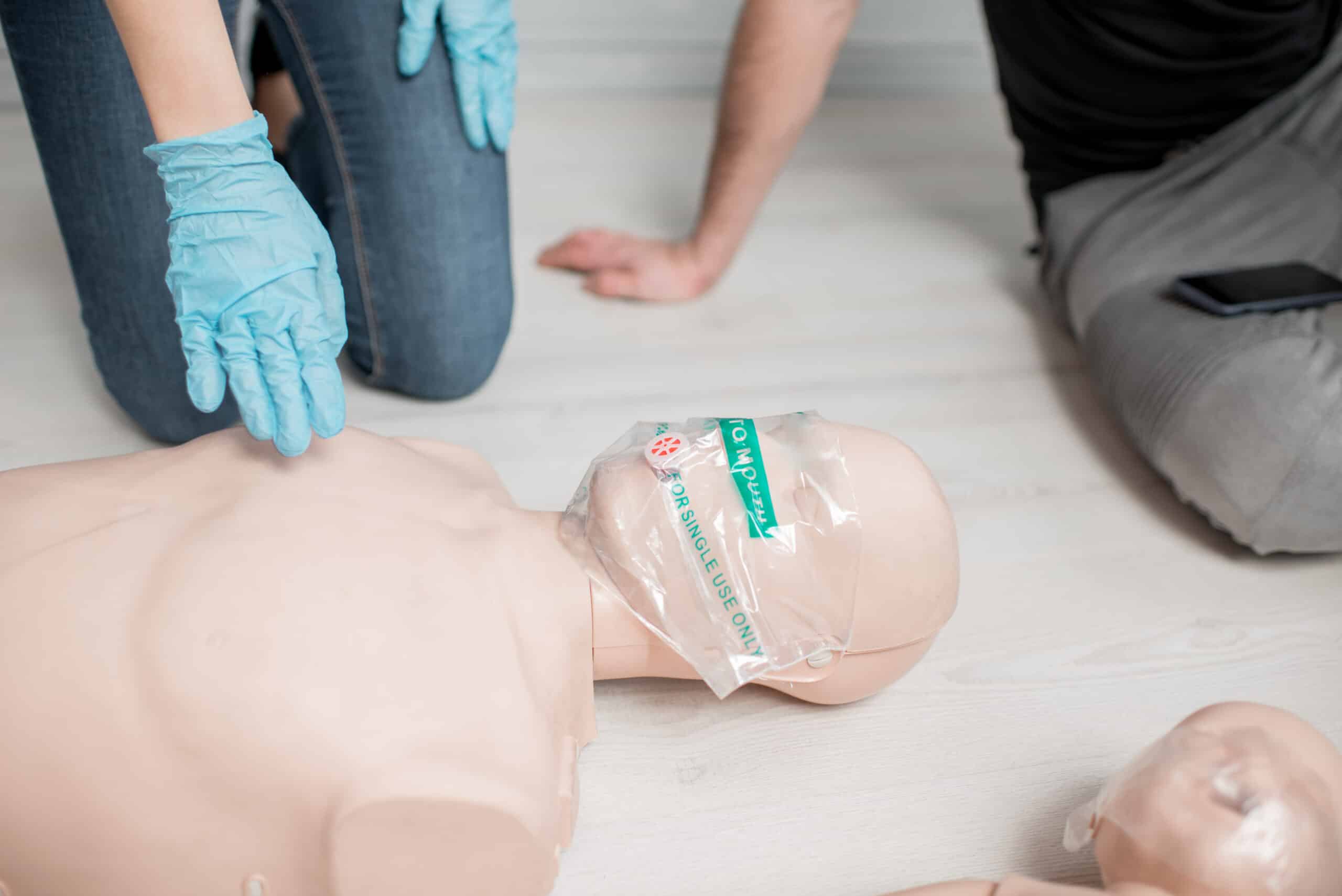
PPE (personal protective equipment) and first aid work together by ensuring both the safety of the first aider and the casualty during an emergency response. When providing first aid, PPE such as disposable gloves, masks, eye protection, and sometimes gowns or aprons act as a barrier against blood, bodily fluids, and infectious diseases, significantly reducing the risk of cross-contamination and infection.
Wearing PPE is now considered a standard part of first aid practice in workplaces, especially where contact with body fluids or hazardous substances is possible. By using PPE, first aiders can confidently give care—such as stopping bleeding, treating wounds, or performing CPR—while protecting themselves from potential harm, and maintaining hygiene for everyone involved. Employers must supply appropriate PPE and provide training on its correct use and disposal to all designated first aiders as part of comprehensive workplace safety and first aid planning.
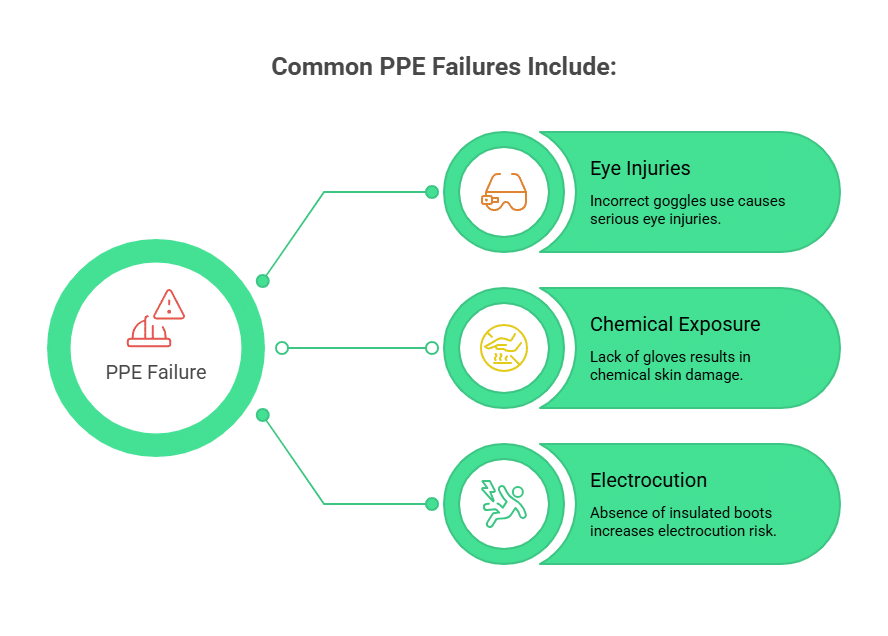
Don’t wait until an emergency happens: Enrol with First Aid Pro and get trained in both basic first aid and PPE for construction sites.
Knowledge Test Quiz
Test your workplace safety and first aid knowledge
References
- Safe Work Australia – Model Code of Practice: First Aid in the Workplace
- Standards Australia
- Department of Employment and Workplace Relations: Work Health and Safety