



Sharon has 21+ years of experience as a qualified Emergency Care Nurse registered with the Australian Health Practitioner Regulation Agency (APHRA) and 12+ years as a First Aid Trainer.
She takes pride in FirstAidPro making first aid training available, comprehensive and affordable to everybody.
Mastering the correct technique for tourniquet application can be a critical life-saving skill. Tourniquets, which are straps secured around a limb, play a vital role in halting or reducing blood flow in situations of unmanageable bleeding caused by severe injuries such as gunshot wounds, stabbings, or accidents involving heavy machinery.
By completing a first aid course with First Aid Pro, you’ll gain the expertise and confidence to apply saving techniques effectively. Whether you’re faced with an urban emergency or find yourself in remote locations, our courses cater to all scenarios, including specialised first aid in remote areas. Don’t wait until it’s too late; seize the opportunity to equip yourself with the skills that could make all the difference in a life-or-death situation. Sign up now and take the first step towards becoming an invaluable first aid responder in any emergency.
While the ideal scenario involves tourniquets being administered by trained first responders, there are circumstances where immediate action is necessary. In such instances, understanding the correct method and timing for tourniquet use can mean the difference between survival and fatality.
This article provides comprehensive guidance on the appropriate scenarios for tourniquet use, as well as detailed instructions on how to effectively apply this crucial first aid tool.
When to Apply a Tourniquet: Guidelines and Limitations
Tourniquets should be considered when all other bleeding control methods are unsuccessful. This includes attempting to stop the bleeding by elevating the affected limb above heart level and applying direct pressure to the wound for 15 minutes to facilitate clot formation. If these techniques fail, employing a tourniquet might be the final option.
The primary purpose of a tourniquet is to constrict blood flow to an injured limb, thereby preventing critical blood loss. It is a temporary solution designed to provide crucial time until emergency medical assistance arrives.
Deciding to use a tourniquet must be a swift decision. However, it’s crucial to understand that a tourniquet is not a first-line treatment for bleeding but rather a last-ditch effort when bleeding is uncontrollable and poses a significant risk of death.
Situations where a tourniquet might be necessary include:
-
Major injuries from car accidents, such as crush or blunt force trauma.
-
Gunshot injuries.
-
Severe cuts or lacerations, including those from stabbings.
-
Injuries involving crushed or severed limbs.
In contrast, tourniquets are not suitable for injuries to the head or torso. Injuries in these areas require direct pressure using a cloth to halt or control bleeding until emergency responders arrive.
Types of Tourniquets and Necessary Components
Emergency medical professionals typically have access to commercially manufactured tourniquets including a pre-made tourniquet cuff and would measure the limb occlusion pressure. However, in an emergency situation as a bystander, you might find yourself needing to fashion an impromptu tourniquet to stem life threatening blood flow.
Commonly, commercial tourniquets are not included in a standard home first aid kit due to the risk of incorrect usage. Nevertheless, it is possible to acquire commercial tourniquets, such as the traditional windlass style, ratchet style, or dial-tightening types.
Studies indicate that makeshift tourniquets have a success rate of around 60%. While this figure may not seem overly reassuring, in a critical situation, these odds can justify their use over doing nothing.
Creating an improvised tourniquet involves two key components:
-
A Bandage: This can be any strong and somewhat flexible material that’s at least 2 to 3 inches wide and long enough to wrap around the limb with overlap. Suitable materials include a bandage, a strip of fabric, or even a T-shirt. The material should be durable and not too slippery or elastic.
-
A Windlass: This is a rod-like tool used for tightening the tourniquet. It must be robust enough to withstand twisting without breaking. Suitable items include a sturdy stick, chopsticks, a screwdriver, or the handle of a thick spoon.
Step-by-Step Guide to Tourniquet Application
Applying a tourniquet in an emergency doesn’t require specialised medical training, but it is crucial to understand the correct procedure.
In any emergency, the initial step should always be to contact emergency services. If you’re not alone, ask someone else to dial 000 while you prepare to administer aid.
Before administering first aid, it’s advisable to practice general precautions to reduce your risk of exposure to blood. This includes using personal protective equipment, such as gloves and masks, if they are available.
1. Identify the Bleeding Source
Encourage the injured individual to lie down if they can. This position will aid you in swiftly pinpointing the precise location of the bleeding.
If possible, it is advisable to connect with emergency services, and to have them on speakerphone. This allows you to update them on your actions and receive guidance for each step of the process.
2. Initiate Pressure Application
Upon locating the bleeding’s origin, exert direct pressure on the wound. Should the bleeding persist without considerable reduction or cessation after 15 minutes of continuous pressure, it becomes necessary to procure or create a tourniquet.
If the injured person is conscious and aware, inform them of your actions. It’s important for them to understand that while applying a tourniquet can be intensely painful, it is a critical measure to preserve their limb or life.
3. Tourniquet Placement
To properly apply a tourniquet, it must be placed directly on the skin. This may necessitate cutting, tearing, or removing any clothing around the wound area.
Then, position the tourniquet a few inches proximal to the injury, closer to the heart. For instance, if the injury is below the elbow, the tourniquet should be placed above the elbow. Avoid positioning the tourniquet over a joint, as this can lead to permanent damage to nerves, joints, or blood vessels.
Fasten the tourniquet around the limb using a standard square knot. This involves tying the material in the same manner as lacing a shoe, but without forming a bow.
4. Incorporate a Windlass
Proceed by selecting your windlass item. Place this on top of the square knot already tied, then use the tourniquet’s loose ends to secure it in place with another square knot.
5. Secure the Tourniquet
Begin tightening the tourniquet by rotating the windlass. Observe the bleeding closely and note when it begins to diminish. Continue twisting the windlass until the bleeding ceases or is substantially lessened.
Once the bleeding is adequately controlled, fasten the windlass in place by tying one or both of its ends to the limb of the injured person.
6. Monitor the Time
It’s critical to remember that tourniquets should not remain in place for more than two hours.
Record the exact time you applied the tourniquet. You can mark this by writing a “T” along with the date and time on the individual’s forehead or another visible area. This information will be invaluable for emergency personnel upon their arrival.
Avoid Removing the Tourniquet
Only a medical professional in an emergency medical setting should loosen or remove a tourniquet. This task should not be undertaken by anyone else.
Managing Persistent Bleeding
In the event that bleeding continues despite the application of a tourniquet, attempt to tighten it further to see if this halts the bleeding.
Should this prove ineffective, consider applying a second tourniquet directly below the first.
It’s important not to remove the initial tourniquet if it seems unsuccessful. Rather, position the second tourniquet, adhering to steps 3 through 6, until the bleeding ceases.
Avoiding Common Tourniquet Errors
Even those familiar with tourniquet use can make errors. Awareness of these errors can help in preventing them.
Frequent mistakes include:
-
Delayed Action: Prompt recognition of the need for a tourniquet is crucial. Delay can lead to excessive blood loss, resulting in shock. This is a critical condition where reduced blood volume and pressure can cause organ failure and potentially death.
-
Inadequate Tourniquet Pressure or Tightness: A loosely applied tourniquet fails to adequately stem blood flow. This issue often arises from using material that is too elastic or slippery.
-
Not Using a Second Tourniquet: Be aware that in some cases, especially with larger individuals or limbs, a second tourniquet may be necessary.
-
Loosening the Tourniquet: Altering the tightness of a tourniquet can cause a surge of blood back to the wound, potentially damaging blood vessels. It’s essential to prepare the injured person for the pain associated with tourniquet application until emergency help arrives.
-
Excessive Duration: Leaving a tourniquet on for more than two hours can lead to irreversible harm to muscles, nerves, and blood vessels.
In Summary
In conclusion, understanding and correctly applying tourniquet first aid can be the pivotal factor in saving lives in emergencies. From severe limb trauma in car accidents to dangerous outdoor injuries, the knowledge of tourniquet use is indispensable. However, it’s equally important to be aware of the potential errors that can occur during its application and to stay informed about best practices.
To further enhance your emergency response skills and knowledge, I encourage you to read more informative articles by First Aid Pro. These resources provide invaluable insights and tips, equipping you with the expertise to handle various emergency situations confidently. For example for those who love exploring the great outdoors, being prepared for any situation, including bushwalking injuries, is essential. And in Australia, where encountering a snake is not uncommon, knowing how to handle a snake bite can make all the difference.
Remember, in emergencies, every second counts. Equip yourself with the knowledge and skills to make a difference. Stay safe and be prepared.
Frequently Asked Questions
What is a tourniquet and when should it be used?
A tourniquet is a device used to apply pressure to a limb or extremity to limit the flow of blood. It should be used in severe bleeding situations, such as from gunshot wounds, stabbings, or heavy machinery accidents, where other methods like direct pressure have failed.
Can anyone apply a tourniquet, or do you need special training?
Anyone can apply a tourniquet in an emergency, but it’s important to know the correct method. While specialised medical training is beneficial, basic knowledge and prompt action can be life-saving.
How do you properly apply a tourniquet?
Place the tourniquet a few inches above the wound, closer to the heart, and avoid placing it over joints. Secure it tightly using a windlass to twist and tighten until the bleeding stops or significantly reduces. Always note the time of application.
What materials can be used for an improvised tourniquet?
In emergencies, you can use a bandage, strip of cloth, or even a T-shirt as the band. For the windlass, use a sturdy item like a stick, chopsticks, or a screwdriver.
Is it safe to use a tourniquet on all types of injuries?
Tourniquets are suitable for limb injuries only and should not be used on head, neck, or torso injuries. In these cases, direct pressure with a cloth is the recommended method.
What are the risks of applying a tourniquet?
Incorrect application can lead to further injury. Risks include nerve damage, tissue damage, and, if left on too long, potential loss of the limb. A tourniquet should not be left on for more than two hours.
What should I do after applying a tourniquet?
Always call emergency services first. After applying a tourniquet, monitor the injured person and the bleeding. Do not loosen or remove the tourniquet until medical help arrives. Note the time of application and communicate this to the emergency responders.
What are the Different Kinds of Tourniquets?
Tourniquets find their use in two primary contexts. In medical and surgical settings, surgical tourniquets are employed to restrict blood flow to a limb. This reduction in blood flow aids surgeons by providing clearer visibility, as it minimises blood presence in the surgical area.
In emergency situations, tourniquets are utilised to effectively ‘stop’ blood flow to a limb. This is crucial in preventing excessive blood loss in individuals who have sustained serious injuries.
How Soon Should a Tourniquet Be Applied?
Initially, refrain from using a tourniquet. To start with. apply direct pressure on the wound using a material that can absorb blood, and maintain this pressure for at least 10 minutes. This duration is typically necessary for blood clotting and cessation of bleeding. If the bleeding continues past this period, then applying a tourniquet is necessary.
What is the Purpose of Tourniquets in Blood Draws?
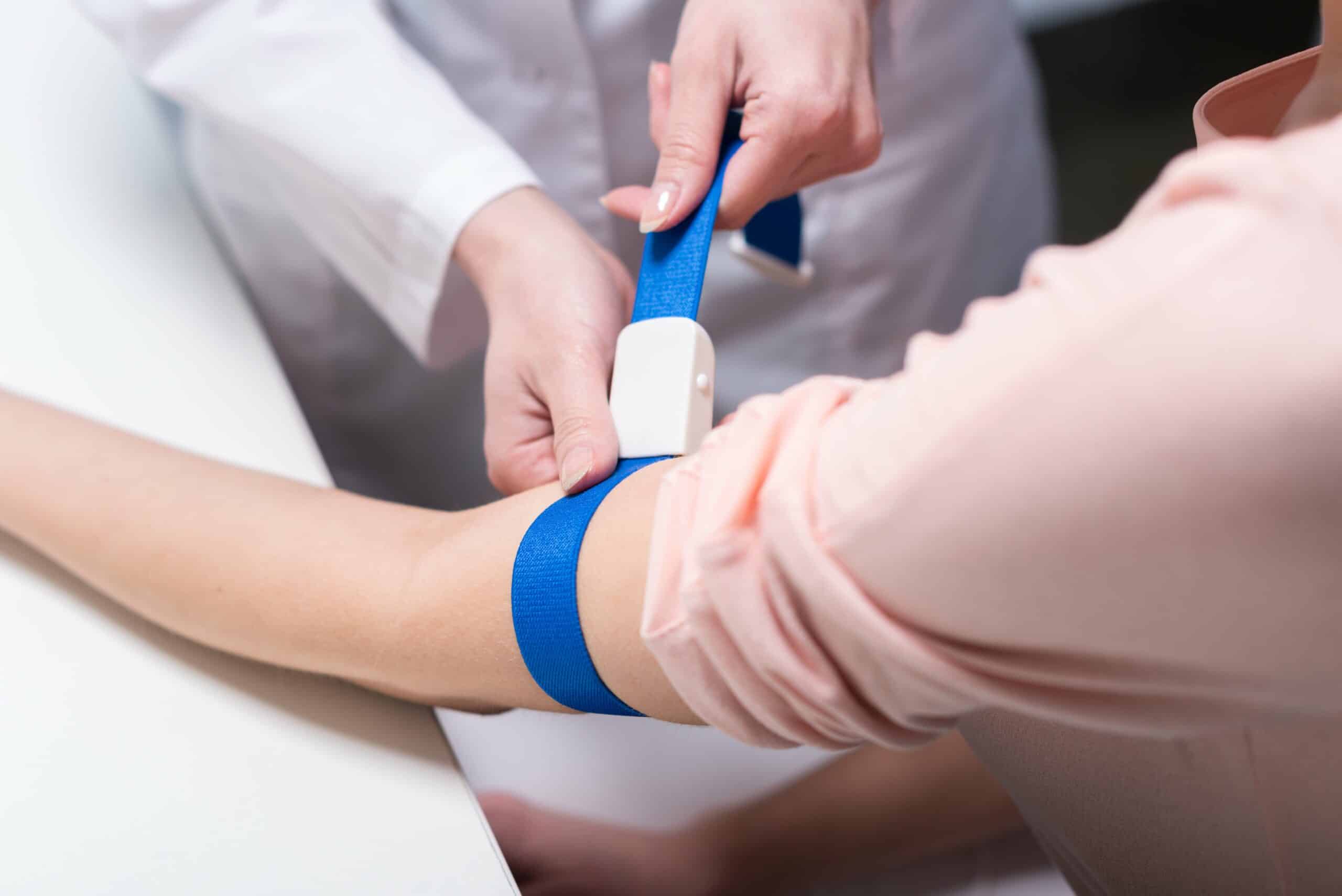
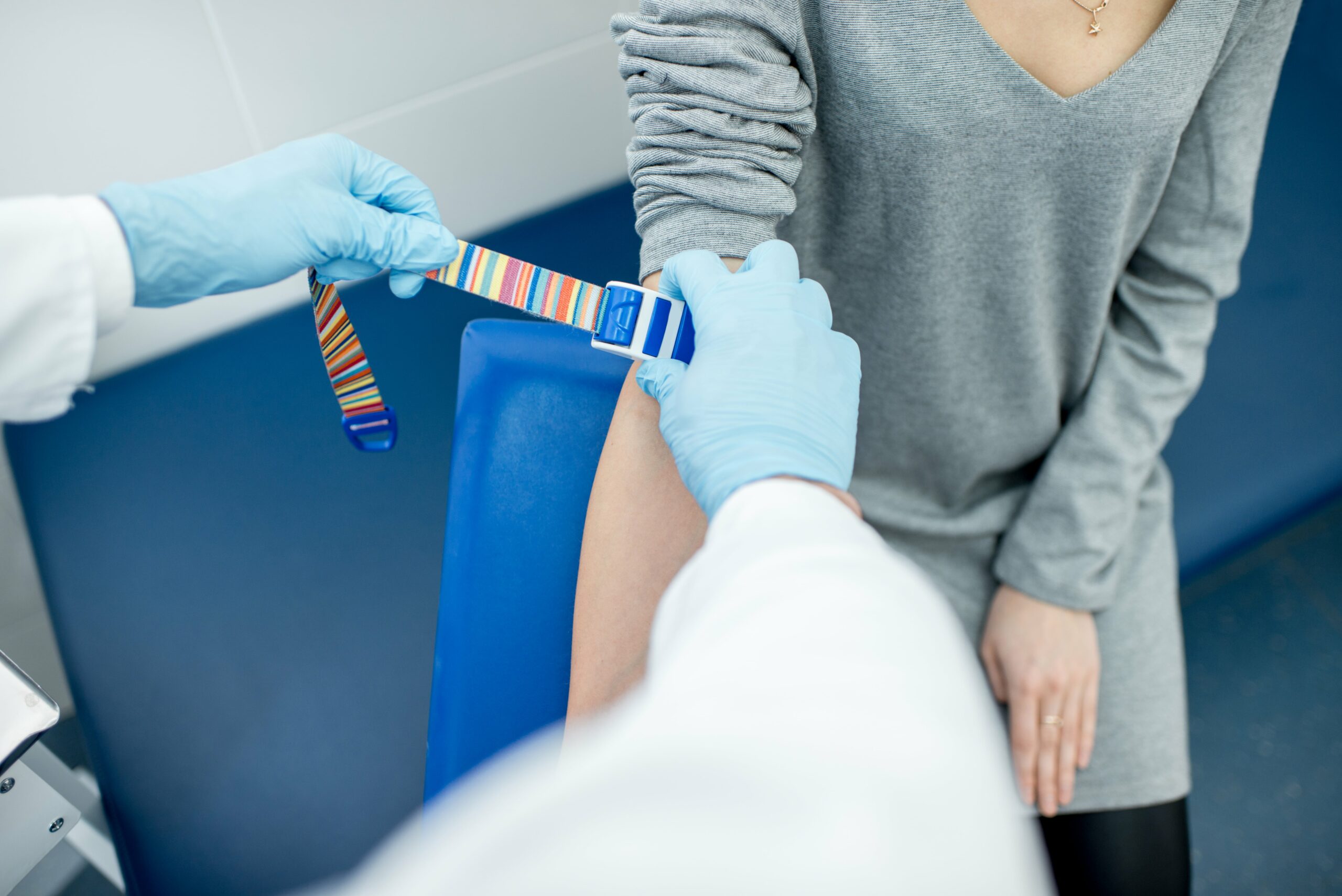
During a blood draw, a phlebotomist often utilises a rubber tourniquet, applying it to the upper arm for a short duration. This brief application aids in making the veins more visible and accessible for the blood collection process.