


Sharon has 21+ years of experience as a qualified Emergency Care Nurse registered with the Australian Health Practitioner Regulation Agency (APHRA) and 12+ years as a First Aid Trainer.
She takes pride in FirstAidPro making first aid training available, comprehensive and affordable to everybody.
Personal Protective equipment (PPE) is a vital means used to protect workers involved in any industry that deals with heavy loads, intense physical activity, potential hazards, and often dangerous materials. Most notable and prevalent among these professions is the construction industry.
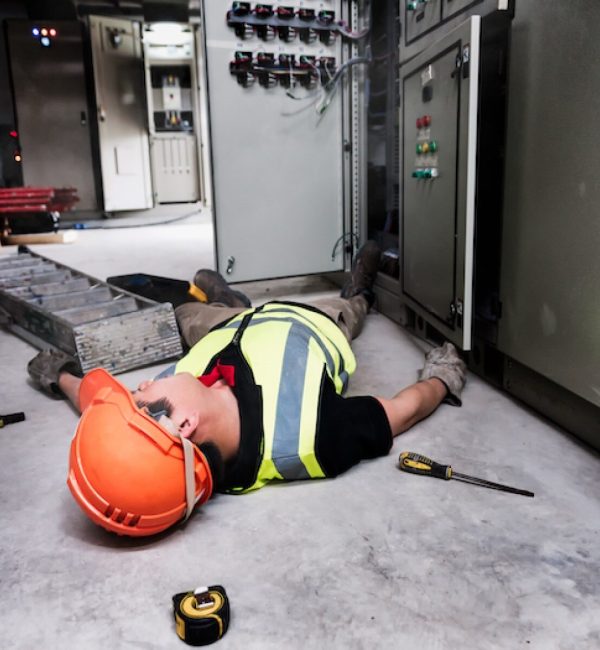
Construction workers are exposed to more potentially dangerous situations than almost any other job you can think of. From heavy tools and materials, dangerous chemicals, falling debris and industrial tools, there’s a lot that can go wrong on a construction site and lead to serious and even deadly injuries. Construction PPE serves as one of the most important resources which keep construction workers safe, and in this post we’ll go into detail about how PPE can save lives.
What is PPE?
PPE is any article of clothing or piece of equipment which serves to physically protect workers from potential hazards or risks in any way, shape, or form. It’s anything which has the purpose of protecting workers and keeping them safe from possible injury.
PPE also serves to help employers uphold safety legislation and construction industry standards for their workers, whether they run a construction site or any other workplace where injuries have a higher than normal risk of occurring.
PPE not only protects workers, it also protects employers from the consequences associated with an unsafe workplace. All employers have a responsibility to provide appropriate PPE for the tasks at hand and to ensure that workers are trained in its proper use and maintenance
Examples of PPE
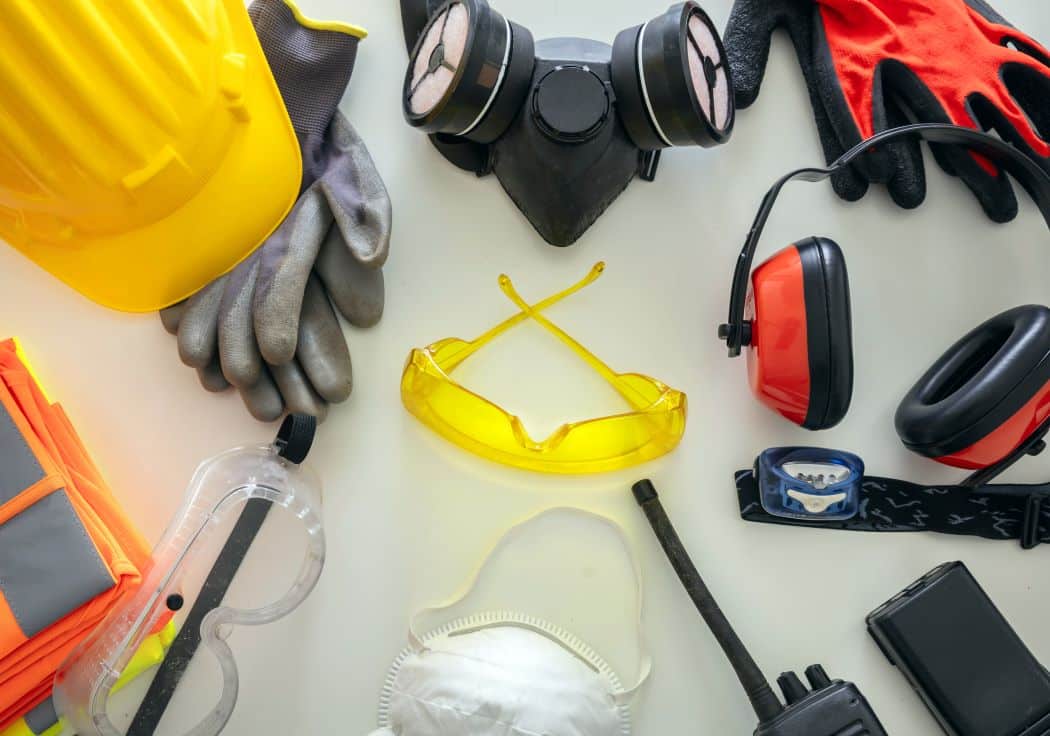
There are dozens of items which can fall into the category of PPE. Each and every one of these is unique and serves a different purpose or use. From protective clothing to specific devices, following are some of the best known, major, and most useful examples of PPE which everyone should know, and what they do.
Safety Harnesses
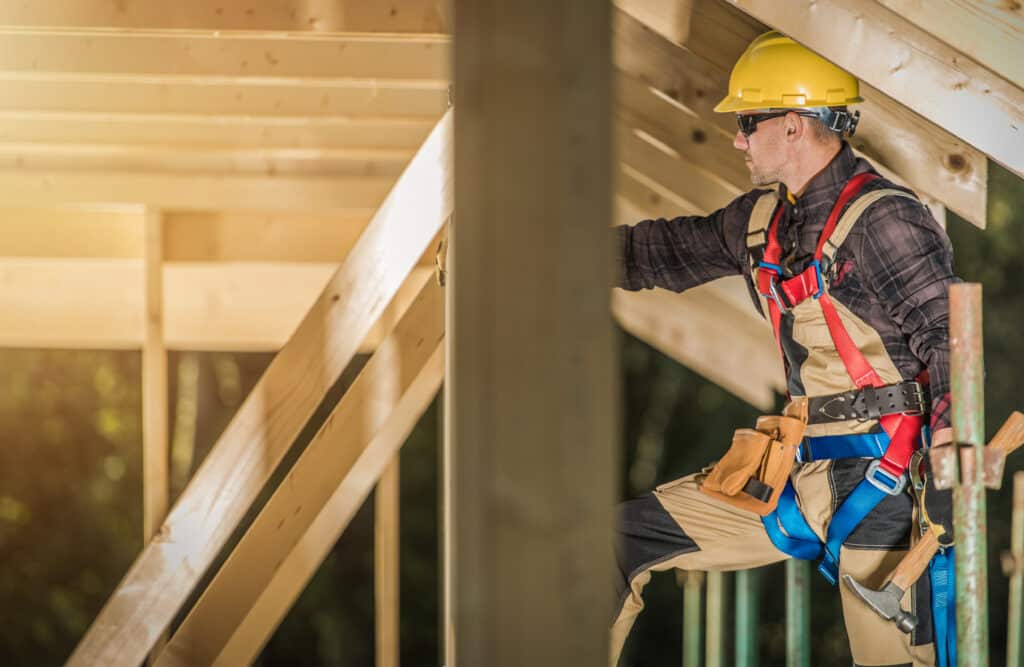
A safety harness, also known as a body harness, is a crucial piece of protective equipment used in construction sites to safeguard workers from falls. It is designed to distribute the forces of a fall across the worker’s body, focusing on the pelvis, waist, chest, and shoulders, and to hold the worker upright during a fall, keeping the spine in a vertical position to prevent or minimise injury.
Hearing Protection
Hearing and ear protection devices include earplugs and earmuffs. Earplugs, such as roll-down foam and reusable earplugs, fit into the ear canal and are convenient, disposable, and provide good protection, but must be inserted properly to be effective. Ear muffs, which require a perfect seal around the ear, are both much more effective and are much simpler to use. Both devices serve to protect workers from the loud noise levels typical of construction sites, reducing the risk of hearing loss and other related issues.
Safety Glasses
Safety glasses protect the eyes from potential hazards such as impact, dust, and chemical splashes. They resemble reading glasses but have a stronger frame and lenses, making them well-suited for jobs where dust, debris, and other flying particles are present. Safety glasses may also feature side shields and wraparound designs to provide extra protection.
Safety Gloves
Hand protection equipment shields workers from a variety of injuries, including cuts, abrasions, burns, chemical exposure, and other hazards. Different types of gloves are available to provide protection against specific risks, for example rubber gloves which protect workers from electric shocks and leather or polyvinyl gloves which are used to protect the hands while carrying rough and coarse materials.
Safety Shoes
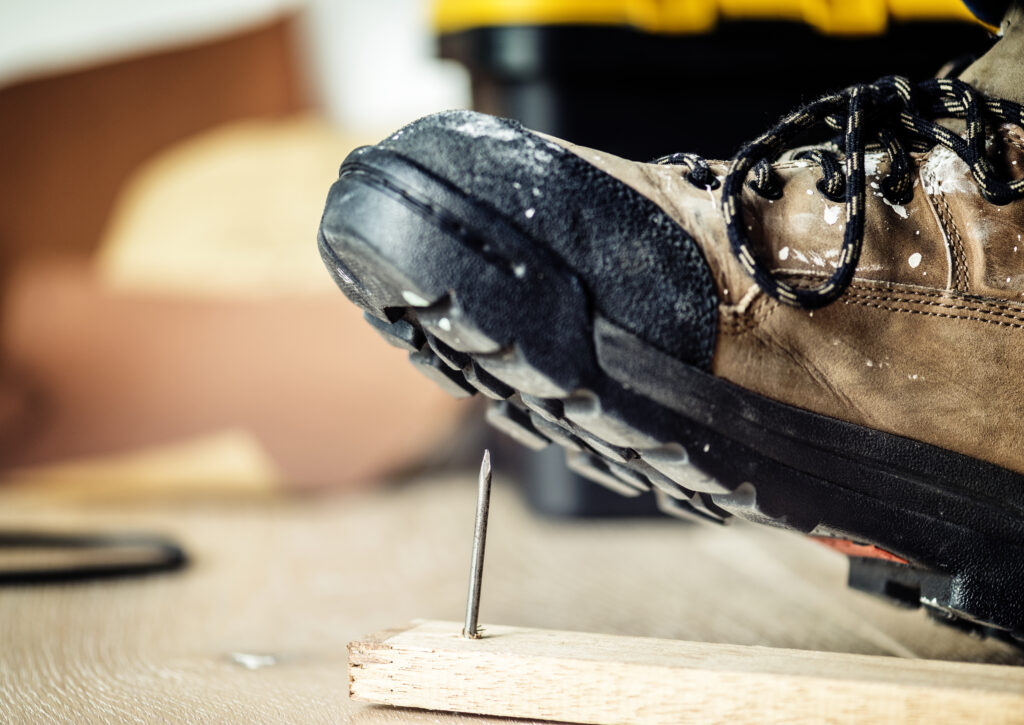
Safety shoes protect workers’ feet from a variety of possible hazards depending on which materials they are made of. Some construction sites will permit any kind of close footwear to prevent basic accidents such as punctures, abrasions, slips, and from having heavy objects dropped on them. Steel toe footwear provides greater protection from these same dangers and is often the minimum standard.
Finally, footwear with slip-resistant soles is specifically designed for environments where the increased presence of water or other liquids leads to a higher risk of slips and falls.
Hard Hats
An iconic image that is heavily associated with construction work, hard hats protect workers from potential head injuries caused by falling or flying objects, and unintentional impacts against fixed objects. Wearing a hard hat on a construction site is often a mandatory requirement to meet Work Health and Safety (WHS) standards.
High Visibility Clothing
High-visibility clothing is designed to make workers easily visible in low-light areas or places with high traffic. It is typically made with fluorescent colours like bright yellows, oranges, and greens, ideal for catching the light and the attention of other workers. Additionally, many types of high-visibility clothing have reflective panels or stripes designed to reflect light, ensuring visibility even at night.
Respiratory Protection
Respiratory protection devices are designed to safeguard workers from inhaling hazardous substances, such as toxic dusts, vapours, and fumes. Examples of these devices include N95 masks, disposable and designed for short term use, and air-purifying respirators.
Knee Pads
Knee pads provide cushioning and protection to the knees when kneeling or working in a kneeling position for extended periods. They are designed to prevent pain, discomfort, and potential knee injuries caused by the pressure and impact of hard surfaces. Knee pads typically use multiple layers of foam padding or gel construction to offer comfort and support, making them essential PPE for workers engaged in tasks such as flooring, tiling, or masonry work.
Why PPE Matters
PPE is crucial for safeguarding workers from various hazards in any workplace where physical activity is required, not just on construction sites. When not used correctly or at all, serious consequences can result in risks to health and safety, injuries, and even potentially death of workers.
Improper use of PPE can also lead to legal consequences for employers, leading to disciplinary actions, official warnings, dismissal, and legal and financial implications for both employees and employers. Ultimately, the use of PPE is essential for preventing a range of immediate and long-term risks in the workplace, and its proper utilisation is critical for ensuring the safety and well-being of all workers.
Book a White Card Course Today
PPE is only one of the essential safety precautions protecting workers on a construction site. There are many more such as the ability to recognise and understand basic safety signage and the ability to properly identify and report hazards. Both of these examples, alongside the various types of PPE and their uses, are covered in the mandatory construction worker training known as a white card course.
A white card is necessary for employment not only in the construction industry, but in many worksites where physical activity, potential hazards, and dangerous materials and equipment are commonplace. For those already working in the industry, continuous refresher training may be mandatory and is at least highly recommended.
For essential PPE training and to learn all about how to provide adequate protection to both yourself and others, book your white card course today.