



Sharon has 21+ years of experience as a qualified Emergency Care Nurse registered with the Australian Health Practitioner Regulation Agency (APHRA) and 12+ years as a First Aid Trainer.
She takes pride in FirstAidPro making first aid training available, comprehensive and affordable to everybody.
You never know when an eye injury might occur, and being prepared can make all the difference. Whether it’s a foreign object, chemical burn, or blunt trauma, knowing how to respond quickly and effectively can help prevent serious damage to your vision.
While professional medical care is often necessary, your immediate actions at home can greatly impact the outcome. From assembling the right first aid kit to understanding when it’s time to seek expert help, there’s a lot to take into account. So, what are the essential steps you should take when faced with an eye emergency?
Key Takeaways
- Flush foreign objects with lukewarm water or sterile saline solution for several minutes, avoiding rubbing the eye.
- For chemical burns, immediately irrigate the eye with water for at least 15 minutes and seek medical attention.
- Apply a cold compress gently to reduce swelling from blunt trauma, but avoid pressure on the eyeball.
- Cover both eyes with a clean cloth if an object is lodged in the eye, and seek immediate medical help.
- Use protective eyewear during high-risk activities to prevent eye injuries and maintain a well-stocked first aid kit.
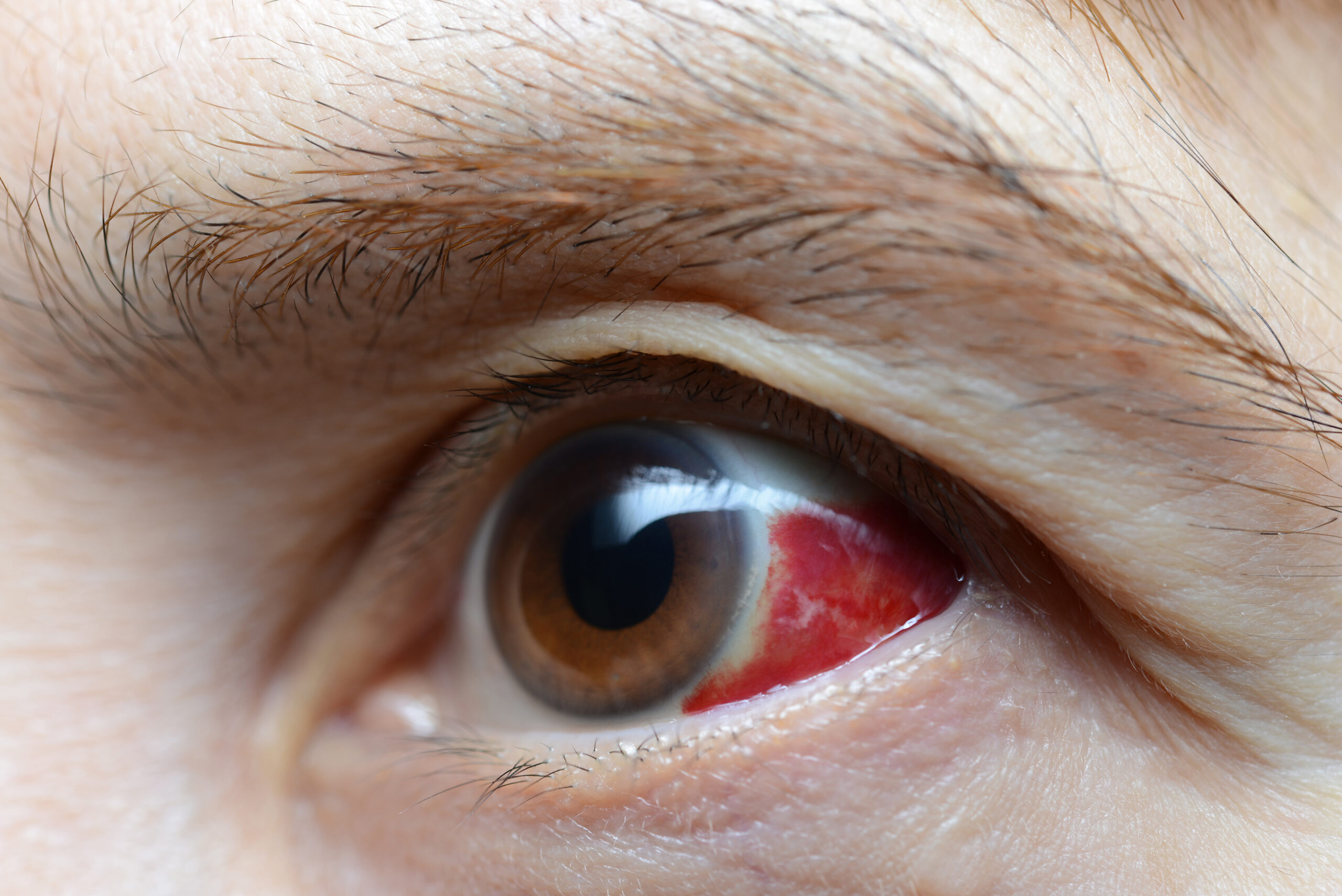
Recognising Common Eye Injuries
Four common eye injuries you should be able to recognise include foreign objects in the eye, chemical burns, blunt trauma, and cuts or punctures to the eye or eyelid.
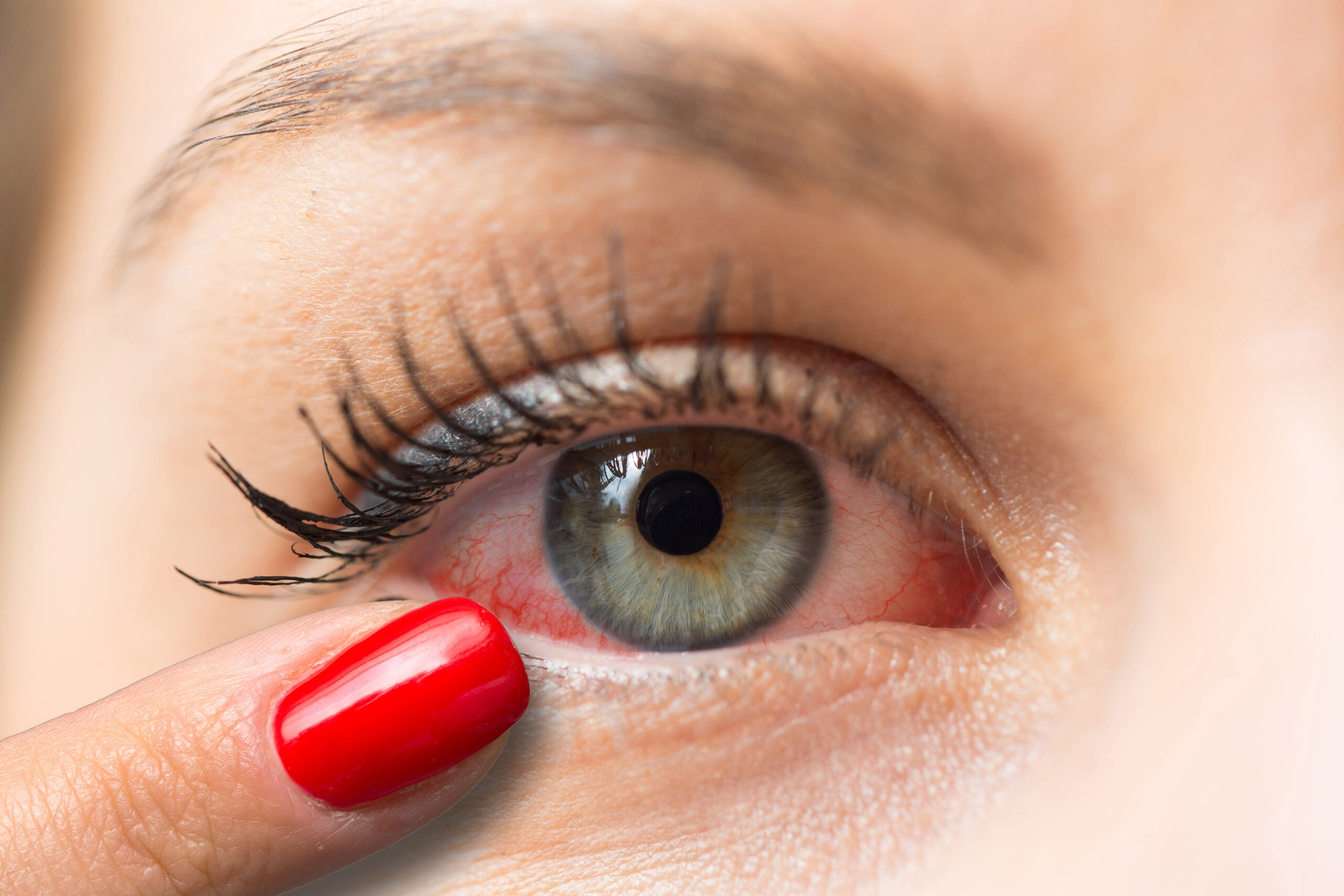
Foreign objects can range from dust particles to small debris, causing irritation, redness, and excessive tearing. Chemical burns often result from household accidents involving cleaning products or industrial chemicals, leading to severe pain, redness, and potential vision loss if not treated promptly.
Blunt trauma, frequently associated with sports-related injuries, can cause bruising, swelling, and in severe cases, retinal detachment or orbital fractures. Look for symptoms like pain, vision changes, or visible deformities around the eye area.
Cuts or punctures to the eye or eyelid are typically caused by sharp objects and may result in bleeding, pain, and vision disturbances.
Essential First Aid Kit Items
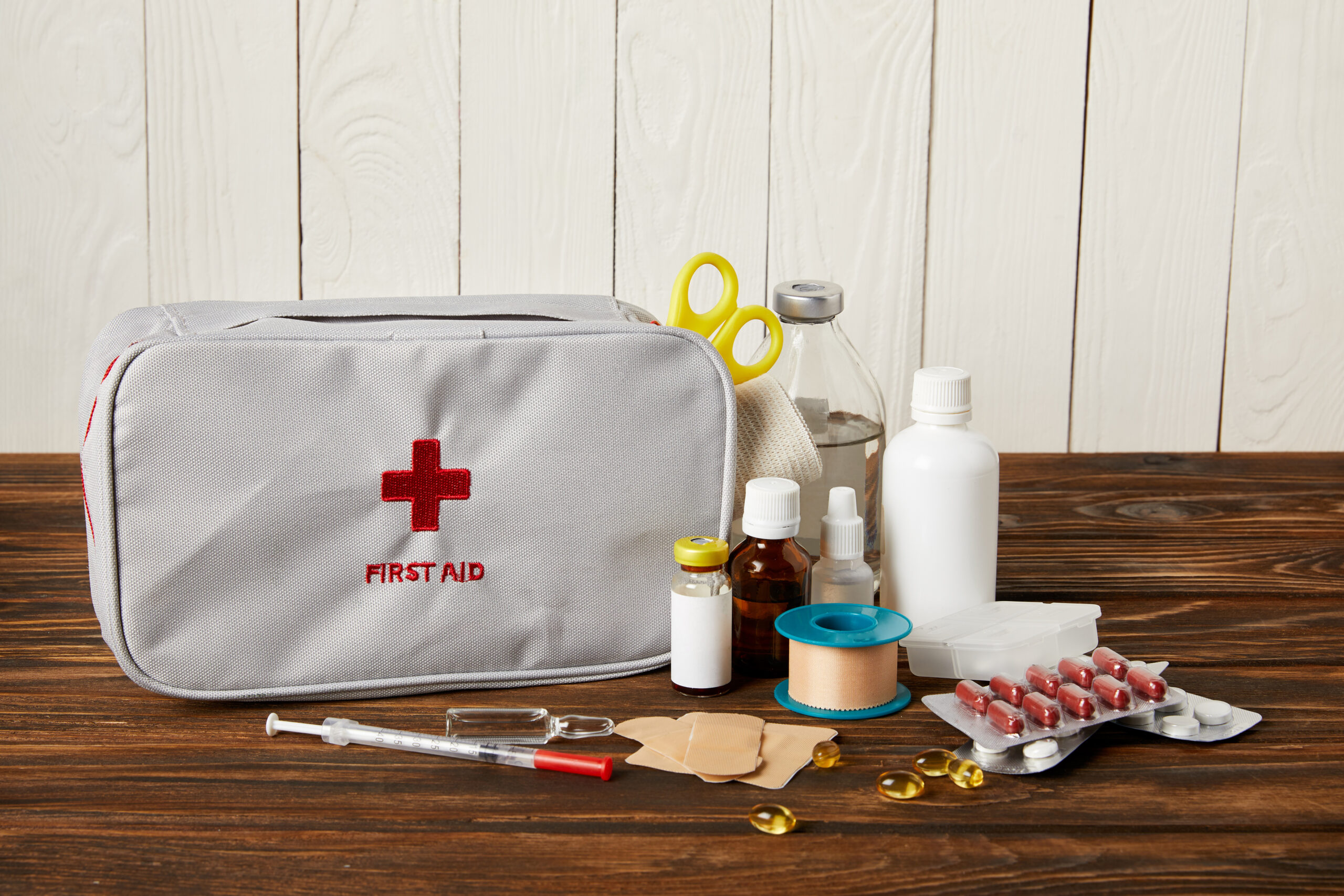
Your home first aid kit for eye injuries should include several essential items.
Sterile Eye Wash Solution
A sterile eye wash solution is a vital component of any thorough first aid kit, providing immediate and safe relief for various eye irritations and injuries.
Eye Pads and Patches
Essential components of any thorough first aid kit, eye pads and patches provide essential protection and support for injured or irritated eyes. They’re designed to shield the affected eye from further damage, prevent contamination, and promote healing. You’ll typically find two main eye pad types: adhesive and non-adhesive.
Adhesive eye pads come with a built-in tape border, making them easy to apply directly to the skin around the eye. They’re ideal for quick, temporary protection. Non-adhesive pads require separate medical tape for secure placement but offer more flexibility in sizing and positioning.
First Aid For Common Eye Injuries
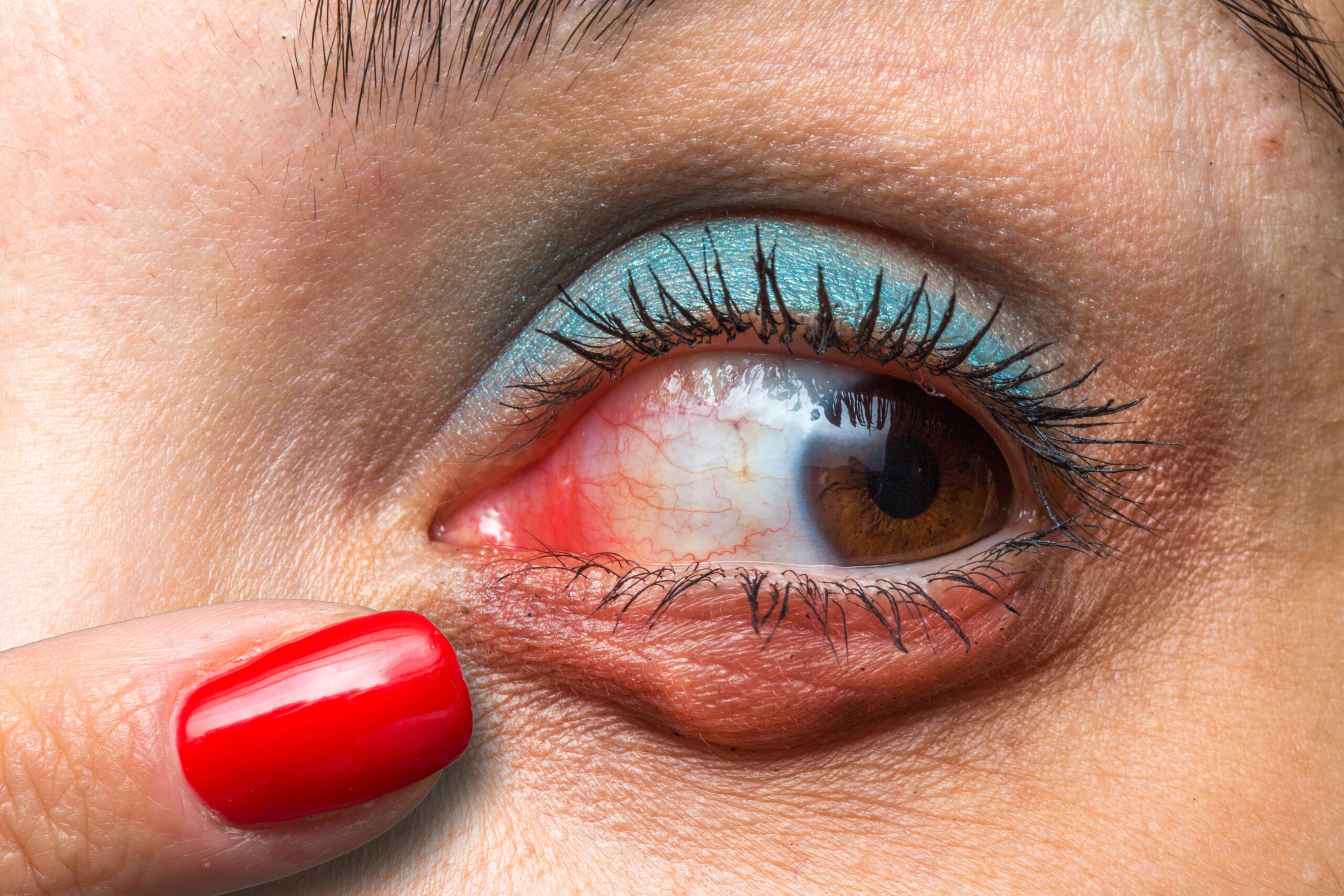
Foreign objects in the eye can be effectively removed by flushing the affected area with clean water or saline solution.
When you’ve confirmed the presence of a foreign object, proceed with safe flushing techniques. Start by thoroughly washing your hands to prevent introducing additional contaminants.
Tilt your head back and to the side of the affected eye. Using a clean cup or an eyewash station if available, gently pour lukewarm water or saline solution over the eye. Allow the liquid to flow from the inner corner towards the outer corner, flushing out the object.
Continue this process for several minutes, blinking frequently to help dislodge the particle. If the object persists, you can try lifting the upper eyelid over the lower one to encourage natural tearing.
Treating Chemical Eye Burns
Chemical eye burns require immediate and thorough irrigation to minimise damage and prevent vision loss. If you’ve experienced chemical exposure to your eyes, act quickly. Begin flushing the affected eye with lukewarm water or sterile saline solution immediately. Continue this irrigation process for at least 15 minutes, or longer if pain persists. Hold your eyelid open to ensure the flushing solution reaches all areas of the eye.
Don’t attempt to neutralise the chemical with another substance, as this can exacerbate the injury. The severity of the burn will depend on the type of chemical, its concentration, and the duration of exposure. Acids typically cause surface burns, while alkalis can penetrate deeper and cause more severe damage.
After initial irrigation, seek immediate medical attention, even if symptoms seem to improve. A healthcare professional will assess the burn severity and provide appropriate treatment. They may continue irrigation, apply specialised eye drops, or recommend further interventions.
Managing Blunt Eye Trauma
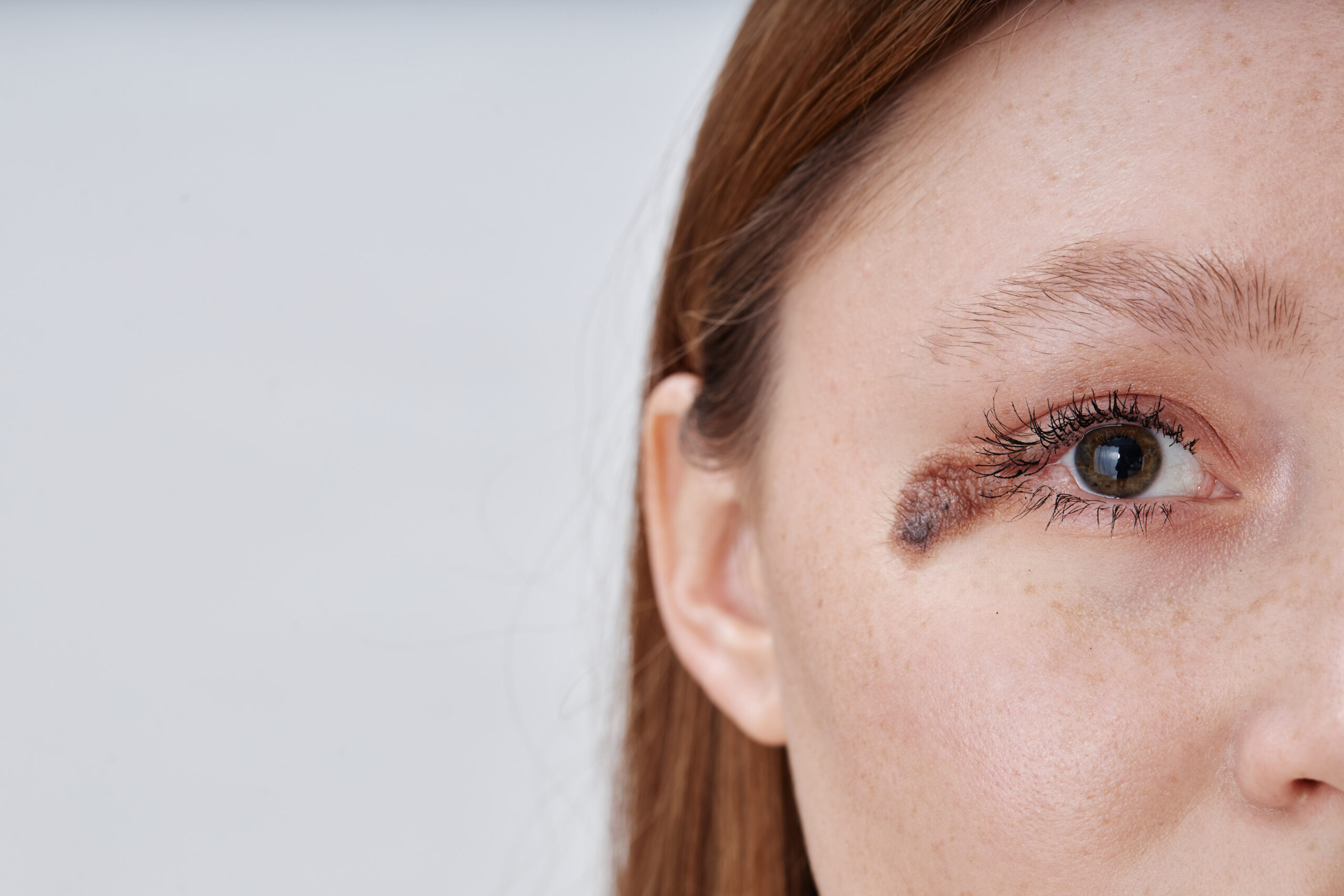
Blunt force to the eye area can result in various injuries, ranging from minor bruising to severe damage of the eye structure. If you or someone nearby experiences blunt eye trauma, it’s essential to act quickly to minimise potential complications.
Apply a cold compress gently to the affected area to reduce swelling, but avoid putting pressure on the eyeball itself. Refrain from rubbing the injured eye, as this can exacerbate the damage. If pain persists or vision changes occur, consult an eye specialist promptly.
Addressing Corneal Abrasions
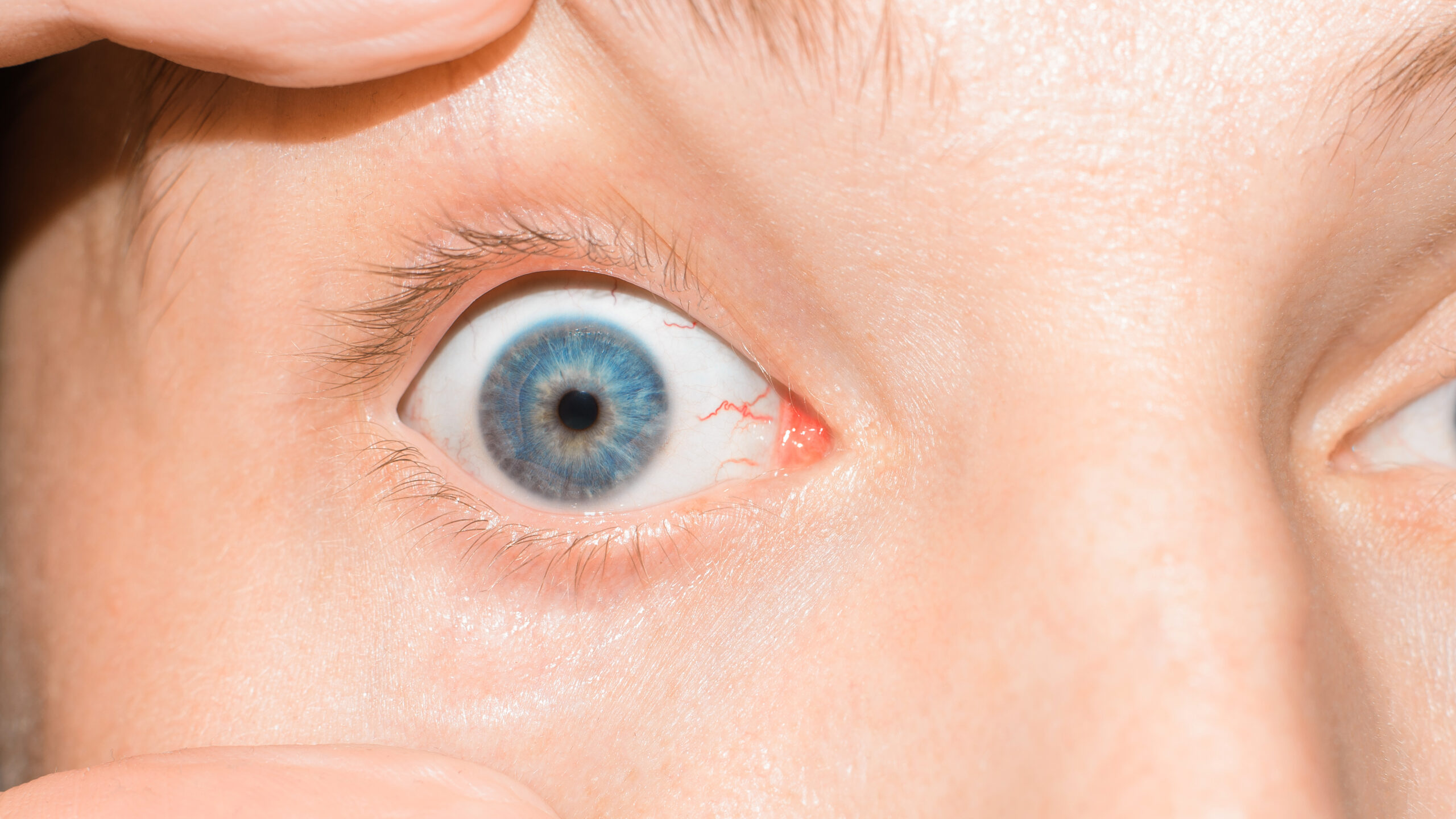
Corneal abrasions, characterised by scratches on the eye’s surface, can cause significant discomfort and require prompt attention.
Symptoms and Identification
Identifying the symptoms of a corneal abrasion is essential for prompt and appropriate first aid treatment. Corneal abrasions can result from various injury mechanisms, such as debris entering the eye or direct trauma.
The symptom severity may vary, but common signs include:
- Sharp pain or a gritty sensation in the affected eye
- Excessive tearing and redness
- Increased sensitivity to light (photophobia)
- Blurred vision or difficulty keeping the eye open
You’ll often experience immediate discomfort following the injury. The pain may worsen when you blink or move your eye.
Immediate Treatment Steps
First, resist the urge to rub your eye. Rubbing can exacerbate the injury and potentially introduce harmful bacteria. Instead, blink several times to encourage tear production, which may help flush out any small particles.
Second, rinse your eye thoroughly with clean, lukewarm water or a sterile saline solution. If you’re wearing contact lenses, remove them before rinsing. This emergency response helps remove any remaining debris and reduces the risk of infection.
Third, apply a cold compress to the affected eye for about 10 minutes. This can help reduce pain and swelling. Use a clean cloth dampened with cool water or a commercial eye pad. Never apply ice directly to your eye.
After these initial steps, it’s essential to seek professional medical attention promptly. While these measures can provide temporary relief, a healthcare provider should assess the extent of the injury and recommend appropriate treatment.
Aftercare and Prevention
After seeking professional medical care for a corneal abrasion, you’ll need to follow specific aftercare instructions to promote healing and prevent future injuries. Maintaining proper eye hygiene practices is essential during this recovery period. Always wash your hands before touching your eyes or applying any prescribed medications.
To guarantee proper healing and long-term vision care, follow these guidelines:
- Use prescribed eye drops or ointments as directed by your doctor.
- Avoid rubbing your eyes, even if they feel itchy or irritated.
- Wear protective eyewear during activities that pose a risk of eye injury.
- Attend all follow-up appointments with your eye care professional.
To prevent future corneal abrasions, be mindful of your surroundings and take precautions in potentially hazardous environments. By following these aftercare instructions and adopting preventive measures, you’ll promote ideal healing and reduce the risk of recurring eye injuries.
Handling Eye Punctures
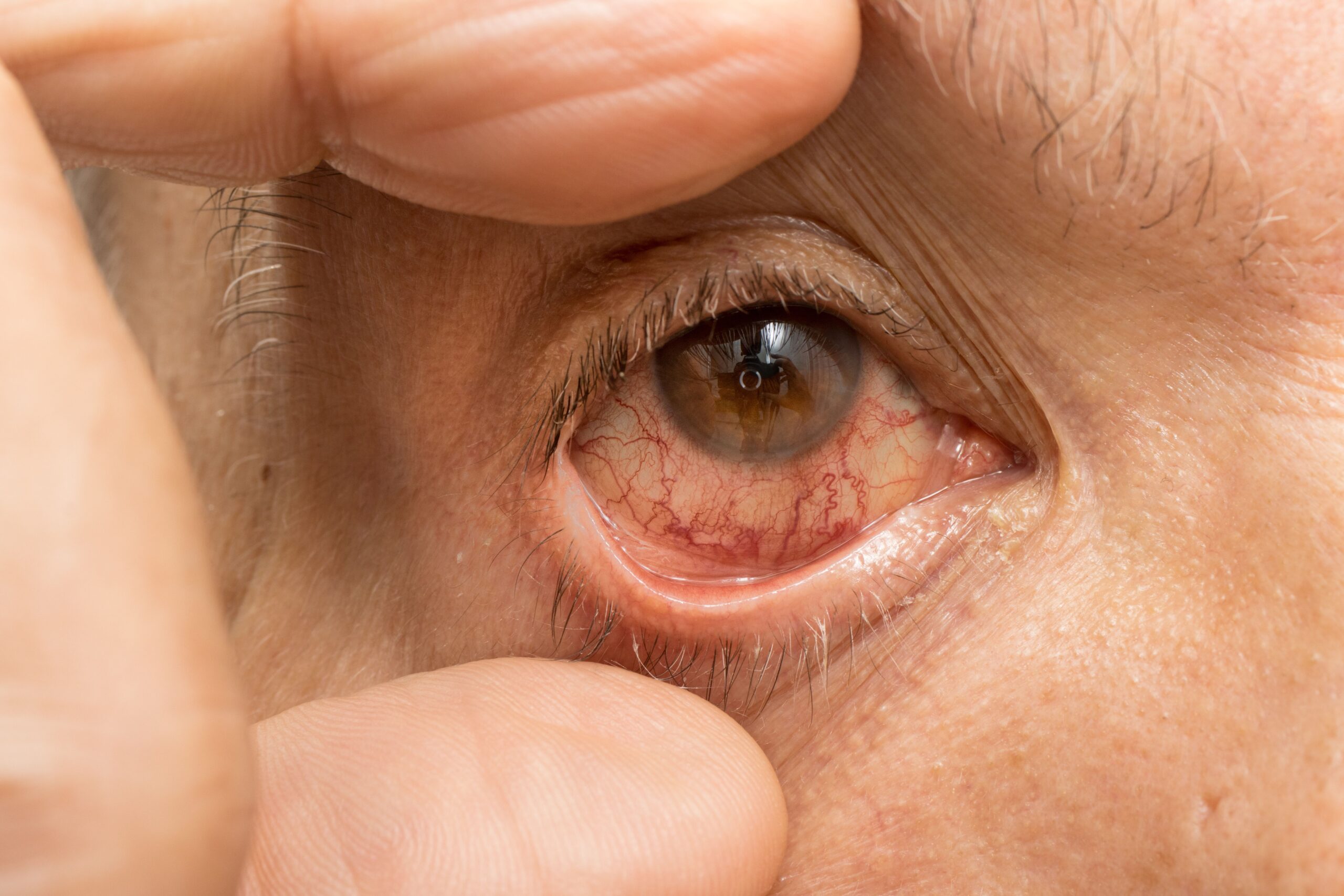
Eye punctures require immediate medical attention and should never be treated at home. These injuries can occur due to various puncture causes, including sharp objects, flying debris, or even severe blunt force trauma. Your emergency response to an eye puncture is vital for preserving vision and preventing further damage.
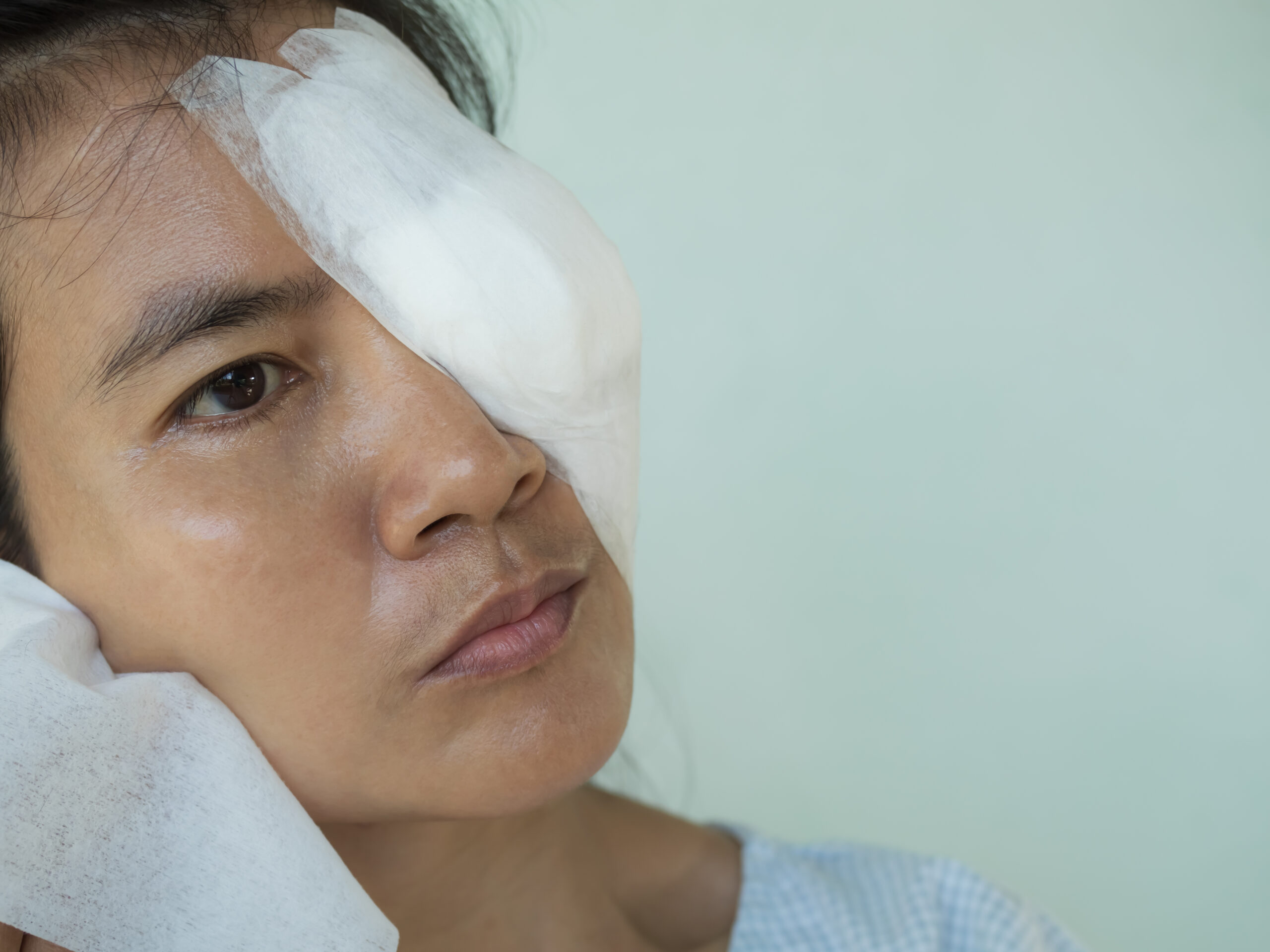
If you suspect an eye puncture, don’t attempt to remove any object that may be embedded in the eye. Instead, cover both eyes with a clean, rigid shield like a paper cup or the bottom of a foam cup. This prevents eye movement, which could exacerbate the injury. Don’t apply pressure to the affected eye or use cotton swabs or other materials that may leave fibres behind.
Call emergency services immediately or have someone drive you to the nearest emergency room. While waiting for medical help, keep the victim calm and seated upright to minimise blood flow to the head. Discourage rubbing or touching the eyes.
Dealing With Swelling
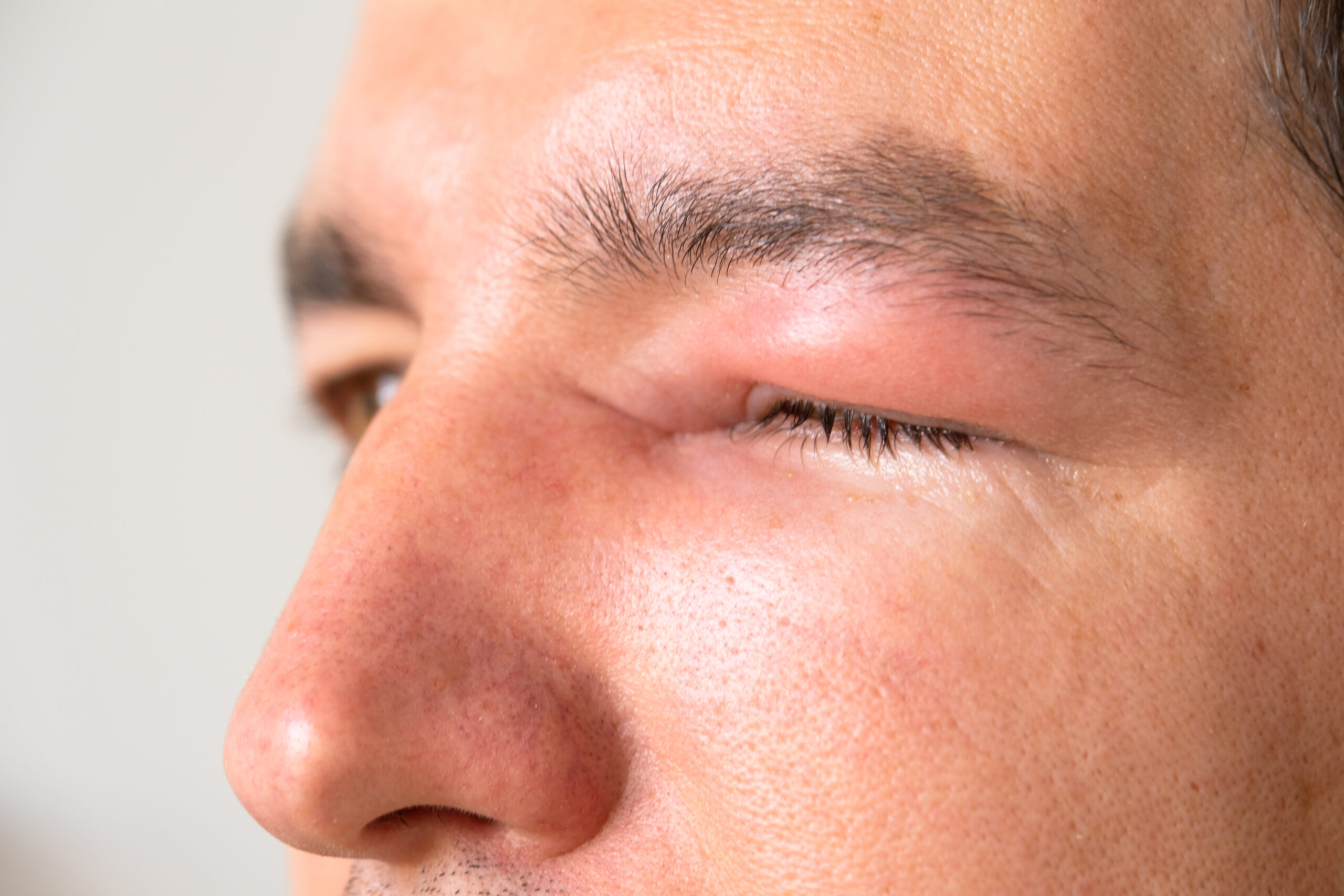
Swelling around the eye can result from various causes, including allergies, infections, or trauma, and requires prompt attention to prevent complications and alleviate discomfort. When dealing with eye swelling at home, it’s vital to follow proper first aid techniques to guarantee the best outcome.
Here are four essential steps to manage eye swelling:
- Apply a cold compress to reduce inflammation.
- Elevate your head to minimize fluid accumulation.
- Use over-the-counter antihistamines for allergy-related swelling.
- Avoid rubbing or touching the affected area.
Home remedies can be effective in managing mild eye swelling. Placing chilled tea bags or cucumber slices on closed eyelids may help reduce puffiness. Eye elevation is a key strategy; prop your head up with extra pillows while resting to encourage fluid drainage.
Relieving Eye Pain
Cooling Compresses
Applying a cool compress often provides effective relief for eye pain and reduces swelling associated with minor eye injuries. This cooling technique can be easily implemented at home using readily available materials. When applying a compress, it’s essential to maintain proper hygiene and follow recommended guidelines to avoid exacerbating the injury.
To effectively use a cooling compress for eye injuries:
- Prepare a clean, soft cloth or sterile gauze pad soaked in cool water.
- Gently place the compress over the affected eye for 10-15 minutes at a time.
- Repeat the application every 1-2 hours as needed for pain relief.
- Avoid applying pressure to the eye or using extremely cold temperatures.
For minor irritations or bruising, compress application can be an effective first aid measure. Always wash your hands before and after applying the compress to prevent introducing bacteria to the injured area. If symptoms persist or worsen after 24 hours of home treatment, consult an eye care professional.
Over-The-Counter Pain Relief
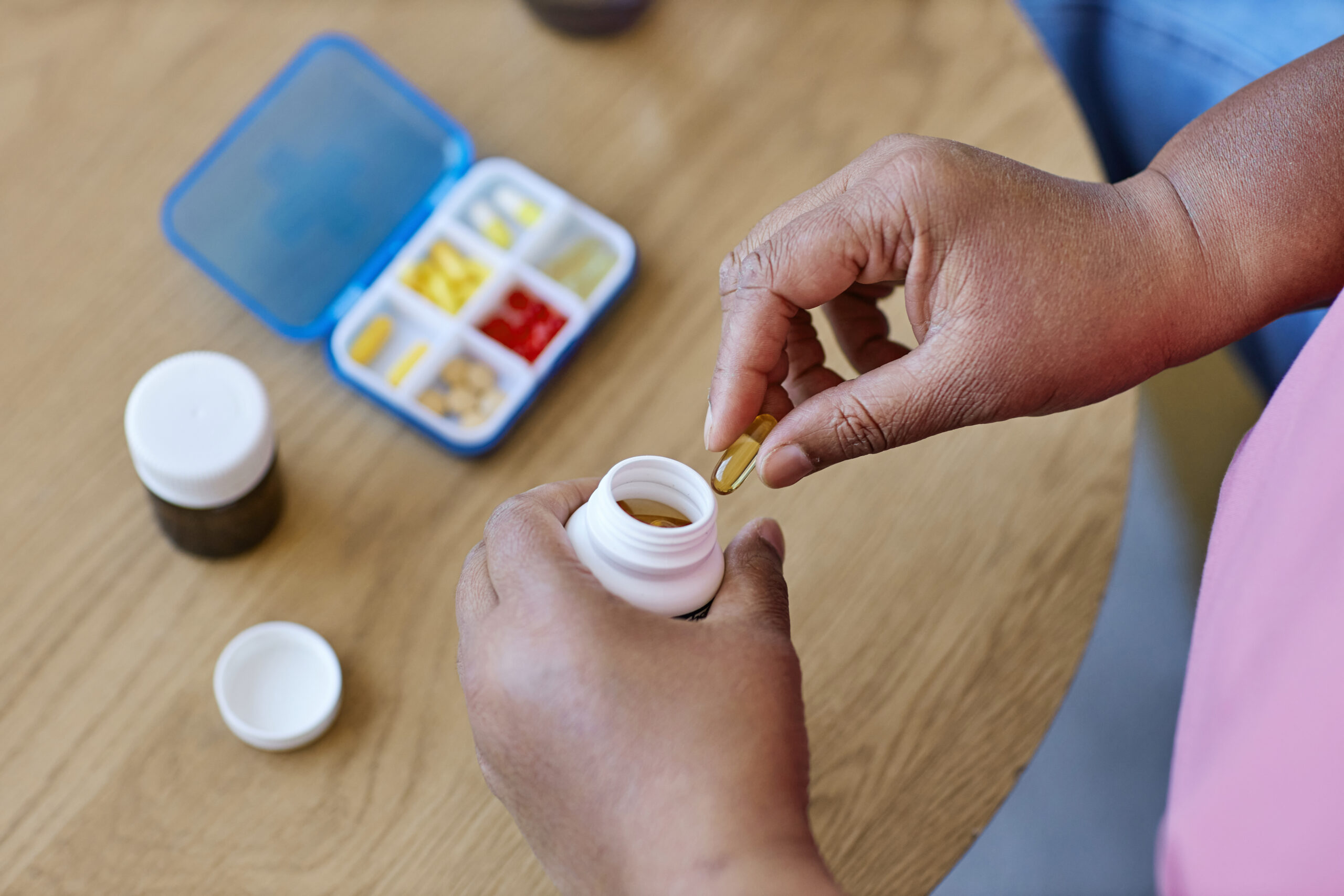
While cooling compresses can help alleviate discomfort, over-the-counter (OTC) pain relievers offer another effective option for managing eye pain associated with minor injuries.
When selecting pain relief options, consider paracetamol or ibuprofen, both of which can reduce inflammation and ease discomfort. Always follow the recommended medication dosage on the package or as advised by your healthcare provider.
For adults, a typical dose of paracetamol is 325-650 mg every 4-6 hours, not exceeding 4,000 mg in 24 hours. Ibuprofen dosage usually ranges from 200-400 mg every 4-6 hours, with a maximum of 1,200 mg per day. However, these guidelines may vary based on individual health factors and the severity of the eye injury.
When to Seek Medical Help
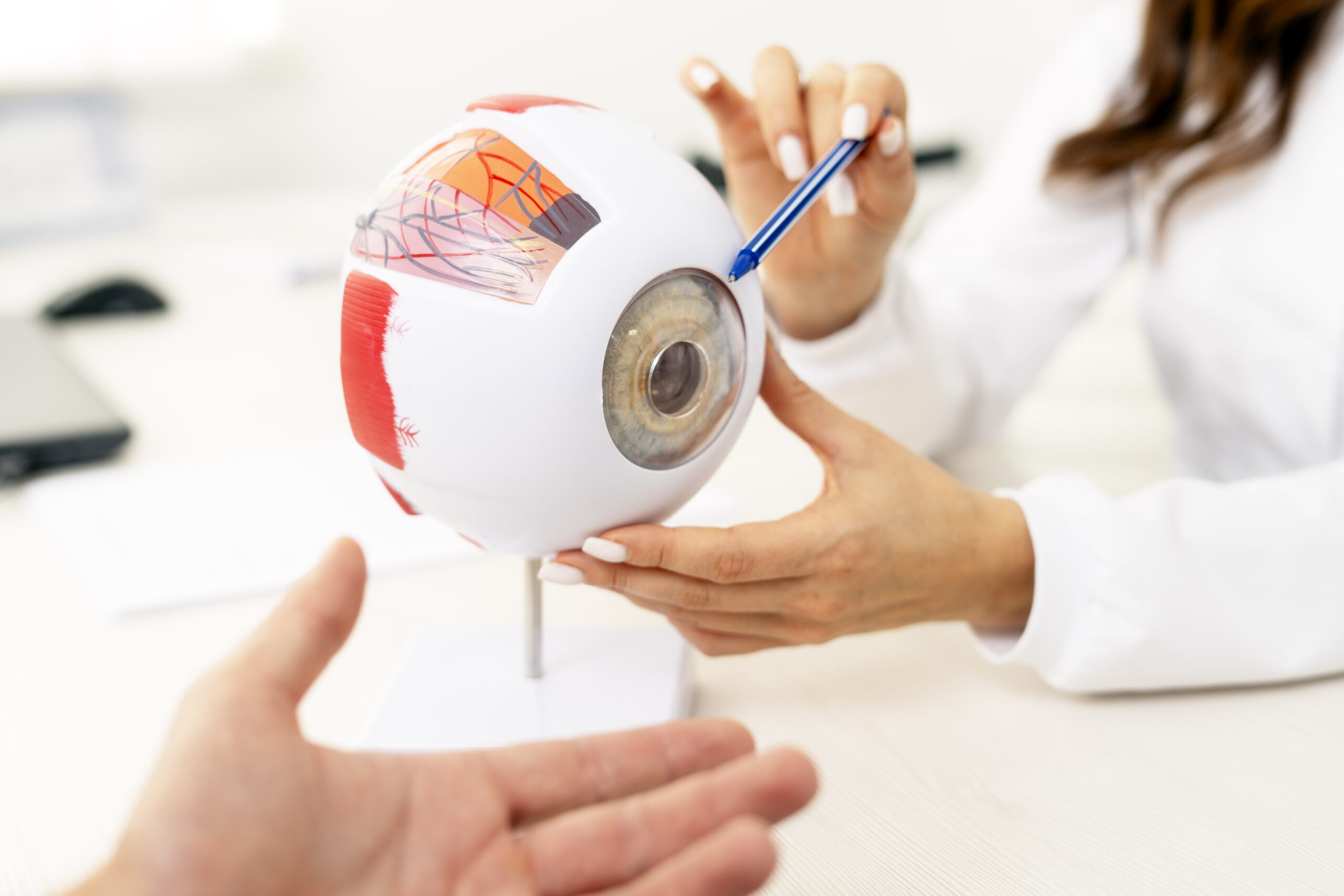
As a general rule, you should seek immediate medical attention for any eye injury that causes pain, vision changes, or visible damage to the eye or surrounding tissues.
Don’t delay if you experience persistent discomfort, blurred vision, double vision, or loss of vision in the affected eye. These symptoms may indicate serious underlying damage that requires professional assessment and treatment.
You should also seek emergency care if you’ve suffered a chemical burn or if a foreign object is embedded in your eye. In such cases, don’t attempt to remove the object yourself, as this could cause further harm.
Aftercare and Follow-up Measures
Proper aftercare and follow-up measures are vital for guaranteeing ideal healing and preventing complications following an eye injury. After receiving initial treatment, whether at home or from a medical professional, it’s essential to monitor your eye health and follow any prescribed care instructions carefully.
To promote optimal recovery and vision safety, adhere to these key aftercare steps:
- Keep the affected eye clean and protected from further injury.
- Apply prescribed medications or eye drops as directed.
- Avoid rubbing or touching the injured eye.
- Wear protective eyewear during activities that may pose a risk.
It’s important to attend all scheduled follow-up appointments with your eye care professional. They’ll assess your progress and make any necessary adjustments to your treatment plan.
Frequently Asked Questions
Is it safe to use eye drops after an eye injury?
For minor irritations, preservative-free artificial tears may help after foreign objects have been removed. Never use medicated eye drops without professional guidance following an injury, as they can worsen conditions or mask serious problems. Consult an eye care professional before using any eye drops after an injury.
How long should I wait before wearing contact lenses again after an eye injury?
Avoid wearing contact lenses until cleared by an eye care professional. Depending on the injury, you may need to wait from a few days to several weeks. When resuming, use a fresh pair of lenses rather than the ones worn before the injury.
What preventive measures should I take for children who participate in sports?
Children should wear sport-specific protective eyewear. Regular glasses don’t provide adequate protection. Choose impact-resistant polycarbonate lenses, ensure proper fit, and enforce wearing rules consistently. For water sports, use goggles to prevent chemical irritation.