



Febrile convulsions, also known as febrile seizures, are a common concern for parents of young children. These seizures occur in children typically between the ages of 6 months and 5 years who suffer a high fever usually above 38.3°C . Febrile convulsions are more likely to occur in children with a family history of the condition, suggesting a genetic link.
If you’ve ever wondered, “What causes febrile convulsions?” “Who is prone to febrile seizures” or “How can I prevent febrile seizures in my child?” then this article will be your guide. We’ll explore the causes, risk factors, and preventive measures for febrile convulsions, as well as what to do if your child experiences one. Understanding the causes of febrile convulsions can help parents stay calm and take appropriate action to keep their children safe.
What Are Febrile Convulsions?
Febrile convulsions are seizures that occur in children aged 6 months to 5 years during a fever, with the highest risk between 12-18 months. These convulsions are typically short-lived and involve the whole body. Symptoms include loss of consciousness, jerking movements of the arms and legs, and sometimes stiffening of the child’s body. It’s important to note that while febrile convulsions can be alarming, most children recover quickly without any long-term effects.

Causes of Febrile Convulsions
Febrile convulsions are usually triggered by infections that cause high fevers, such as viral infections (like the flu or roseola) or bacterial infections (such as ear infections). The body’s response to the infection causes a rapid increase in body temperature, which is thought to release cytokines, proteins that affect the parts of the brain and nervous system responsible for regulating temperature. High levels of cytokines may temporarily disrupt normal brain function, triggering a seizure in susceptible children. The seizures usually happen within the first 24 hours of a fever and can sometimes be the first sign of illness
Genetic Predisposition
A family history of febrile convulsions or other seizure disorders increases the likelihood that a child will experience febrile seizures. Research indicates that children with a parent or sibling who had febrile seizures are at a higher risk of developing the condition.
Environmental Factors
Certain environmental factors, such as exposure to high temperatures or stressful situations, can also contribute to the onset of febrile convulsions. Ensuring a comfortable and stress-free environment for children can help reduce the risk.
What to Expect After a Febrile Seizure?
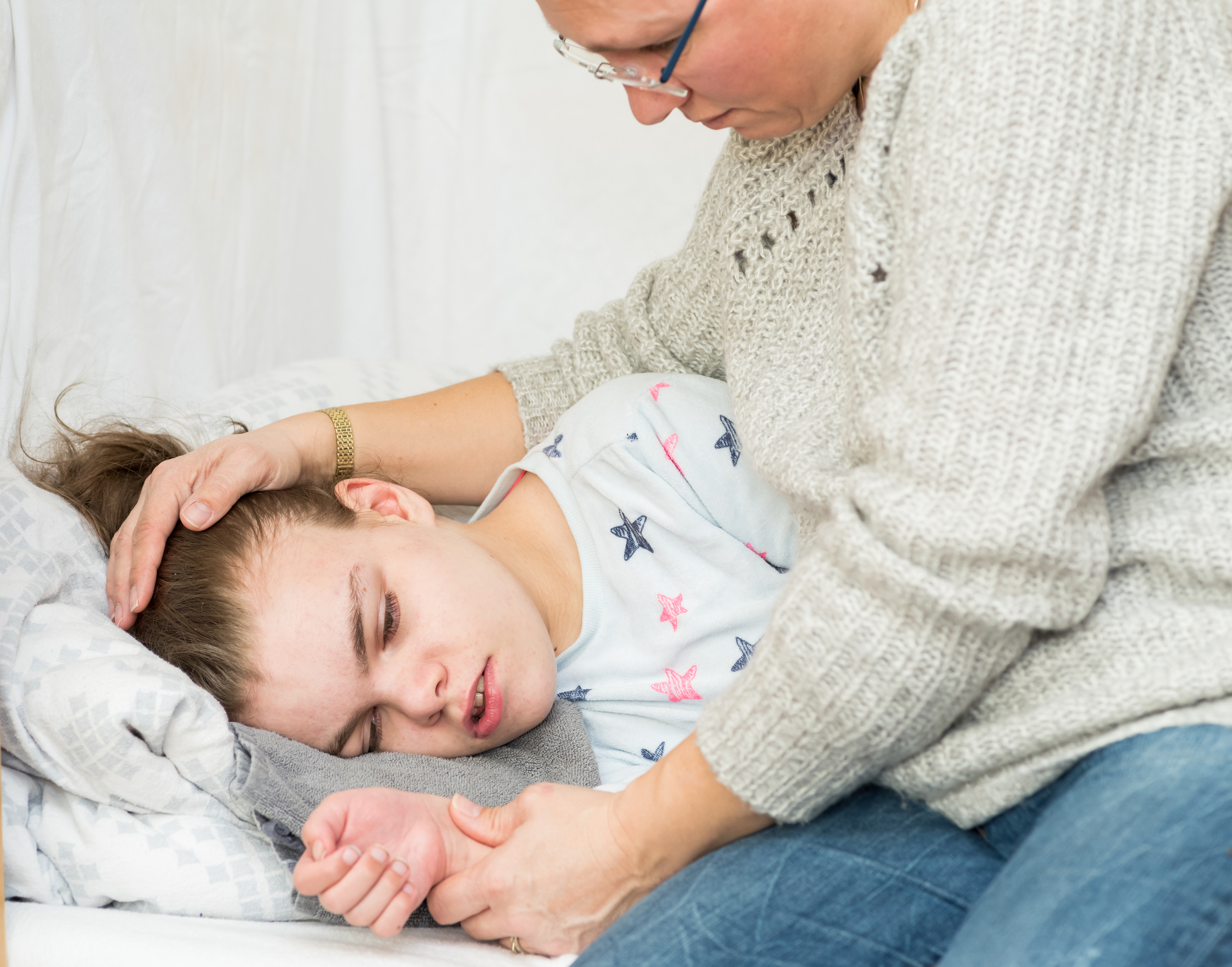
After a febrile convulsion, the child may be sleepy or confused for a short period. This postictal phase usually lasts a few minutes to an hour. It’s important to stay calm and comfort the child during this time.
Ensure the child is lying on their side to prevent choking and keep their airway clear. Loosen tight clothing and monitor their breathing. Most children recover fully within a few hours.
Call an ambulance if the seizure lasts more than 5 minutes, the child has trouble breathing, or there are other concerning symptoms such as a stiff neck or repeated seizures. Always consult a child’s doctor after a febrile seizure to rule out any underlying conditions.
Preventing Febrile Convulsions

It’s important to note that febrile convulsions are not preventable in the same way as other illnesses. They are often the first sign that a child is getting sick, so it’s not always possible to take steps to prevent them. If your child has a febrile seizure, stay calm, make sure they are safe, and seek medical attention if the seizure lasts longer than 5 minutes
While not easily preventable, early detection and treatment of infections can help prevent high fevers and reduce the risk of febrile seizures. Consult a doctor if your child shows symptoms of an infection.
Keep a close eye on your child’s temperature, especially during illness. Use a reliable thermometer and check their temperature regularly. Dress the child in light clothing and keep their environment cool.
Febrile Seizure First Aid Techniques
The most important things when managing febrile convulsions are to keep the child safe, allow the seizure to run its course, and seek medical attention, especially if the seizure is prolonged or the child shows signs of distress. Staying calm and following these basic first aid steps can help minimise the child’s discomfort until the seizure ends.
First, try to stay calm and stay with the child. It’s important not to panic. Gently place the child on the floor or ground, and make sure there aren’t any objects around that they could hit.
Loosen any tight clothing around their head and neck. This helps them breathe more easily. Then, place the child on their side in the recovery position. This is to prevent choking if they vomit.
Don’t try to hold or restrain the child during the seizure. Also, don’t put anything in the child’s mouth – it could cause more harm. Avoid trying to give fever-reducing medicine or putting the child in cool water during the seizure.
Keep an eye out for any breathing problems. If their face starts to turn bluish, that’s a sign they’re not getting enough oxygen.
Try to note how long the seizure lasts. If it goes on for more than 5 minutes, the child turns blue, or they have trouble breathing, call an ambulance right away.
Once the seizure stops, keep the child in the recovery position and call their doctor. It’s important to get an appointment to find out what’s causing the fever.
Frequently Asked Questions
Can febrile convulsions cause long-term brain damage?
Most children who experience febrile convulsions develop normally with no lasting neurological problems. Simple febrile seizures (under 15 minutes) are especially benign, though medical evaluation is always recommended.
Do all children with high fevers get febrile convulsions?
No, only about 2-5% of children experience febrile convulsions before age 5, despite most children having high fevers during this period. Susceptibility depends on genetic factors and individual seizure thresholds.
Will my child need medication after having a febrile convulsion?
Ongoing medication is typically not necessary for simple febrile convulsions. Doctors usually recommend managing the underlying fever cause with standard fever-reducing medications. For recurrent or complex cases, consult your healthcare provider for individualised recommendations.