


Fire warden duties encompass critical safety responsibilities including emergency response coordination, workplace evacuation procedures, and maintaining compliance with Australian Standard AS 3745. Fire wardens serve as essential members of Emergency Control Organisations (ECO), responsible for protecting lives and property during workplace emergencies through systematic training in the nationally recognised PUAFER005 qualification.
In Australian workplaces, fire wardens form the backbone of emergency preparedness, ensuring organisations meet their legal obligations under workplace health and safety legislation. The PUAFER005 fire warden course provides comprehensive theoretical and practical training that equips participants with the knowledge and skills needed to operate effectively as part of an emergency control organisation.
Ready to become a certified fire warden? First Aid Pro offers nationally recognised PUAFER005 fire warden training courses in modern facilities. Our comprehensive fire warden training course combines expert instruction with hands-on practical training to ensure you’re fully prepared for emergency situations. Contact First Aid Pro today to enrol in your PUAFER005 fire warden course.
Key Takeaways
PUAFER005 is the nationally recognised qualification for fire wardens in Australia, meeting AS 3745 compliance requirements.
Fire warden duties & responsibilities include fires, bomb threats, gas leaks, medical emergencies, and assisting mobility-impaired evacuations.
Training combines theory and practical exercises to ensure wardens can act effectively under pressure.
Refresher training maintains skills, updates procedural knowledge, and ensures regulatory compliance.
The Emergency Control Organisation (ECO) hierarchy—from fire wardens to chief wardens to Emergency Planning Committees—supports coordinated, accountable, and effective crisis communication.

Understanding Fire Warden Duties and Responsibilities in Australian Workplaces
What Are Fire Warden Responsibilities Under AS 3745?
Fire warden responsibilities under Australian Standard AS 3745 (Planning for emergencies in facilities) encompass both preventive and reactive duties. During normal operations, fire wardens conduct regular inspections of emergency equipment, maintain evacuation diagrams and assembly area information, and ensure emergency exits remain clear and accessible.
When emergencies occur, fire warden duties expand to include coordinating evacuation procedures, conducting sweep searches of designated areas, and performing roll call procedures at assembly areas. Fire wardens must also maintain communication with the chief fire warden and emergency services, ensuring accurate headcount information and reporting any missing persons.
The AS 3745 standard specifically requires fire wardens to understand emergency signals and warnings, implement Personal Emergency Evacuation Plans (PEEP) for mobility-impaired occupants, and assist with various emergency scenarios including bomb threats, gas leaks, and medical emergencies.
Emergency Warden Responsibilities vs Chief Fire Warden Roles
The Emergency Control Organisation operates on a clear hierarchy, with standard fire wardens (PUAFER005 qualified) reporting to chief fire wardens (PUAFER006 qualified). While fire wardens focus on specific areas or floors, the chief fire warden oversees the entire facility’s emergency response.
Chief fire warden duties and responsibilities include coordinating multiple fire wardens, making critical decisions about evacuation timing, and serving as the primary liaison with emergency services. Deputy chief fire wardens may also be appointed to support the chief warden and provide backup leadership.
Fire wardens typically advance to chief warden roles after gaining experience and completing additional PUAFER006 training. This progression allows organisations to develop internal expertise whilst maintaining compliance with AS 3745 requirements.
PUAFER005 Fire Warden Training: Course Content and Learning Outcomes
What Does PUAFER005 “Operate as Part of an Emergency Control Organisation” Cover?
The PUAFER005 qualification, officially titled “Operate as part of an emergency control organisation,” is registered on training.gov.au as the national standard for fire warden training. This fire warden training course covers essential competencies including emergency response procedures, communication protocols, and evacuation management.
Course participants learn to identify potential workplace hazards, understand the Emergency Planning Committee (EPC) structure, and implement facility-specific emergency procedures. The training emphasises practical skills development, ensuring fire wardens can respond effectively to real-world emergency situations.
Key learning outcomes include understanding emergency equipment locations, practicing sweep search techniques, and mastering communication procedures with both occupants and emergency services. The course also covers legal obligations under workplace health and safety legislation and the importance of regular fire drills and evacuation drills.
PUAFER005 Core Competencies | Training Focus Areas |
Emergency response coordination | Communication protocols |
Evacuation procedures | Sweep search techniques |
Equipment operation | Assembly area management |
Incident reporting | Legal compliance |
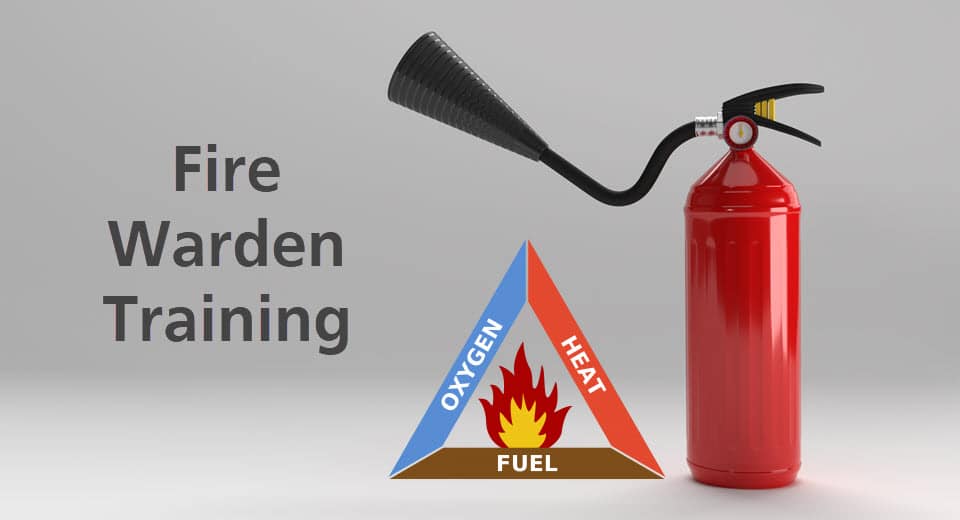
Fire Warden Training Australia: Course Duration and Certification Requirements
Fire warden course duration typically ranges from 3-4 hours, depending on the training provider and delivery method. Most fire warden training courses combine classroom instruction with practical exercises, ensuring participants gain both theoretical knowledge and hands-on experience.
Course costs vary across Australia, with group training often more economical for organisations training multiple fire wardens simultaneously. The certification remains valid for three years, after which refresher training is required to maintain competency and ensure awareness of any updates to emergency procedures or legislation.
Different states and territories may have specific requirements for fire warden training frequency and content. For example, some jurisdictions require annual refresher sessions, whilst others accept the three-year certification period. Employers should consult local fire services and Safe Work Australia guidance to ensure compliance with regional requirements.
Essential Fire Warden Duties During Different Emergency Scenarios
Workplace Emergency Evacuation Procedures: Fire Warden Actions
During fire emergencies, fire wardens follow established evacuation procedures beginning with immediate area assessment and occupant notification. The first priority involves ensuring all personnel in their designated area are aware of the emergency and begin moving toward designated emergency exits.
Fire wardens conduct systematic sweep searches of their assigned areas, checking offices, meeting rooms, and storage areas for remaining occupants. This process requires thorough knowledge of the facility layout and potential hiding spots where people might shelter during emergencies.
At the assembly area, fire wardens perform roll call procedures to account for all personnel from their designated zones. They maintain accurate headcount records and immediately report any missing persons to the chief fire warden or emergency services. This accountability process is crucial for search and rescue operations.
Need professional fire warden training for your organisation? First Aid Pro delivers on-site PUAFER005 courses tailored to your workplace environment. Our experienced trainers provide exceptional training services with course material specifically designed for Australian compliance requirements. Book your workplace fire warden training today.
Fire Emergency Response: R.A.C.E. Method and First Attack Firefighting
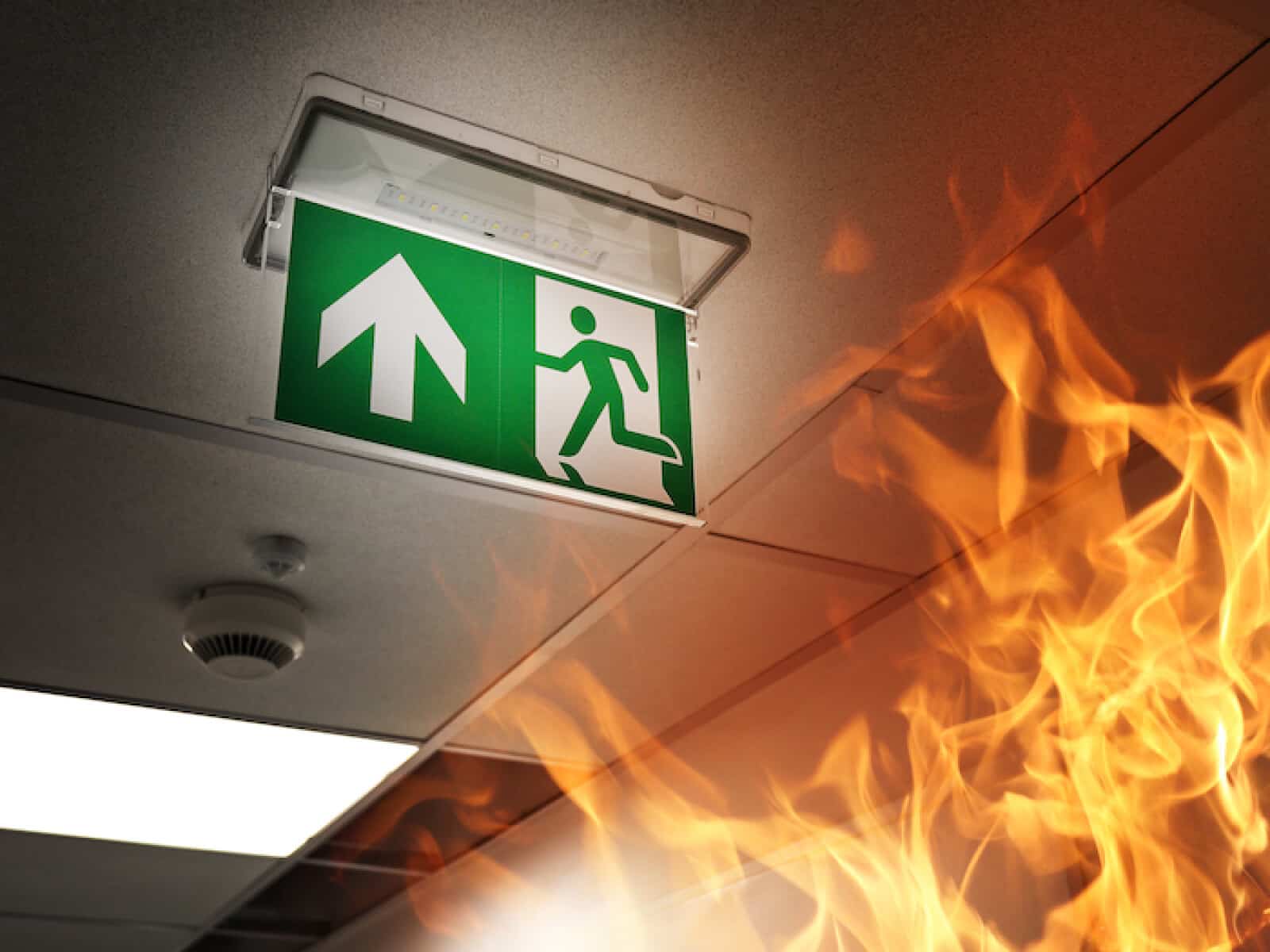
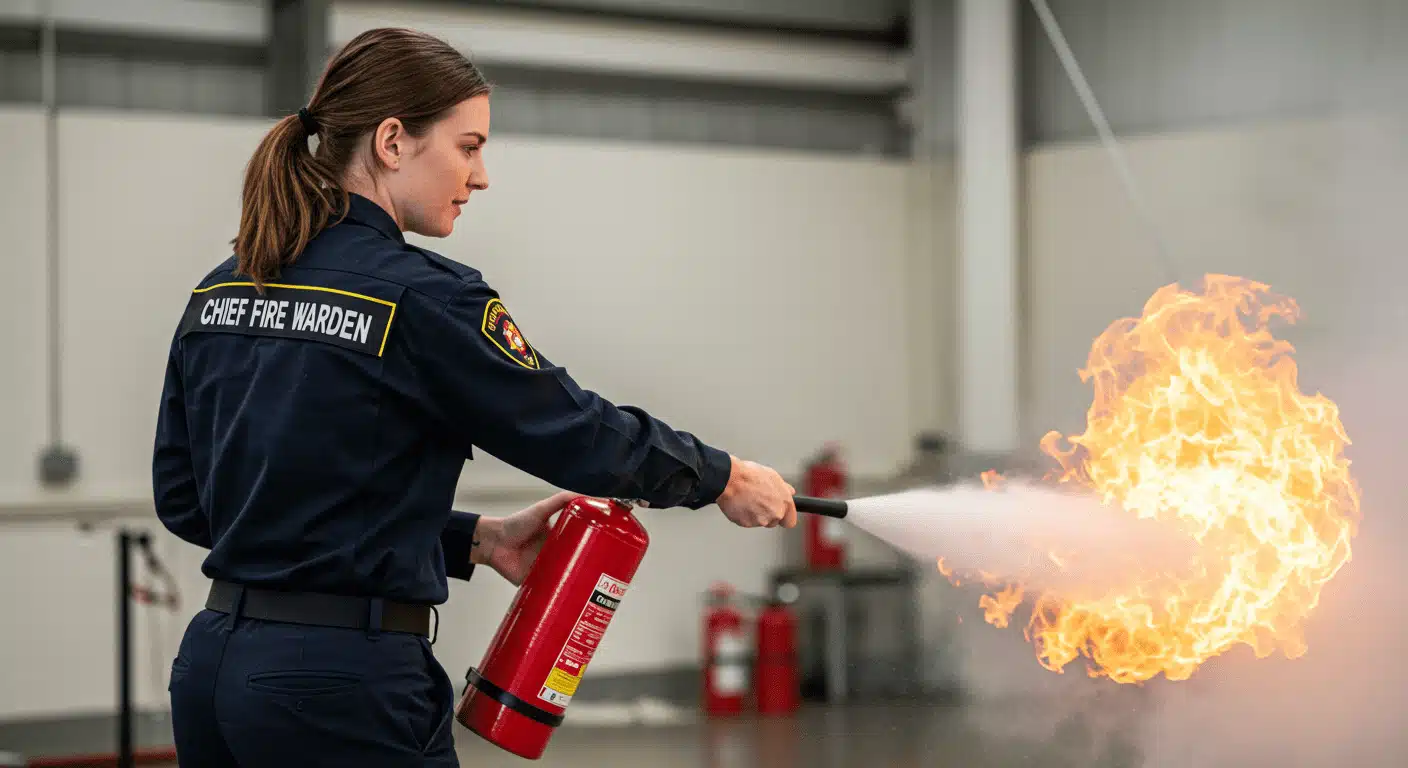
The R.A.C.E. method (Rescue-Alarm-Contain-Extinguish) provides fire wardens with a structured approach to fire emergency response. This systematic protocol ensures appropriate prioritisation of life safety over property protection whilst enabling effective initial response actions.
Rescue involves removing people from immediate danger, whilst Alarm encompasses both activating building alarm systems and notifying emergency services. Containment focuses on closing doors and windows to limit fire spread, and Extinguish covers appropriate use of fire extinguishers for small, manageable fires.
Fire wardens learn when first attack firefighting is appropriate versus when immediate evacuation is necessary. This decision-making process considers fire size, location, available escape routes, and personal safety. PUAFER008 training (confine small emergencies in facilities) provides additional fire extinguisher skills that complement PUAFER005 warden training.
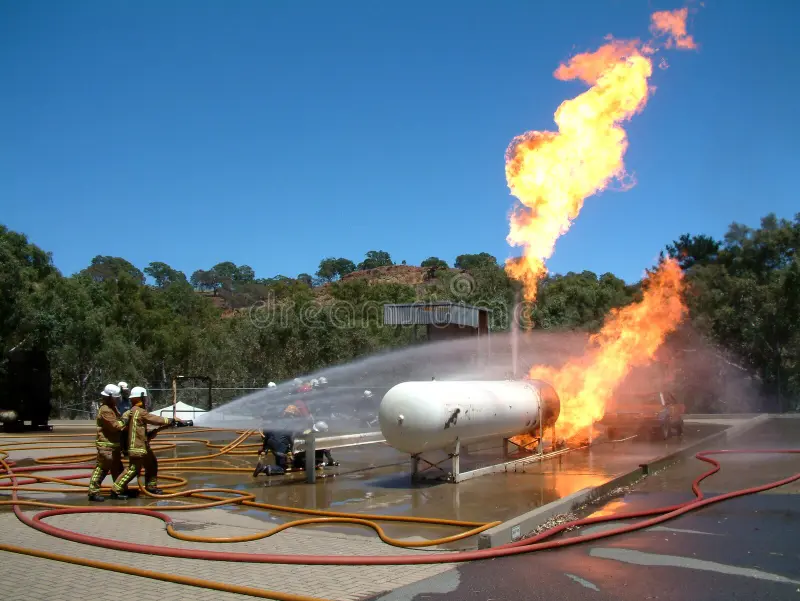
Handling Bomb Threats, Gas Leaks, and Medical Emergency Situations
Modern fire warden training extends beyond fire emergencies to include various workplace threats. Bomb threat procedures involve specific communication protocols, search techniques, and evacuation decisions based on threat credibility and law enforcement guidance.
Gas leak responses require understanding ventilation systems, ignition source elimination, and coordination with utility providers. Fire wardens learn to recognise gas leak indicators and implement appropriate containment measures whilst ensuring occupant safety.
Medical emergency scenarios test fire warden communication skills and coordination with paramedics. Wardens maintain scene safety, provide access for emergency services, and ensure accurate information relay regarding patient location and condition.
Emergency Type | Primary Warden Actions | Key Considerations |
Fire Emergency | Sweep, evacuate, contain | R.A.C.E. protocol |
Bomb Threat | Communicate, search, evacuate | Police coordination |
Gas Leak | Ventilate, eliminate ignition, evacuate | Utility coordination |
Medical Emergency | Secure scene, assist paramedics | Patient privacy |
AS 3745 Compliance and Emergency Planning Committee Requirements
How AS 3745 Planning for Emergencies in Facilities Shapes Fire Warden Training
Australian Standard AS 3745 establishes the framework for emergency planning in facilities, directly influencing fire warden training content and organisational requirements. This standard mandates that organisations develop comprehensive emergency plans incorporating trained personnel, clear procedures, and regular testing protocols.
Safe Work Australia guidance emphasises that effective emergency planning requires properly trained fire wardens who understand their roles within the broader Emergency Control Organisation. The standard specifies minimum training requirements, competency assessments, and ongoing professional development for emergency personnel.
Fire warden training must address facility-specific risks, evacuation routes, and assembly procedures outlined in the organisation’s AS 3745-compliant emergency plan. This integration ensures wardens can implement theoretical knowledge within their actual workplace environment, making training more relevant and effective.
Training providers incorporate AS 3745 requirements into course design, ensuring participants understand legal obligations alongside practical skills. This approach helps organisations demonstrate due diligence in emergency preparedness whilst protecting both employees and visitors during crisis situations.
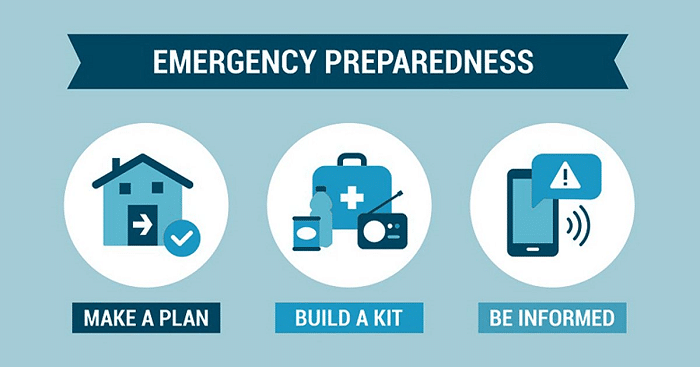
Emergency Planning Committee (EPC) and Fire Warden Coordination
The Emergency Planning Committee serves as the governance body responsible for developing, implementing, and maintaining facility emergency procedures. Fire wardens work closely with the EPC to ensure ground-level emergency response aligns with strategic planning and regulatory requirements.
EPC responsibilities include fire warden appointment, training oversight, and regular review of emergency procedures. Committee members typically include facility managers, safety officers, and senior fire wardens who provide operational insights for procedure development.
Regular fire drills and evacuation drills provide opportunities for EPC evaluation of fire warden duties, performance and procedure effectiveness. These exercises identify areas for improvement in both individual warden skills and overall emergency response coordination, ensuring continuous improvement in facility safety.
Special Considerations: Mobility-Impaired Evacuation and PEEP Implementation
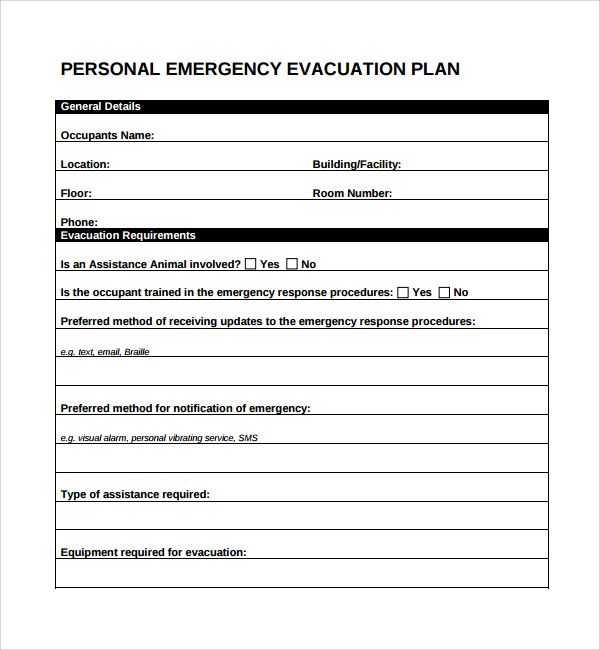
Personal Emergency Evacuation Plans (PEEP) and Fire Warden Responsibilities
Fire wardens receive specific training in supporting occupants with disabilities during emergency evacuations. Personal Emergency Evacuation Plans (PEEP) provide individualised strategies for assisting people with mobility impairments, sensory limitations, or cognitive conditions during emergency situations.
AS 3745 mandates inclusive evacuation procedures, requiring fire wardens to understand assistive equipment, alternative evacuation routes, and communication methods for occupants with diverse needs. This training ensures compliance with disability discrimination legislation whilst maintaining effective emergency response.
Fire warden duties include familiarising themselves with PEEP requirements for regular occupants and understanding procedures for assisting visitors with disabilities. This knowledge enables wardens to provide appropriate assistance without compromising their own safety or overall evacuation effectiveness.

Emergency Signals and Warnings: Fire Warden Communication Protocols
Modern emergency communication systems integrate various technologies including public address systems, visual alarms, and mobile alert platforms. Fire warden duties include learning to operate these systems effectively whilst understanding backup communication methods when primary systems fail.
Warden communication protocols establish clear reporting lines from area wardens to chief wardens to emergency services. This hierarchy ensures accurate information flow whilst preventing communication confusion during high-stress situations.
Training covers standard emergency signals, evacuation terminology, and coordination procedures with external emergency services. Fire wardens also learn to adapt communication methods for occupants with hearing impairments or language barriers, ensuring inclusive emergency response.
Choosing Fire Warden Training Providers and Course Options
Selecting appropriate fire warden training requires evaluating Registered Training Organisation (RTO) credentials, course content quality, and delivery methods that suit organisational needs. Reputable providers such as First Aid Pro offer both theoretical instruction and practical exercises using realistic emergency scenarios.
Quality fire warden courses include facility-specific customisation, allowing training to address unique workplace risks and evacuation challenges. On-site training options enable organisations to train multiple personnel simultaneously whilst incorporating actual workplace conditions into practical exercises.
Transform your workplace safety with professional fire warden training. First Aid Pro’s PUAFER005 course provides comprehensive coverage of all fire warden duties and emergency response procedures. Our expert trainers deliver engaging, practical sessions that prepare your team for real-world emergency situations. Enrol your team in PUAFER005 training with First Aid Pro.
Course integration opportunities include combining PUAFER005 with PUAFER006 (chief warden training) and PUAFER008 (fire extinguisher operation) to develop comprehensive emergency response capabilities. This bundled approach often provides cost savings whilst ensuring consistent training standards across the Emergency Control Organisation.
Fire Warden Training Comparison Table
Training Aspect | PUAFER005 (Fire Warden) | PUAFER006 (Chief Warden) | PUAFER008 (Fire Extinguishers) |
Duration | 3 hours | 4-5 hours | 2-4 hours |
Certification Period | 3 years | 3 years | 3 years |
Target Role | Area fire warden | Chief/deputy chief fire warden | First attack firefighting |
Key Skills | Evacuation, communication | Leadership, coordination | Fire extinguisher operation |
Prerequisites | None | PUAFER005 recommended | None |