



Sharon has 21+ years of experience as a qualified Emergency Care Nurse registered with the Australian Health Practitioner Regulation Agency (APHRA) and 12+ years as a First Aid Trainer.
She takes pride in FirstAidPro making first aid training available, comprehensive and affordable to everybody.
Prompt and immediate first aid for burns is crucial, as it can help alleviate pain and prevent further damage or complications. Many factors can lead to burns, such as:
- Burns from hot drinks or scalding liquids
- Fires, such as those caused by lit candles, lighters, and matches.
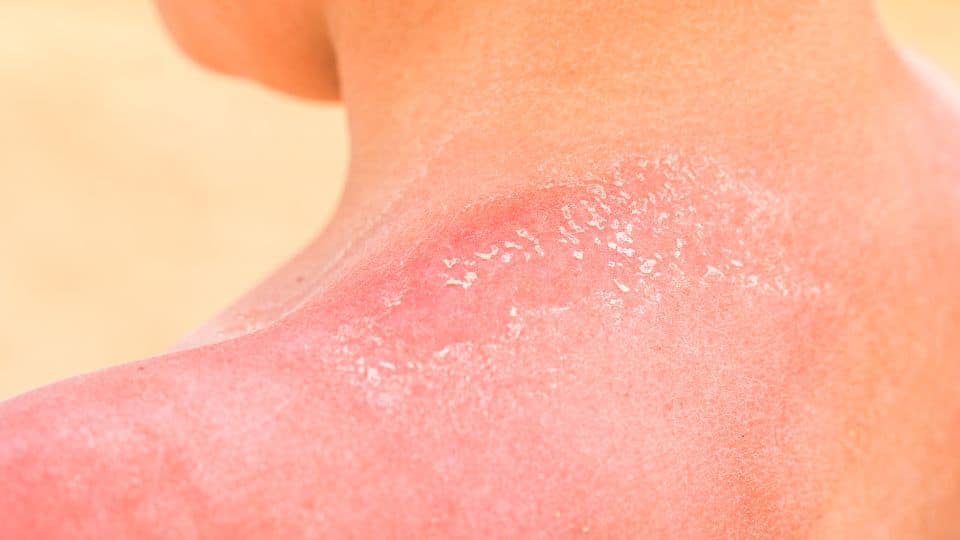
- Overexposure to the sun, ultraviolet (UV) radiation or lightning
- Chemical Burns
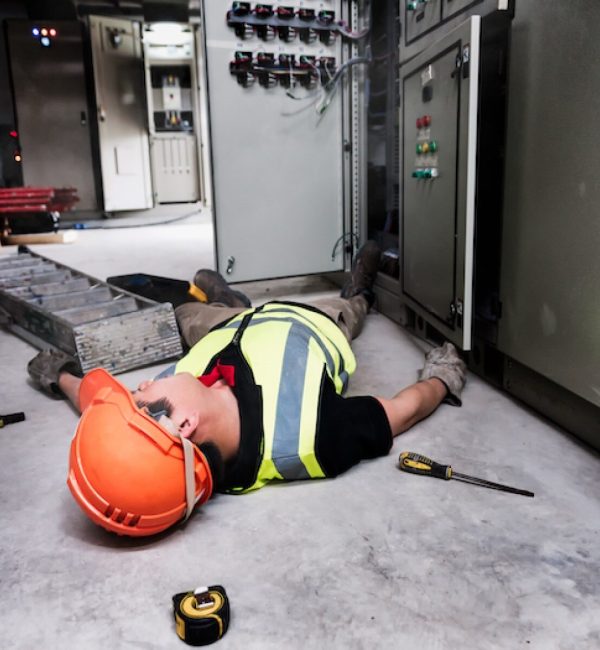
- Electrical Burns
First aid for burns must be administered immediately to any victim of a burn. A partial or full-thickness burn necessitates immediate medical attention. Extreme burns often necessitate a skin graft procedure.
What Are The 4 Stages Of Burns?
- First-degree burns(Superficial)
- Second-degree burns( Partial thickness)
- Third-degree burns(Full thickness)
- Fourth-Degree Burns
Burns and scalds can result from heat, chemicals, electricity, or radiation exposure. A burn injury’s intensity can be classified into four stages/burn levels:
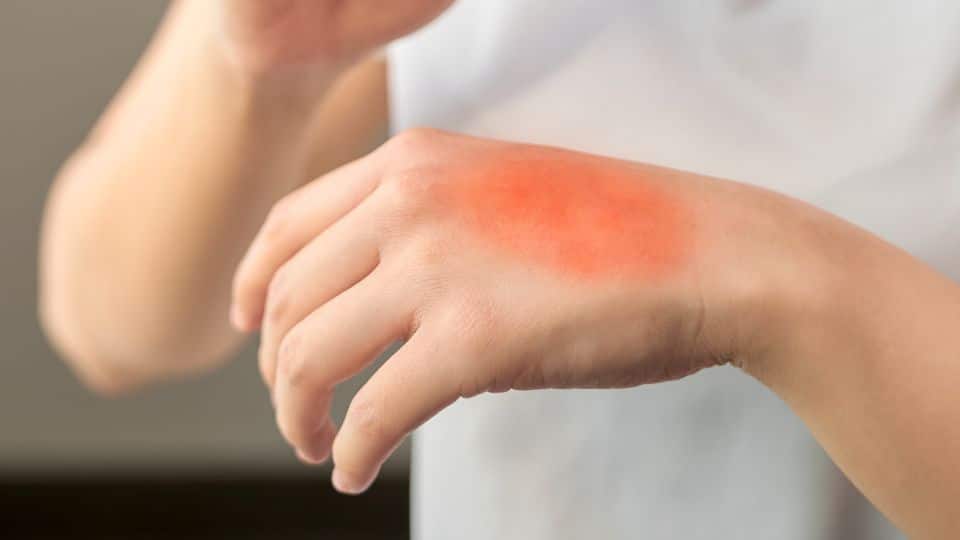
First-degree burns(Superficial) affect the outer layer of the skin and typically result in redness, pain, and mild swelling.
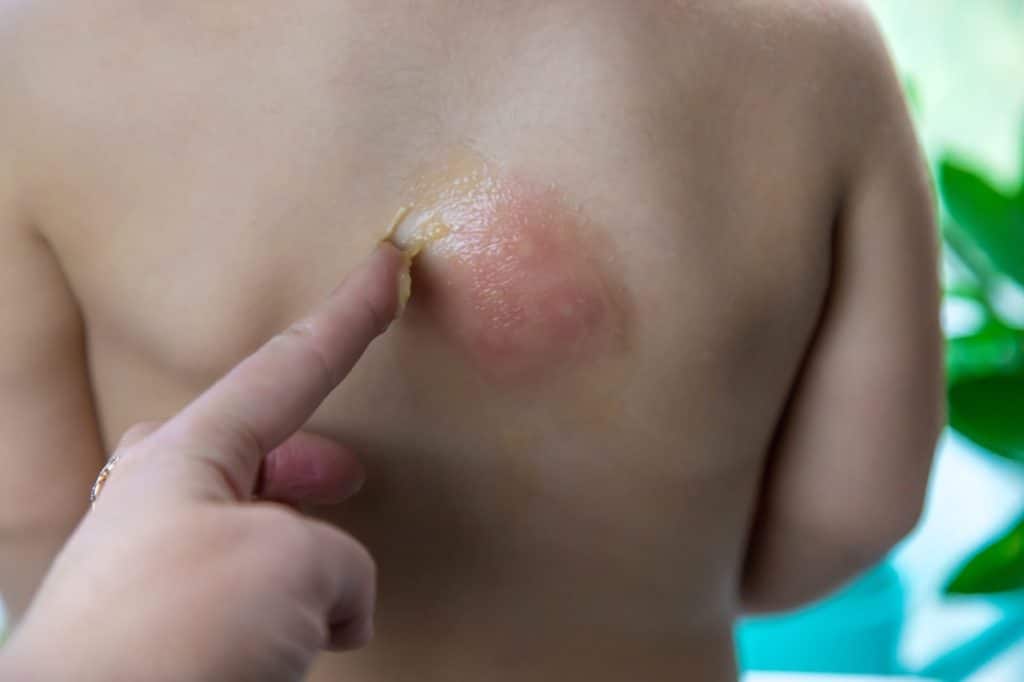
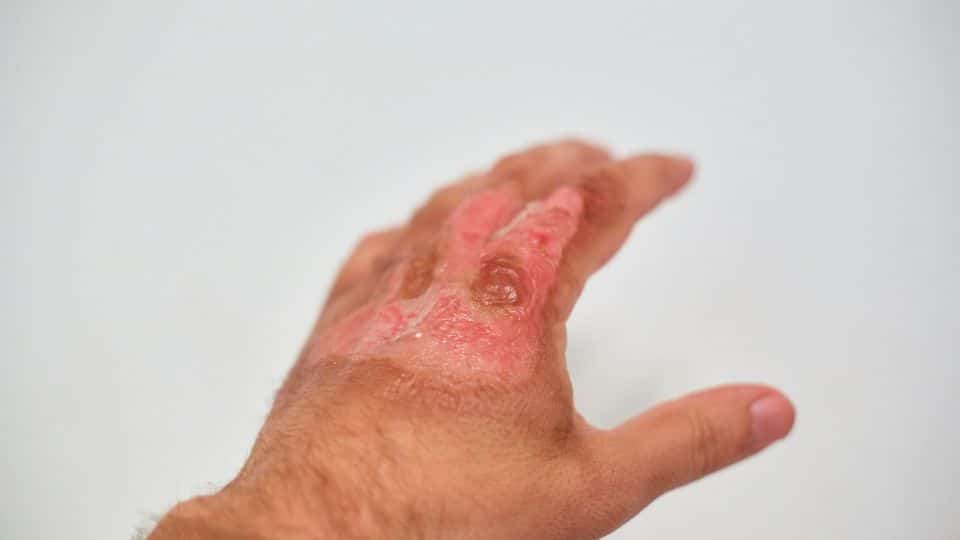
Second-degree burns( Partial thickness) involve the skin’s outer and underlying layers, causing blisters, intense pain, and swelling.
Third-degree burns(Full thickness) are the most severe, damaging all layers of the skin and potentially affecting the underlying tissues, resulting in white or charred skin.
Fourth-Degree Burns penetrate deeper tissue, possibly including muscle and bone, as well as both layers of skin. Since the nerve endings have been damaged, there is no sensation there.
Do Minor Burns Cause Any Complications?
While generally less severe, even minor or mild burns can lead to complications such as infection, scarring, and changes in skin pigmentation, highlighting the importance of proper care and attention to prevent adverse outcomes.
How Serious Burns Can Cause Clammy Skin?
Yes, a burn, whether an electrical burn, a chemical burn, or caused by contact with a hot food, object or substance, can cause clammy skin in the affected person. Clammy skin may indicate a serious burn, requiring further medical treatment. It is important to address the burning process, remove any contaminated clothing, and provide appropriate care for the painful skin.
What Are The 4 Potential Complications That Can Arise From Large Or Deep Burns?
- Injury to lungs
- Heat loss (hypothermia)
- Infection
- Hypovolaemia
Heat loss(hypothermia): A burned person is vulnerable to hypothermia because their injured epidermis cannot efficiently regulate body temperature. Hypothermia occurs when a person’s body temperature drops below 35 degrees Celsius.
Injury to lungs: Inhaling smoke can cause considerable lung damage, leading to shallow breathing.
Infection: It is a significant issue for burn victims because the injured skin is susceptible to bacterial or fungal infection.
Hypovolaemia: Hypovolemia, a fluid loss condition brought on by burns, can cause shock as it reduces the level of blood in circulation.
Other Complications Of Major Burns Include:
Major, deep or widespread burns might result in the following complications:
- A bacterial infection that can progress to bloodstream infection (sepsis)
- Bone and joint issues, such as when scar tissue causes skin, muscles, or tendons to shorten and tighten (contractures)
- Scars or ridged regions caused by scar tissue overgrowth (keloids)
Management For Burns
Management for burns involves treating burns by providing immediate first aid to the burn victim, such as cooling the burn under cold running water and covering it with a clean burn bandage or dressing. The use of appropriate burn aid, such as burn creams or ointments, can aid in pain relief and promote healing.
What To Use For Burns First Aid
It is recommended to keep burns first aid kit on hand for burns first aid. This kit may contain necessary goods such as burn dressing, sterile gauze, burn ointment or cream, nonstick adhesive bandages, and pain relievers. In the event of burn injuries, having a well-stocked burn first aid kit can help give prompt care and alleviate agony.
What Is The First Aid For Burns?
The following measures should be regarded as initial first aid treatment for burns:
- Ensure your safety and remove the burn victim from the source of danger, heat or chemicals.
- Call emergency services immediately if the burn is severe or affects a large body area.
- For small burns, cool the injured region under cold running water for at least 20 minutes to relieve discomfort and prevent additional tissue damage.
- Do not use ice, iced water, creams, or butter on the burn, as these can worsen the injury.
- Remove any constrictive items near the burned area, such as jewellery or clothing, as swelling may occur.
- Washing off chemicals like alkalis and acids with running water for 20 minutes is recommended. However, care should be taken to avoid splashing the chemicals onto undamaged skin or others.
- Cover the burn area with a clean, non-stick dressing or cloth to protect it from infection.
- Pain and inflammation may be alleviated by over-the-counter drugs. These include ibuprofen and acetaminophen.
- Second and third-degree burns should not be treated with anything besides water until medical personnel have examined them.
- Deep burns are a medical emergency that must be treated right away. Dial 000 for an ambulance right away.
Enrolling in a first aid course offered by a nationally recognised service provider is highly recommended. By doing so, you can ensure that you receive comprehensive training in first aid techniques and protocols for burns. This will teach you the skills and information you need to respond to burn emergencies and provide prompt aid.
Treatment For Burns
The following interventions may be used when seeking medical care for burns at a hospital emergency department:
- To ease the extreme pain associated with burns, pain relief treatment techniques such as administering morphine or other appropriate analgesics may be required.
- Use a cool shower or moderate irrigation with cool water to cool the burn and prevent further tissue damage.
- During serious burns, intravenous fluids may be infused through a drip to restore fluid balance and prevent dehydration.
- Intensive medical monitoring will examine vital signs, hydration status, and general patient state to ensure timely interventions and proper management.
Where To Get Help?
Call triple zero (000) for an ambulance immediately if you need help with a severe burn or have trouble breathing. The following options should be considered when seeking assistance for burns that do not require immediate medical attention:
- If you’ve suffered a burn, seeing a family doctor for an initial evaluation and some advice is best.
- Those in urgent need of burn treatment should head to the nearest hospital’s emergency room.
- Consult a burns unit for specialised care and treatment if your burn damage is severe or complex.
- Always remember that getting medical attention quickly is essential, depending on the intensity and type of burn.
Burns Dressing And Burn Care
The following protocol should be followed :
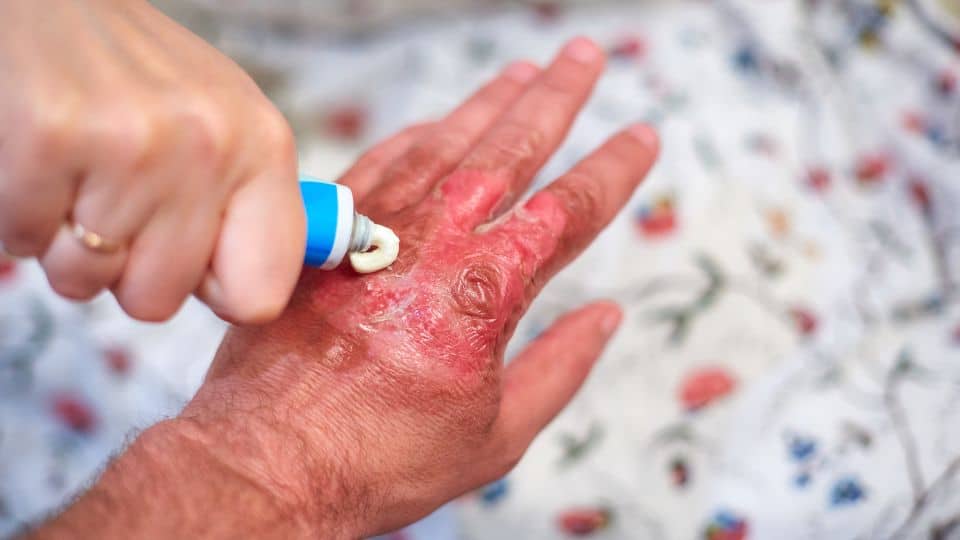
- Burn dressings are intended to protect the wound from infection while enabling it to heal.
- Non-stick dressings like hydrogel or silicone are commonly used for superficial burns.
- Apply a layer of burn cream or burn ointment, such as silver sulfadiazine, to the burn before covering it with a dressing.
- Ensure the dressing is sterile and changed regularly to prevent infection.
- Avoid popping or breaking any blisters that may have formed, as they act as a natural barrier against infection.
- Keep the burned area elevated to minimise swelling and promote blood flow.
- Follow the advice of a healthcare professional for more severe burns that may require specialised care.
Admission To A Burns Unit
When admitting patients to a specialised burns unit, hospital emergency department personnel use national criteria to evaluate the necessary care. Among these guidelines are:
- Admission to a burns unit may be required for children who suffer partial or full-thickness burns that cover more than 5% of their body surface.
- Adults may need to be admitted to a burns unit if they suffer partial or full-thickness burns that cover more than 10% of their body surface.
- Circumferential burns, which encircle the body, may necessitate specialised treatment in a burns unit.
- Admission to a burns unit is usually indicated if a patient has respiratory burns that affect the lungs or other elements of the respiratory system.
- Critical burns to the hands, feet, face, perineum (genital area), and joints may demand admission to a burns unit for the best care.
- Chemical burns produced by corrosive material exposure usually necessitate admission to a burns unit due to the specialised care and treatment required.
- Electrical burns caused by electrical shock or exposure to high-voltage electricity frequently necessitate the expertise of a burns unit.
When Is Skin Graft Surgery Required For Burns?
Skin grafts are required when the body cannot repair the injury naturally. The severity and location of the burns determine the specifics of skin graft surgery. Skin grafts are often performed in an operating room under anaesthesia to guarantee patient comfort and safety.
Steps Self Care For Burns
It’s crucial to adhere to your doctor’s instructions regarding self-care for burns. However, here are some general suggestions to consider:
- To achieve optimal healing and reduce problems, follow all self-care instructions supplied by your doctor.
- Rest as much as possible to help healing and improve total recovery.
- Avoid moving or straining the affected area, which could injure the skin graft and impede healing.
- Keep your dressings dry, as moisture can interfere with the healing process. Follow the directions for keeping the dressings dry.
- To lower the chance of infection, take antibiotics as your doctor prescribes. It is critical to finish the entire course.
- If you notice any strange symptoms or worry about your healing progress, get medical assistance immediately and consult your doctor.
What Are The First Aid Procedures For Major Burns?
Major burns involve extensive damage to the skin and require immediate medical attention. The first Aid procedure for major Burns:
- While waiting for medical assistance, make sure the victim is safe and get them away from whatever caused the burn if you can.
- Tell the victim to “stop, drop, and roll” if their clothes catch fire.
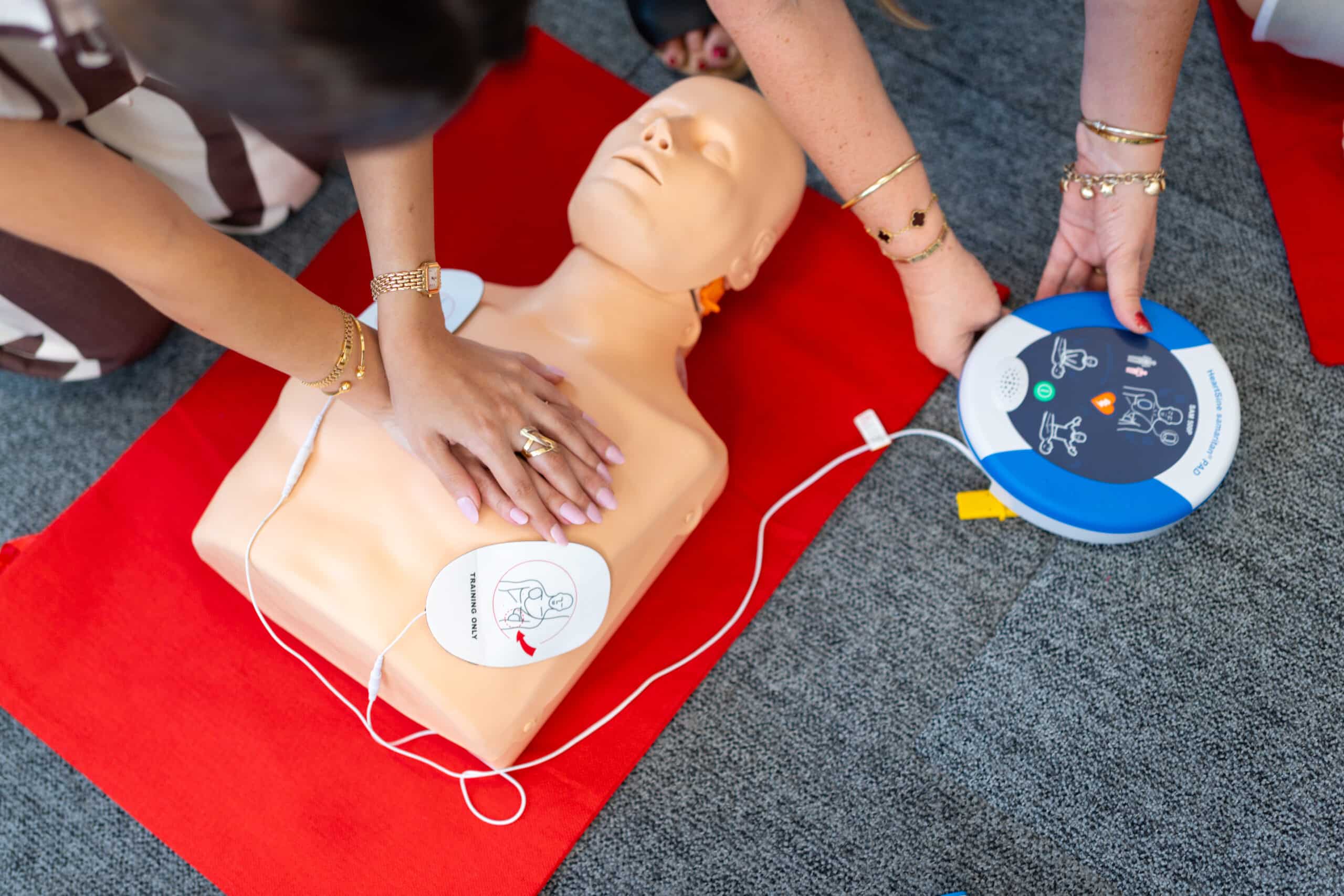
- Check the victim’s airway, breathing, and circulation, and perform CPR if necessary.
- Cover the burn with a cool, sterile dressing or a clean cloth.
- Do not immerse the victim in cold water, which can lead to hypothermia.
- Comfort the victim and provide reassurance until medical help arrives.
It’s best to get help from someone trained in first aid. If the burn victim’s condition deteriorates, they can provide crucial lifesaving assistance thanks to their specialised knowledge of treating burns. Getting first aid training from an accredited provider is a good idea if burns or burn-related injuries are common in your home or place of employment.
Conclusion
Administering proper first aid for burns is vital in mitigating the effects of burn injuries and promoting a quicker recovery. Remember to cool the burn under cold running water, cover it with a non-stick dressing, and seek medical assistance for severe burns. Knowledge of burn management and following the appropriate first aid procedures can help alleviate pain, prevent infection, and support the healing process for burn victims.