


Sharon has 21+ years of experience as a qualified Emergency Care Nurse registered with the Australian Health Practitioner Regulation Agency (APHRA) and 12+ years as a First Aid Trainer.
She takes pride in FirstAidPro making first aid training available, comprehensive and affordable to everybody.
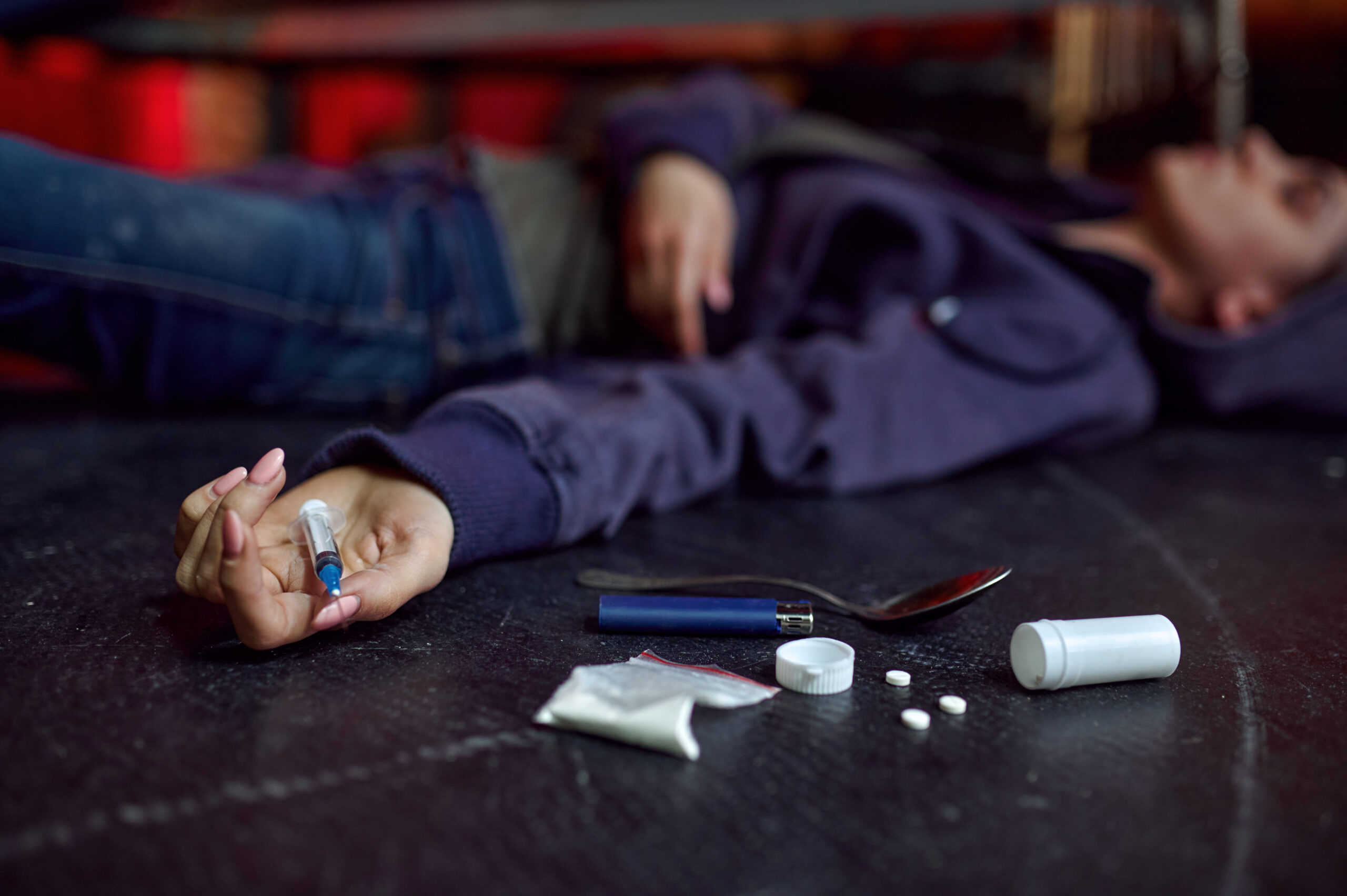
When faced with a drug overdose emergency, your quick thinking and decisive actions can mean the difference between life and death.
You’re about to discover the vital steps you should take to potentially save someone’s life. While it’s a formidable situation, knowing what to do can empower you to act swiftly and effectively. These ten steps will guide you through the process, from recognising the signs of an overdose to providing essential care until professional help arrives.

Key Takeaways
- Recognise signs of overdose, including slow breathing, blue lips, confusion, and unresponsiveness.
- Call emergency services immediately, providing location, symptoms, and known substances consumed.
- Check breathing, performing rescue breathing or CPR if necessary.
- Administer naloxone if available for opioid overdoses, following package instructions carefully.
- Place the person in the recovery position if unconscious but breathing, and stay with them until help arrives.
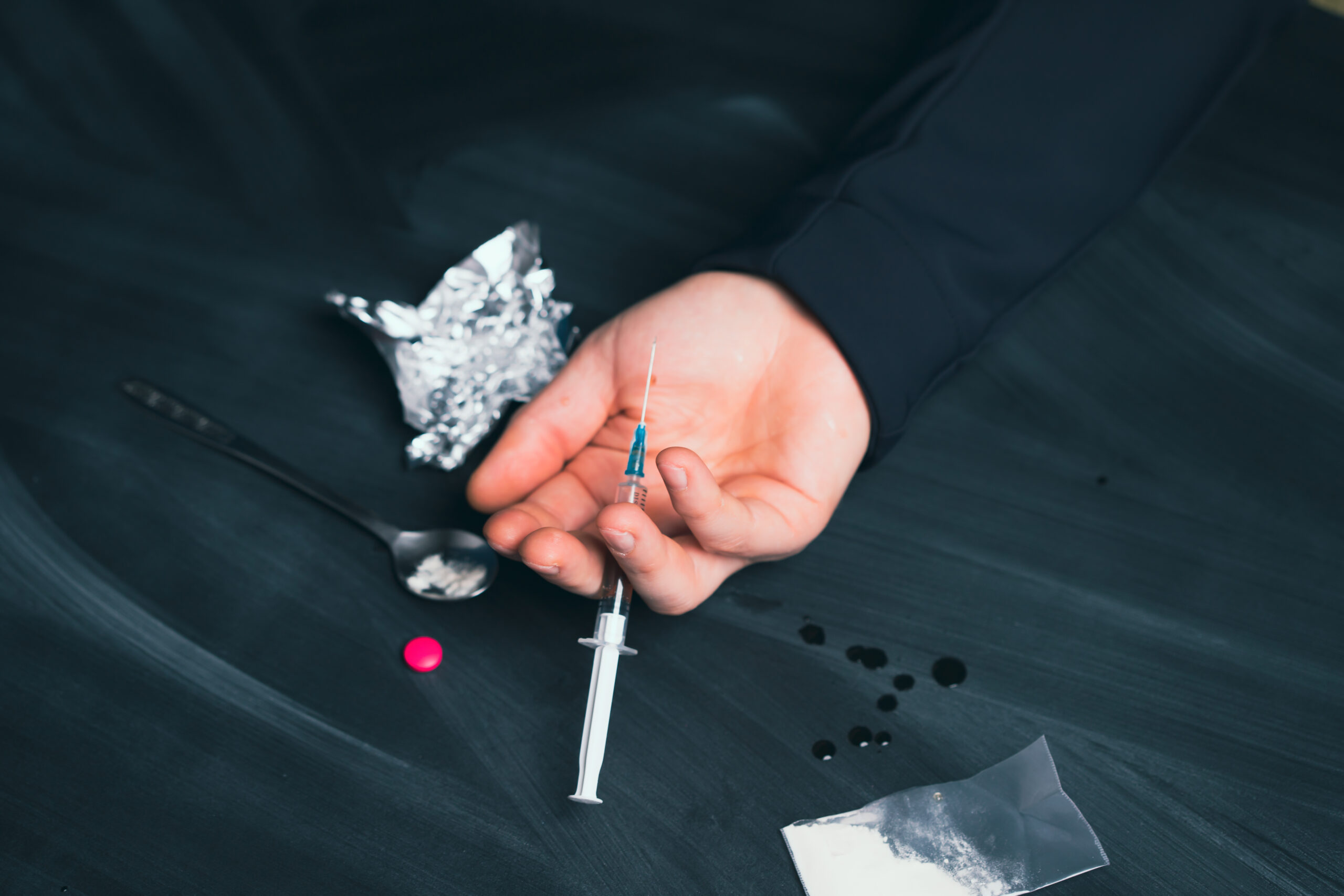
Recognise Signs of a Drug Overdose Emergency
Recognising the signs of an overdose is essential for quick intervention and can save a life. Overdose symptoms can vary depending on the drug type, but there are several common indicators you should be aware of.
For opioid overdoses, look for slow or shallow breathing, blue lips or fingertips, and pinpoint pupils. The person may be unresponsive or difficult to wake up.
Stimulant overdoses, such as those from cocaine or methamphetamine, often present with chest pain, seizures, severe agitation, and elevated body temperature. In contrast, depressant overdoses, including alcohol and benzodiazepines, may cause slurred speech, confusion, and loss of consciousness.
Pay attention to unusual behaviour, such as extreme drowsiness, confusion, or erratic movements. Vomiting, especially while unconscious, is a serious concern as it can lead to choking.
First Aid Steps For Drug Overdose
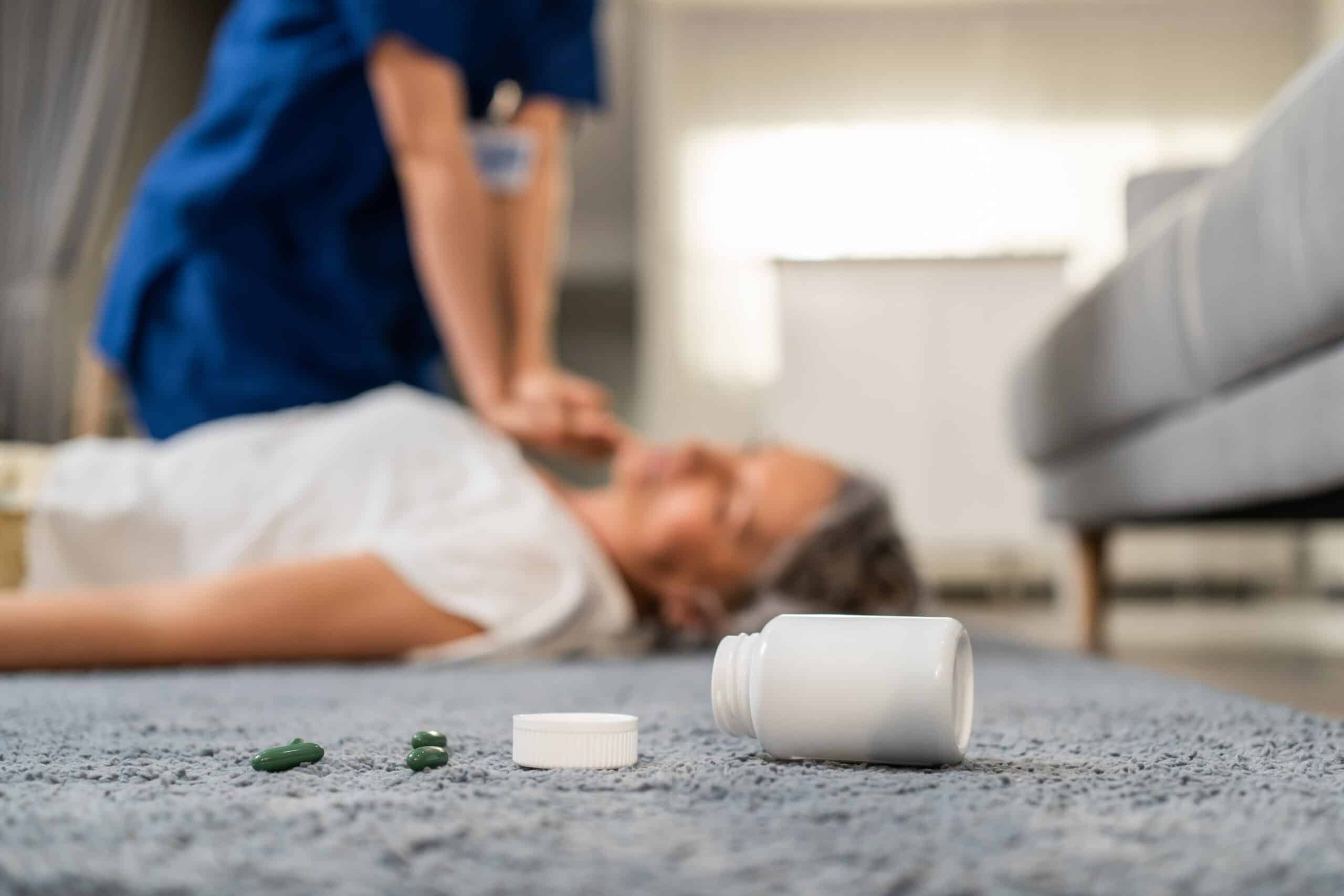
Call Emergency Services Immediately
In the face of a suspected overdose, your immediate priority should be to call emergency services without delay. Dial your local emergency number (000 in Australia) and clearly state that you’re dealing with a potential overdose situation.
Provide the dispatcher with your exact location, including address, floor, and any specific directions to reach you. While on the call, describe the victim’s symptoms and any known substances they’ve consumed. Be prepared to answer questions about the person’s age, weight, and medical history if you have this information.
Don’t hang up until instructed to do so by the dispatcher, as they may provide life-saving instructions. If possible, designate someone else to make the call while you stay with the victim. Keep your phone’s emergency contacts updated to streamline this process.
Check Breathing, Airways and CPR
While waiting for emergency services to arrive, you’ll need to assess the victim’s breathing and circulation immediately.
Check for signs of breathing by watching the chest for movement and listening for breath sounds. If the person isn’t breathing, start rescue breathing techniques right away. Tilt their head back, pinch their nose, and give two rescue breaths, watching for chest rise.
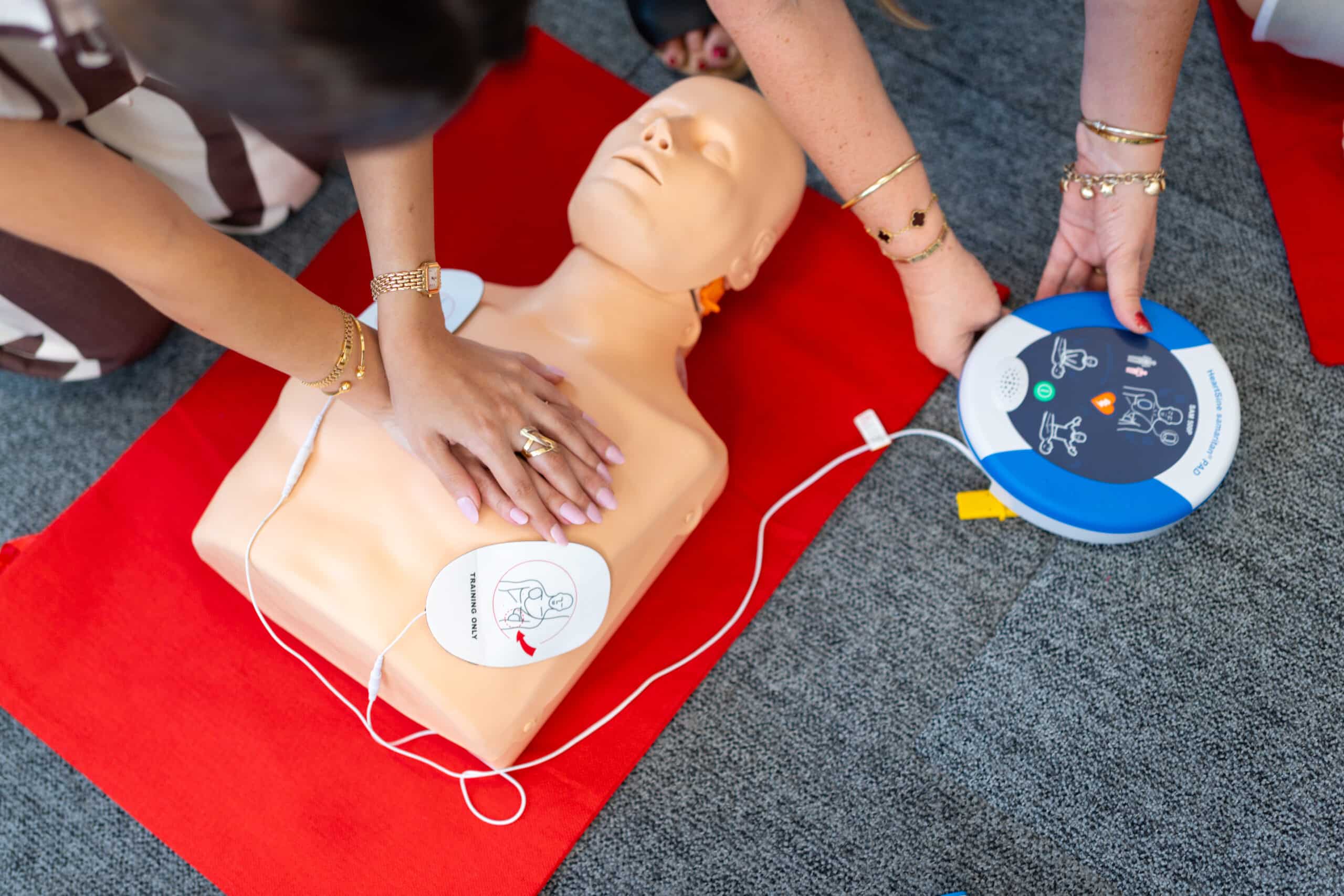
Place the heel of your hand on the centre of the chest, interlace your fingers, and compress at a rate of 100-120 compressions per minute.
Alternate between 30 chest compressions and two rescue breaths. Continue this cycle until emergency services arrive or the person starts breathing on their own.
If you’re untrained in CPR, focus solely on chest compressions. Remember, quick action is vital in an overdose situation. Your efforts to maintain breathing and circulation can be life-saving while waiting for professional help to arrive.
Administer Naloxone if Available
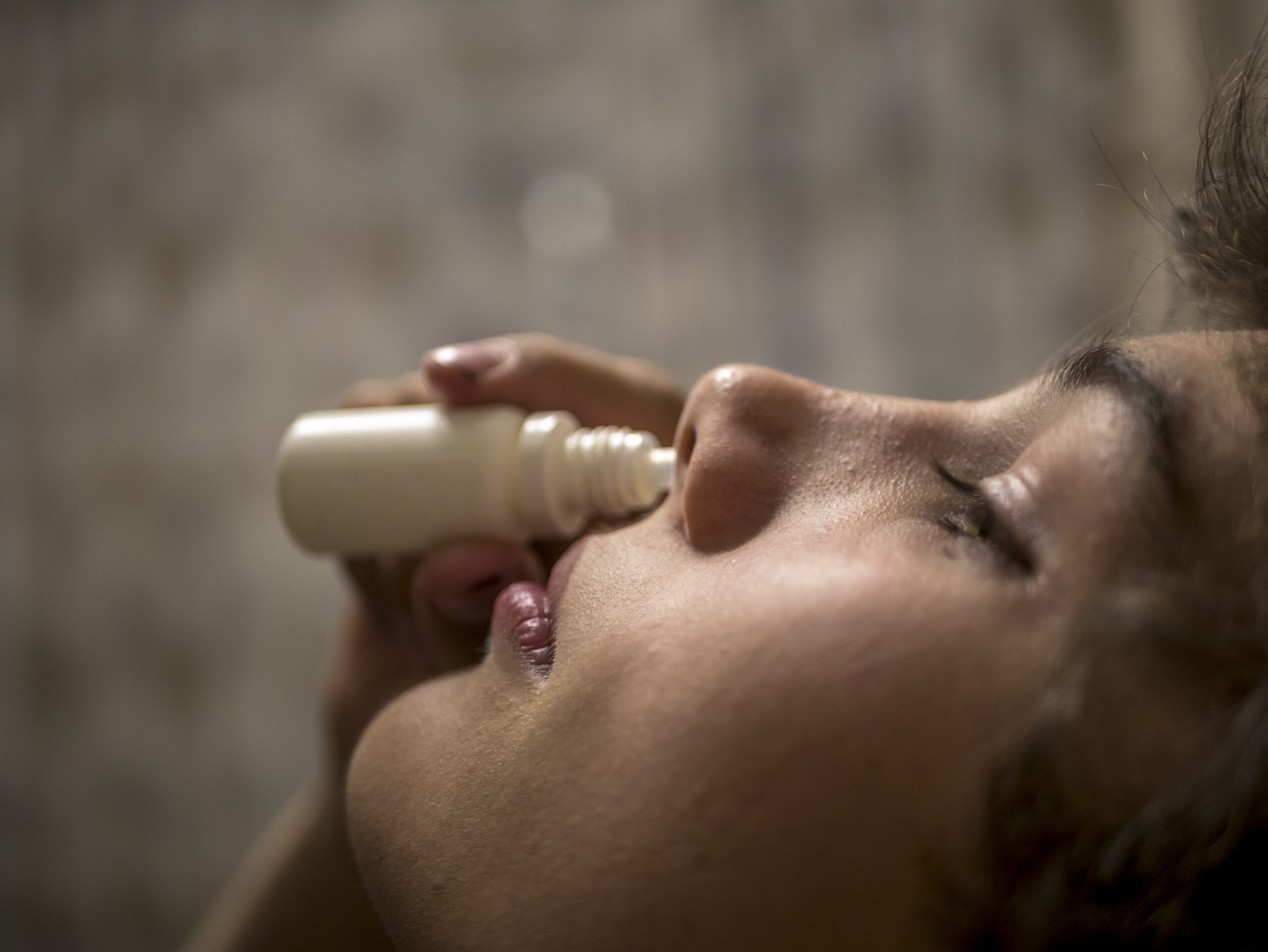
Naloxone, a life-saving medication, can reverse the effects within minutes of an overdose from illegal or prescription opioids which can include Heroin, morphine, codeine and oxycodone. If you’ve received naloxone training or have access to it during an overdose emergency, it’s essential to administer it promptly. Naloxone works by quickly blocking opioid receptors in the brain, potentially saving the person’s life.
Here’s what you need to know about administering naloxone:
- It’s available in nasal spray or injectable forms
- Follow the instructions on the package carefully
- Administer the first dose immediately
- Call emergency services even if naloxone is given
- Be prepared to give additional doses if needed
Place Person in Recovery Position

The recovery position is an essential step in managing an unconscious person who’s breathing normally. After you’ve administered naloxone or if it’s unavailable, you need to verify the person’s airway remains open and clear. The recovery position helps prevent choking and allows any fluids to drain from the mouth.
To place someone in the recovery position, follow these steps:
- Kneel beside the person and straighten their legs.
- Place the arm nearest to you at a right angle to their body, elbow bent with the palm facing up.
- Bring their other arm across their chest, and hold the back of their hand against their cheek on your side.
- With your other hand, grasp the far leg just above the knee and pull it up, keeping the foot flat on the ground.
- Carefully roll the person towards you onto their side.
- Adjust the top leg so both the hip and knee are bent at right angles.
- Tilt the head back slightly to keep the airway open.
- Make sure the hand under the cheek is positioned to support the head.
This safe positioning helps maintain an open airway and prevents the person from rolling onto their back or face.
Stay With the Individual

Remaining with the overdose victim is essential until emergency services arrive. Your presence can make a vital difference in their survival and recovery. Stay calm and focused, as your composure will help maintain a stable environment for the individual in crisis.
Provide emotional support by speaking in a soothing voice, even if the person is unresponsive. Your words may offer comfort and reassurance. If they’re conscious, keep them awake and engaged in conversation. This helps you assess their condition and prevents them from slipping into unconsciousness.
Provide Relevant Information to Responders
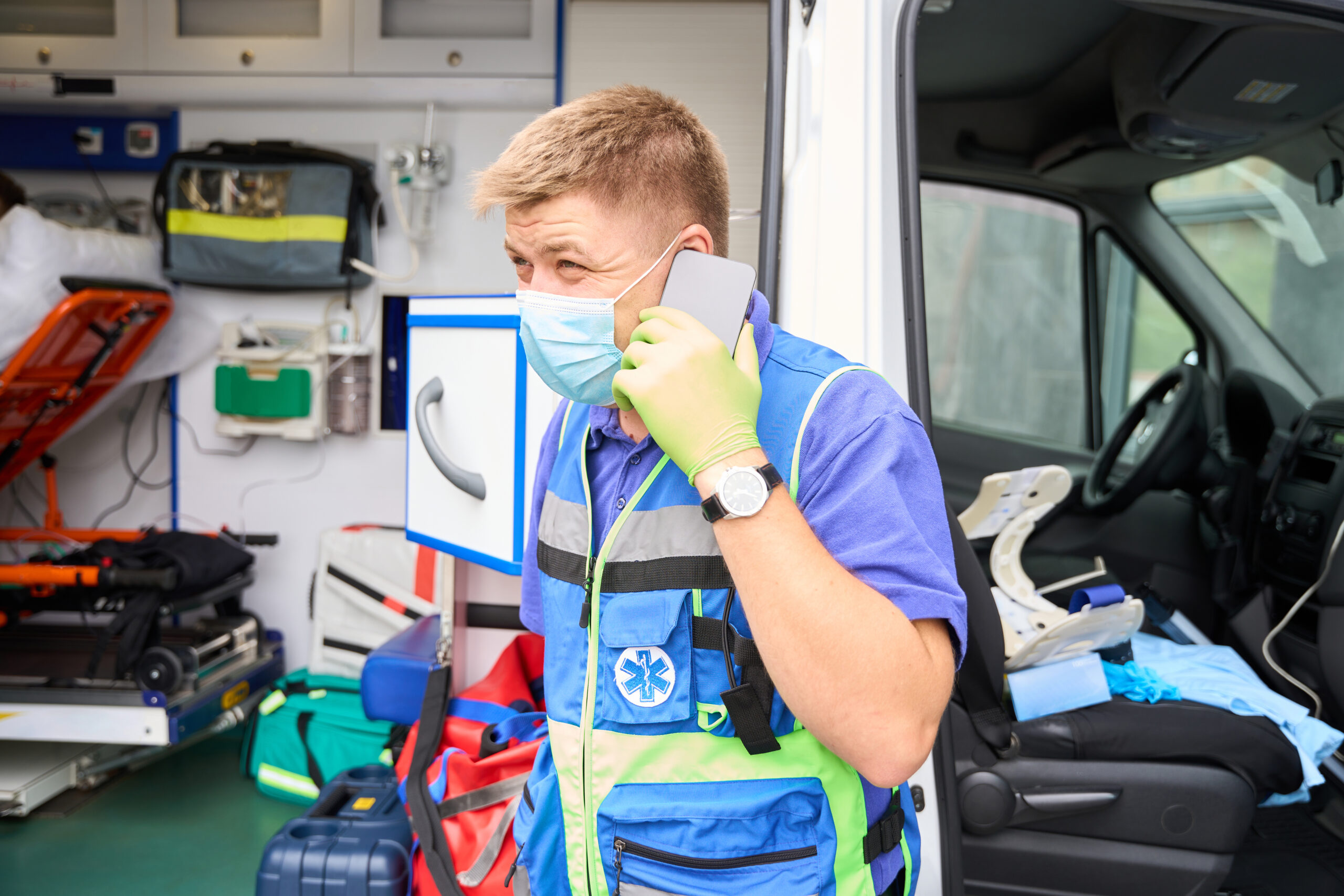
When emergency responders arrive, you’ll need to quickly provide them with accurate and relevant information about the overdose situation.
Tell them what substance you believe the person has taken, how much, and when. If you know about any other drugs or alcohol they’ve consumed, share this information too. Mention any known medical conditions or allergies the individual has.
Describe the symptoms you have observed and any actions you have taken, such as administering naloxone or performing CPR. If you have the substance or its packaging, show it to the responders. They may need to know how the person took the drug—whether it was ingested, injected, or inhaled.
Follow up With Medical Care
After the immediate crisis has passed, it’s important to follow up with thorough medical care for the person who experienced the overdose. Make sure they attend all scheduled follow-up appointments with their healthcare provider. These visits are vital for monitoring recovery, adjusting treatment plans, and preventing future incidents.
During follow-up care, doctors may recommend additional tests or treatments to address any complications from the overdose. They’ll also evaluate the need for substance abuse treatment or mental health support. Encourage the individual to be honest about their substance use and any underlying issues to receive the most suitable care.
Take advantage of aftercare resources provided by hospitals, rehabilitation centres, or community organisations. These may include support groups, counselling services, or educational programs about addiction and recovery. Help the person connect with these resources and offer support in their ongoing recovery journey.
Frequently Asked Questions
How do I approach discussing overdose prevention with a loved one I suspect is using drugs?
Approaching someone about drug use requires compassion and sensitivity. Choose a private moment when both of you are sober. Use “I” statements like “I’m worried about you” rather than accusatory language. Focus on specific behaviours you’ve observed, not assumptions. Offer to help them find resources such as counselling or support groups. Remember that addiction is complex, and they may not be ready for help immediately.
What legal protections exist for people who report or experience an overdose?
Many regions have Good Samaritan laws for drug overdose situations. These provide limited immunity from drug possession charges for people who seek emergency help during an overdose. This protects both the person experiencing the overdose and the person calling for help. The aim is to remove fear of legal consequences as a barrier to seeking help. Some areas also have additional protections for people carrying naloxone or other overdose prevention tools.
How can communities better prepare for preventing and responding to overdose emergencies?
Communities can organise naloxone training sessions for residents and local workers to expand response capabilities. Establishing needle exchange programs and drug checking services helps reduce harm. Working with local health departments on public education campaigns can help people recognise overdose signs and reduce stigma. Supporting peer recovery programs and expanding access to evidence-based treatment provides longer-term solutions.