



Sharon has 21+ years of experience as a qualified Emergency Care Nurse registered with the Australian Health Practitioner Regulation Agency (APHRA) and 12+ years as a First Aid Trainer.
She takes pride in FirstAidPro making first aid training available, comprehensive and affordable to everybody.
First Aid For Falls – What You Need To Know
Falling is a frequent occurrence and can affect anyone at any place and time. From simple trips to serious falls, including those common in dancing, it’s crucial to understand first aid techniques for such incidents. Applying first aid effectively can greatly influence the recovery, health and future mobility of the fall victim. This article outlines methods for administering first aid to individuals who have fallen, detailing immediate actions post-fall and how to evaluate and manage potential injuries.
Learn Critical First Aid
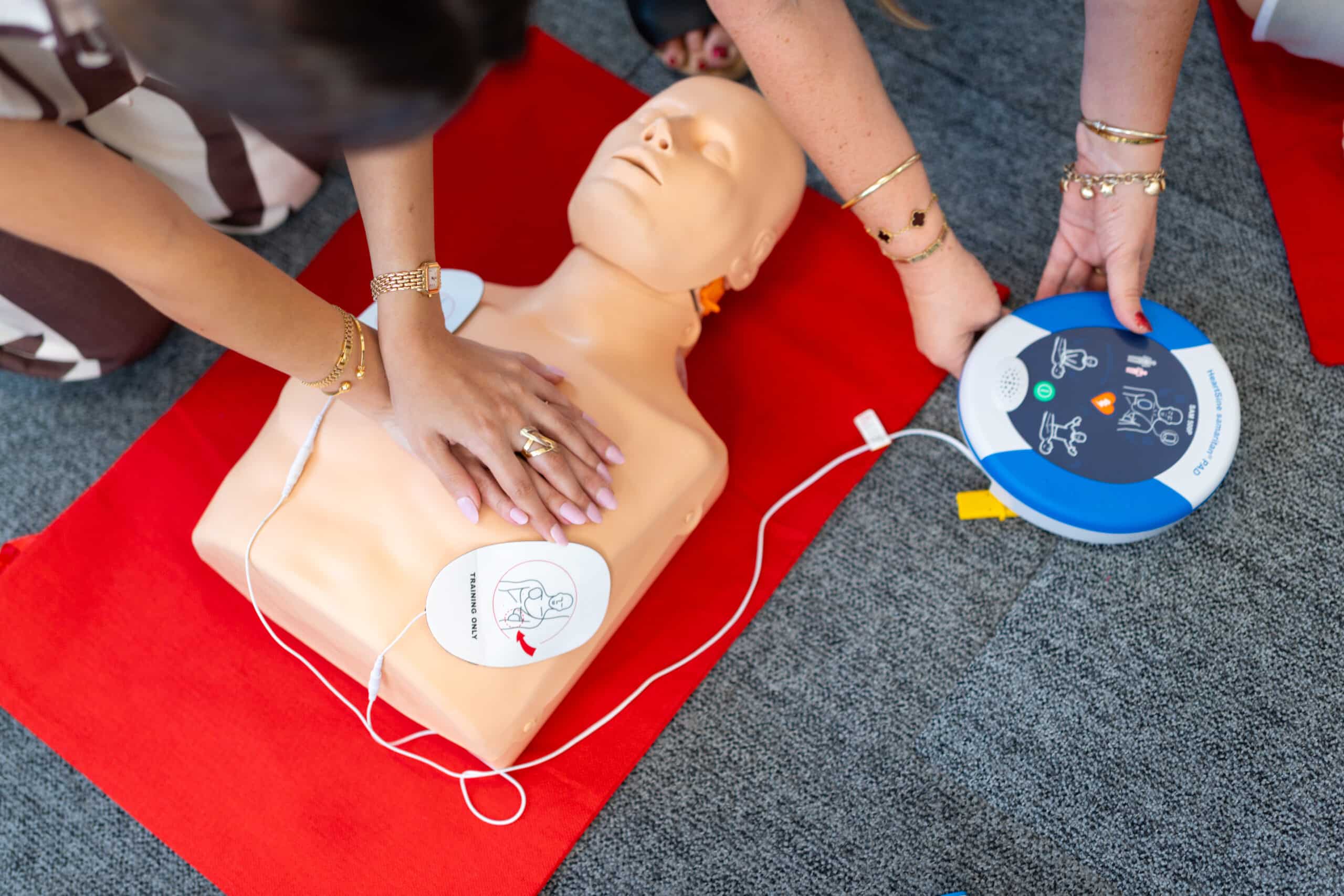
Whether you work in aged care or just want to be prepared, enrolling in essential first aid training with First Aid Pro can empower you to confidently handle fall-related emergencies. Gain the skills not just to assist effectively post-fall, but also in critical techniques like performing CPR. We also provide specialised training in safe lifting practices to help you and your clients avoid more injuries.
Your knowledge and actions can significantly impact the recovery and well-being of those under your care. Don’t let uncertainty hold you back – become a beacon of safety and assurance in your workplace. Enroll today and take a step towards becoming an invaluable asset in any emergency situation.
Immediate Action:
Emergency Assistance
Call for professional medical help without delay if the victim has serious injuries or is unconscious. Similarly, if an individual shows signs of a head injury, struggles with breathing, has sustained a bone injury, or if the fall occurred from a considerable height, promptly dial triple zero (000). If the caller is not able to speak, dial for emergency services or have someone else make the call. Be sure to provide the precise details about the victim’s location and condition.
Evaluating the Victim’s State
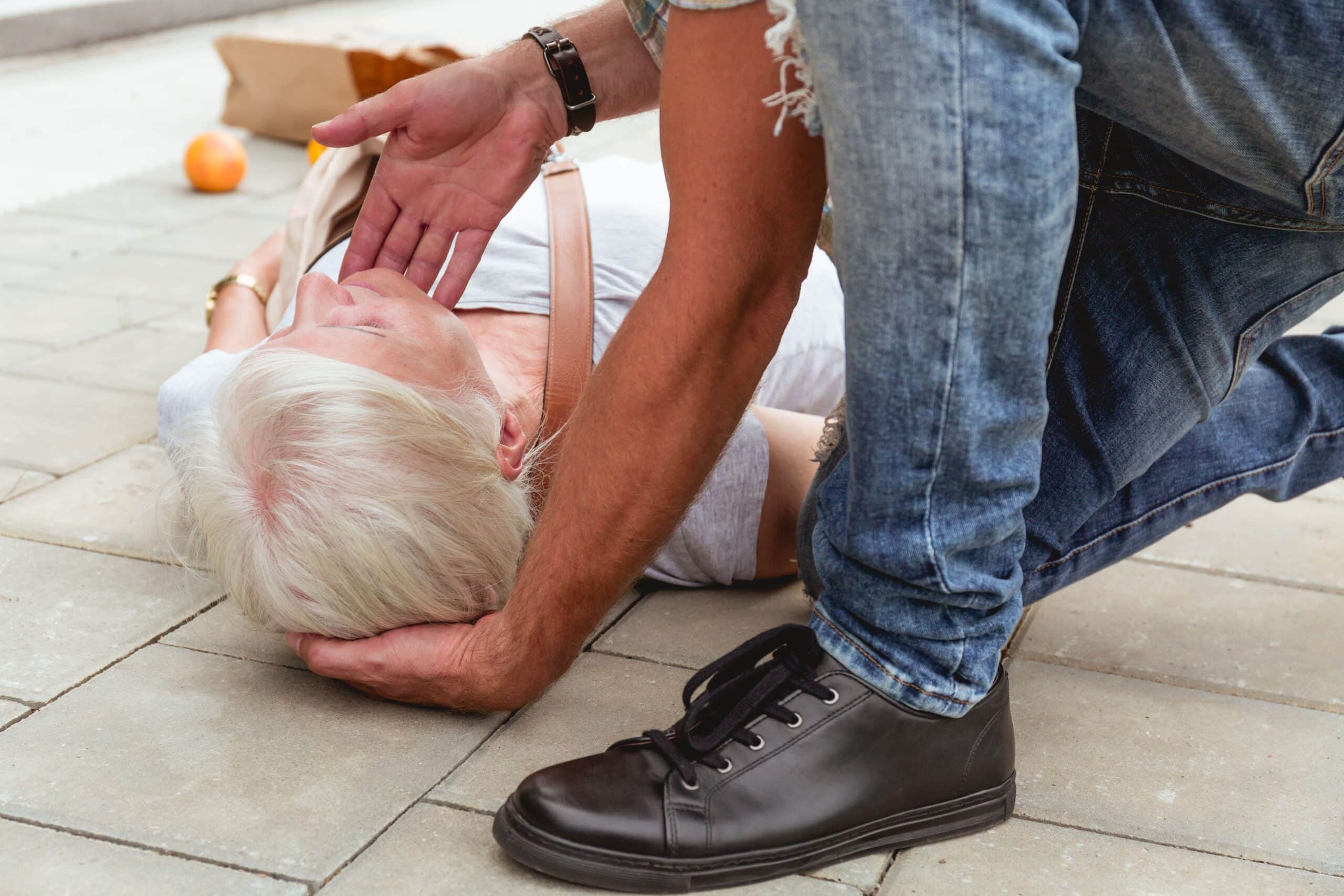
Before administering first aid, it’s vital to immediately assess the victim’s condition as described above. Grab your first aid kit and determine if they are conscious or unconscious, breathing, and responsive. If the victim is conscious, gently inquire about their condition and ability to move.
Inspect the individual for visible injuries, including lacerations and bleeding, bruises or fractures. Should the individual be capable of movement without experiencing discomfort, it is possible they can walk away from the incident unassisted. In cases where the individual is immobile or suffering from intense pain, maintain their position as they land to avoid exacerbating their injuries. Help them to maintain their calm and stillness while waiting for paramedics to arrive.
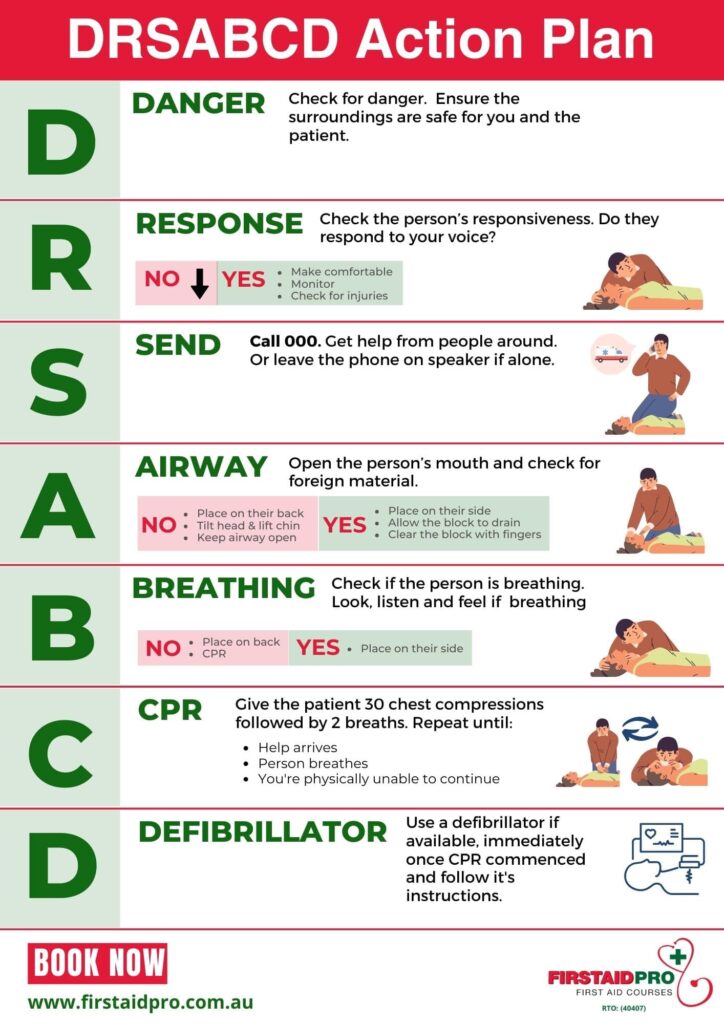
Start CPR immediately if the victim is unconscious.
Following is the DRSABCD Action plan to guide you through these potentially life-saving steps for basic life support.
Managing Bleeding
In the event of bleeding, apply firm pressure with a sterile cloth or bandage. Raise the injured area if feasible, maintaining pressure until the bleeding ceases.
Identifying Neck and Head Injuries
Head and neck injuries are common in falls and can be life-threatening. Look for visible injuries or signs of trauma such as obvious bleeding or swelling. Avoid moving the victim if they report neck or back pain, keeping them stable until paramedics arrive.
Maintaining Body Temperature
Shock, a critical condition where the body struggles with blood circulation, can occur after a fall, particularly in older adults. Prevent hypothermia and exacerbation of shock by keeping the victim warm with blankets or clothing.
Monitoring Vital Signs
Keep track of the victim’s vital signs – pulse, respiration and blood pressure – until help arrives. Note any changes in their condition to relay precise information to the medical team.
Handling Injuries, Fractures and Sprains
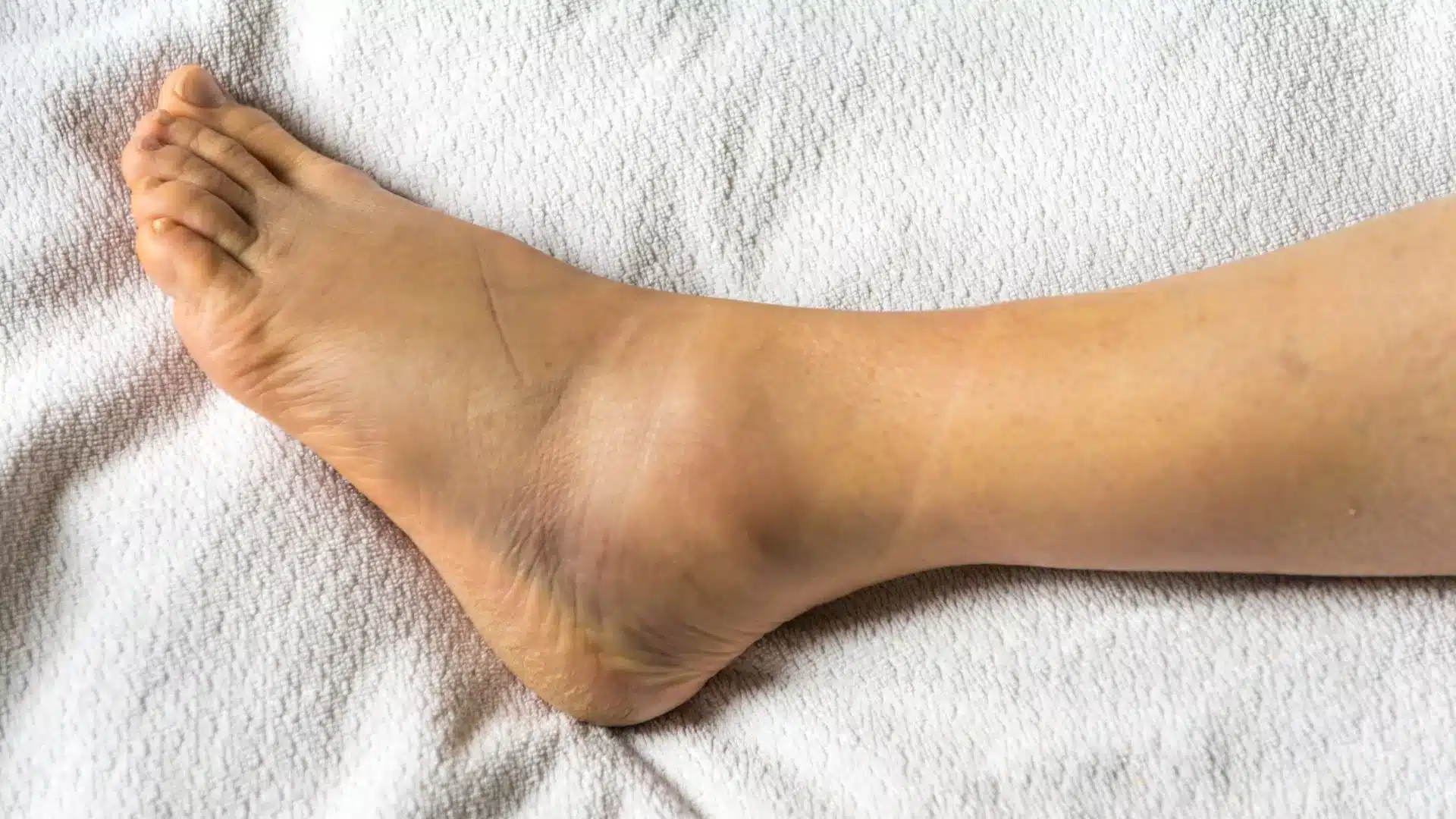
Injuries such as broken bones and sprains are common after a fall, particularly affecting wrists, ankles and hips. If the individual experiences intense pain, swelling, or difficulty moving a limb, it could indicate a fracture or sprain. Use a splint or bandage to stabilise the affected area if possible, and administer pain relief medication as necessary.
For treating bruises and sprains, applying a cold compress or ice pack can help alleviate pain and reduce swelling. Raising the injured part above heart level is also effective in minimising swelling. In the case of fractures or dislocations, it’s crucial to keep the injured area immobile and seek medical help immediately. If the person is in extreme pain, pain relievers can be given, but always adhere to the advised dosage.
A Quick Guide
Below is a quick first aid reference for these types of injuries:
Cuts:
Symptoms: Bleeding, pain
First Aid: Clean the wound with antiseptic lotion, cover with a bandage
Bruises:
Symptoms: Swelling, discoloration
First Aid: Apply a cold compress or ice pack
Sprains:
Symptoms: Swelling, pain, limited movement
First Aid: Employ the RICE method: Rest, Ice, Elevate the injured area
Fractures:
Symptoms: Severe pain, swelling, deformity
First Aid: Immobilise the injured area, call for medical assistance
Dislocations:
Symptoms: Severe pain, swelling, deformity, limited movement
First Aid: Immobilise the injured area, call for medical assistance
Proactive Measures for Fall Prevention
The adage “prevention is better than cure” holds especially true in the context of avoiding falls. To minimise the risk, it’s important to eliminate potential hazards. Ensure that walkways and staircases are clear of any obstructions, firmly attach rugs and carpets to the floor, and fit staircases with handrails.
Wearing suitable shoes and using a reliable ladder for high-reaching tasks are also key preventive steps. Additionally, dancers and dance instructors should adopt strategies to avert common knee and hip injuries.
Summing Up
In conclusion, “First Aid for Falls – What You Need To Know” provides a useful guide for anyone, especially those working in environments like aged care, to effectively manage and respond to fall-related injuries. From emergency procedures to managing specific injuries and preventative measures, this article arms you with the knowledge and skills to confidently assist fall victims and potentially save lives.
Remember, the right first aid response can significantly impact the recovery and ongoing health of an individual. Stay informed, stay prepared, and consider enhancing your abilities through formal first aid training with First Aid Pro. Your readiness to act can make all the difference in a critical moment.