

When you encounter someone requiring severe burns treatment, knowing how to respond can make all the difference between recovery and lasting damage.
You’ll want to act quickly and decisively, as every second counts in minimising the damage. First, verify you’re not putting yourself in harm’s way before approaching the victim.
Then, you’ll need to assess the burn’s severity and take immediate steps to cool the affected area. But that’s just the beginning of effective first aid for severe burns.
There’s much more to consider, from managing pain to preventing shock, and the actions you take in those vital moments can greatly impact the victim’s recovery.
Key Takeaways
- Immediately cool the burn with lukewarm running water for at least 20 minutes to reduce pain and damage.
- Remove clothing and jewellery near the burn unless stuck, and cover with clean, dry dressing to prevent infection.
- Protect the burn area with specialised burn dressings and avoid breaking blisters to preserve natural barriers.
- Manage pain with over-the-counter medications, cool compresses, and psychological support to reduce anxiety.
- Monitor for signs of shock, maintain body temperature, and elevate legs if safe to improve blood flow.
Identifying Severe Burns
Recognising the signs of severe burns treatment needs is essential for determining the appropriate course of action and potentially saving lives. To identify severe burns, you’ll need to understand burn classification and burn symptoms. Burns are categorised into three degrees based on their severity.
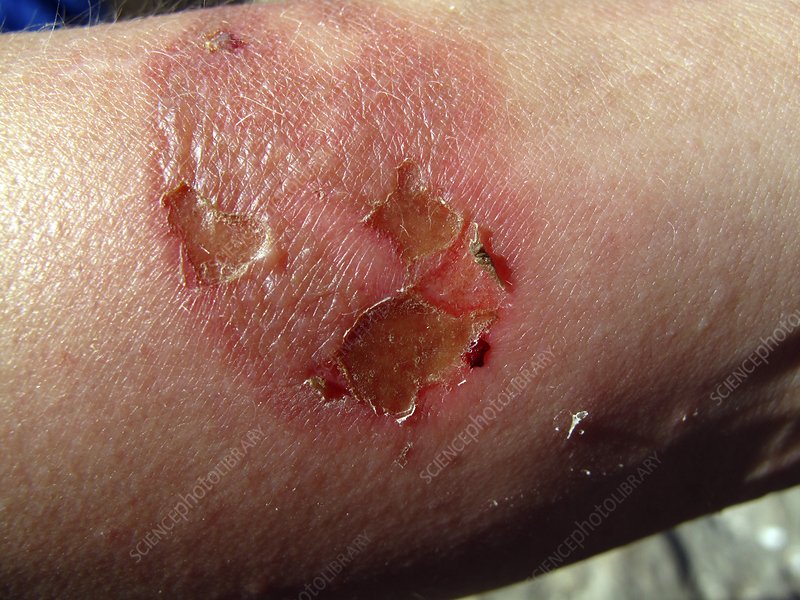
First-degree burns affect only the outer layer of skin, causing redness, pain, and minor swelling. These are typically manageable at home.
Second-degree burns penetrate deeper, affecting both the epidermis and dermis. They’re characterised by blistering, intense pain, and a moist appearance.
Third-degree burns are the most severe, extending through all layers of skin and potentially damaging underlying tissues. These burns appear dry, leathery, and may be white, brown, or black.
Stopping the Burning Process
Urgency is paramount when implementing severe burns treatment to minimize tissue damage and alleviate the victim’s pain. Your immediate emergency response can greatly impact burn severity and the victim’s recovery.
First, remove the source of heat if it’s safe to do so. If clothing is on fire, instruct the victim to ‘stop, drop, and roll’ or use a fire blanket to smother the flames.
Removing Clothing and Accessories
After cooling the burn, you’ll need to carefully remove clothing and accessories from the affected area to prevent further damage and allow for proper severe burns treatment and assessment.
When employing clothing removal techniques, cut around any fabric that’s stuck to the burn rather than pulling it off. This prevents further injury to the damaged skin. For loose clothing, gently lift it away from the burn site.
Pay close attention to accessory considerations. Remove watches, jewellery, and tight items like belts immediately, as burns can cause rapid swelling. If rings are difficult to remove, try using soap or lubricant. In severe cases, you may need to cut them off to prevent circulation problems.
Cooling the Burn
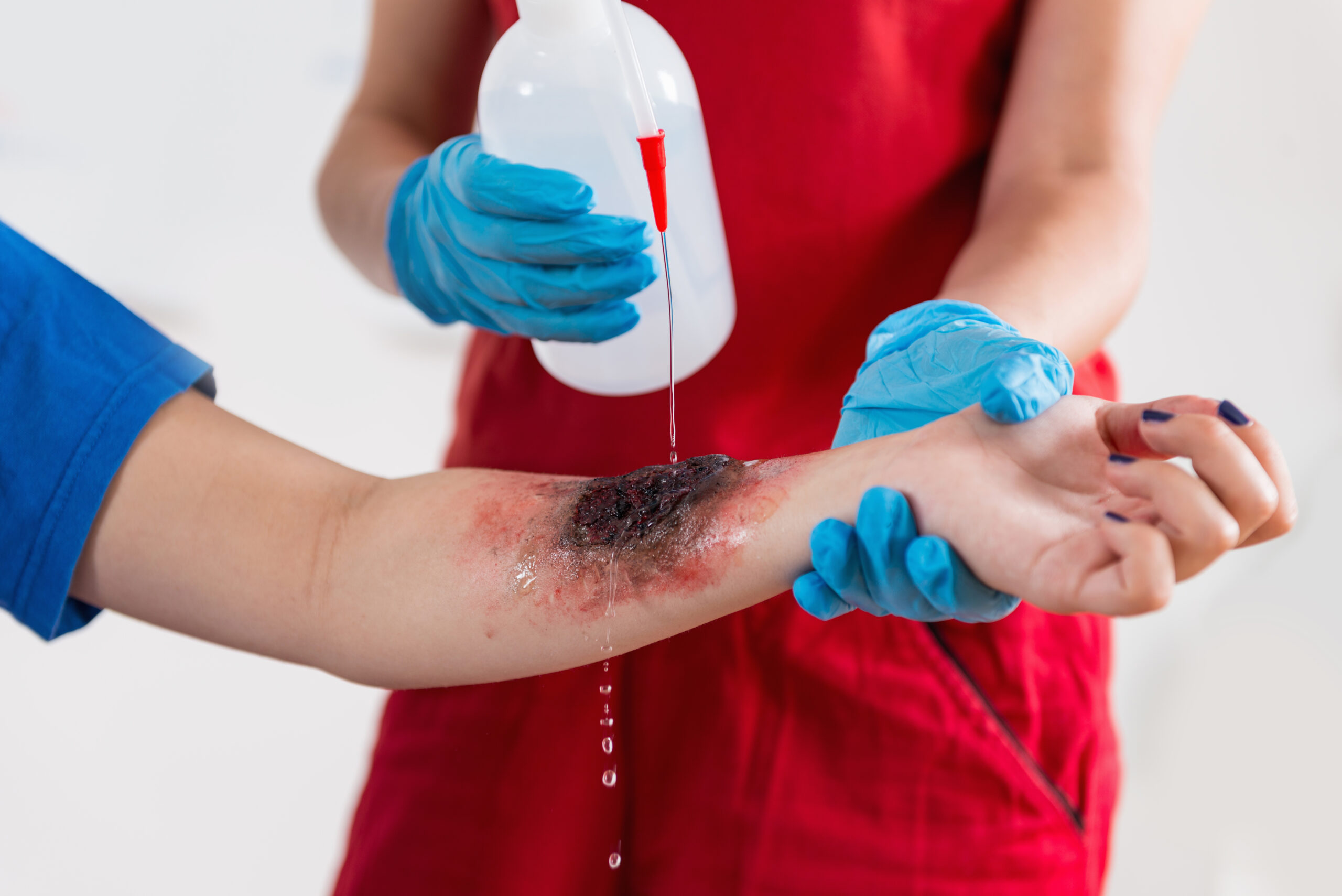
Immediate cooling is the vital first step in severe burns treatment, greatly reducing pain and tissue damage. You should begin cooling the affected area as soon as possible after the burn occurs. The most effective cooling method is to run cool (not cold) water over the burn for at least 20 minutes.
If running water isn’t available, you can use other cooling methods such as immersing the burned area in cool water or applying clean, cool, wet compresses.
Protecting the Burned Area
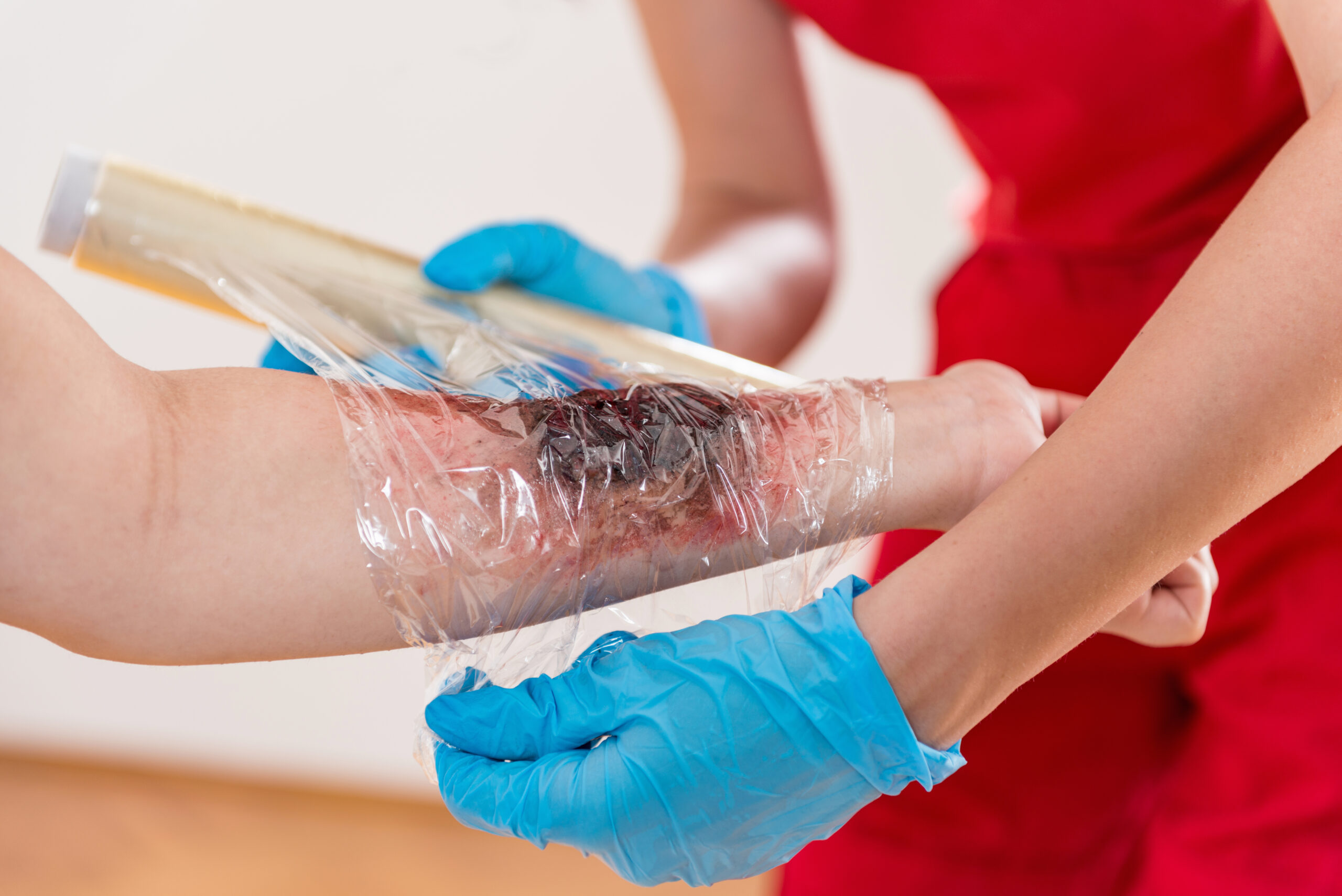
Apply appropriate burn dressings to create a barrier between the wound and the environment as part of ongoing severe burns treatment. These specialised dressings help maintain a moist healing environment while preventing bacterial contamination.
Don’t apply cotton balls, adhesive bandages, or fluffy materials directly to the burn, as these can stick to the wound and cause further damage.
When to Seek Medical Help
While a well-stocked first aid kit is invaluable, it’s critical to recognise when a burn injury requires professional severe burns treatment and medical attention. Understanding burn severity indicators and having proper emergency response education can make a life-saving difference.
You should seek immediate medical help if you observe any of the following:
- Burns covering a large area of the body
- Deep burns that appear white, charred, or leathery
- Burns on the face, hands, feet, genitals, or major joints
- Chemical or electrical burns
- Signs of infection, such as increased pain, redness, or fever
Third-degree burns, which affect all layers of skin and underlying tissues, always require urgent medical care.
Frequently Asked Questions
Can I Use Ice or Very Cold Water to Treat Severe Burns?
Ice or very cold water can worsen severe burns treatment outcomes, causing additional tissue damage. Proper burn treatment methods emphasise lukewarm water instead. Cold therapy risks include shock and increased pain. Seek immediate medical attention.
Are There Any Home Remedies Effective for Treating Severe Burns?
Don’t attempt home remedies for severe burns treatment. They require immediate medical attention. While aloe vera and honey application may help minor burns, they’re inadequate for severe cases. You must seek professional treatment to prevent complications and guarantee proper healing.
What Are the Potential Complications of Severe Burns if Left Untreated?
Without proper severe burns treatment, you’re at high risk for infection, which can lead to sepsis. You’ll also experience extensive scarring, potentially causing disfigurement and loss of function in affected areas.