




Sharon has 21+ years of experience as a qualified Emergency Care Nurse registered with the Australian Health Practitioner Regulation Agency (APHRA) and 12+ years as a First Aid Trainer.
She takes pride in FirstAidPro making first aid training available, comprehensive and affordable to everybody.
If you are in First Aid training, you undoubtedly know the importance of keeping your workplace safe. But what does protecting your fellow workers look like in practice? And what does it mean if you have workers with disabilities, who may be prone to other risks?
Regardless of whether you work in an office, a factory, or any other type of facility, it is important to understand how safety issues interact with any disabilities your staff may have, and how that might impact first aid.
A person with a physical or mental condition that limits their movements, senses, or activities is regarded as having a disability. They may experience some limitations in their day-to-day life – either temporarily or permanently. In some cases, they may require assistance from someone else to complete tasks (like taking part in First Aid training).
Safeguarding The Disabled At Work
Before diving into the details of how to protect workers with disabilities at work, it is important to note that safety is an essential part of employment laws. You may be surprised to learn that there are federal laws that protect workers with disabilities and require employers to provide reasonable accommodations. These workplace safety laws are in place to help keep you and your co-workers safe on the job. That said, you should also understand that all employees at a workplace must be careful not to discriminate against workers with disabilities. This is why knowing how to handle First Aid training when someone has a disability can be important. They may require extra care, or the method of care may be different.
The Importance Of First Aid In The Workplace
First aid is essential to keeping your co-workers safe, but it is also vital to protecting yourself and others. This training can help you administer basic treatment and respond to emergencies like an accident or sudden illness. However, it is important to note that First Aid is different from the trained medical care that doctors and nurses provide.
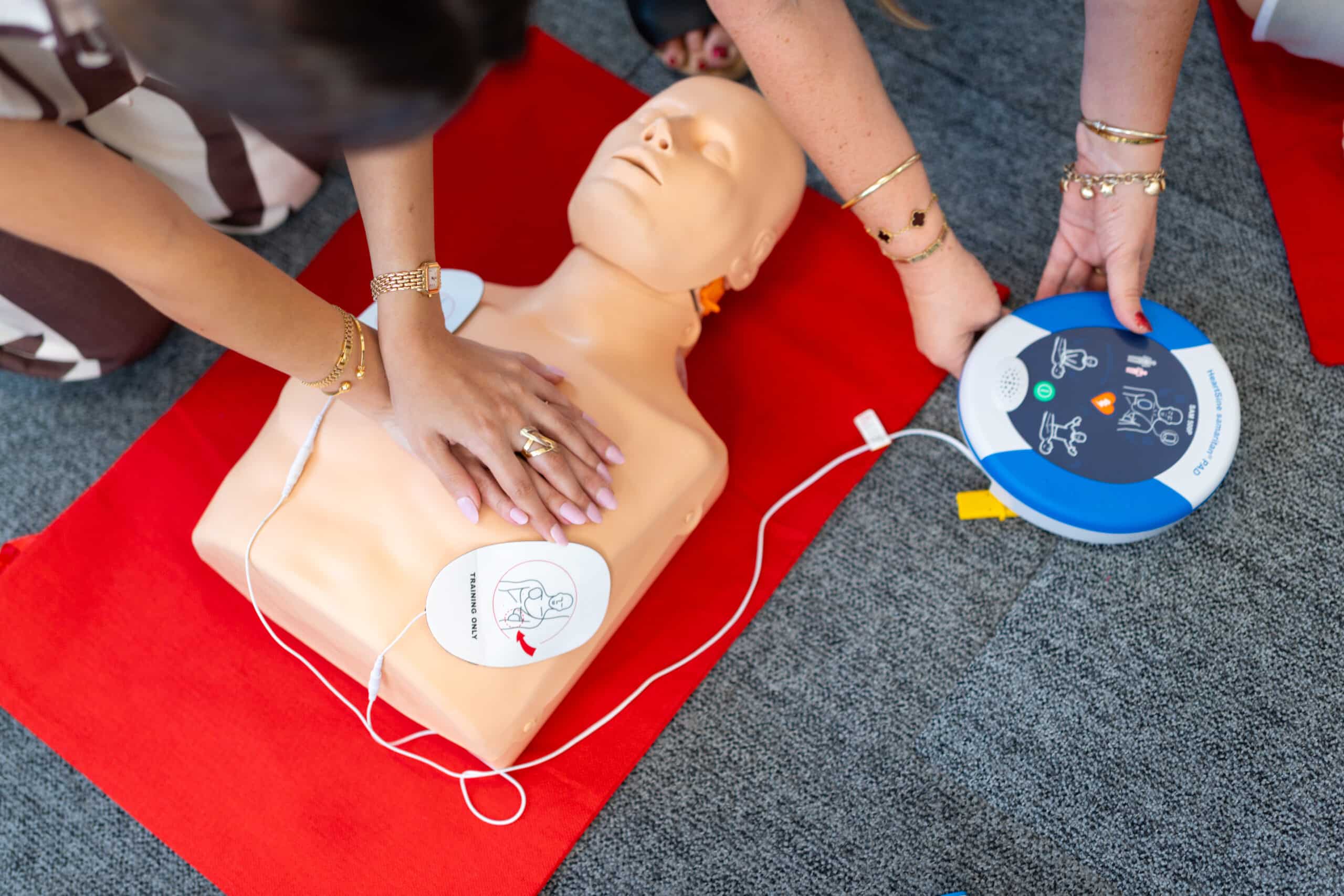
First aid is designed to stabilize an injured person, and keep them stable until they receive proper medical treatment. This can include administering CPR, stopping bleeding, or applying pressure to a wound.
Keep in mind that it is important to provide First Aid that’s appropriate for the situation. For example, you may not want to give CPR to someone who has a condition that makes it unsafe to perform the procedure. When it comes to First Aid training, it is important to remember that a little knowledge goes a long way. That is why many companies require First Aid training for all their workers.
Identifying Disabilities
You may wonder what types of disabilities you might encounter in the workplace. There are many different kinds of disabilities, such as hearing and vision loss, mobility issues, and mental illness or cognitive disabilities. These disabilities may be temporary or permanent, and some people may have multiple conditions.
Hearing loss is one of the more common disabilities, and it comes in a variety of forms. This can include anything from mild hearing loss to complete deafness. Vision loss can be caused by a variety of factors, including eye disease, trauma, or certain medical conditions. Other disabilities may present as difficulty using one’s muscles or adjusting to certain surroundings. Identifying them in others is not that important when it comes to day-to-day work.
As disabilities are part of life and can impact people in different ways, the important thing is to be respectful, placing the priority on who people are rather than what they can physically do. But it is reasonable to make allowances for people’s physical (and mental) capabilities when it comes to safety, such as in a first aid emergency.
Accessibility Requirements For Employees With Disabilities
Depending on the type of disability, you may need to provide certain health and safety accommodations for your co-workers. This may include providing a quiet place to take a break, accessible restrooms, or tools or equipment suited to the individual’s needs.
Employers are required to make reasonable accommodations for workers with disabilities. This means discussing any special requirements they may have, and how to meet those needs where possible. If you have a disability, you have the right to request accommodations that will help you do your job. Your employer is not actually permitted to ask why you need them, but must provide them – as long as doing so does not create an undue hardship. Undue hardship is an action that places significant difficulty or expense on the business.
Company-provided Equipment And Services For Workers With Disabilities
Depending on the size and nature of your company, you and your co-workers may have access to certain equipment and services that help make the workplace more accessible. You may be able to request certain items, such as larger computer keyboards, or use devices like screen readers that make written information more accessible. You can also ask your employer to provide services like sign language interpreters or specialized software. Some employees with disabilities may also qualify for adaptive equipment or modifications to their workstations. If you have a disability, discuss your needs with your employer to see what equipment or modifications you may be able to receive.
Protecting Workers With Disabilities From Slips, Trips And Falls
There are many steps you can take to protect workers with disabilities from slips, trips, and falls. This includes keeping walkways clear of debris and ensuring that stairs are well-lit (which is a good principle for any workplace). You should also encourage co-workers to use a handrail when appropriate. If you notice that a co-worker is having difficulty navigating the workplace due to a disability, you may be able to help by clearing obstacles from walkways or offering them assistance with stairs. If your co-worker has a hearing impairment, you should also be careful to speak clearly at a volume that’s easy to hear and understand.
Safeguarding Employees With Vision Loss Or Blindness
If one or more of your co-workers has vision loss or blindness, you should ensure that visual information is easy for them to access and read. This may include posting information in large print (or braille) or providing electronic documents and emails in an accessible format like plain text.
You may also want to take extra precautions when working with these co-workers to keep them safe. This includes being mindful about sounds, such as a loud machine that might prevent them from hearing. It could also involve making yourself available when they’re moving around the workplace, so you can assist if needed.
Safeguarding Employees With Hearing Loss Or Deafness
If one or more of your co-workers has hearing loss or deafness, it may be helpful to use visual cues or written notes. You may also want to speak directly to your co-worker when possible rather than relying on general announcements.
You may also want to take extra precautions when working with these co-workers to keep them safe. For example, you can use visual cues such as a hand signal to let someone know you are coming through a walkway.
Safeguarding Employees With Mobility Issues Or Limitations
First Aid training is important for all employees, but especially for those who use a wheelchair or other mobility device that makes it difficult to travel. This includes people with conditions that affect mobility, like joint pain, diabetes, or arthritis. You should be careful when moving around these co-workers (particularly while carrying things) to avoid causing injury.
You should also make sure First Aid equipment and supplies are positioned where they are easily accessible, but not in the way. This could include items like First Aid kits, an automated defibrillator (AED), or storage for mobility devices like wheelchairs.
In the End
Health and safety are important in any workplace, and some ongoing health conditions – including many types of disability – may place employees at a higher risk of injury. Knowing how to respond to a medical emergency, whether minor or severe, can be lifesaving, and it is important that all employees, including those with disabilities, receive proper First Aid training.
Whether you work in an office, a factory, or any other type of facility, it is important to understand how staff disabilities interact with workplace safety and first aid.
Workers with a disability (temporary or permanent) may experience some limitations in their day-to-day life. In some cases, these individuals may also require assistance from someone else to complete routine tasks like first aid training. Providing such assistance isn’t just a legal workplace requirement – it’s simply the right thing to do.