




Skip to content
Online Courses​
no-Online Courses
Online Courses​
no-Online Courses
no-Online Courses
Online Courses​
Nationally Accredited First Aid Courses
(08) 7120 2570
Firstaidpro Logo
[wp_menu_megatabs id="493"]
Student login
daily deals
No-Online

OR

Online
Applicable to:
Healthcare
Aged Care & NDIS Support
Construction
Warehousing

First Aid Kits for Children: What You Need to Know

first aid kits for children

Table of Contents

  • About
  • Latest Posts
Sharon McCulloch
Sharon McCulloch
CEO, Founder and First Aid Trainer at FirstAidPro
Sharon McCulloch is the CEO and Founder of FirstAidPro, Australia's leading Registered Training Organisation (31124), delivering First Aid Courses nationwide.

Sharon has 21+ years of experience as a qualified Emergency Care Nurse registered with the Australian Health Practitioner Regulation Agency (APHRA) and 12+ years as a First Aid Trainer.

She takes pride in FirstAidPro making first aid training available, comprehensive and affordable to everybody.
Sharon McCulloch
Latest posts by Sharon McCulloch (see all)
  • Australian Spider Bite & Bite First Aid Guide – Identification, Symptoms & Treatment - 14/04/2026
  • Anti-Inflammatory Tablets – Sting & Bite Symptoms, Risks & First Aid - 10/04/2026
  • LVR CPR Training Australia: What Is the UETDRMP018 Course and Who Needs It? - 08/04/2026

When your child is scaling playground equipment, kicking goals on the footy field, or exploring nature trails, accidents happen, which is why first aid kits for children are essential. Having the right first aid supplies on hand can turn a potential disaster into a minor inconvenience, keeping both kids and parents calm during those inevitable bumps and scrapes.

Why Kids' Activities Need Specialised First Aid Kits

Children’s bodies are different from adults, and so are their injuries during active play. Kids have thinner skin that tears more easily, smaller body parts that require appropriately sized supplies, and a tendency to panic when hurt—making quick, effective treatment essential.

Standard household first aid kits often fall short when dealing with activity-related injuries, which is why specialised first aid kits for children are necessary. They’re typically designed for general home use, not the specific challenges of active children who might get grass stains in cuts, sand in scrapes, or need immediate cooling for playground burns from hot equipment.

Activity-specific first aid kits are also designed to be portable and durable, withstanding the rough-and-tumble environment where kids play. They’re organised for quick access when you’re dealing with a crying child and potentially other worried kids nearby.

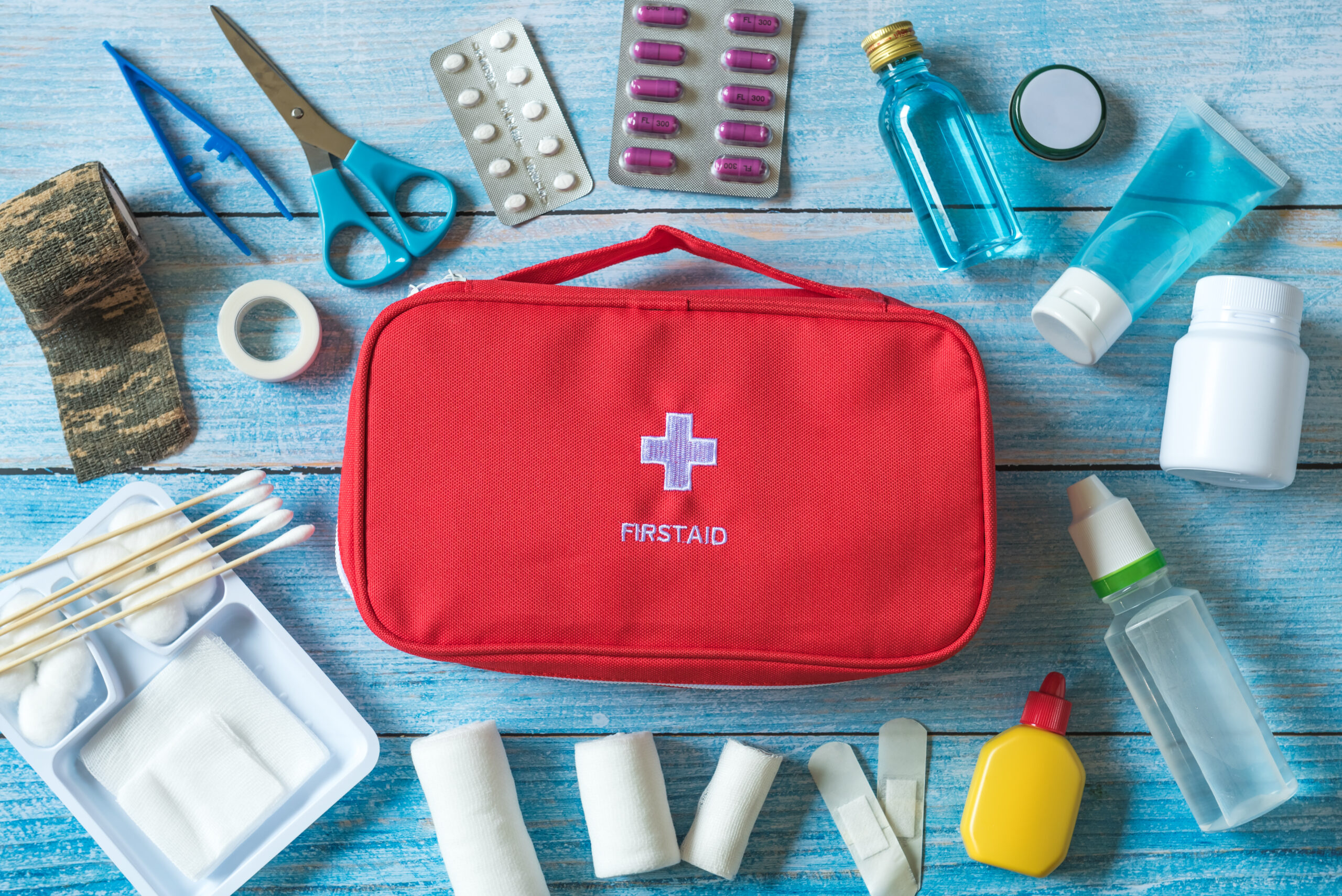
supplies for wound care

Most Common Kids' Activity Injuries & Required Supplies

Understanding what injuries commonly occur during children’s activities helps you prepare the right supplies for first aid kits for children:

Scrapes and cuts from playground equipment, bike accidents, or rough surfaces are the most frequent injuries. You’ll need antiseptic wipes, various sizes of adhesive bandages, and gauze pads. Include child-friendly antiseptic that doesn’t sting, as traditional alcohol-based products can cause additional distress.

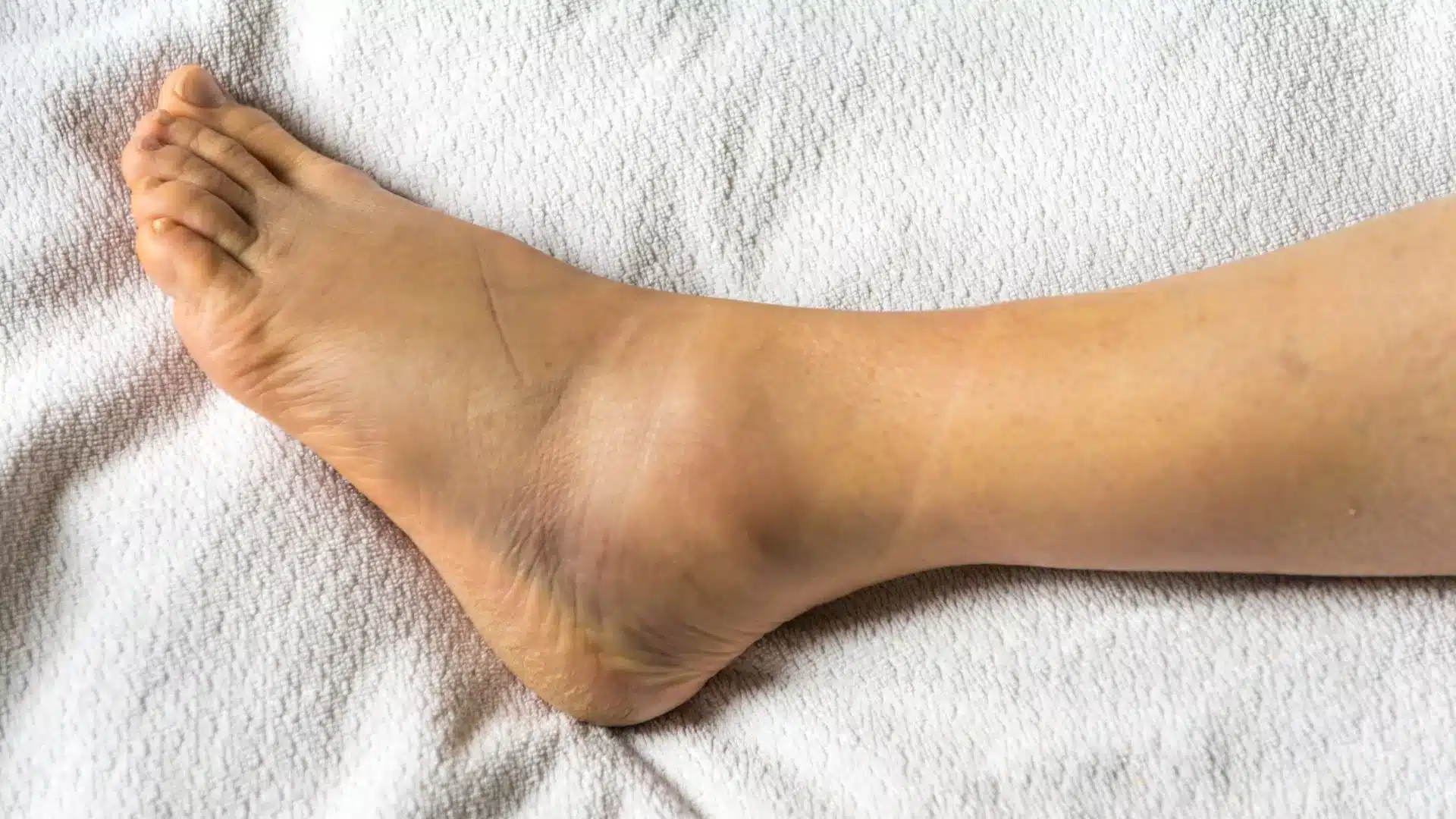
Sprains and bruises from sports or playground tumbles require instant cold packs and elastic bandages for compression. Look for instant cold packs that activate when squeezed—no need for a freezer when you’re at the local park.

Insect bites and stings are common during outdoor play, especially in Australia’s diverse environment. Pack antihistamine cream, insect bite relief sticks, and oral antihistamines suitable for children. Consider including a basic sting relief device for more serious reactions.

Heat-related issues and dehydration can quickly escalate during active play, particularly in our harsh Australian climate. Include electrolyte sachets or tablets, and know the signs of heat exhaustion in children.

Key Features for Kids' Activity First Aid Kits

When selecting or assembling first aid kits for children’s activities, prioritise these essential features:

Portability and durability are crucial since these kits need to travel to various locations and withstand active environments. Look for hard cases or soft pouches with strong zippers that won’t break when tossed in sports bags or backpacks.

Child-appropriate sizing makes a significant difference in treatment effectiveness. Adult-sized bandages often don’t stay put on small cuts, while oversized gauze pads can overwhelm minor scrapes. Include a range of smaller bandages and appropriately sized supplies.

Quick-access organisation helps when you’re dealing with stressed children and potentially limited time. Clear compartments, colour-coded sections, or numbered supplies can help you find what you need quickly. Consider including a simple instruction card for basic treatment steps.

Weather-resistant packaging protects supplies from Australia’s varied climate conditions. Moisture can ruin adhesive bandages, while extreme heat can affect medications. Look for kits with sealed compartments or individual packaging for critical items.

Frequently Asked Questions

How often should I check first aid kits for children used during activities?

Review your kit every three months, checking expiry dates on medications and replacing any used items. Before major activities like school camps or sports seasons, do a complete inventory to ensure everything is stocked and in good condition.

Should I tell my child where the first aid kit is located?

Yes, age-appropriate children should know where to find the kit and how to get adult help. Teach older children (8+) basic concepts like applying pressure to cuts, but emphasise that they should always get an adult to handle any injury, no matter how minor.

When should I seek professional medical help instead of using my first aid kit?

Always seek immediate medical attention for head injuries, suspected broken bones, deep cuts requiring stitches, difficulty breathing, loss of consciousness, or any injury where you’re unsure of the severity. Your first aid kit is for minor injuries—when in doubt, call for professional help.

The content on this website offers general insights regarding health conditions and potential treatments. It is not intended as, and should not be construed as, medical advice. If you are facing a medical emergency, dial 000 immediately and follow the guidance provided.

Recent Posts
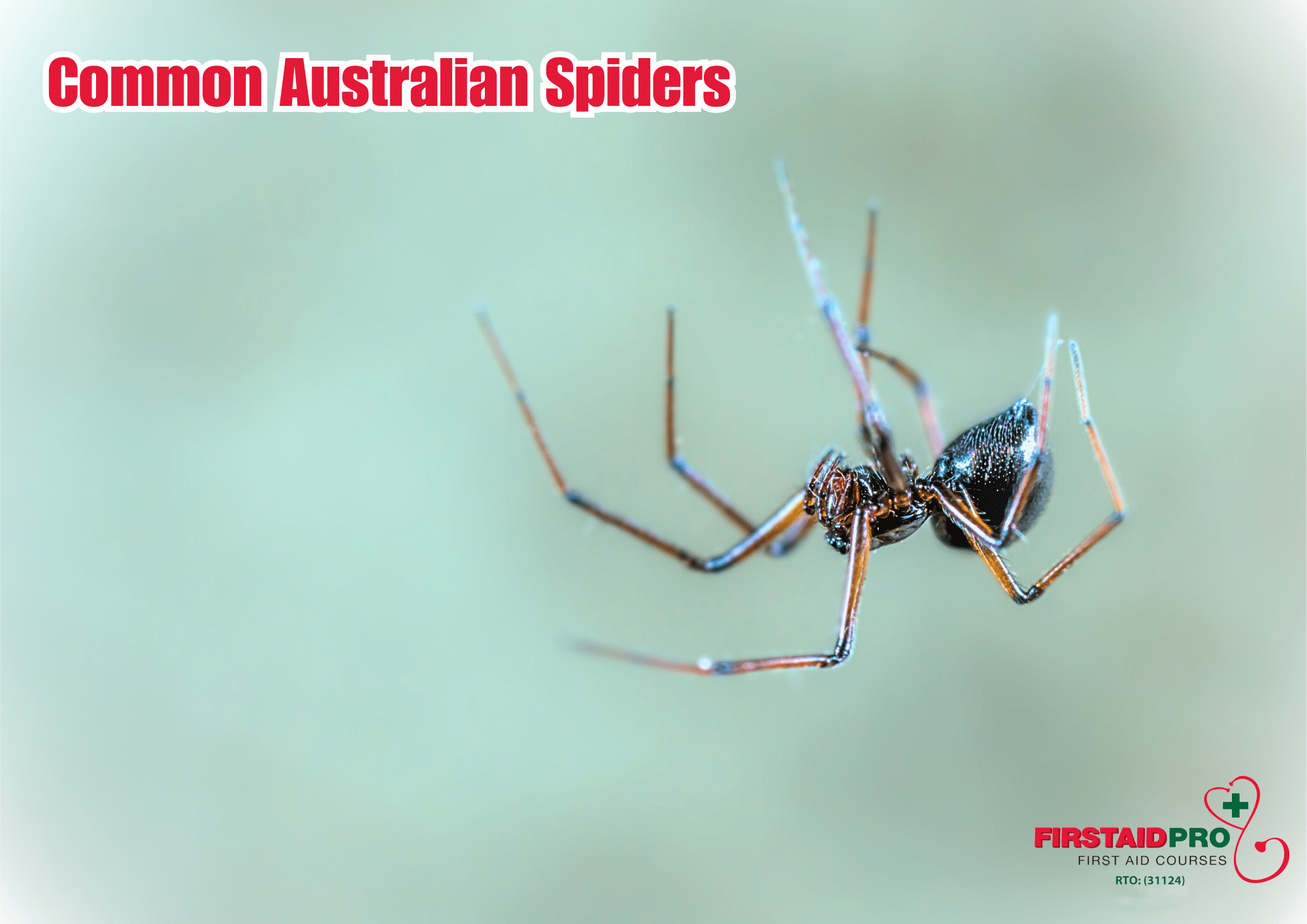
Common Australian Spiders
Australian Spider Bite & Bite First Aid Guide – Identification, Symptoms & Treatment
14/04/2026

An Australian spider bite is common, but serious injury is rare. This guide explains how to identify several Australian spiders, what a spider bite looks …

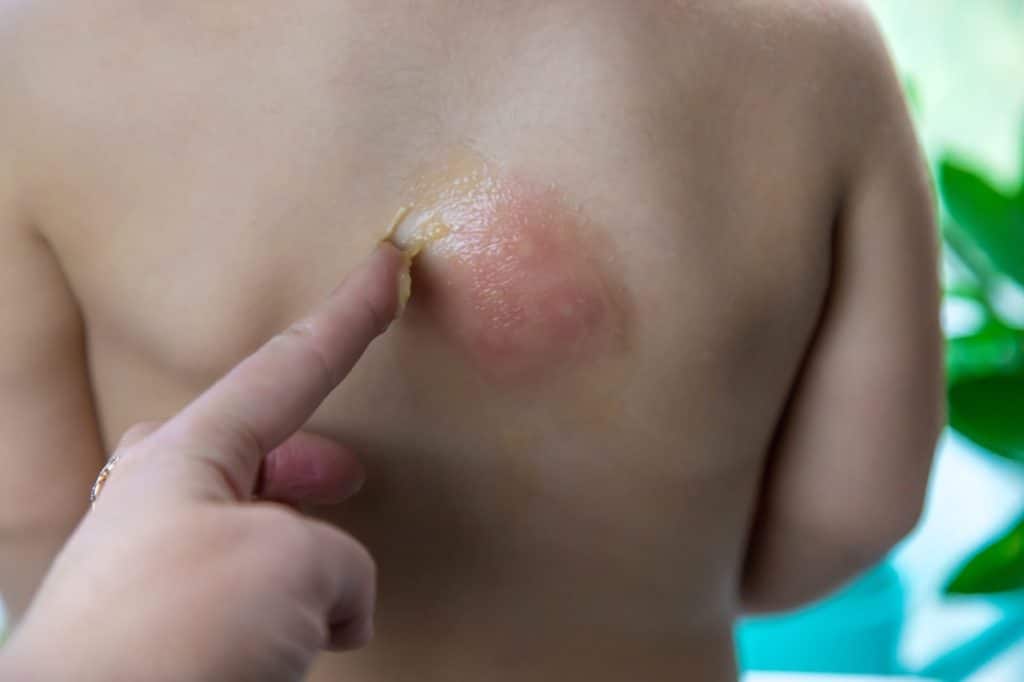
infected-insect-bite
Anti-Inflammatory Tablets – Sting & Bite Symptoms, Risks & First Aid
10/04/2026

Key Takeaways Anti-inflammatory tablets reduce pain and swelling from insect bites and stings but cannot treat serious allergic reactions or anaphylaxis.NSAIDs such as ibuprofen are …

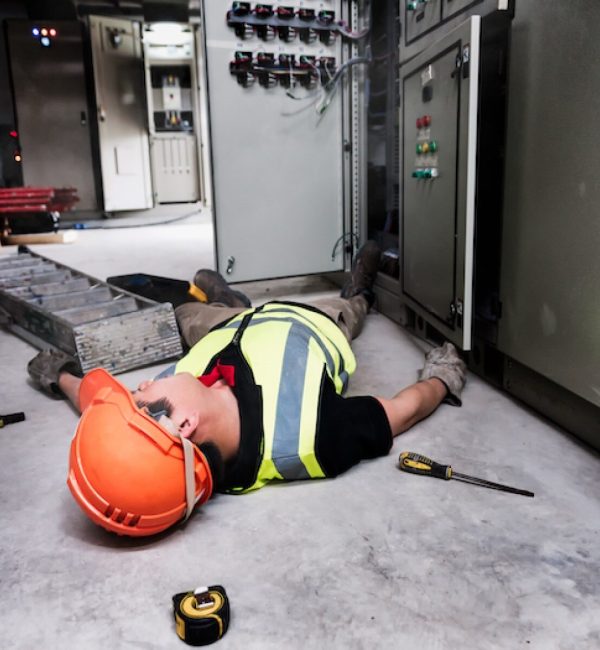
LVR CPR Training -UETDRMP018 Perform Rescue From A Live Low Voltage Panel
LVR CPR Training Australia: What Is the UETDRMP018 Course and Who Needs It?
08/04/2026

Low voltage rescue (LVR) is the process of safely removing a person from contact with a live low voltage electrical panel and providing emergency care …

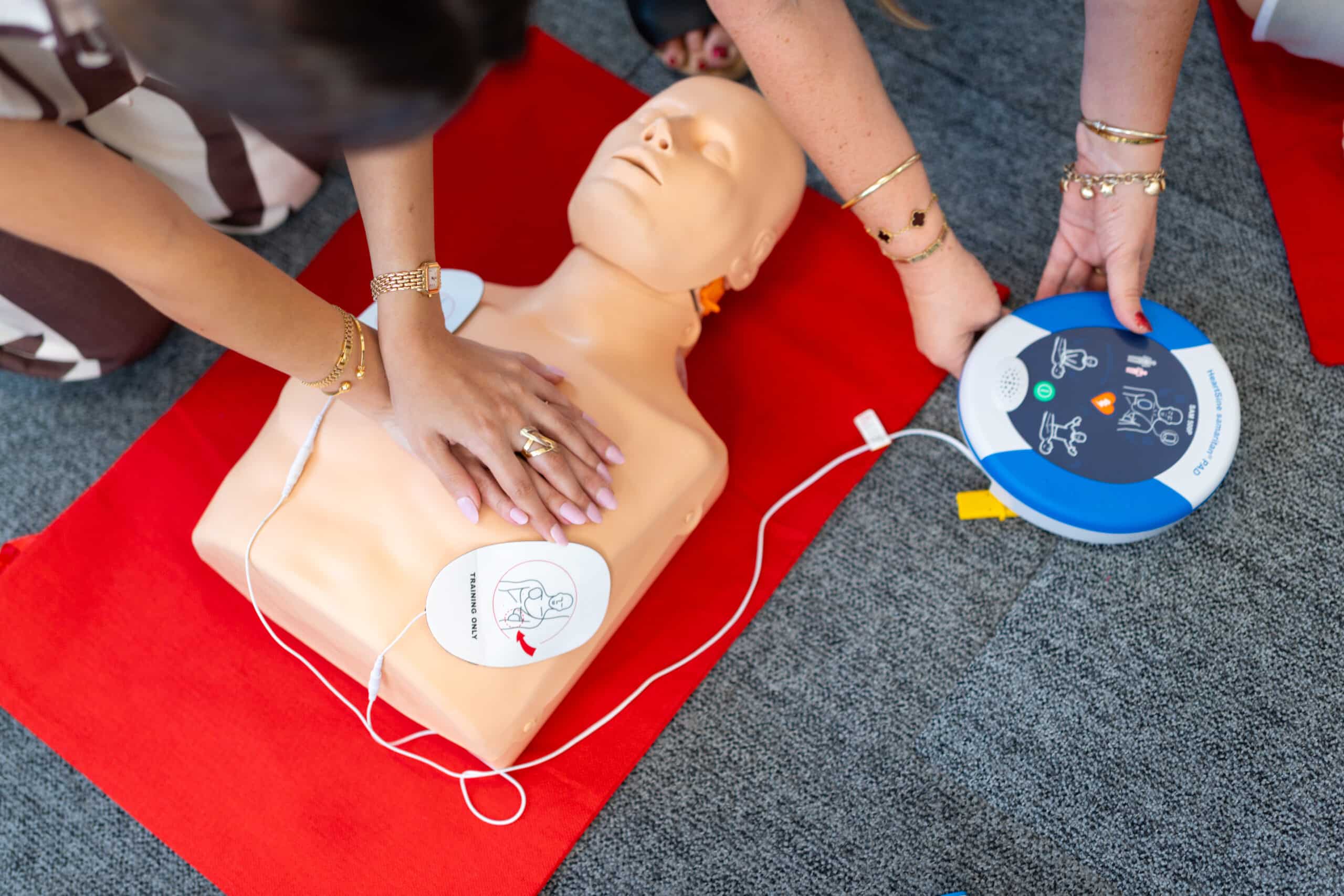
CPR and AED
CPR and AED: Why They’re Critical for Saving Lives in Emergencies
01/04/2026

CPR and AED are life-saving first aid techniques used during cardiac arrest to help save lives before an ambulance arrives. When a person’s heart stops …

sprain of the ankle
Sprain vs Strain: Key Differences, Symptoms, and First Aid Treatment
27/03/2026

A sprain is a common soft-tissue injury that occurs when a ligament is stretched or torn, usually after a fall, twist, or sudden impact. Sprains …

Information
  • About Us
  • Contact Us
  • Mental Health Pro
  • Onsite Training
  • Careers
  • Collaborations
  • Course Calendar
  • Daily Deals
  • FAQs
  • Explore Our Courses
  • Instant Price Beat
  • Partners
  • Same Day Certificates
Resources
  • Student Login
  • Blog
  • Learn First Aid
  • Create Your USI
  • Find Your USI
  • First Aid Charts
Popular Courses
  • CPR
  • First Aid
  • Childcare First Aid
  • First Aid Mental Health
  • Remote First Aid
  • Advanced First Aid
  • CPR, Asthma & Anaphylaxis
  • Asthma & Anaphylaxis
  • CPR LVR
  • Manual Handling
  • Manual Handling Refresher
  • Medication Administration
  • White Card
Online Courses
  • Zoom Online CPR
  • Zoom Online First Aid
  • Zoom Childcare First Aid
  • Zoom NDIS HISS Courses
Blended Courses
  • Blended CPR
  • Blended First Aid
  • Blended Childcare First Aid
Charity Courses
  • Free CPR
  • Free First Aid
Locations
  • South Australia
  • Queensland
  • New South Wales
  • Victoria
  • ACT
  • Tasmania
  • Northern Territory
  • Western Australia
Policies & Procedures
  • Academic Honesty
  • Complaints & Appeals
  • LLN
  • Refunds & Cancellations
  • RPL & Credit Transfers
  • Training & Assessment
Firstaidpro Logo
Facebook Instagram Youtube tiktok Pinterest Linkedin
  • Level 3, Unit 6/9 Frinton Street, Southport QLD 4215
  • (08) 7120 2570
  • Get In Touch

FirstAidPro is a leading Registered Training Organisation (RTO: 31124) delivering industry-leading standards and the latest training techniques. We provide you with Australia’s most comprehensive, officially recognised first aid qualification!

  • Same-Day Certificates
  • Courses Available 7 days
  • Nationally Accredited Certification
eway-payment.png
© 2026 Firstaidpro Australia Pty Ltd (RTO: 31124) | ABN: 70 106 788 050 | ACN: 106 788 050 | All rights reserved.
  • Privacy Policy
  • Refund Policy
  • Website Disclaimer
North Hobart