




Sharon has 21+ years of experience as a qualified Emergency Care Nurse registered with the Australian Health Practitioner Regulation Agency (APHRA) and 12+ years as a First Aid Trainer.
She takes pride in FirstAidPro making first aid training available, comprehensive and affordable to everybody.
Whether it’s a mild rash or a life-threatening anaphylactic shock, being prepared can make all the difference.
The best first aid practices for managing severe allergic reactions (anaphylaxis) in Australia focus on three critical steps. First, administer adrenaline immediately using an autoinjector, such as an EpiPen or Anapen, and this should be given without delay.
Second, position the patient correctly by laying them flat and avoiding movement, or allowing them to sit if breathing is difficult, to maintain blood flow and prevent complications.
Finally, call triple zero (000) for emergency assistance, stay with the patient, and monitor their condition, being prepared to administer additional doses of adrenaline if needed.
These steps reflect Australian guidelines and are essential for effective anaphylaxis care. By understanding the best practices for allergic reaction care, you’ll be equipped to respond quickly and effectively in an emergency situation.
Let’s explore three essential steps that could potentially save a life—yours or someone else’s.
Key Takeaways
- Quickly identify severe allergic reactions symptoms, including skin issues, swelling, respiratory problems, and signs of anaphylaxis.
- Always give adrenaline via auto-injector into the outer thigh as the first line of emergency treatment.
- Call emergency services immediately for severe reactions, especially if anaphylaxis is suspected.
- Keep the person calm and lying flat with legs elevated, unless they have difficulty breathing.
- Seek professional medical help promptly, providing detailed information about the allergen, symptoms, and treatments administered.

Identify Allergic Reaction Symptoms
Recognising the signs of severe allergic reactions is essential for prompt and effective intervention. Symptom recognition is vital, as allergic reactions can range from mild to severe.
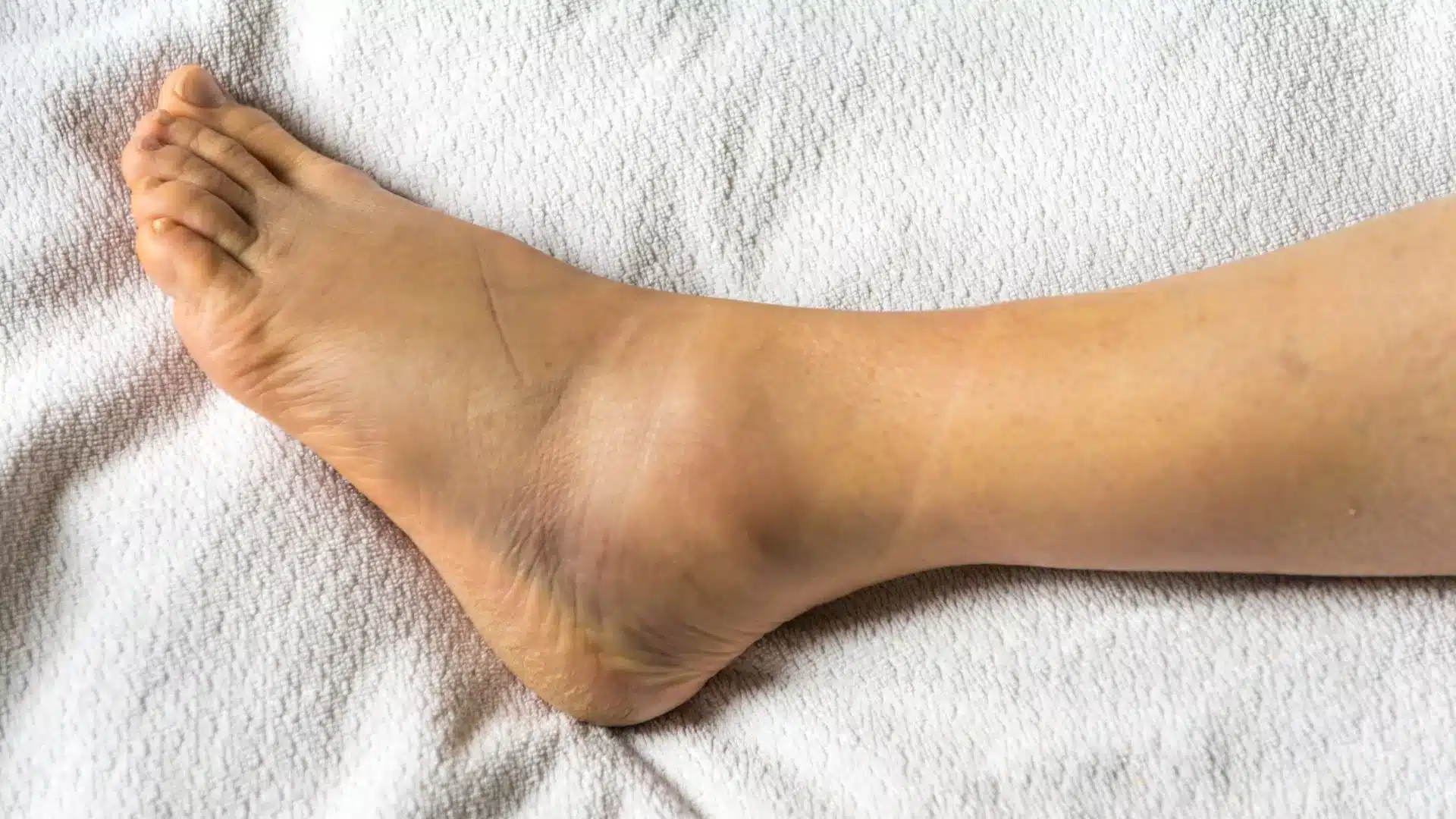
You’ll typically notice skin-related symptoms first, such as hives, itching, or a rash. These may be accompanied by swelling, particularly of the face, lips, tongue, or throat. Respiratory symptoms often follow, including wheezing, shortness of breath, or difficulty breathing. In some cases, you might experience gastrointestinal issues like nausea, vomiting, or diarrhoea.
It’s important to be aware of potential allergy triggers, which can include foods, medications, insect stings, or environmental factors. Severe allergic reactions, known as anaphylaxis, can be life-threatening and require immediate medical attention.
Signs of anaphylaxis include a rapid, weak pulse, dizziness, fainting, and a sudden drop in blood pressure. You might also notice confusion or a sense of impending doom. If you suspect anaphylaxis, use an epinephrine auto-injector if available and seek emergency medical care immediately.
First Aid For Severe Allergic Reactions

1) Administer Emergency Treatment
Once you’ve identified an allergic reaction, it’s imperative to administer emergency treatment promptly and effectively. Your first line of defence should be an epinephrine injection, typically delivered via an auto-injector. Administer the injection into the outer thigh, holding it in place for 10 seconds. This medication rapidly counteracts the allergic response by constricting blood vessels and relaxing airways.
After the epinephrine injection, follow your allergy action plan. Call emergency services immediately, especially if it’s a severe reaction or anaphylaxis. While waiting for help, keep the person calm and lying flat with legs elevated, unless this position causes breathing difficulties. If breathing is laboured, allow them to sit up.
Monitor essential signs continuously. If symptoms don’t improve within 5-15 minutes, or worsen, administer a second dose of epinephrine if available. Remove any potential allergens, such as stinging insects or contaminated clothing.
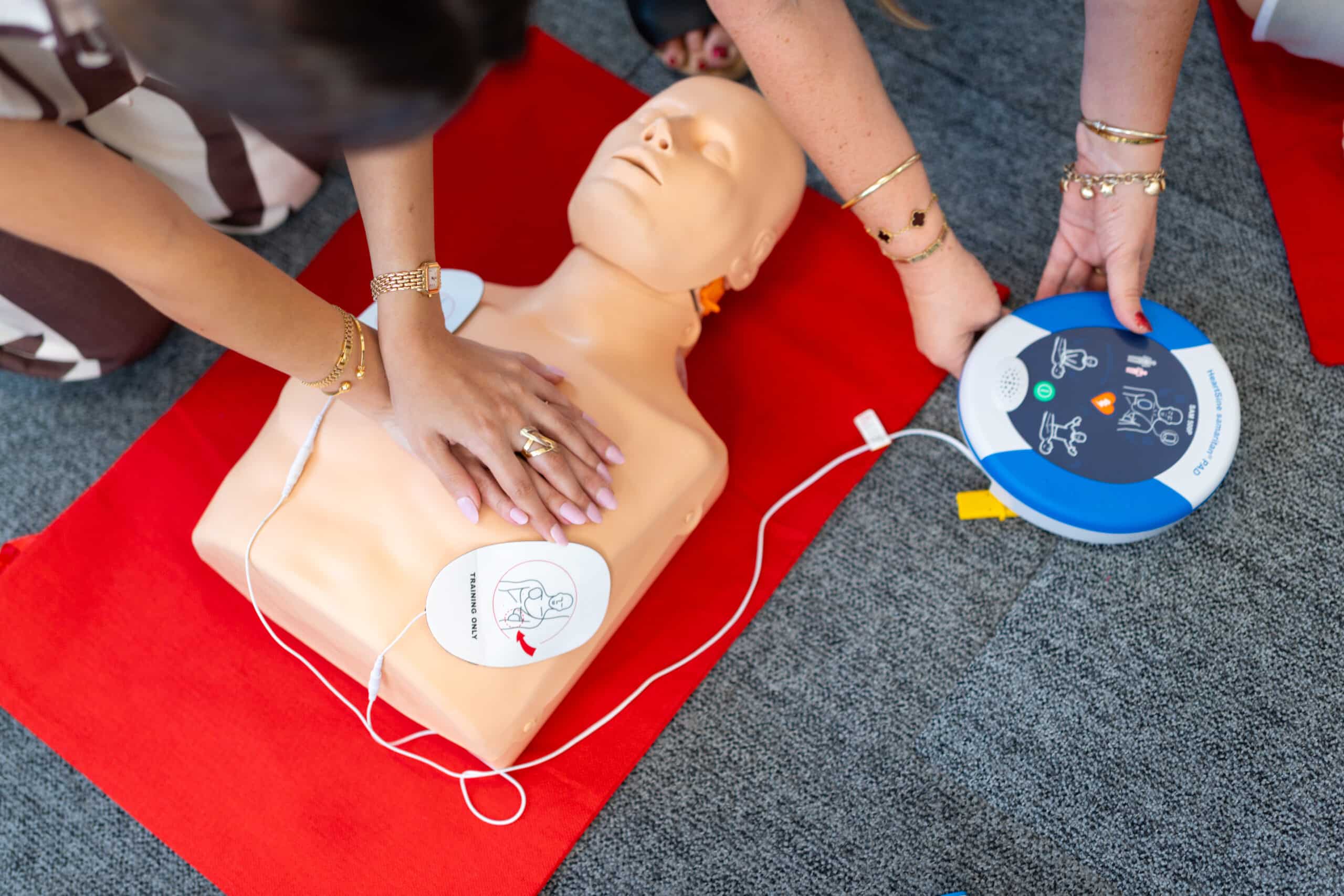
If the person becomes unconscious and isn’t breathing, begin CPR. Once emergency responders arrive, provide them with information about the allergic reaction’s onset, symptoms, and any treatments administered.
2) Position the patient correctly
Lay the person flat and do not allow them to stand or walk. If breathing is difficult, they may sit with legs outstretched. For infants, hold or lay them horizontally. This position helps maintain blood flow and reduces the risk of fainting.
3) Seek Professional Medical Help
After administering emergency treatment, it’s important to seek professional medical help for thorough evaluation and follow-up care. The significance of timing can’t be overstated, as prompt medical attention can prevent potential complications and guarantee proper management of the allergic reaction.
When you arrive at the medical facility, be prepared to provide detailed information about the incident. This includes the suspected allergen, symptoms experienced, and any treatments administered. Medical professionals will assess your condition, considering the types of allergies that may have triggered the reaction. They’ll conduct a physical examination and may order additional tests to determine the severity and nature of the allergy.
Depending on the assessment, the victim may receive further treatment, such as corticosteroids or antihistamines. The healthcare provider will also discuss long-term management strategies, which may include prescribing an epinephrine auto-injector for future emergencies. They’ll educate the patient on allergy avoidance techniques and may recommend allergy testing to identify specific triggers.
Follow-up appointments are critical for monitoring the patient’s condition and adjusting their treatment plan as necessary. Remember, professional medical help is fundamental in effectively managing allergies and preventing future severe reactions.
Frequently Asked Questions
Is it safe to stand or walk after administering adrenaline?
It is recommended that the person who has received adrenaline should sit or lie down and remain calm. Standing or walking may exacerbate symptoms of anaphylaxis, especially if they are experiencing difficulty breathing.
What do I do if my adrenaline injector fails to work?
If the adrenaline injector fails to work or symptoms do not improve within 5-15 minutes, a second dose may be necessary. Always call emergency services for further assistance in such cases.
Can asthma exacerbate the symptoms of anaphylaxis?
Yes, asthma can worsen the symptoms of anaphylaxis, making it more difficult to breathe. Individuals with both allergies and asthma should have an asthma management plan in conjunction with their allergy action plan.
What are some common triggers for anaphylaxis?
Common triggers for anaphylaxis include certain foods (like peanuts, tree nuts, shellfish), insect stings, medications, and latex. Understanding these triggers is vital for effective prevention and management of severe allergic reactions.