




Skip to content
Online Courses​
no-Online Courses
Online Courses​
no-Online Courses
no-Online Courses
Online Courses​
Nationally Accredited First Aid Courses
(08) 7120 2570
Firstaidpro Logo
[wp_menu_megatabs id="493"]
Student login
daily deals
No-Online

OR

Online
Applicable to:
Healthcare
Aged Care & NDIS Support
Construction
Warehousing

Essential First Aid Steps for Chemical Exposure at Work

chemical exposure protection

Table of Contents

  • About
  • Latest Posts
Sharon McCulloch
Sharon McCulloch
CEO, Founder and First Aid Trainer at FirstAidPro
Sharon McCulloch is the CEO and Founder of FirstAidPro, Australia's leading Registered Training Organisation (31124), delivering First Aid Courses nationwide.

Sharon has 21+ years of experience as a qualified Emergency Care Nurse registered with the Australian Health Practitioner Regulation Agency (APHRA) and 12+ years as a First Aid Trainer.

She takes pride in FirstAidPro making first aid training available, comprehensive and affordable to everybody.
Sharon McCulloch
Latest posts by Sharon McCulloch (see all)
  • Australian Spider Bite & Bite First Aid Guide – Identification, Symptoms & Treatment - 14/04/2026
  • Anti-Inflammatory Tablets – Sting & Bite Symptoms, Risks & First Aid - 10/04/2026
  • LVR CPR Training Australia: What Is the UETDRMP018 Course and Who Needs It? - 08/04/2026

Chemical exposure at work is a significant concern in many Australian industries, from manufacturing and mining to agriculture and healthcare. According to Safe Work Australia, thousands of workers are exposed to hazardous chemicals every year, leading to injuries that could often be prevented or minimised with proper first aid training and preparation. Whether it’s a chemical burn, inhalation of toxic fumes, or accidental ingestion, having the knowledge and skills to respond promptly can save lives and prevent long-term harm.

Understanding Workplace Chemical Hazards

Australia’s diverse industries involve handling various hazardous chemicals that can lead to chemical exposure incidents. Common examples include:

  • Acids and alkalis used in manufacturing and cleaning processes.
  • Solvents such as paint thinners and degreasers.
  • Pesticides commonly used in agriculture.
  • Industrial cleaners used in healthcare and hospitality settings.

Certain industries, such as mining, construction, and laboratories, pose higher risks due to the frequent use of such substances. To mitigate risks, workplaces must comply with regulations outlined by Safe Work Australia, including proper chemical labelling, storage, and handling protocols.

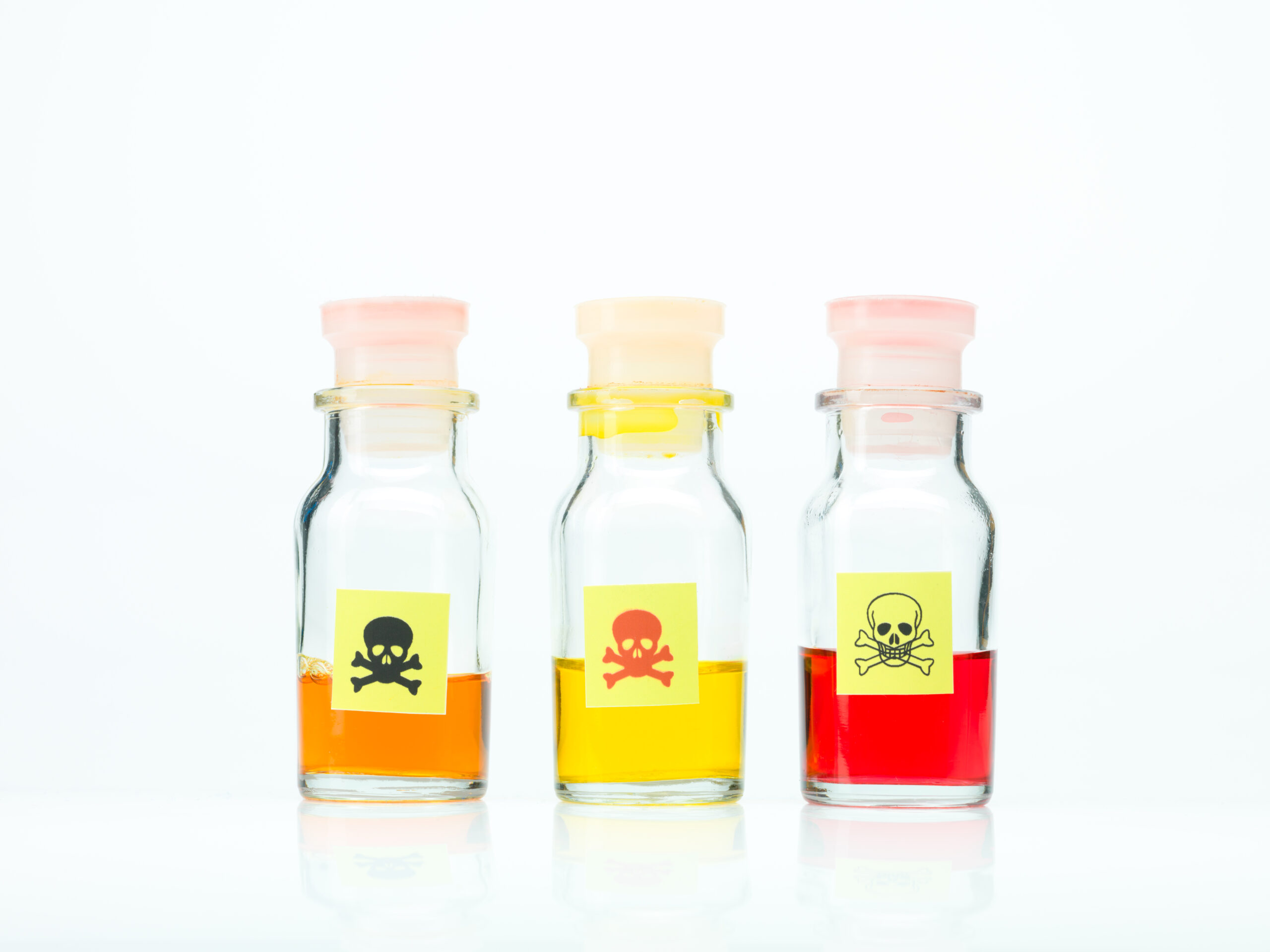
chemical poisoning bottles

Health Risks Associated with Chemical Exposure

Chemical exposure can result in a range of injuries and health conditions, including:

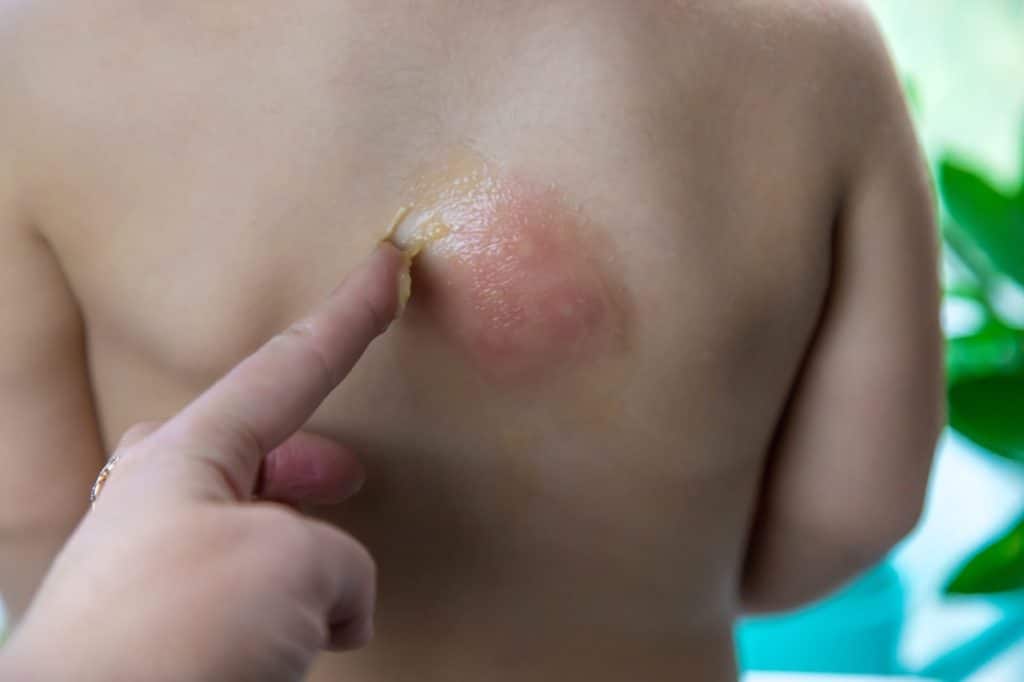
  • Skin burns from acids or alkalis.
  • Eye injuries, often caused by splashes.
  • Respiratory issues from inhaling toxic fumes.
  • Poisoning, either through ingestion or skin absorption.

The effects of exposure can vary from mild irritation to severe, life-threatening conditions. Understanding these risks is the first step toward ensuring workplace safety.

Preparing for Workplace Chemical Exposure Emergencies

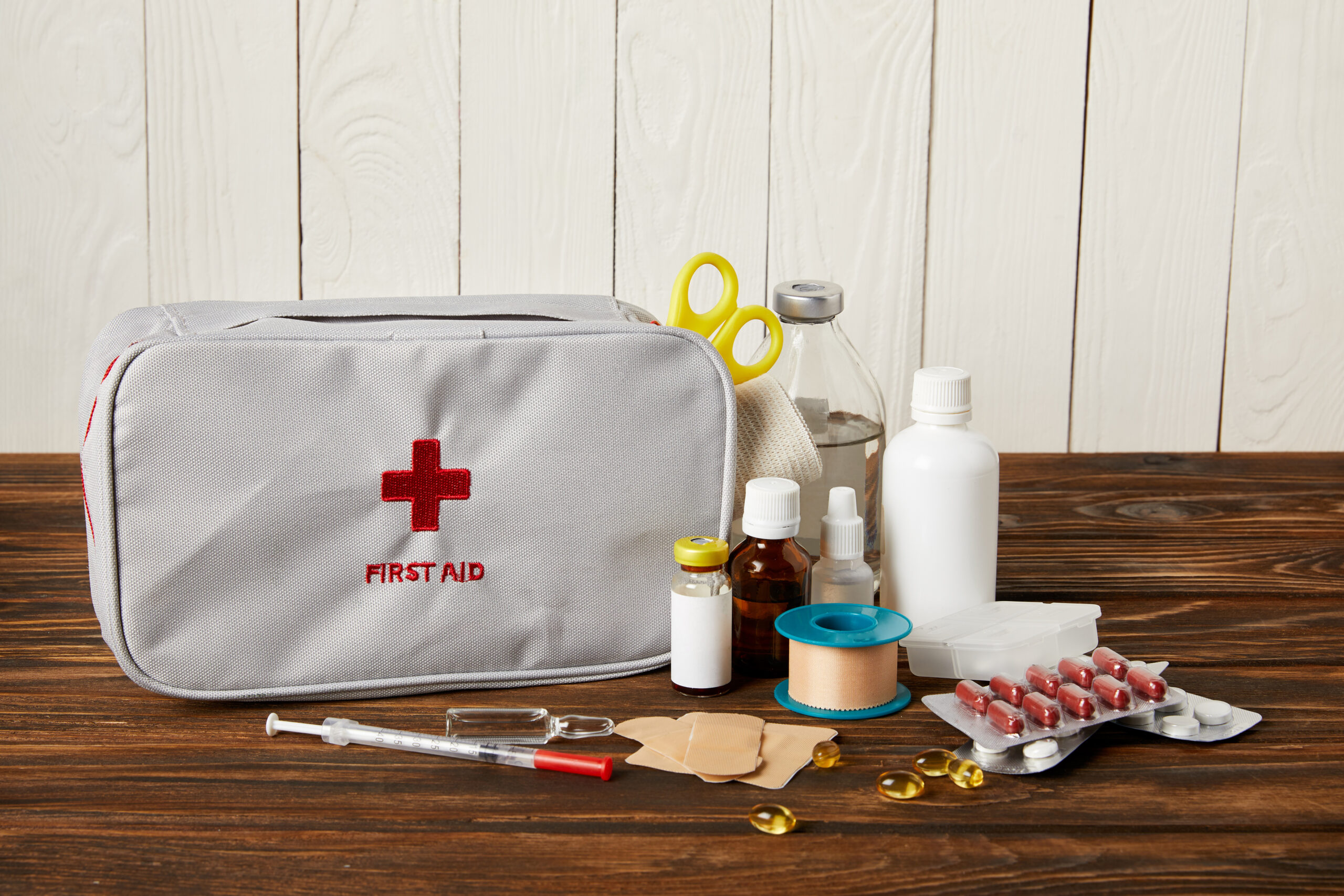
close-up shot of first aid kit with various medicines on wooden tabletop

Conducting a risk assessment is crucial to identifying and addressing potential hazards in the workplace. Key steps include:

  1. Identifying hazardous chemicals present in the workplace.
  2. Evaluating potential exposure scenarios, such as spills or accidental contact.
  3. Developing a response plan, including first aid procedures and evacuation routes.
  4. Ensuring the availability of Safety Data Sheets (SDS) for all chemicals.

Regular assessments help employers stay compliant with Australian regulations and protect employees.

Building a Chemical-Specific Workplace First Aid Kit

A standard first aid kit may not suffice for workplaces handling hazardous chemicals where chemical exposure is a risk. Chemical-specific kits should include:

  • Eye wash solutions for flushing eyes.
  • Protective gloves and aprons for handling spills.
  • Neutralising agents (if recommended for specific chemicals).
  • Emergency shower access for chemical spills on the body.

Safe Work Australia recommends storing these kits in easily accessible locations and training employees on their proper use.

First Aid Techniques for Common Chemical Exposure Scenarios

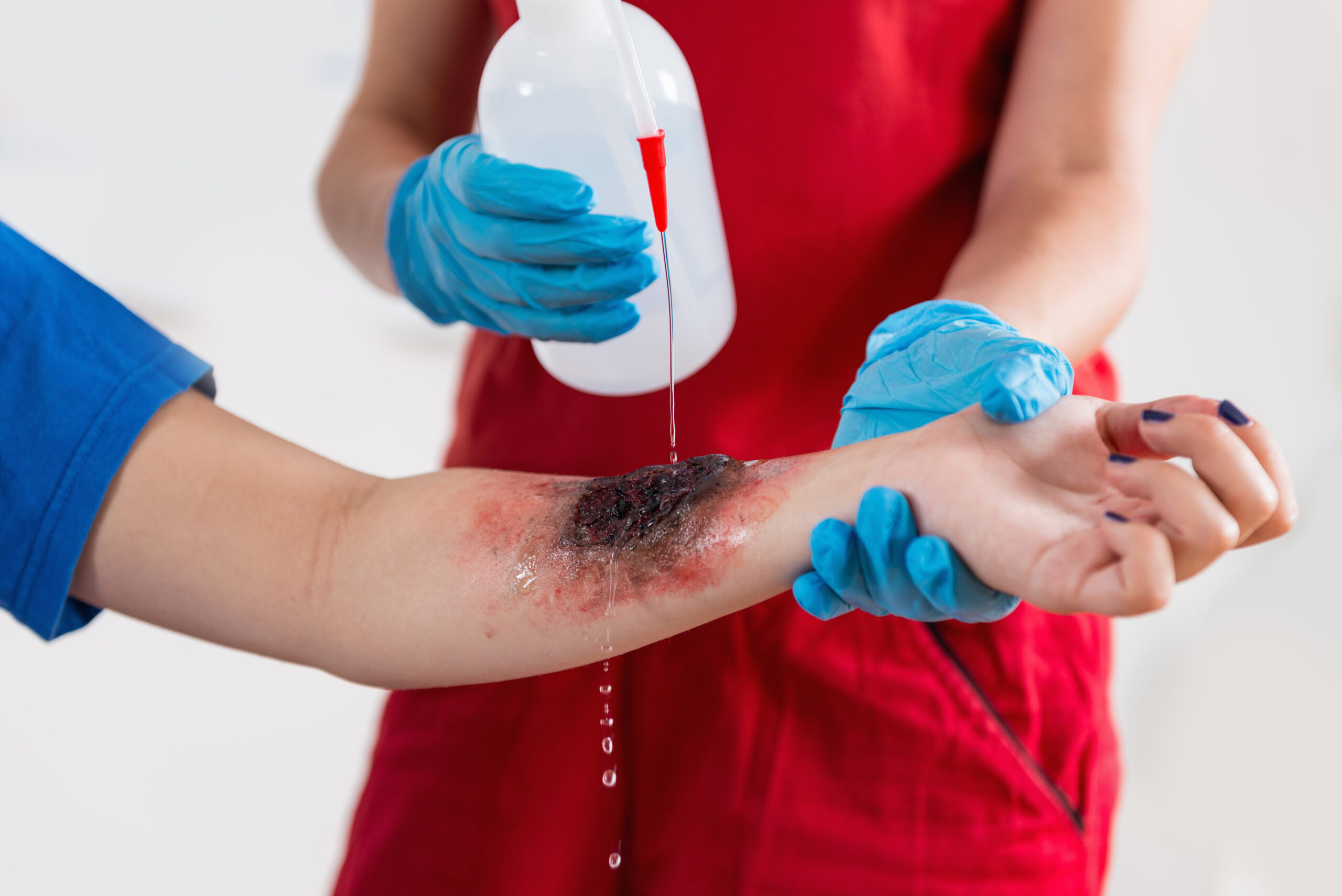
First Aid Training chemical Burns injury

First Aid for Skin Contact with Chemicals

  1. Remove contaminated clothing immediately to prevent further exposure.
  2. Flush the affected area with cool running water for at least 15 minutes. Avoid using hot water, which can exacerbate burns.
  3. Avoid neutralising agents unless specifically directed by the SDS.
  4. Seek medical attention if the skin appears blistered, discoloured, or painful.

First Aid for Eye Exposure to Chemicals

  1. Guide the affected person to an eye wash station immediately.
  2. Flush both eyes continuously with clean water for 15-20 minutes, keeping the eyelids open.
  3. Avoid rubbing the eyes, which can worsen the injury.
  4. Seek professional medical help even if symptoms subside.

First Aid for Inhalation of Toxic Chemicals

  1. Move the affected person to fresh air immediately, ensuring your own safety.
  2. Monitor their breathing for signs of distress.
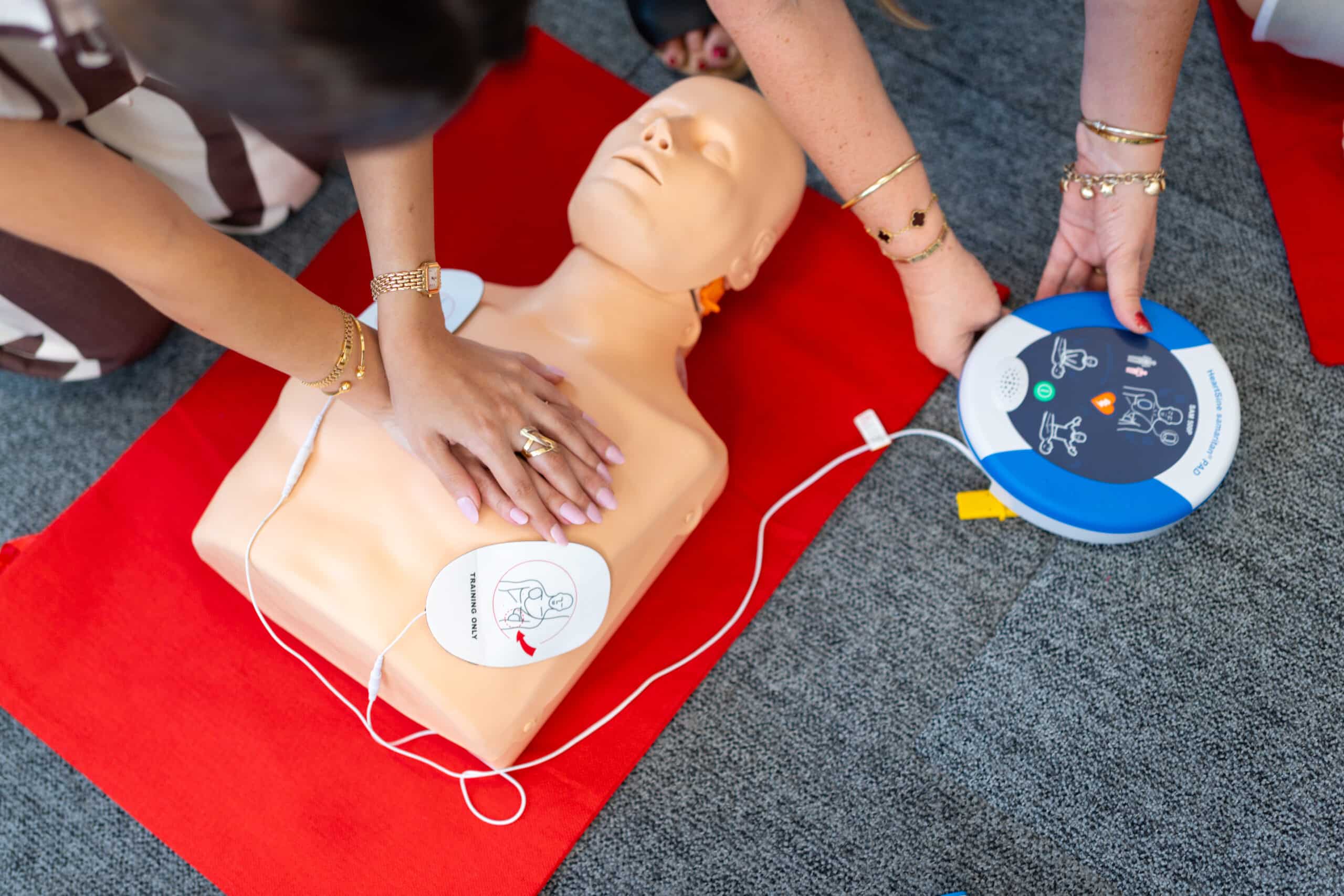
  3. If the person is unresponsive, commence CPR if trained.
  4. Contact emergency services (000) and provide details of the chemical involved.

First Aid for Chemical Ingestion

  1. Do not induce vomiting, as this can worsen internal damage.
  2. Rinse the mouth with water, ensuring the person does not swallow the rinse water.
  3. Contact the Poisons Information Centre (13 11 26) for guidance.
  4. Take the chemical container or SDS to the hospital if further treatment is required.

FAQs

What should I do if I'm exposed to an unidentified chemical?

For unknown chemical exposure, take immediate precautions. Wear protective equipment if available and respond based on observable symptoms. For skin or eye contact, flush with water for 20 minutes; for inhalation, move to fresh air. Contact the Poisons Information Centre (13 11 26) promptly, describing the substance’s appearance and container details. Never attempt to identify chemicals by taste or smell, and seek medical attention even for seemingly minor symptoms.

When should I call emergency services versus administering first aid for chemical exposure?

Always call emergency services (000) immediately for severe chemical exposure incidents, including situations where the person is unconscious, having difficulty breathing, experiencing severe burns, or showing signs of poisoning. For minor exposures, administer appropriate first aid according to the Safety Data Sheet while simultaneously having someone contact the Poisons Information Centre (13 11 26) for guidance. When in doubt, it’s always safer to seek professional medical assistance.

What documentation should be maintained after a chemical exposure incident?

Following any chemical exposure incident, thorough documentation is essential for both medical treatment and workplace safety compliance. Record the name of the chemical and concentration, duration and route of chemical exposure, first aid measures administered and their timing, employee’s symptoms and response to treatment, and details of any medical treatment sought. This documentation should be integrated into your workplace incident reporting system and used to review and improve safety protocols.

The content on this website offers general insights regarding health conditions and potential treatments. It is not intended as, and should not be construed as, medical advice. If you are facing a medical emergency, dial 000 immediately and follow the guidance provided.

Recent Posts
Common Australian Spiders
Australian Spider Bite & Bite First Aid Guide – Identification, Symptoms & Treatment
14/04/2026

An Australian spider bite is common, but serious injury is rare. This guide explains how to identify several Australian spiders, what a spider bite looks …

infected-insect-bite
Anti-Inflammatory Tablets – Sting & Bite Symptoms, Risks & First Aid
10/04/2026

Key Takeaways Anti-inflammatory tablets reduce pain and swelling from insect bites and stings but cannot treat serious allergic reactions or anaphylaxis.NSAIDs such as ibuprofen are …

LVR CPR Training -UETDRMP018 Perform Rescue From A Live Low Voltage Panel
LVR CPR Training Australia: What Is the UETDRMP018 Course and Who Needs It?
08/04/2026

Low voltage rescue (LVR) is the process of safely removing a person from contact with a live low voltage electrical panel and providing emergency care …

CPR and AED
CPR and AED: Why They’re Critical for Saving Lives in Emergencies
01/04/2026

CPR and AED are life-saving first aid techniques used during cardiac arrest to help save lives before an ambulance arrives. When a person’s heart stops …

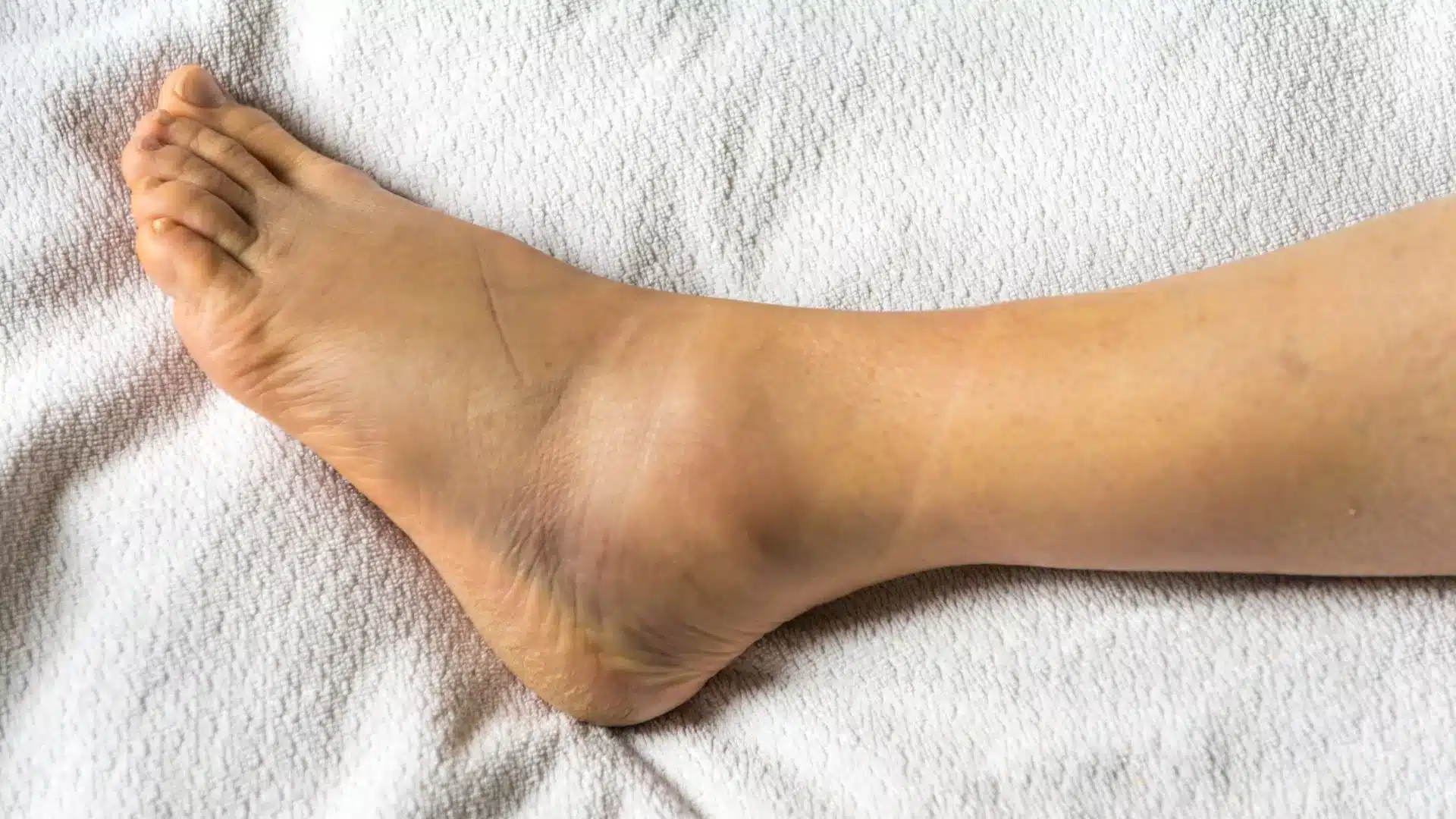
sprain of the ankle
Sprain vs Strain: Key Differences, Symptoms, and First Aid Treatment
27/03/2026

A sprain is a common soft-tissue injury that occurs when a ligament is stretched or torn, usually after a fall, twist, or sudden impact. Sprains …

Information
  • About Us
  • Contact Us
  • Mental Health Pro
  • Onsite Training
  • Careers
  • Collaborations
  • Course Calendar
  • Daily Deals
  • FAQs
  • Explore Our Courses
  • Instant Price Beat
  • Partners
  • Same Day Certificates
Resources
  • Student Login
  • Blog
  • Learn First Aid
  • Create Your USI
  • Find Your USI
  • First Aid Charts
Popular Courses
  • CPR
  • First Aid
  • Childcare First Aid
  • First Aid Mental Health
  • Remote First Aid
  • Advanced First Aid
  • CPR, Asthma & Anaphylaxis
  • Asthma & Anaphylaxis
  • CPR LVR
  • Manual Handling
  • Manual Handling Refresher
  • Medication Administration
  • White Card
Online Courses
  • Zoom Online CPR
  • Zoom Online First Aid
  • Zoom Childcare First Aid
  • Zoom NDIS HISS Courses
Blended Courses
  • Blended CPR
  • Blended First Aid
  • Blended Childcare First Aid
Charity Courses
  • Free CPR
  • Free First Aid
Locations
  • South Australia
  • Queensland
  • New South Wales
  • Victoria
  • ACT
  • Tasmania
  • Northern Territory
  • Western Australia
Policies & Procedures
  • Academic Honesty
  • Complaints & Appeals
  • LLN
  • Refunds & Cancellations
  • RPL & Credit Transfers
  • Training & Assessment
Firstaidpro Logo
Facebook Instagram Youtube tiktok Pinterest Linkedin
  • Level 3, Unit 6/9 Frinton Street, Southport QLD 4215
  • (08) 7120 2570
  • Get In Touch

FirstAidPro is a leading Registered Training Organisation (RTO: 31124) delivering industry-leading standards and the latest training techniques. We provide you with Australia’s most comprehensive, officially recognised first aid qualification!

  • Same-Day Certificates
  • Courses Available 7 days
  • Nationally Accredited Certification
eway-payment.png
© 2026 Firstaidpro Australia Pty Ltd (RTO: 31124) | ABN: 70 106 788 050 | ACN: 106 788 050 | All rights reserved.
  • Privacy Policy
  • Refund Policy
  • Website Disclaimer
North Hobart