



Sharon has 21+ years of experience as a qualified Emergency Care Nurse registered with the Australian Health Practitioner Regulation Agency (APHRA) and 12+ years as a First Aid Trainer.
She takes pride in FirstAidPro making first aid training available, comprehensive and affordable to everybody.
Few things can ruin your day as quickly as food poisoning strikes with its unexpected wave of misery. That sudden nausea, the stomach cramps, and the mad dash to the bathroom are experiences no one wants to endure. Whether it’s from yesterday’s takeaway or that potato salad that sat out too long at the picnic, food poisoning can affect anyone. This guide provides practical first aid techniques to help you manage symptoms and recover more comfortably.
Understanding Food Poisoning
Food poisoning occurs when you consume food or drinks contaminated with infectious organisms or their toxins. These unwelcome guests can include bacteria, viruses, parasites, or chemical toxins that wreak havoc on your digestive system.
Common culprits behind food poisoning are varied and widespread. Bacteria such as Salmonella from undercooked poultry, E. coli from contaminated produce, Listeria from unpasteurised dairy products, and Campylobacter from raw meat are frequent offenders. Viruses like Norovirus and Hepatitis A are often spread by food handlers with poor hygiene practices. Parasites including Giardia and Toxoplasma typically enter our food through contaminated water or undercooked meat, while toxins can be naturally present in some mushrooms and seafood or produced by bacteria like Staphylococcus aureus when food is improperly stored.

Recognising Food Poisoning Symptoms
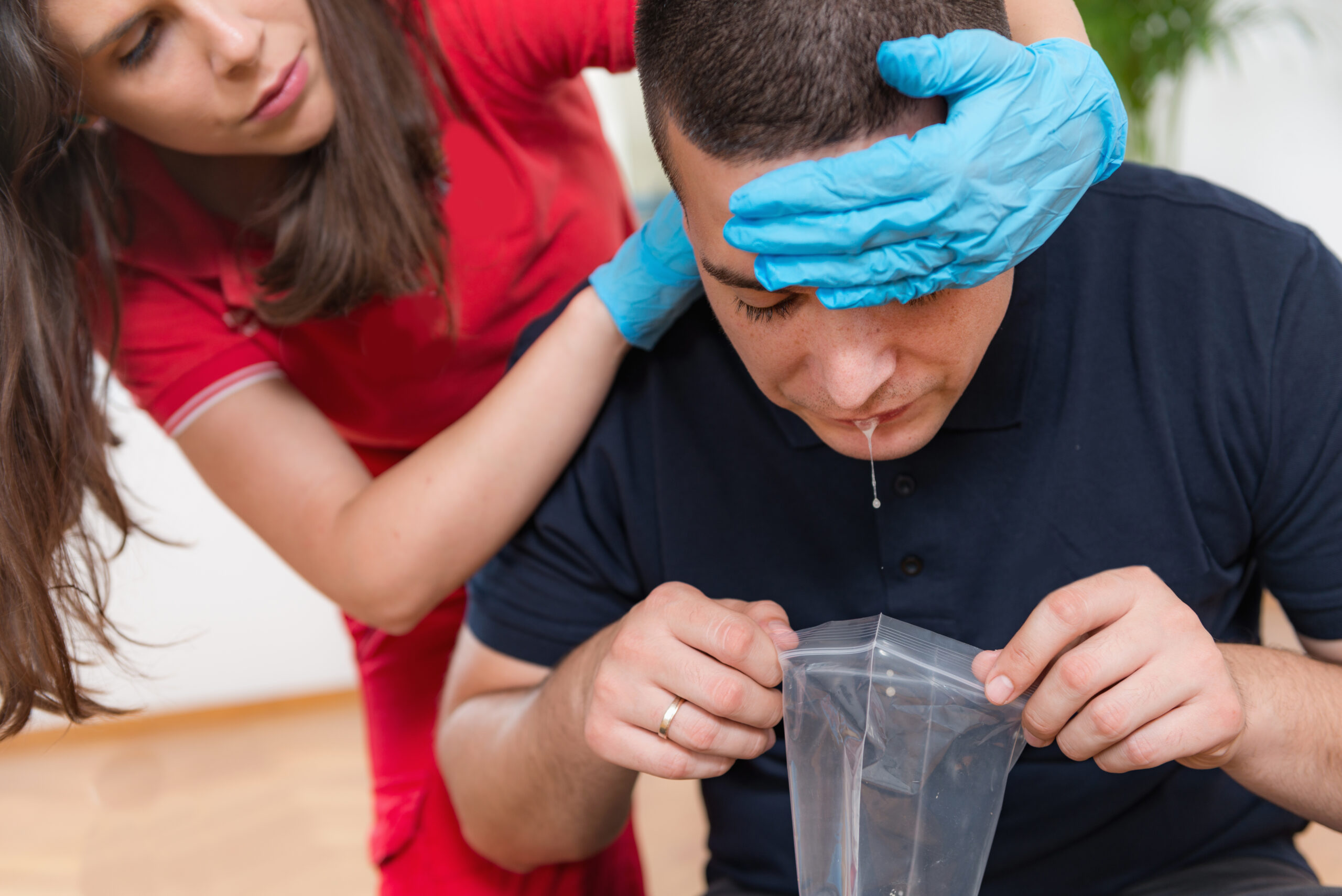
Food poisoning often announces itself with a cluster of digestive distress signals. The most common symptoms include:
- Nausea and vomiting
- Stomach cramps and abdominal pain
- Diarrhoea (which may be watery or bloody)
- Fever and chills
- Headache and body aches
- Weakness and fatigue
Food poisoning typically differs from other gastrointestinal issues like irritable bowel syndrome or stomach flu in its sudden onset and intensity. If you can connect your symptoms to a specific meal eaten within the past 24 hours, especially one containing high-risk foods like seafood, eggs, or mayonnaise-based dishes left unrefrigerated, food poisoning becomes more likely.
Immediate First Aid Steps
When food poisoning strikes, taking prompt action can ease your suffering and support recovery. Here’s what to do straight away:
Stop eating suspected contaminated food: This might seem obvious, but it’s important to identify and dispose of any remaining food that might have caused the illness. If others have consumed the same food, alert them about possible food poisoning contamination.
Focus on hydration: Small, frequent sips of water or clear fluids are vital. Even if you’re vomiting, try to take tiny sips every few minutes rather than large amounts at once. Sucking on ice chips can help if keeping fluids down is difficult.
Rest and find a comfortable position: Your body needs energy to fight the infection. Lying on your side can help if you’re experiencing nausea, while drawing your knees to your chest might ease abdominal cramps.
Hydration: The Most Critical Treatment

Dehydration is the most serious and common complication of food poisoning cases. Recognising its signs early can prevent a mild case from becoming an emergency.
When monitoring for dehydration, be vigilant for several key warning signs. Excessive thirst and a dry mouth or tongue are early indicators, while reduced urination or dark yellow urine suggests your body is conserving water. Physical changes like sunken eyes and skin that lacks elasticity (doesn’t bounce back quickly when pinched) are more serious signs. You might also experience dizziness or lightheadedness, particularly when standing up, along with unusual fatigue or irritability that worsen as dehydration progresses.
When to Seek Medical Help

While most food poisoning cases can be managed at home, some situations require professional medical care due to severe symptoms or complications.
Several situations warrant seeking professional medical attention for food poisoning cases. If you’re unable to keep any liquids down for 24 hours or experience persistent vomiting for more than two days, medical intervention is necessary. Diarrhoea lasting more than three days, blood in vomit or stools, extreme pain or severe abdominal cramping, and a temperature exceeding 39°C are all red flags. Additionally, dehydration symptoms that persist despite rehydration attempts or neurological symptoms like blurry vision, muscle weakness, or tingling in the arms require immediate medical evaluation.
Food Poisoning Prevention
As the saying goes, prevention is better than cure. Protecting yourself from food poisoning starts with smart food handling and hygiene practices.
Food safety at home:
- Wash hands thoroughly with soap and water for at least 20 seconds before handling food, after handling raw meat, and after using the toilet
- Keep raw meat, poultry, seafood, and eggs separate from ready-to-eat foods
- Use a food thermometer to ensure foods reach safe internal temperatures: 75°C for chicken and minced meats, 63°C for steaks and roasts
- Refrigerate perishable food within two hours (one hour if the temperature is above 32°C)
- Thaw frozen foods safely in the refrigerator, not on the countertop
- Rinse fruits and vegetables thoroughly under running water
- Replace sponges regularly and wash dishcloths frequently
Safe food practices when dining out or travelling:
- Choose restaurants with good hygiene ratings
- Be wary of buffets where food may sit at improper temperatures for extended periods
- In countries with limited water sanitation, remember the rule: “Cook it, boil it, peel it, or forget it”
- Drink only bottled or treated water in areas with poor water quality
- Use alcohol-based hand sanitiser before eating if handwashing facilities aren’t available
- Be cautious with street food, ensuring it’s thoroughly cooked and served hot
The risk of food poisoning increases with certain high-risk foods that require careful handling. Raw or undercooked meat, poultry, and seafood frequently harbor harmful bacteria, as do raw or lightly cooked eggs. Unpasteurised milk and dairy products, along with soft cheeses made from unpasteurised milk, pose significant risks. Pre-prepared items like sandwiches and salads (especially those containing mayonnaise), cooked rice left at room temperature, raw sprouts, and raw shellfish all require proper storage and preparation to prevent foodborne illness.
Frequently Asked Questions
Can I take probiotics during food poisoning recovery?
Probiotics may help restore gut balance after the acute phase of food poisoning has passed. Wait until vomiting and severe diarrhoea subside before introducing yoghurt with live cultures or probiotic supplements. While they can help replenish beneficial bacteria destroyed by food poisoning, evidence for shortening illness duration is limited. Consult your healthcare provider before using probiotics if you have a compromised immune system.
Why do some people get food poisoning while others who ate the same food don't?
Individual immune system strength significantly affects susceptibility to food poisoning. Factors like age (very young or elderly), pregnancy, and existing health conditions increase vulnerability. The amount of contaminated food consumed matters—more exposure means higher risk. Stomach acid levels also play a role, as they create a natural barrier against many pathogens, which explains why people taking acid-reducing medications may be more susceptible.
How can I tell if my symptoms are from food poisoning or a stomach virus?
Food poisoning typically strikes suddenly within hours of eating contaminated food and is often linked to a specific meal. Viral gastroenteritis develops more gradually (24-48 hours) and spreads person-to-person. If others who shared your meal are also experiencing food poisoning symptoms, contaminated food is likely the culprit. Vomiting is usually more prominent with viruses, while diarrhoea often dominates in food poisoning, though only testing can confirm the exact cause.